

Loading, please wait...
Loading, please wait...
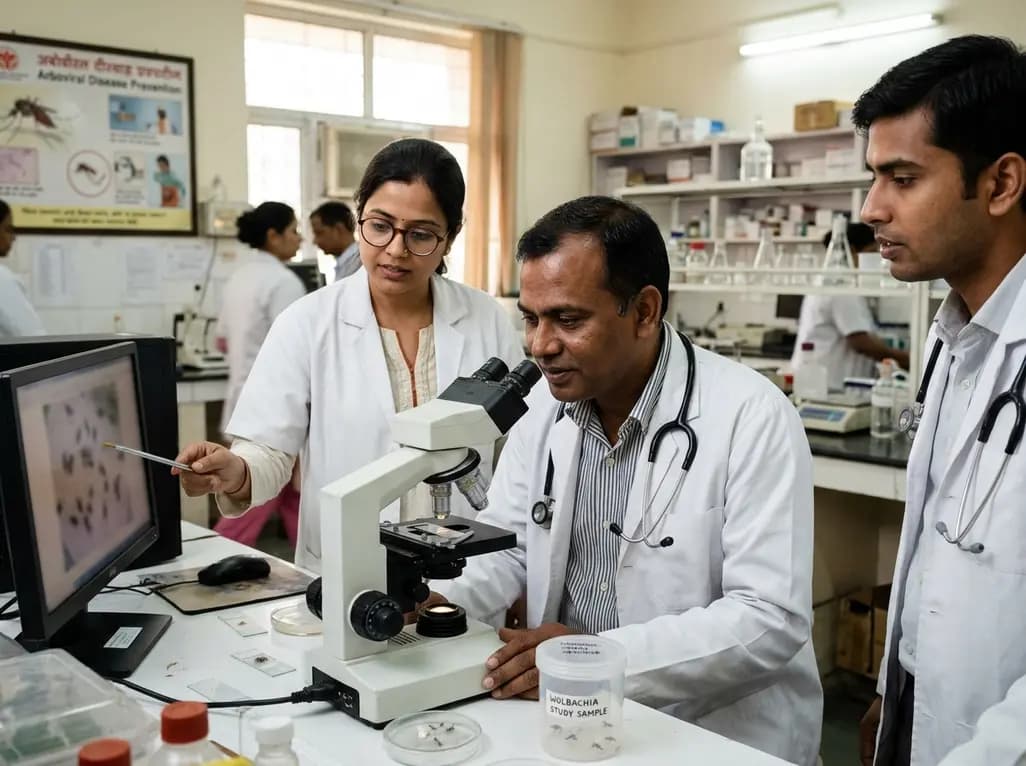
Global health authorities continue to combat escalating arboviral outbreaks that strain municipal healthcare infrastructures. In particular, innovative biological interventions offer renewed optimism for disease containment. Recent clinical data highlight the transformative efficacy of Wolbachia mosquito control in curbing endemic arboviral transmission. Consequently, healthcare providers and epidemiologists are closely examining these groundbreaking population-scale interventions.
Researchers recently presented compelling findings from the EVITA clinical trial at the American Society of Tropical Medicine and Hygiene conference. This rigorous four-year study evaluated more than 5,700 school-aged children across Belo Horizonte, Brazil. Specifically, investigators monitored pediatric cohorts living in urban neighborhoods that received Wolbachia-carrying mosquitoes alongside standard vector suppression. In contrast, control clusters received solely conventional insecticide applications. Rather than tracking only symptomatic hospital admissions, researchers tested serological blood samples routinely across both cohorts. Therefore, the trial successfully captured mild and subclinical arboviral cases alongside overt febrile illnesses. Ultimately, the trial revealed a 68.6 percent overall reduction in laboratory-confirmed arboviral infections among children in intervention zones. Furthermore, dengue infections dropped by 68.5 percent, while chikungunya cases fell by 73.3 percent. Boston University and Emory University investigators emphasized that these findings provide decisive evidence of efficacy. In addition, the biological vector method demonstrated clear advantages over traditional reactive spraying, which frequently fails during heavy transmission seasons. Consequently, public health leaders regard this pediatric dataset as a pivotal milestone for global dengue control. Moreover, the randomized cluster design establishes undeniable clinical validity across highly populated residential areas. Importantly, sustained entomological monitoring confirmed that the protective bacteria persisted within the local insect pool throughout the entire multi-year trial period.
Understanding the cellular biology of Wolbachia pipientis clarifies why this microbial intervention operates so effectively against arboviruses. Wolbachia is an intracellular bacterium that occurs naturally in roughly sixty percent of insect species worldwide. However, it does not naturally infect Aedes aegypti mosquitoes, the primary vectors of dengue, chikungunya, and Zika. Scientists deliberately introduce the wMel strain into mosquito eggs within specialized insectaries. Once established, Wolbachia inhibits viral replication within host tissues through cellular resource competition. Furthermore, the bacterium primes the innate immune pathways of the insect, thereby restricting viral dissemination to salivary glands. Because male and female mosquitoes carry the bacterium, maternal transmission ensures that infected females pass Wolbachia to subsequent generations. In addition, cytoplasmic incompatibility prevents uninfected female mosquitoes from successfully hatching viable eggs when they mate with infected males. Consequently, Wolbachia spreads rapidly through local mosquito populations without requiring perpetual laboratory releases. As a result, this self-sustaining method transforms wild disease vectors into harmless insects unable to transmit viral pathogens to humans. Importantly, the bacterium does not harm humans, domestic pets, or broader ecological food chains. Thus, the intervention establishes a robust, self-perpetuating shield against human viral infection across contiguous urban environments.
Clinical interventions often falter when vector populations explode during seasonal climate anomalies and regional epidemics. For instance, Brazil experienced its most severe dengue epidemic on record during 2024, reporting millions of acute infections. Nevertheless, the EVITA trial demonstrated that Wolbachia deployments maintained significant protective efficacy despite extreme infectious pressure. Routine serological screening revealed that only four percent of children living in Wolbachia zones contracted arboviruses. In contrast, fourteen percent of children residing in standard vector-control neighborhoods tested positive for recent infections. Therefore, biological vector suppression effectively blunted viral surges even when environmental conditions heavily favored mosquito breeding. Health systems frequently collapse under the weight of sudden seasonal epidemics due to depleted inpatient capacity and strained laboratory resources. Hence, maintaining robust prophylactic defense during widespread outbreaks prevents emergency room overcrowding and reduces critical illness complications. In addition, the sustained reduction in chikungunya transmission showcases broad-spectrum arboviral protection from a single public health intervention. Thus, municipal healthcare authorities gain vital resilience against catastrophic healthcare disruptions through this persistent biological strategy. Researchers also observed minimal waning of protection across multiple successive rainy seasons. Consequently, clinicians can anticipate consistent disease reduction without requiring repeated emergency chemical fogging campaigns. Moreover, hospital administrators reported noticeable declines in pediatric intensive care admissions within participating biological intervention zones.
Arboviral illnesses present an overwhelming burden across tropical and subtropical regions, including Southeast Asia and Latin America. In nations like India, dengue fever inflicts immense economic hardship and hospitalizes millions of individuals each year. Traditional vector management relies heavily on chemical larvicides and pyrethroid fogging. Unfortunately, vector populations rapidly develop physiological resistance against chemical insecticides over repeated applications. Furthermore, chemical spraying only kills adult mosquitoes transiently and requires continuous municipal expenditure. In contrast, the World Mosquito Program has achieved remarkable disease reductions across Indonesia, Australia, and South America using biological biocontrol. For example, previous cluster trials in Yogyakarta demonstrated a seventy-seven percent decrease in symptomatic dengue presentations. Similarly, data from Florida show that non-endemic regions now face expanding local transmission clusters as global temperatures rise. Therefore, expanding Wolbachia deployment provides an indispensable, environmentally sound tool for high-risk metropolitan areas worldwide. Health authorities must combine innovative biological controls with clinical surveillance to protect vulnerable urban communities efficiently and sustainably. Moreover, adopting scalable biocontrol frameworks helps municipalities safeguard municipal finances against skyrocketing outbreak management costs. Ultimately, long-term public health success depends on pairing modern entomological innovation with community-based engagement. In fact, international health agencies actively endorse expanding pilot projects to mitigate persistent seasonal arboviral risks globally.
For front-line physicians and pediatricians, widespread vector control directly transforms outpatient triage and inpatient management. Pediatric patients bear a disproportionately heavy share of severe dengue manifestations, such as plasma leakage and dengue shock syndrome. Furthermore, distinguishing acute dengue from chikungunya or malaria during early febrile phases presents considerable diagnostic dilemmas for primary clinicians. When community transmission plummets by nearly seventy percent, clinicians experience lower rates of misdiagnosis and fewer avoidable pediatric hospitalizations. Additionally, primary healthcare providers can optimize critical care beds for non-preventable emergency conditions. Medical practitioners also play a vital role in educating families regarding innovative biological interventions. Many patients initially express apprehension regarding the municipal release of mosquitoes in residential streets. Therefore, doctors must explain that Wolbachia-carrying mosquitoes cannot transmit illness and remain harmless to human health. In fact, reassuring the public fosters essential community trust and accelerates vector replacement initiatives. Consequently, clinical advocacy bridges the gap between complex entomological science and successful public health adoption. Physicians should also continue reinforcing routine mosquito protection measures until Wolbachia establishment reaches saturation across urban centers. Thus, a multi-layered prevention model delivers the highest standard of community health protection. Specifically, continuing personal repellent use and household screening safeguards families during early transition phases.
Q1: What is Wolbachia, and how does it prevent mosquito-borne virus transmission?
Wolbachia is an intracellular bacterium that occurs naturally in many insect species but not in Aedes aegypti mosquitoes. When scientists introduce Wolbachia into these mosquitoes, the bacteria outcompete viral pathogens for essential host cellular resources. Furthermore, the bacteria activate the mosquito immune defenses, significantly impairing the virus's ability to replicate and reach salivary glands. Consequently, the mosquito cannot efficiently transmit dengue, chikungunya, or Zika viruses to humans during feeding bites.
Q2: Can Wolbachia-carrying mosquitoes infect humans or cause adverse environmental effects?
No, Wolbachia bacteria cannot survive inside warm-blooded mammals, so they cannot infect humans or domestic animals. The bacterium lives strictly within insect cells and passes naturally through maternal insect lineages to their offspring. Decades of ecological research and global field evaluations confirm that Wolbachia releases maintain an exceptional safety profile. Moreover, releasing these modified mosquitoes does not disrupt local predatory ecosystems or food chains, making the intervention environmentally sustainable and biologically safe.
Q3: How does this biological method compare to traditional chemical mosquito control strategies?
Traditional mosquito control depends heavily on chemical larvicides and insecticide fogging, which provide only transient suppression and trigger widespread pesticide resistance. In contrast, the Wolbachia method establishes a permanent biological barrier across target mosquito populations. Once established, Wolbachia-carrying mosquitoes continuously mate with wild vectors and propagate the protective bacteria without constant human intervention. Therefore, this biological strategy provides enduring disease reduction while eliminating recurring municipal insecticide costs and reducing environmental chemical exposure.
Disclaimer: This content is for informational and educational purposes only. It does not constitute medical advice or replace professional judgment. Refer to the latest local and national guidelines for clinical practice.
References

Read summarized clinical updates, watch expert medical content, and earn CME certifications right from your smartphone.
Open your smartphone camera to scan and install.





A landmark four-year pediatric study in Brazil demonstrates that introducing Wolbachia-carrying mosquitoes into communities slashes dengue and chikungunya transmission by 69 percent. This groundbreaking biological vector intervention presents an essential roadmap for clinicians and public health teams globally.
Today

A cross-sectional study of 4,862 women highlights how metabolic phenotypes alter female reproductive impairment. Metabolically unhealthy overweight and obesity presented the greatest odds for infertility and impaired fecundity, underscoring the vital need for comprehensive cardiometabolic screening.
Today

A large network analysis of middle-aged and older adults reveals distinct sex-specific dependency pathways between lifestyle factors and cardiometabolic diseases. Physical activity, smoking, and alcohol exhibit divergent bridging roles in men and women, underscoring the need for tailored clinical prevention.
Today

A breakthrough study reveals that teriparatide alleviates sarcopenia by binding MYH9 rather than PTH1R, activating an AKT/CREB1 axis to promote MYOD transcription and muscle regeneration. This discovery offers a promising biological rationale for repurposing bone anabolic therapies to combat age-related muscle loss.
Today
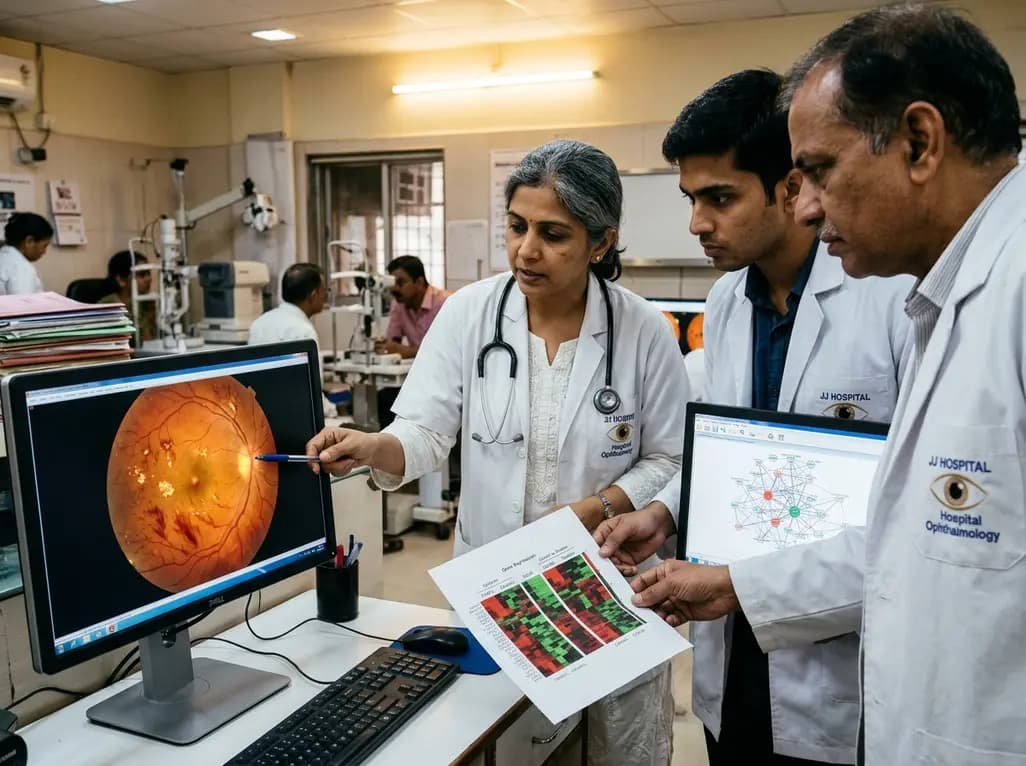
Single-cell transcriptomics reveals that STAP2 promotes retinal endothelial dysfunction in diabetic retinopathy through CXCR4 signaling. In vivo and in vitro studies show STAP2 knockdown reduces capillary drop-out and vascular leakage, uncovering a novel therapeutic target beyond anti-VEGF therapies.
Today
