.webp&w=384&q=75)

Loading, please wait...
Loading, please wait...
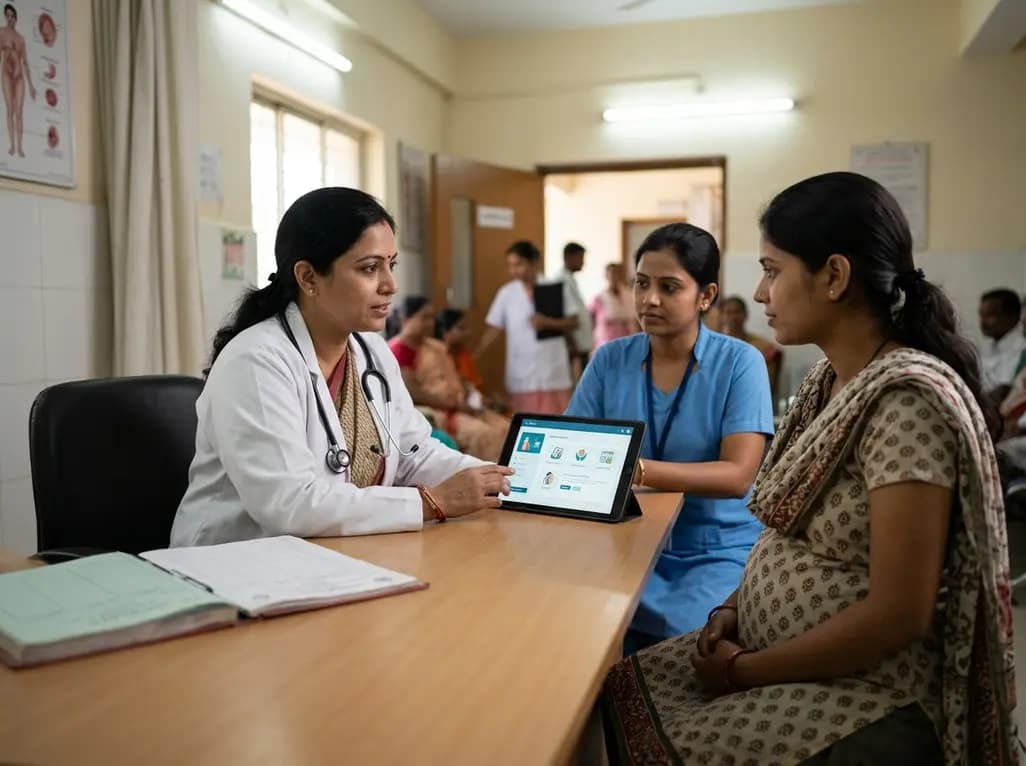
Clinicians often face significant challenges when addressing sensitive health topics such as substance use and sexually transmitted infections (STIs) during routine prenatal visits. While these issues remain at record-high levels globally, the persistent stigma surrounding them frequently prevents honest patient disclosure. Consequently, the development of web-based prenatal interventions has gained significant momentum as a potential solution for providing private, evidence-based support. A recent randomized controlled trial examined the efficacy of an innovative tool called the \"Health Check-Up for Expectant Moms\" (HCEM) in Michigan. This automated platform aimed to reduce condomless sex and substance consumption among pregnant women by leveraging technology-driven motivational interviewing. Although the study focused on a specific geographic demographic, the results offer profound insights into behavioral change and the evolving role of technology in modern obstetrics. Understanding these dynamics is essential for improving maternal and neonatal outcomes in a rapidly digitalizing healthcare landscape. As we look toward the future, integrating these digital tools into primary care could redefine how we manage maternal health.
Substance use, particularly the consumption of cannabis and alcohol, represents a growing concern in maternal-fetal medicine today. In many regions, the prevalence of these behaviors is rising steadily, and they are linked directly to adverse health consequences for both mothers and their infants. Similarly, STIs pose significant risks during pregnancy, including preterm birth, low birth weight, and severe congenital complications. Traditional face-to-face interventions are certainly effective, but they are often resource-intensive and prone to patient discomfort or fear of judgment. Therefore, researchers are increasingly exploring web-based prenatal interventions to bridge the existing gap in care. These digital tools offer a non-judgmental, private space for patients to explore their habits and receive immediate motivational feedback. By successfully integrating technology into routine prenatal care, clinicians might better identify at-risk individuals who would otherwise go unnoticed during brief clinical encounters. This proactive approach is particularly relevant in high-volume clinical settings where time for in-depth counseling is a limited luxury. Addressing these issues through automation could potentially democratize access to high-quality behavioral health resources.
The HCEM trial was meticulously designed to test the impact of a theory-driven, fully automated brief intervention on pregnant women. The research team recruited 176 pregnant women who were identified as being at risk for substance use or STIs through clinics and social media campaigns. Participants were randomized into two distinct groups: the HCEM intervention arm and an attention-matched control group. The HCEM platform utilized motivational interviewing-consistent techniques delivered through a sophisticated, technology-driven interface. Conversely, the control group received information-matched content using the same delivery platform to ensure a fair comparison. Both groups underwent follow-up assessments at two and six months post-intervention to track behavioral changes over time. Primary outcomes focused on self-reported alcohol, cannabis, and drug use, as well as the frequency of unprotected sexual encounters during the pregnancy. This rigorous design aimed to isolate the specific impact of the automated motivational feedback from the general effect of being monitored within a study. Such studies are critical for validating the cost-effectiveness and scalability of digital health tools in public health initiatives.
The results of the trial revealed that cannabis was the most prevalent substance reported by the participants at baseline. Interestingly, significant reductions in alcohol and cannabis use occurred in both the intervention and control groups over the follow-up periods. However, the study found no statistically significant difference between the HCEM arm and the control condition regarding the magnitude of these reductions. Most participants had already begun reducing their substance use in the month prior to study enrollment, suggesting a powerful \"spontaneous reduction\" effect common during pregnancy. Furthermore, the frequency of condomless sex did not show significant change patterns between the two groups at either follow-up point. These findings highlight the inherent complexity of behavioral interventions during the prenatal period. Often, the internal motivation to protect the developing fetus drives significant change regardless of the specific intervention type provided. This phenomenon suggests that for some women, the mere act of screening and acknowledging risk is a sufficient catalyst for change. However, for those with more deeply ingrained habits, more intensive digital support may still be necessary.
One critical takeaway from this research involves the composition of the study sample. The researchers noted that their participants were largely \"low-risk,\" which may have made it difficult to observe a distinct intervention effect. In populations where substance use is more entrenched or severe, structured web-based prenatal interventions might yield more noticeable and statistically significant results. For clinicians, this underscores the vital importance of risk stratification when deploying digital health tools in a clinical setting. While automated tools are convenient and private, their efficacy may vary significantly based on the baseline severity of the patient's behaviors. Additionally, the study emphasizes that the simple act of screening and monitoring can trigger self-reflection and behavior modification in many pregnant women. This suggests that incorporating digital screening into the standard of care could have therapeutic value in itself. Practitioners should view these tools not as a replacement for clinical care, but as a supplementary layer that enhances patient self-awareness and encourages healthier lifestyle choices during a critical life stage.
Despite the lack of a significant intervention effect in this specific trial, the potential of technology-delivered approaches remains vast and promising. The privacy and convenience of web-based tools are undeniable advantages for behavioral health support, especially for sensitive topics. Future research should specifically target high-risk populations where the room for behavioral improvement is greater and the impact of intervention is more measurable. For medical practitioners, these findings suggest that digital screening tools can be a valuable adjunct to traditional prenatal care. As digital literacy increases globally, integrating such platforms into national health initiatives could enhance the detection of sensitive health risks. Furthermore, these tools can provide a scalable way to deliver evidence-based interventions to underserved or rural populations. Ultimately, the goal is to create a multi-layered support system that empowers expectant mothers to make healthier choices through accessible, technology-driven resources. Continued innovation in this field will likely lead to more personalized and effective digital health solutions for maternal and child health.
Web-based prenatal interventions offer a highly private and convenient alternative to traditional face-to-face counseling. They allow patients to engage with sensitive material at their own pace without the fear of immediate social judgment. While traditional counseling provides human empathy and personalized adjustments, automated platforms ensure consistency in delivering evidence-based techniques like motivational interviewing. These tools are particularly useful as a first-line screening and support mechanism in busy clinical environments where specialized counselors may not be available.
Both groups in the trial showed reductions primarily due to a phenomenon known as spontaneous reduction, which is common among pregnant women who are motivated to protect their infant's health. Additionally, the process of participating in a study, which involves regular screening and self-reporting, can increase self-awareness and trigger behavior change. This suggests that even minimal interventions, such as being asked about substance use, can have a therapeutic effect on low-risk populations during pregnancy.
The primary benefits include increased patient privacy, reduced clinical burden, and standardized delivery of care. Automated platforms can reach a larger number of patients simultaneously and provide immediate, data-driven feedback. For sensitive topics like STI risk and substance use, patients are often more honest when interacting with a digital interface than with a healthcare provider. This leads to more accurate data collection and better-informed clinical decisions, ultimately improving the overall quality of prenatal care.
Disclaimer: This content is for informational and educational purposes only and does not constitute medical advice. It is not intended to be a substitute for professional medical judgment, diagnosis, or treatment. Always seek the advice of your physician or other qualified health provider with any questions you may have regarding a medical condition. Refer to the latest local and national guidelines for clinical practice.
References
Tzilos Wernette G et al. A Web-Based Intervention for Reducing Sexually Transmitted Infections and Substance Use During Pregnancy: Randomized Controlled Trial. J Med Internet Res. 2026 Jul 08. doi: 10.2196/95944. PMID: 42418232.
"
Read summarized clinical updates, watch expert medical content, and earn CME certifications right from your smartphone.
Open your smartphone camera to scan and install.





A randomized controlled trial evaluates the Health Check-Up for Expectant Moms (HCEM), a web-based intervention for STIs and substance use. While both groups showed behavioral improvements, the study highlights the impact of spontaneous change and the need for testing in higher-risk populations.
3 months ago
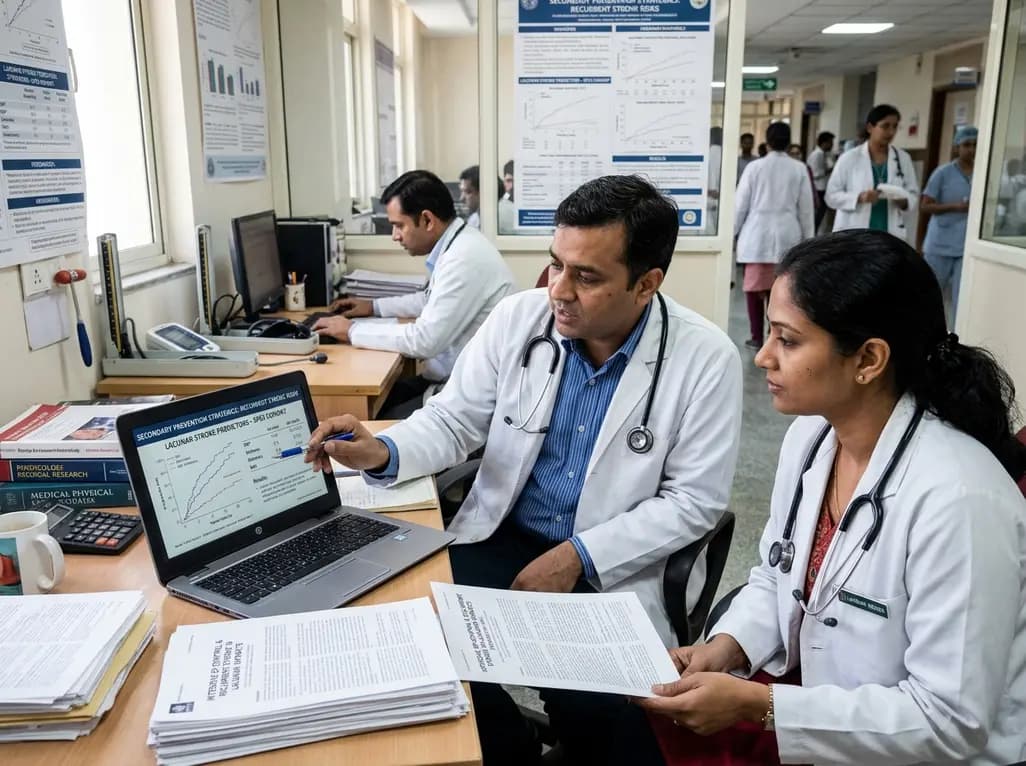
Explore vital recurrent stroke predictors in lacunar stroke patients managed with intensive blood pressure lowering. This analysis examines trial findings from SPS3 to uncover residual vascular risks, metabolic factors, and targeted secondary prevention strategies for high-risk neurological patients.
Today

A comprehensive scoping review synthesises evidence linking prenatal maternal mental health to long-term offspring neurodevelopment, evaluating neuroendocrine, inflammatory, and epigenetic pathways while highlighting clinical screening and future research priorities.
Today

The Directorate General of Health Services directs Indian states to halt the hazardous reuse and reprocessing of single-use medical devices. Discover regulatory implications under the Drugs and Cosmetics Act, critical infection risks, legal liabilities, and operational changes required across clinical specialties.
Today
Mitochondria-targeted nanoparticles self-assembled from EGCG and L-glutamic acid effectively restore mitochondrial homeostasis, suppress synovial inflammation, and attenuate chondrocyte senescence in osteoarthritis, offering a promising disease-modifying nanotherapy.
Today

India is advancing preventive healthcare by integrating genomics, artificial intelligence, and quantum technologies. With the SANGAM programme sequencing one million Indian genomes, clinicians can unlock personalized therapies, detect cardiometabolic risks early, and curb the burden of diabetes and heart disease.
Today
