.webp&w=384&q=75)

Loading, please wait...
Loading, please wait...

Esophageal Squamous Cell Carcinoma (ESCC) represents a significant clinical challenge globally, particularly in India where it is a leading cause of cancer-related mortality. Recent research has identified that the overexpression of VPS4A in ESCC radioresistance acts as a critical mechanism behind treatment failure. This metabolic reprogramming supports tumor progression and makes advanced disease difficult to manage. Therefore, understanding these molecular drivers is essential for developing effective therapeutic strategies.
The study reveals that VPS4A is highly expressed in ESCC tissues and serves as an independent prognostic factor for patients. Mechanistically, VPS4A upregulates the expression of MYO1C, which in turn enhances glycolytic metabolism. This process increases glucose uptake and lactate production within the tumor cells. Consequently, these metabolic shifts significantly strengthen the radioresistance of the tumor. Furthermore, a feedback loop exists where the lactate produced by glycolysis further enhances the expression of both VPS4A and MYO1C.
Targeting metabolic pathways offers a promising avenue to overcome resistance to conventional therapies. Since the VPS4A/MYO1C/glycolysis axis promotes tumor malignancy, VPS4A emerges as a valuable therapeutic target. Clinicians may eventually use these markers to predict radiotherapy response or as targets for adjuvant therapies. However, further clinical trials are necessary to translate these findings into routine practice. In addition, addressing the aggressive nature of ESCC requires a multi-pronged approach involving early detection and personalized metabolic interventions.
VPS4A activates glycolytic metabolism by upregulating MYO1C expression. This increases glucose consumption and lactate production, which fuels tumor growth and protects cancer cells from radiation-induced damage.
Radioresistance often leads to treatment failure and poor prognosis in advanced ESCC cases. Metabolic reprogramming, such as the axis involving VPS4A and MYO1C, allows cancer cells to survive high doses of radiation that would otherwise be lethal.
Yes, inhibiting the glycolytic pathway or its upstream regulators like VPS4A could potentially sensitize ESCC cells to radiotherapy, thereby improving the efficacy of existing treatment protocols.
Disclaimer: This content is for informational and educational purposes only and does not constitute medical advice or a professional relationship. Always seek the advice of a qualified healthcare provider for any medical condition or treatment. Refer to the latest local and national guidelines for clinical practice.
References
Chen F et al. VPS4A activates glycolytic metabolism via MYO1C to promote radioresistance in ESCC. Eur J Med Res. 2026 Feb 07. doi: 10.1186/s40001-026-03875-2. PMID: 41654990.
Krishnamurthy A. Demographic Trends in Carcinoma Esophagus from India along with a Brief Comparative Review of the Global Trends. South Asian J Cancer. 2021;10(2):104-110.
Fadaka AO et al. Understanding the Role of Glycolytic Metabolism in Cancer Progression and Therapy Resistance. Biomolecules. 2023;13(4):612.

Read summarized clinical updates, watch expert medical content, and earn CME certifications right from your smartphone.
Open your smartphone camera to scan and install.





New research identifies VPS4A and MYO1C as key drivers of glycolytic metabolism and radioresistance in Esophageal Squamous Cell Carcinoma (ESCC)....
8 months ago
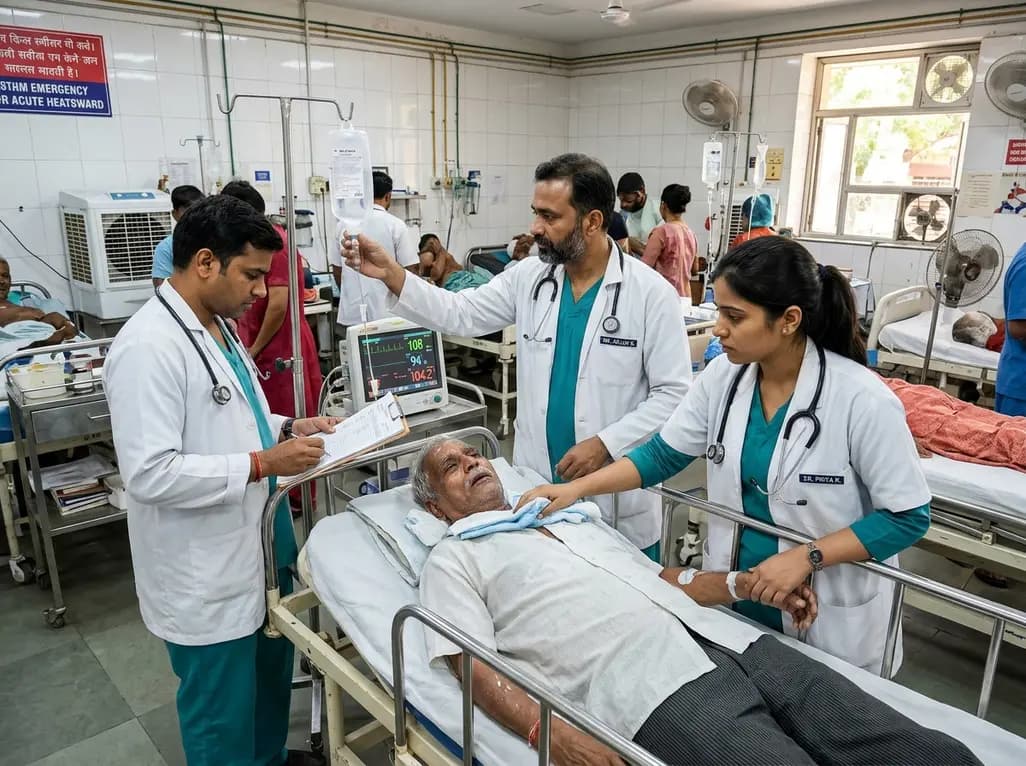
Recent epidemiological data reveals a dramatic surge in summer heat mortality driven by human-induced climate warming. This analysis explores the pathophysiological impacts on cardiac and renal systems, diagnostic dilemmas in death certification, and essential emergency cooling protocols for acute clinical care.
Today

Odisha has established India's first state-level clinical protocol specifically tailored for pregnant women with sickle cell disease. Developed with NHM and UNICEF, the framework provides structured antenatal screening, crisis mitigation, standardized referral pathways, and specialized interdisciplinary care.
Today

India is advancing preventive healthcare by integrating genomics, artificial intelligence, and quantum technologies. With the SANGAM programme sequencing one million Indian genomes, clinicians can unlock personalized therapies, detect cardiometabolic risks early, and curb the burden of diabetes and heart disease.
Today
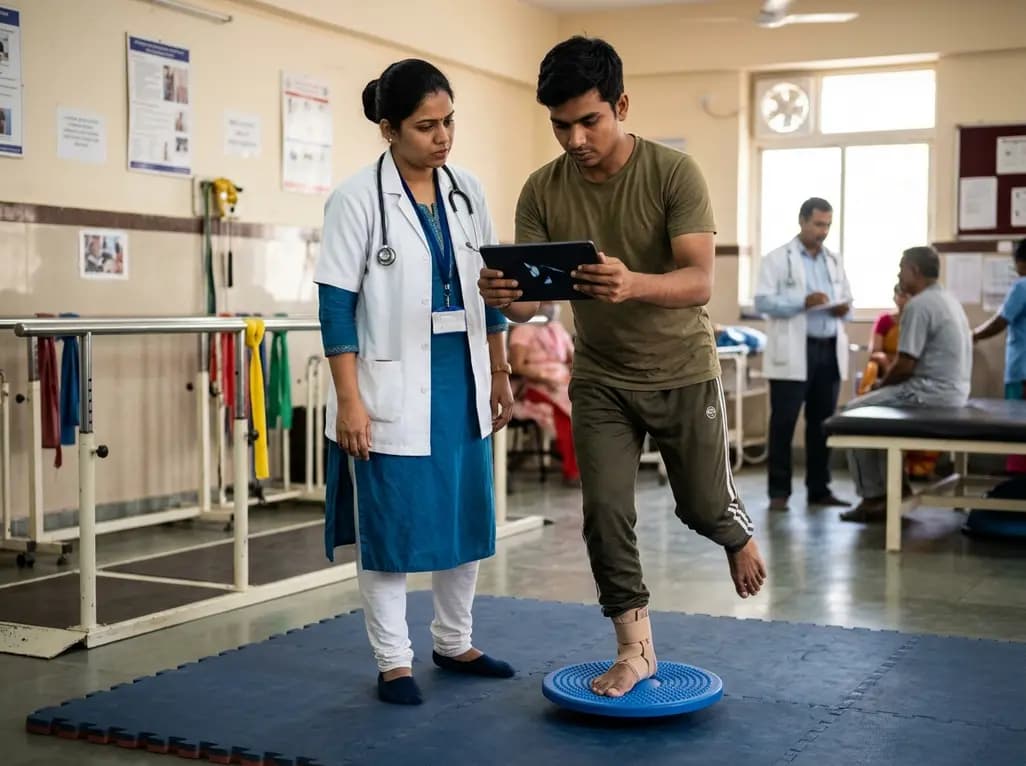
A randomized controlled trial demonstrates that an eight-week dual-task training intervention significantly improves static and dynamic postural control over standard balance exercises in individuals with chronic ankle instability, addressing critical neurocognitive deficits during athletic and daily activities.
Today

A retrospective cohort study of 7,716 ICU patients from the MIMIC-IV database demonstrates that Gradient Boosting Decision Trees significantly outperform traditional SOFA scores in predicting in-hospital mortality among patients with sepsis and diabetes, with SHAP analysis providing clinical interpretability.
Today
