

Loading, please wait...
Loading, please wait...
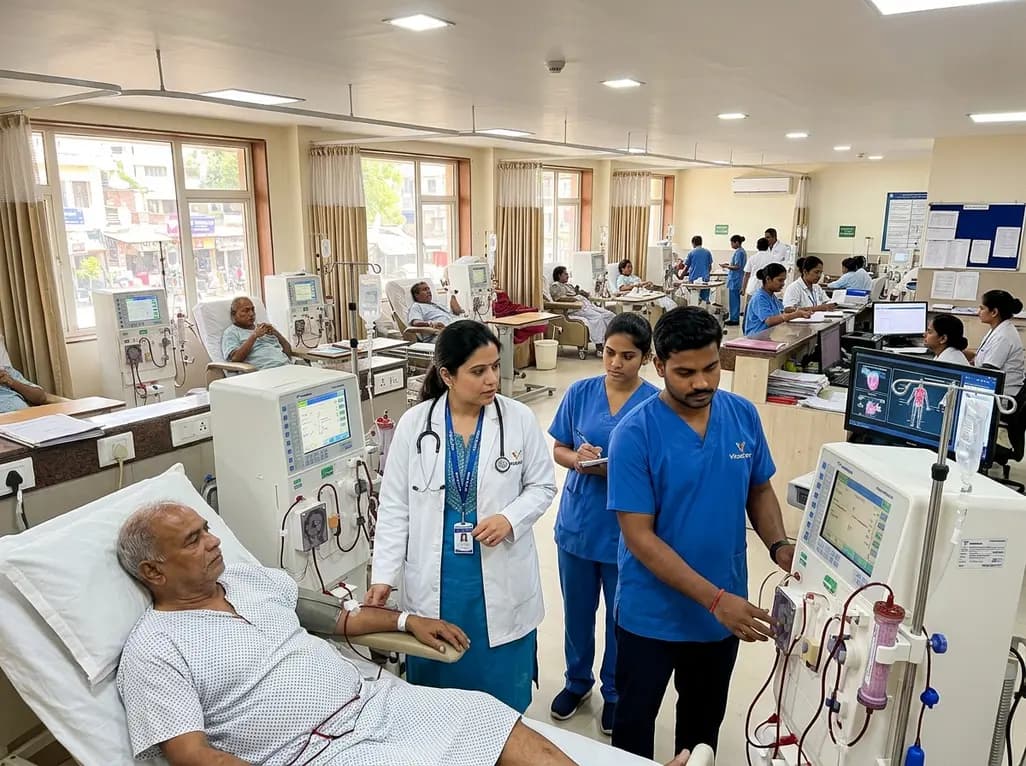
Chronic kidney disease represents an escalating public health crisis across India, requiring systemic interventions. Consequently, optimizing dialysis care delivery has become essential to reducing premature mortality among patients with end-stage renal disease. Recently, Gurugram-based renal care provider VitusCare secured $3 million in Series B funding. The funding round included participation from Liberty Ridge Capital, HDFC Bank, Equentis, and NAFA Capital Advisors. Furthermore, existing institutional partners such as 1Crowd and 3i Partners reinforced their financial backing. VitusCare has tripled its revenue since late 2024 while expanding from 22 to over 60 dialysis centres. Currently, the organization operates across nine states and more than 50 cities. Most importantly, the provider has administered over 800,000 hemodialysis sessions to more than 35,000 patients. This capital infusion will fund network growth, technological innovation, and specialized workforce training across underserved Indian markets.
India faces a substantial burden of end-stage renal disease, yet specialized treatment remains concentrated in metropolitan cities. Consequently, rural and semi-urban patients encounter severe barriers when attempting to access life-sustaining hemodialysis. Historically, families must travel over fifty kilometers multiple times each week to reach urban medical centers. Therefore, travel expenses and lost wages frequently trigger catastrophic out-of-pocket health expenditures. Moreover, severe logistical hurdles force many individuals to discontinue regular maintenance therapy prematurely. VitusCare specifically targets these geographic gaps by establishing local treatment facilities in tier-2 and tier-3 communities. Thus, localized access alleviates direct financial distress and significantly stabilizes ongoing therapeutic adherence. In addition, timely maintenance hemodialysis prevents metabolic complications, fluid overload emergencies, and recurrent hospital admissions. Primary care physicians in rural districts gain a dependable referral ecosystem for complex renal cases. Consequently, decentralizing specialized nephrology infrastructure transforms regional healthcare delivery and preserves long-term patient survival. Furthermore, consistent local access empowers families to maintain routine domestic routines without prolonged displacement. Patients experience fewer missed sessions, which directly improves blood pressure management and biochemical markers. In contrast, sporadic hemodialysis drastically increases cardiovascular morbidity among chronic kidney disease populations. Healthcare systems benefit when community-level clinics successfully manage maintenance therapy without overcrowding tertiary state hospitals. Therefore, continuous regional investment creates sustainable health resilience across previously neglected geographical regions.
Establishing independent, standalone dialysis centers often requires immense capital expenditure and protracted regulatory approvals. In response, VitusCare utilizes an asset-light shop-in-shop operational framework within existing private and community hospitals. Specifically, the provider embeds modern hemodialysis units directly into functional hospital facilities. This collaborative approach immediately leverages existing secondary healthcare infrastructure, including electrical backups, municipal permissions, and diagnostic laboratories. Furthermore, host hospitals instantly acquire comprehensive nephrology services without bearing steep upfront medical equipment liabilities. Patients consistently benefit because acute medical contingencies receive prompt intensive care management on-site. For instance, hemodynamic instability or sudden vascular access hemorrhage requires immediate critical care intervention. In standalone clinics, managing these acute crises often proves challenging and delays life-saving resuscitation. Therefore, co-locating dialysis units within functioning multi-specialty hospitals substantially elevates baseline clinical safety. Additionally, this streamlined model accelerates rapid scaling across underserved territories. The organization plans to expand beyond 100 clinical centres by the end of FY27. Ultimately, hospital partnerships create mutually beneficial ecosystems that optimize operational resources and improve clinical outcomes. Additionally, local clinicians obtain dependable dialysis capabilities to treat hospitalized patients suffering from acute kidney injury. Host facilities enhance their community reputation while improving bed occupancy rates across associated medical wards.
A severe shortage of certified hemodialysis technicians severely constrains kidney care throughout developing healthcare systems. Indeed, inexperienced operators increase the risk of cannulation errors, bloodstream infections, and inadequate solute clearance. To solve this clinical vulnerability, VitusCare is directing fresh capital to establish a specialized technician academy. This structured educational initiative will provide rigorous, standardized training in cannulation techniques, aseptic handling, and emergency protocols. Moreover, technicians will master the intricate technical operation of modern reverse osmosis water purification plants. Maintaining rigorous microbiological water purity prevents pyrogenic reactions and chronic endotoxemia during hemodialysis. Furthermore, the curriculum emphasizes early identification of dialysis disequilibrium syndrome and hypovolemic shock. Properly trained staff also improve the longevity of arteriovenous fistulas through careful rope-ladder or buttonhole cannulation practices. Consequently, standardized technician development directly curtails catheter-related bacteremia and improves procedural safety benchmarks. In addition, continuous professional development instills greater accountability and reduces staff turnover across rural centers. Ultimately, building a skilled allied healthcare workforce safeguards clinical protocols and elevates nationwide standards for maintenance dialysis. Furthermore, certified technicians communicate vital clinical changes directly to supervising nephrologists. Thus, prompt intervention prevents minor operational errors from escalating into severe clinical emergencies.
Modern nephrology increasingly relies on digital platforms to maintain uniform clinical standards across decentralized clinical locations. Therefore, VitusCare plans substantial investments in AI-native business modules and remote digital infrastructure. These advanced digital systems systematically monitor machine parameters, fluid removal rates, and dialysate flow kinetics during each run. Consequently, algorithms can detect subtle shifts in patient vitals, warning clinicians about impending intra-dialytic hypotension. Furthermore, predictive software accurately schedules preventive machine maintenance, eliminating unexpected equipment failures during active treatments. Centralized medical teams also utilize integrated digital dashboards to review biochemical clearance metrics, including Kt/V ratios. In addition, machine learning models analyze longitudinal laboratory trends to suggest personalized dry weight adjustments. This proactive computational surveillance ensures uniform treatment protocols across remote clinics lacking full-time resident nephrologists. Moreover, cloud-connected platforms streamline supply chain inventory, preventing stockouts of essential dialyzers, blood lines, and heparin. As a result, participating facilities preserve uncompromising clinical quality without incurring excessive managerial overhead. Ultimately, incorporating artificial intelligence bridges the distance between rural dialysis beds and expert nephrological oversight. Additionally, automated documentation eliminates manual recording errors in treatment logs. Clinicians can track patient progress over months, identifying subtle declines in residual renal function early.
The rapid expansion of distributed dialysis networks directly impacts clinical workflows for medical practitioners across India. Specifically, consulting nephrologists can leverage tele-nephrology platforms to supervise hundreds of dialysis beds simultaneously across multiple districts. Primary care physicians and internists also gain accessible local facilities to refer deteriorating stage-5 chronic kidney disease patients. Consequently, clinicians can initiate timely renal replacement therapy before severe uremic encephalopathy or refractory hyperkalemia occurs. Furthermore, reliable community centers support planned vascular access creation, reducing emergency temporary jugular catheter insertions. Permanent arteriovenous fistulas significantly lower long-term sepsis risk compared to temporary central venous catheters. Moreover, local facilities enable frequent patient education concerning dietary potassium restrictions, phosphate binders, and fluid compliance. In addition, treating physicians can easily monitor erythropoietin therapy to correct persistent anemia of chronic disease. Close collaboration between central nephrologists and local general practitioners ultimately ensures holistic chronic care delivery. Therefore, expanding distributed treatment infrastructure closes the gap between late-stage diagnosis and life-saving maintenance hemodialysis. Additionally, convenient regional access minimizes missed treatments, stabilizing cardiovascular hemodynamics over prolonged intervals. As a result, primary doctors observe fewer acute hypertensive crises and pulmonary edema episodes among their managed patients.
Q1: How does the shop-in-shop dialysis model benefit participating hospitals?
The shop-in-shop model enables hospitals to establish advanced hemodialysis units without significant capital investment in expensive machinery. Furthermore, VitusCare provides skilled technical personnel, operational workflows, and water treatment infrastructure. Host hospitals consequently enhance their service portfolio, increase overall bed utilization, and retain patients requiring concurrent renal therapy. Additionally, this symbiotic partnership guarantees immediate multi-specialty medical support if acute dialytic complications arise during routine treatment.
Q2: Why is technician training critical for improving dialysis safety?
Dialysis technicians manage direct vascular access, extracorporeal blood circuits, and complex water treatment equipment. Therefore, comprehensive training through dedicated academies drastically minimizes procedural risks such as catheter bacteremia, air embolism, and circuit clotting. Skilled technicians also recognize early warning signs of intra-dialytic hypotension and fluid imbalances immediately. Consequently, structured technical education ensures stringent adherence to sterilization guidelines, protects vascular access sites, and improves long-term survival rates for chronic kidney disease patients.
Q3: How do AI modules support decentralized hemodialysis care?
Artificial intelligence modules analyze continuous operational metrics, dialysate conditions, and real-time patient physiological trends across dispersed clinical facilities. As a result, these computational systems alert medical teams to early dialytic complications, including sudden blood pressure drops and membrane fouling. Furthermore, predictive algorithms streamline machine servicing and optimize inventory management. Ultimately, centralized nephrologists can monitor remote treatments efficiently, maintaining uncompromising clinical quality and uniform therapeutic protocols across widespread semi-urban healthcare centers.
Disclaimer: This content is for informational and educational purposes only. It does not constitute medical advice or replace professional judgment. Refer to the latest local and national guidelines for clinical practice.
References

Read summarized clinical updates, watch expert medical content, and earn CME certifications right from your smartphone.
Open your smartphone camera to scan and install.





VitusCare has secured $3 million in Series B funding to scale its shop-in-shop hemodialysis model to over 100 centres across India. By integrating dedicated technician training academies and AI infrastructure into community hospitals, the initiative addresses critical access gaps in tier-2 and tier-3 regions.
Today

A large cohort study demonstrates that fetal growth restriction in a first pregnancy raises maternal cardiovascular risk within five years postpartum, including elevated rates of heart failure, stroke, and myocardial infarction. Clinicians must initiate proactive postpartum screening and cardiovascular prevention.
Today

An NHANES analysis reveals that meeting 24-hour movement guidelines significantly lowers the odds of cardiovascular disease, obesity, hypertension, and diabetes among adults with disabilities, emphasizing the power of combined physical activity, sleep, and limited sedentary time.
Today

A paired cadaveric study compared triple and quintuple percutaneous Achilles tendon lengthening. While quintuple hemisection showed numerically greater elongation, differences were not statistically significant.
Yesterday
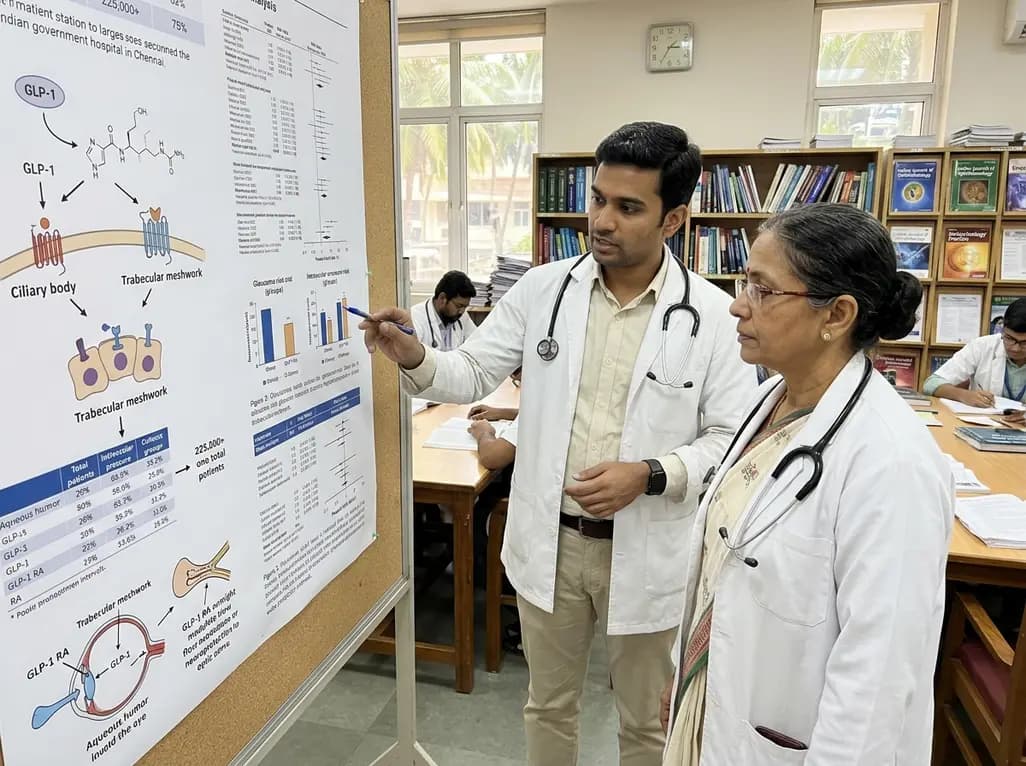
A systematic review and meta-analysis of over 225,000 patients explores whether GLP-1 receptor agonists reduce the risk of glaucoma and ocular hypertension. While pooled data show a 31% lower risk, low certainty and wide prediction intervals urge cautious optimism and further randomized trial evaluation.
Today
