.webp&w=384&q=75)

Loading, please wait...
Loading, please wait...
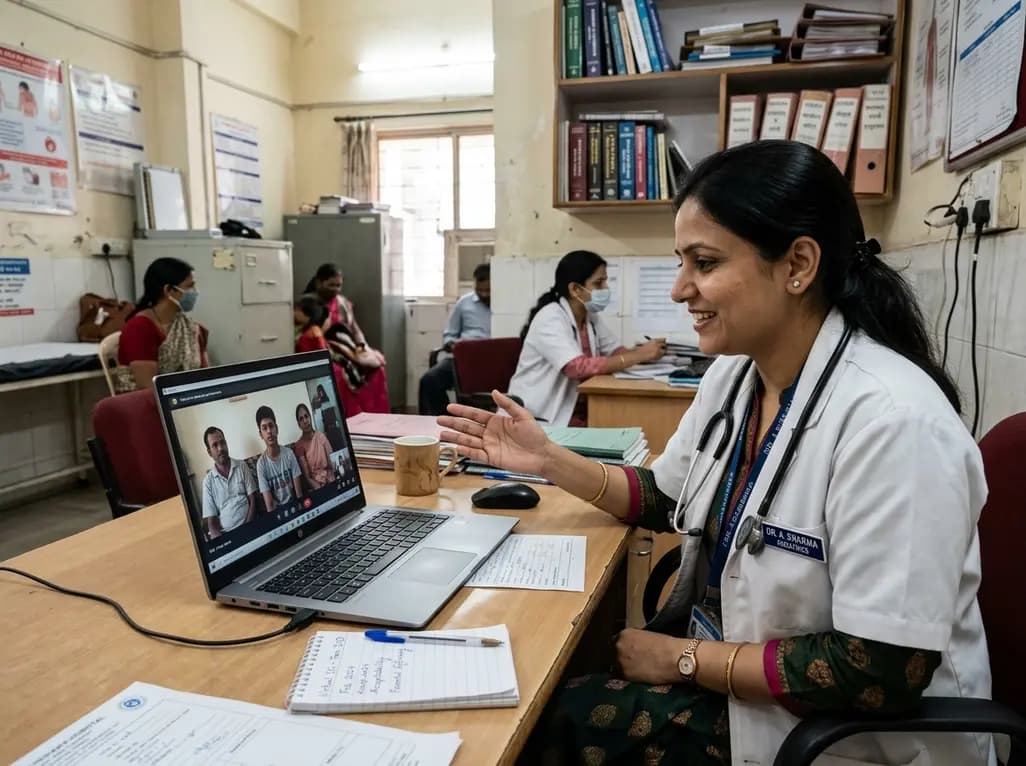
Adolescent substance experimentation represents a critical public health challenge across the globe. Early adolescence, specifically spanning ages 12 to 14 years, represents a pivotal window when neurodevelopmental vulnerability converges with emerging social risks. During this formative period, sporadic experimentation with tobacco, alcohol, or cannabis can swiftly transform into persistent addictive disorders. Unfortunately, conventional healthcare systems struggle to engage young individuals and their families before severe pathology takes root. In this critical phase, a family-based single-session intervention offers an accessible, low-intensity method to interrupt harmful behavioral trajectories. Recent clinical trial data highlight how remote, structured consultations empower families and strengthen domestic protective factors effectively.
Young teenagers who initiate occasional alcohol, tobacco, or cannabis use face a markedly heightened lifetime risk for chronic addictive disorders. Furthermore, a parental or family history of addiction amplifies this vulnerability through both inherited neurobiological susceptibility and adverse environmental stressors. In modern healthcare environments, including fast-urbanizing regions like India, primary care physicians and pediatricians frequently encounter young teens experimenting with psychoactive substances. Unfortunately, conventional outpatient addiction treatments often fail to engage families during these nascent phases. Traditional multi-session family therapies require substantial financial expenditure, significant travel times, and sustained scheduling commitments over several months. Consequently, many vulnerable youths do not receive timely behavioral guidance before hazardous experimentation escalates into severe dependency. In addition, profound social stigma regarding addiction deters parents from seeking specialized psychiatric consultations during early experimentation. Clinicians therefore urgently need novel, brief, and easily accessible intervention frameworks. Early structured guidance must proactively address domestic conflict, inconsistent parental discipline, and youth emotional distress. Ultimately, overcoming these systemic bottlenecks demands redesigning adolescent prevention into rapid, patient-centered interventions that integrate smoothly into everyday family routines. By providing timely and compassionate guidance, healthcare providers can dramatically shift the trajectory of at-risk youth.
To bridge longstanding service delivery gaps, clinical researchers designed an innovative virtual single-session intervention tailored for at-risk youth and their caregivers. This structured therapeutic model translates core principles of behavioral-ecological family therapy into a concentrated, two-hour virtual consultation. During the remote session, a trained family coach meets jointly and individually with the adolescent and parent. Rather than imposing rigid didactic lectures, the coach guides the dyad through an interactive, collaborative assessment. Specifically, the session helps participants pinpoint modifiable family practices that directly protect against substance use escalation. The intervention actively deconstructs hierarchical tension between parents and teens, establishing mutual alignment and psychological safety. Furthermore, the single-encounter framework eliminates recurring transportation burdens and minimizes clinical attrition. By utilizing secure telehealth videoconferencing, clinicians can reach geographically dispersed families directly in their domestic environments. This low-intensity architecture substantially reduces healthcare delivery expenditures while preserving essential therapeutic mechanisms. As a result, families receive immediate, individualized behavioral tools that they can implement within their households that very evening. This approach transforms prevention from an arduous clinical burden into an achievable domestic milestone.
A recent single-arm pilot trial evaluated the feasibility and acceptability of this virtual intervention among nine high-risk parent-teen dyads. Eligible adolescents were between 12 and 14 years of age and reported either occasional substance use or strong familial addiction risk. Overall, the intervention demonstrated outstanding feasibility, achieving an 88.89% completion rate among enrolled families. Moreover, both adolescents and parents reported exceptionally high acceptability scores on the Program Feedback Scale, consistently exceeding predetermined clinical satisfaction thresholds. During the interactive goal-setting exercise, 81.25% of participants independently selected communication and joint problem-solving as their primary target for family change. Importantly, post-intervention evaluations revealed measurable, statistically meaningful gains in parenting self-efficacy among participating caregivers. Parents expressed greater confidence in setting fair behavioral boundaries, monitoring social routines, and maintaining constructive dialogue with their children. In addition, adolescents responded positively to the non-punitive, collaborative structure of the consultation. These preliminary clinical trial findings confirm that brief remote family interventions generate robust engagement. Furthermore, they eliminate logistical barriers and stimulate meaningful behavioral improvements within vulnerable households. Such positive engagement highlights that families welcome concise, actionable guidance during vulnerable transitional years.
Why can a single consultation catalyze meaningful behavioral change in adolescent substance prevention? Evidence suggests that brief interventions succeed because they fundamentally alter interpersonal interaction patterns rather than merely delivering passive health education. Specifically, effective sessions target parent-child communication, emotional validation, and collaborative problem resolution. When parents replace harsh, punitive reactions with structured, empathetic limit-setting, adolescents exhibit substantially less oppositional defiance and clandestine behavior. Furthermore, teaching practical problem-solving strategies equips youth to resist negative peer pressure without escalating domestic arguments. In addition, enhancing parental self-efficacy reduces feelings of helplessness that frequently paralyze caregivers dealing with early adolescent rebellion. By focusing on a single, participant-selected behavioural target, the consultation avoids cognitive overload and promotes actionable domestic commitments. Consequently, parents and teens leave the virtual session with a transparent, mutually negotiated behavioral plan. Clinicians recognize that empowering parents as active protective buffers offers long-lasting preventative advantages. When caregivers feel competent and supported, they establish a secure emotional foundation that buffers teens against dangerous peer influences. Therefore, optimizing parental responsiveness serves as the cornerstone of effective early substance use diversion in youth.
These pilot results hold profound implications for international clinical practice, especially in resource-limited healthcare environments. In countries like India, adolescent substance misuse often goes undetected until severe psychosocial deterioration occurs. Moreover, an acute shortage of child psychiatrists and specialized family therapists creates significant barriers to conventional care. Integrating virtual single-session interventions into primary care, pediatric clinics, and school health programs could bridge this widespread treatment gap. Because the protocol relies on structured coaching modules, non-specialist health workers and community counselors could successfully deliver the intervention after brief training. Furthermore, delivering consultations via telehealth aligns perfectly with digital health frameworks such as India's Tele-MANAS initiative. However, randomized clinical trials with longer follow-up intervals remain necessary to confirm enduring reductions in adolescent drug and alcohol initiation. Pediatricians and primary care physicians should actively screen young teens for early substance use. In addition, they should consider brief, dyadic family consultations as an effective first-line preventive instrument. Adopting scalable, evidence-based digital tools will ensure timely behavioral healthcare for vulnerable youth across diverse socioeconomic backgrounds. Ultimately, widespread implementation of low-intensity interventions can safeguard public health and reduce long-term addiction burdens.
A family-based single-session intervention is a structured, two-hour clinical consultation that convenes an adolescent and their caregiver with a trained coach. Instead of requiring months of therapy, it focuses intensely on identifying modifiable behavioral risks, enhancing parent-child communication, and establishing collaborative problem-solving routines. Furthermore, the format empowers families to choose specific domestic goals, producing immediate behavioral agreements that mitigate early substance experimentation risks effectively.
Young adolescents aged 12 to 14 years showing occasional substance experimentation or possessing a biological family history of substance use disorder benefit most. During this developmental transition, peer influence rises while parental oversight often weakens. Consequently, brief family interventions re-establish healthy parental monitoring, clarify house rules, and strengthen interpersonal bonds. By intervening before chronic dependence develops, clinicians help high-risk youths build essential decision-making and refusal capabilities within their immediate home environment.
Yes, evidence suggests that trained allied healthcare professionals, social workers, and primary care nurses can deliver structured single-session interventions with high fidelity. Because the protocol uses standardized coaching modules and guided motivational dialogue, it does not require extensive psychiatric specialization. Consequently, this model offers outstanding scalability for resource-constrained health systems. Furthermore, task-sharing enables community healthcare clinics and digital health networks to expand substance prevention reach without placing excessive burdens on specialized physicians.
Disclaimer: This content is for informational and educational purposes only and is not intended to serve as medical advice, diagnosis, or treatment. It does not replace clinical judgment or institutional protocols. Healthcare professionals must assess each case individually. Refer to the latest local and national guidelines for clinical practice.
References

Read summarized clinical updates, watch expert medical content, and earn CME certifications right from your smartphone.
Open your smartphone camera to scan and install.





A pilot trial highlights the feasibility and acceptability of a virtual 2-hour family-based single-session intervention for young teens at high risk for substance use disorder, demonstrating high completion rates, improved parenting self-efficacy, and targeted family communication.
Today

A retrospective analysis of over 100,000 voluntary testing visits reveals shifting trends in HIV, syphilis, and HCV seropositivity. The findings highlight the critical role of integrated triple screening, behavioral risk assessment, and rapid linkage to care in modern clinical practice.
Today

A recent qualitative study evaluates institutional gaps across health, police, and justice sectors in supporting survivors of intimate partner violence. Healthcare providers must bridge procedural fragmentation with empathetic, trauma-informed care and cross-sector coordination to safeguard vulnerable patients.
Today

A study evaluates axillary arteriovenous fistula creation for resolving pulmonary arteriovenous malformations after bidirectional cavopulmonary connection. The technique achieved 75% clinical improvement and successfully bridged patients to total cavopulmonary connection.
Today

A cross-sectional study reveals a strong positive correlation between problematic internet use and kinesiophobia in adults aged 18-45 with non-specific low back pain, highlighting how digital overuse reinforces movement fear and complicates musculoskeletal recovery.
Today

A novel microgel platform presenting FasL and protease-resistant CXCL12 enables sustained allogeneic islet survival and glycemic control without systemic immunosuppression, enhancing local Treg recruitment and graft revascularization.
Today
