

Loading, please wait...
Loading, please wait...
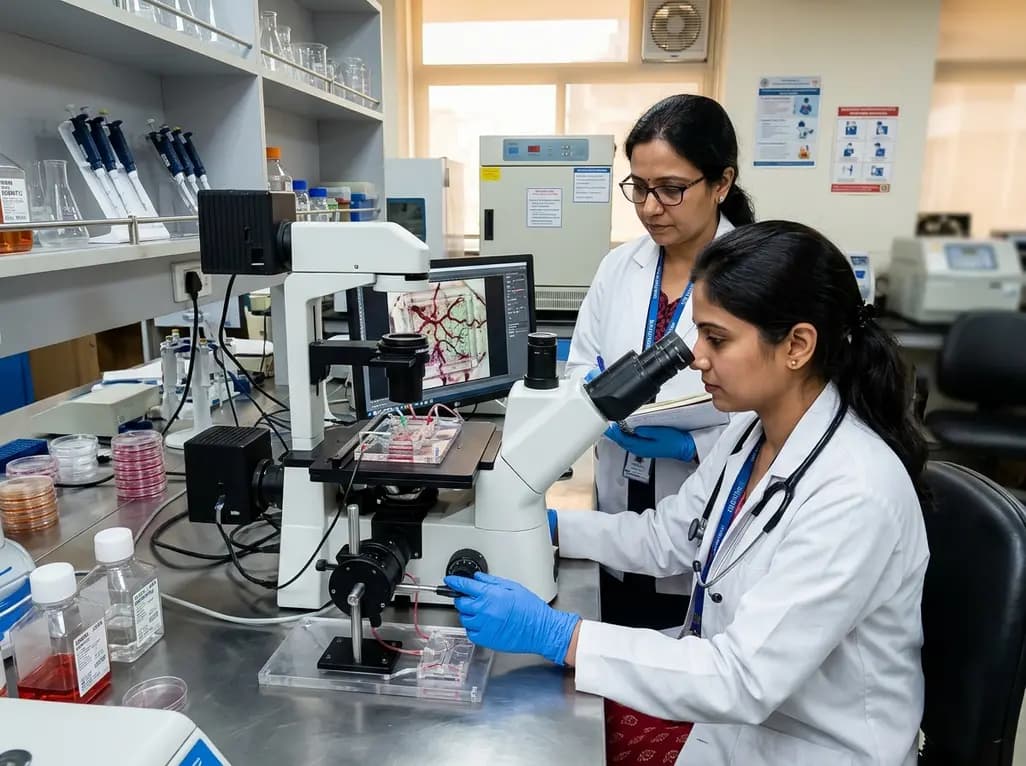
Modern drug discovery requires predictive human in vitro models that replicate complex native tissue architectures. Consequently, vascularized microphysiological systems have emerged as transformative tools for evaluating pharmacokinetics, pharmacodynamics, and toxicological profiles. Traditional cell culture monolayers fail to replicate dynamic hemodynamic forces, cell-matrix interactions, and multicellular tissue boundaries. Similarly, standard animal models present cross-species biological discrepancies, high attrition rates, and significant ethical challenges. Microphysiological systems address these limitations by integrating human cells within perfused microfluidic channels. However, engineering functional microvasculature remains the principal barrier to establishing durable and organotypic tissue constructs. Without perfusable lumens, engineered tissues experience core hypoxia, nutrient depletion, and rapid metabolic decline. Therefore, investigators prioritize vascularization as the primary foundational benchmark during chip fabrication. Furthermore, biomimetic microvessels sustain tissue viability over prolonged culture periods. In addition, they allow researchers to observe intravascular transport, cellular extravasation, and endothelial barrier integrity in real time. Ultimately, as global regulatory agencies validate non-animal approaches, these systems bridge the historical divide between preclinical discovery and human clinical trials.
Researchers employ diverse engineering strategies to fabricate functional lumens inside microfluidic chips. For instance, needle-withdrawing and sacrificial molding techniques generate pre-patterned cylindrical channels within hydrogel matrices. Investigators then seed human endothelial cells into these channels to create uniform, perfusable microvessels with predetermined geometries. In addition, lithographic patterning enables precise control over channel diameters, branching angles, and continuous fluidic shear stress. Nevertheless, these subtractive engineering approaches often struggle to recapitulate the dense capillary networks observed in microvascular beds. In contrast, self-directed angiogenesis and vasculogenesis harness the innate biological capability of endothelial cells to sprout and coalesce autonomously. By establishing chemical gradients of vascular endothelial growth factor alongside interstitial fluid flow, researchers stimulate robust capillary sprouting. However, self-assembled microvessels present greater variability in vessel diameter and orientation. Consequently, biomedical developers balance engineering controllability against biological self-organization. Hybrid platforms combine patterned feeding arterioles with self-assembled capillary beds to unite reproducible perfusion with physiological microvascular complexity.
The extracellular matrix serves as both a structural scaffold and a biochemical conductor for microvascular morphogenesis. Natural hydrogels, such as type I collagen and fibrin, promote robust endothelial attachment, proliferation, and lumen formation. However, these natural polymers exhibit batch variability and undergo rapid cell-mediated enzymatic degradation. Therefore, bioengineers increasingly formulate synthetic hydrogels, including gelatin methacryloyl and functionalized polyethylene glycol. These tunable hydrogels permit precise control over matrix stiffness, degradation kinetics, and biochemical ligand presentation. Furthermore, microvascular stability requires active cellular crosstalk with perivascular mural cells. Endothelial monocultures inevitably display leaky intercellular junctions, abnormal hyperpermeability, and structural regression within days. In contrast, coculturing endothelial cells with pericytes or vascular smooth muscle cells drives basement membrane deposition and tight junction maturation. For instance, perivascular cells secrete angiopoietin-1 and transforming growth factor-beta, stabilizing endothelial tubes and preventing vessel regression. Moreover, incorporating organ-specific mural cells reinforces tissue identity across diverse microenvironments, including the blood-brain barrier.
Translational adoption requires bioengineers to reconcile biological fidelity with operational scalability and reproducibility. Academic prototypes often utilize polydimethylsiloxane, a gas-permeable polymer that supports rapid soft lithography. However, polydimethylsiloxane absorbs hydrophobic small-molecule pharmaceuticals, skewing pharmacodynamic readouts and limiting translational utility. Consequently, commercial microphysiological platforms transition toward cyclic olefin polymers, glass, and injection-molded thermoplastics. These inert materials prevent drug sorption while supporting standardized high-throughput screening workflows. Furthermore, commercialization necessitates automated fluid handling, standardized sensor integration, and reliable microplate footprints. Complex perfusion systems with external peristaltic pumps offer dynamic shear stress but introduce operational hurdles and contamination risks. In response, high-throughput systems often employ pumpless gravity-driven flow or rocker platforms to maintain continuous perfusion without mechanical tubing. Therefore, drug developers frequently accept simplified vascular architectures to gain batch reproducibility and multi-well compatibility. Ultimately, these streamlined systems preserve sufficient barrier integrity and transport kinetics to evaluate target candidates reliably across pharmaceutical pipelines.
The translational value of microphysiological systems aligns directly with shifting regulatory frameworks worldwide and in India. Historically, regulatory bodies required extensive preclinical animal testing prior to human clinical trials. However, the Indian Government recognized the limitations of animal models through the New Drugs and Clinical Trials Rules amendment in 2023. Specifically, this amendment authorizes Indian researchers and pharmaceutical developers to utilize non-animal approach methodologies for drug safety and efficacy evaluation. These approved modalities include human cell-based assays, microphysiological systems, and organ-on-a-chip platforms. Consequently, Indian contract research organizations and academic centres are actively investing in organotypic vascular models to accelerate drug development. For clinicians and pharmacologists in India, these systems offer unprecedented insights into patient-specific drug responses, nephrotoxicity, hepatotoxicity, and cardiotoxicity. Moreover, integrating patient-derived induced pluripotent stem cells enables researchers to model genetic disease variations prevalent in South Asian populations. As standard operating procedures mature, Indian regulatory acceptance will increasingly rely on reproducible vascular endpoints.
Emerging spatial multi-omics technologies are redefining how researchers evaluate vascular identity and maturity inside microfluidic chips. Single-cell RNA sequencing and spatial transcriptomics reveal whether in vitro endothelial cells truly express organ-specific molecular signatures. For instance, brain microvascular endothelial cells must upregulate claudin-5 and specific nutrient transporters to replicate blood-brain barrier selectivity. In addition, single-cell proteomics uncovers dynamic signalling pathways triggered by hemodynamic shear stress and localized inflammation. Consequently, multi-omics benchmarking provides an objective molecular scorecard, replacing crude visual inspection with rigorous transcriptomic validation. Furthermore, digital twins and computational fluid dynamics now simulate oxygen gradients and drug diffusion alongside physical chips. Therefore, clinicians and translational researchers can cross-validate experimental observations with predictive mathematical models. Subsequently, vascularized microphysiological models will incorporate autologous immune cells and microbiome metabolites to capture systemic physiology. Ultimately, these advancements position microphysiological platforms at the forefront of personalized precision medicine and human-first pharmacology.
Functional vasculature delivers continuous oxygen and essential nutrients throughout three-dimensional tissue constructs, preventing core ischemia and cellular necrosis. Furthermore, endothelial barriers regulate interstitial fluid balance, molecular transport, and metabolic waste clearance. Without perfusable microvessels, engineered tissues cannot sustain long-term physiological homeostasis or model systemic drug distribution. In addition, functional vascular channels facilitate immune cell recruitment and mechanical shear stress, establishing biologically accurate microenvironments necessary for predictive preclinical drug screening and translational safety evaluations.
The Indian Government amended the New Drugs and Clinical Trials Rules in 2023 to officially authorize non-animal alternative methodologies for drug testing. Consequently, biomedical researchers and pharmaceutical sponsors can submit efficacy and toxicity data generated from human-relevant cell assays, organ-on-a-chip devices, and microphysiological systems. This forward-looking regulatory shift reduces reliance on animal experimentation, shortens preclinical drug development timelines, and ensures safer translation of experimental therapeutic compounds into human clinical trials across Indian healthcare institutions.
Perivascular cells, specifically pericytes and smooth muscle cells, provide mechanical stability and biochemical cues essential for capillary maturation. In coculture models, mural cells deposit extracellular matrix proteins, tighten endothelial cell-cell junctions, and suppress excessive vascular permeability. Furthermore, their paracrine signaling prevents premature microvessel regression and induces physiological responsiveness to vasoactive stimuli. Consequently, incorporating perivascular cells ensures that engineered microvessels achieve realistic barrier function, mimicking native human capillaries during pharmacokinetic profiling and vascular safety assessments.
Disclaimer: This content is for informational and educational purposes only... Refer to the latest local and national guidelines for clinical practice.
References
Salvadori A et al. A practical guide to vascularized microphysiological systems. Trends Biotechnol. 2026 Nov 10. doi: undefined. PMID: 43009410.
Ministry of Health and Family Welfare. New Drugs and Clinical Trials (Amendment) Rules, 2023. Gazette of India; 2023.
Reyes-Hernandez D, Esch M, Ewart L, et al. From animal testing to in vitro systems: advancing standardization in microphysiological systems. Lab Chip. 2024;24(5):1128-1140.

Read summarized clinical updates, watch expert medical content, and earn CME certifications right from your smartphone.
Open your smartphone camera to scan and install.





A practical guide to vascularized microphysiological systems outlines critical engineering strategies, matrix properties, and perivascular cocultures. These advanced platforms accelerate human-relevant drug screening while aligning with global and Indian regulatory shifts toward non-animal preclinical testing.
Today

A large retrospective cohort study demonstrates that explainable machine learning models, notably XGBoost, accurately predict hospital admission at emergency triage. By analyzing routine triage parameters, hospitals can streamline bed allocation, decrease boarding times, and alleviate acute care overcrowding.
Today
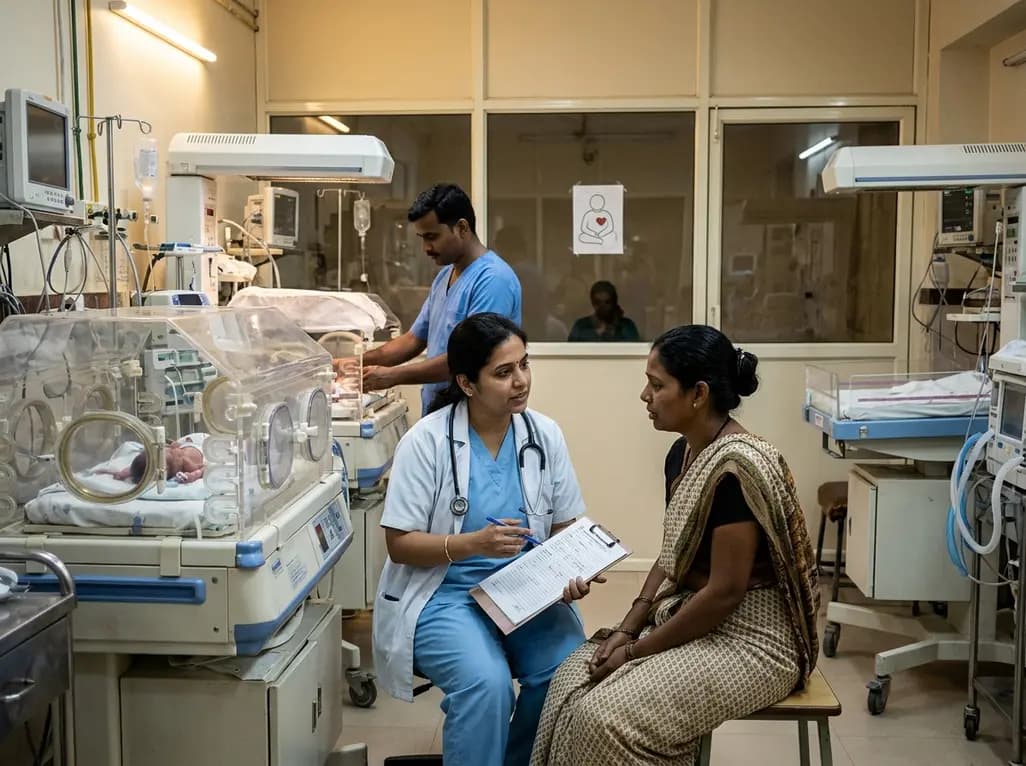
A new quality-improvement initiative reveals that universal maternal mental health screening in the NICU increased screening rates from 29.5% to 95.0%, with nearly 60% of screened mothers requiring psychosocial referrals, highlighting the urgent need for embedded mental health resources.
Today
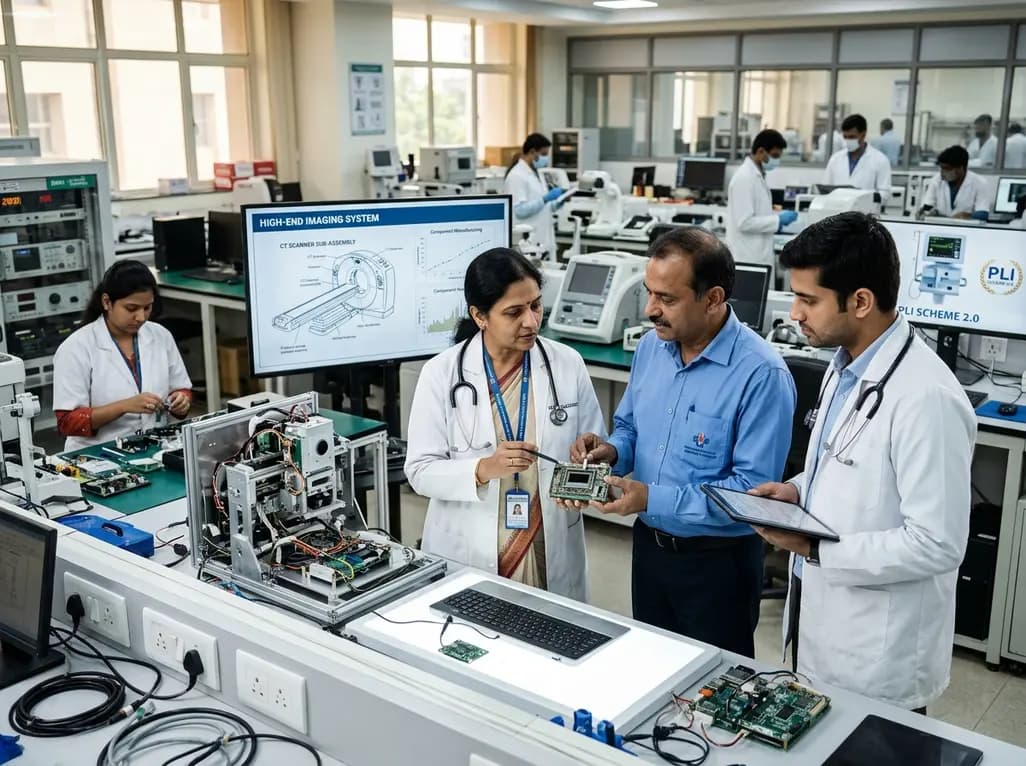
The Department of Pharmaceuticals has extended the medical devices PLI scheme to 2035-36 with a Rs 2,700 crore outlay. Featuring relaxed investment barriers and eliminated sales thresholds, the revised framework targets deep manufacturing, high-end diagnostics, critical MedTech components, and supply resilience.
Today
A metabolomic study reveals that aging delays glutathione synthesis and gamma-glutamylcysteine accumulation following muscle injury. Although precursor supplementation targets this enzymatic bottleneck, in vitro tests show no immediate effect on myogenesis, highlighting the complexity of muscle repair in older adults.
Today

A systematic review evaluates psychological interventions for smoking cessation in diabetes, showing short-term success but highlighting challenges in long-term abstinence.
Today
