.webp&w=384&q=75)

Loading, please wait...
Loading, please wait...

Messenger RNA (mRNA) combination vaccines for seasonal influenza and COVID-19 are currently in advanced clinical development. These mRNA combination vaccines aim to simplify immunization by targeting two major respiratory threats with a single dose. Consequently, healthcare payers and providers must understand how to measure the total value of these products beyond simple cost-effectiveness. A new study recently introduced a comprehensive taxonomy to capture this value from a broad societal perspective.
The taxonomy distinguishes between narrow health-related values and broader societal benefits. Furthermore, it highlights novel values like improved strain selection, which significantly raises vaccine efficacy. Additionally, the study found that combined shots improve compliance with vaccine schedules. This increased uptake translates to reduced treatment costs and better health for both patients and caregivers. Moreover, reducing the total number of injections required lowers adverse event rates and clinical anxiety.
Traditional valuation frameworks often focus only on direct medical savings. However, the new taxonomy suggests that mRNA combination vaccines provide significant process utilities and increase health equity. By reducing logistical hurdles, these vaccines can reach vulnerable populations more effectively. In addition, the framework accounts for productivity gains and research spillovers. Therefore, national recommendation bodies should adopt this holistic approach when evaluating future vaccine funding and coverage decisions.
These vaccines combine protection against influenza and COVID-19 into one shot, enhancing patient convenience and improving adherence to immunization schedules.
It provides a robust framework to assess both traditional health outcomes and broader societal values, such as workplace productivity and healthcare equity, ensuring better value-for-money assessments.
The mRNA platform allows for more rapid and accurate matching to circulating virus strains. This improved selection increases the overall efficacy of the vaccine, leading to better clinical outcomes during respiratory seasons.
Disclaimer: This content is for informational and educational purposes only. It does not constitute medical advice or a professional endorsement. Always seek the advice of a qualified healthcare provider regarding any medical condition. Refer to the latest local and national guidelines for clinical practice.
References

Read summarized clinical updates, watch expert medical content, and earn CME certifications right from your smartphone.
Open your smartphone camera to scan and install.





Researchers have developed a new taxonomy to assess the full societal and health-related value of mRNA combination vaccines for influenza and COVID-19....
7 months ago

Following regulatory scrutiny from FSSAI regarding promotional representations and lean muscle preservation claims, Dr. Reddy's Laboratories and Nestlé Health Science are currently reviewing the branding and marketing strategy for their joint nutritional supplement Celevida GLP+.
Today
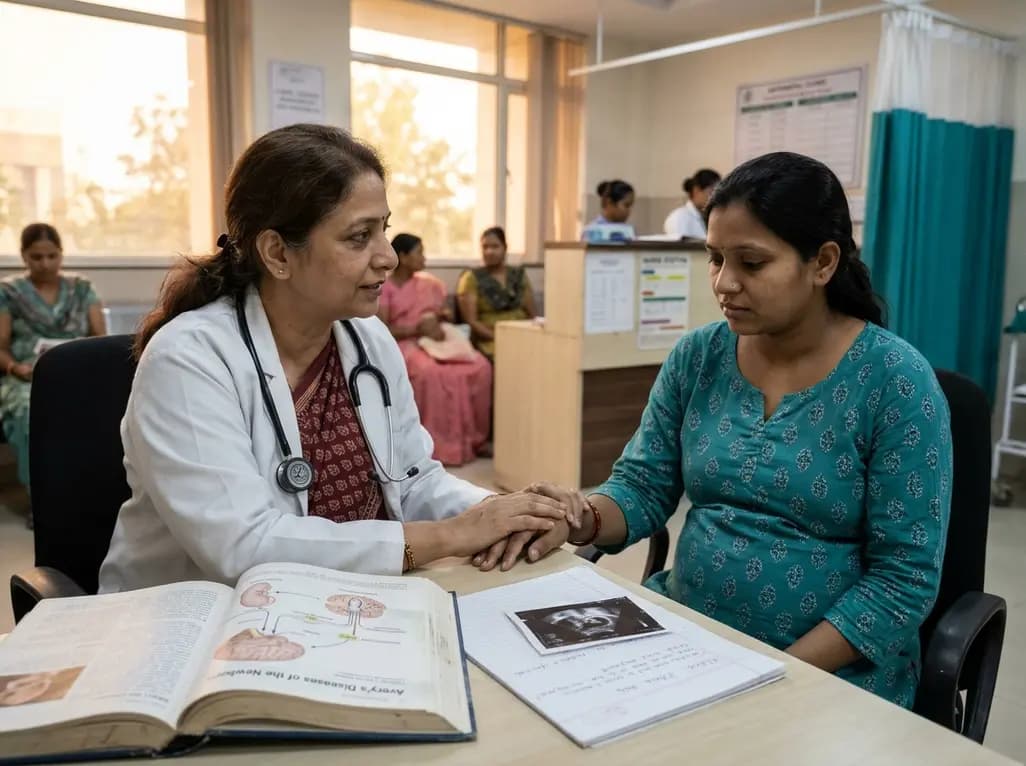
A comprehensive scoping review synthesises evidence linking prenatal maternal mental health to long-term offspring neurodevelopment, evaluating neuroendocrine, inflammatory, and epigenetic pathways while highlighting clinical screening and future research priorities.
Today

The Directorate General of Health Services directs Indian states to halt the hazardous reuse and reprocessing of single-use medical devices. Discover regulatory implications under the Drugs and Cosmetics Act, critical infection risks, legal liabilities, and operational changes required across clinical specialties.
Today
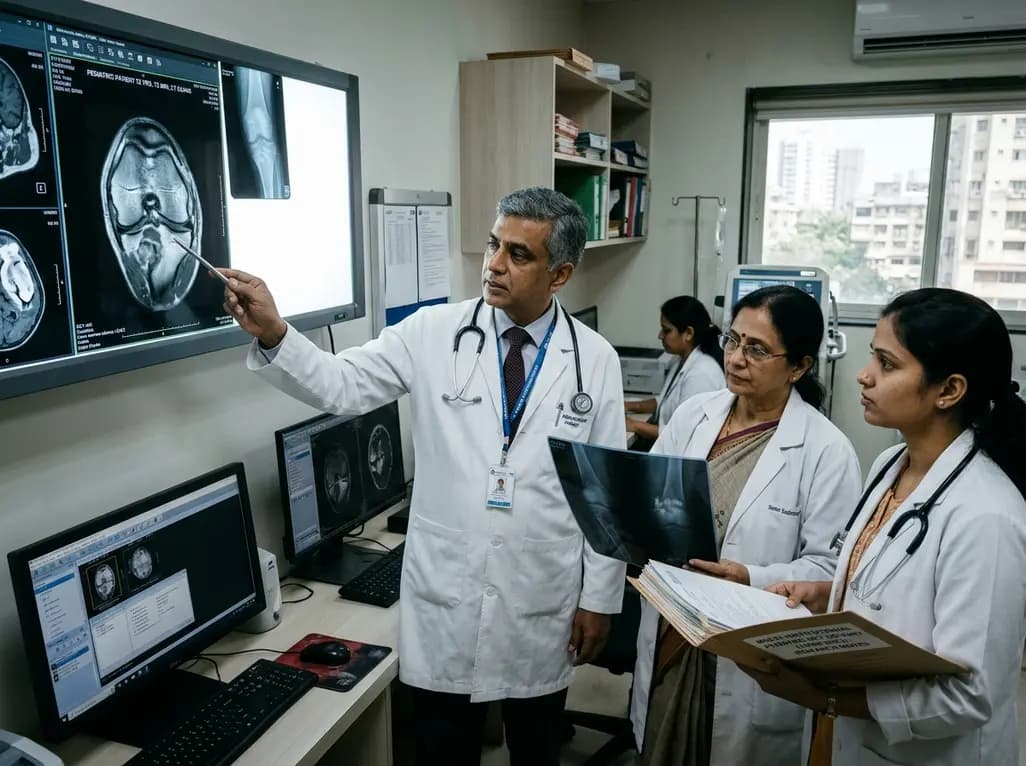
A 25-year multi-institutional cohort reveals high recurrence rates in pediatric giant cell tumor of bone, particularly in patients with open physes and bone marrow edema on preoperative MRI. Early surveillance and careful balance between growth plate preservation and tumor clearance are essential.
Today

India is advancing preventive healthcare by integrating genomics, artificial intelligence, and quantum technologies. With the SANGAM programme sequencing one million Indian genomes, clinicians can unlock personalized therapies, detect cardiometabolic risks early, and curb the burden of diabetes and heart disease.
Today
