

Loading, please wait...
Loading, please wait...
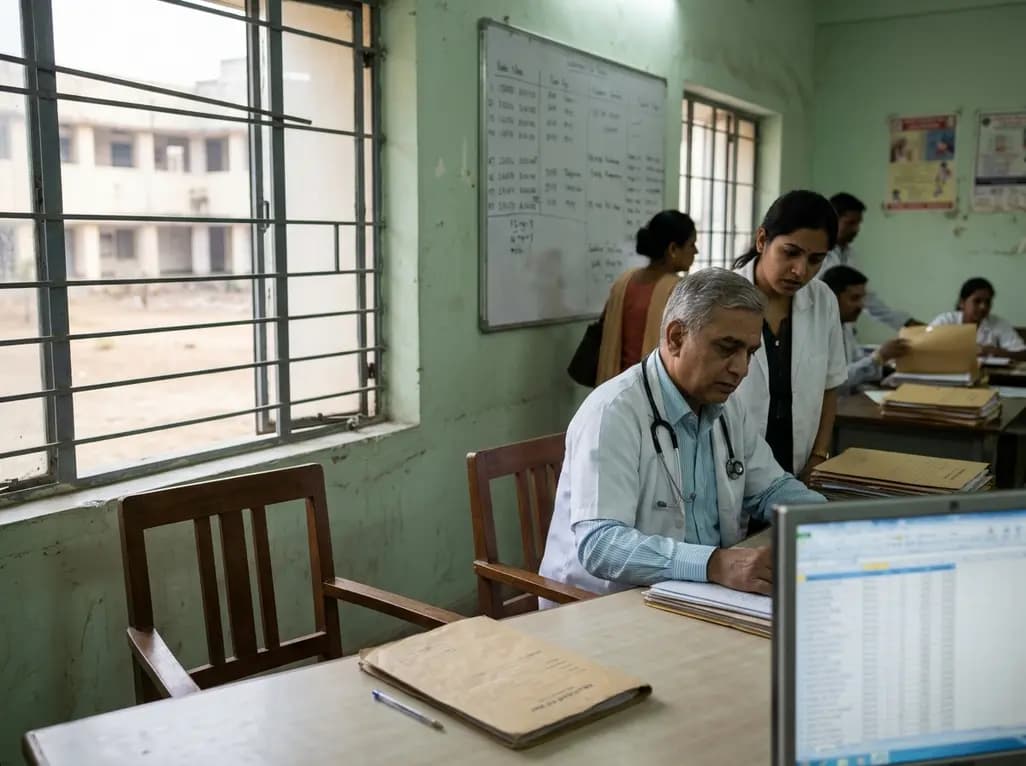
Medical education in India has reached a critical juncture as hundreds of undergraduate seats remain unclaimed after extensive admission procedures. Specifically, as many as 411 vacant MBBS seats remained unallotted even after the Medical Counselling Committee concluded its special stray vacancy round. Consequently, the persistence of empty lecture halls across several private institutions has raised serious questions among educators and policymakers. Although thousands of aspirants compete intensely in national qualifying examinations, steep fee structures often prevent qualified students from accepting admissions.
The Medical Counselling Committee administered a special stray vacancy round to fill remaining vacancies across various states. Initially, the counselling authorities included 948 vacant MBBS seats in the seat matrix for this supplementary round. However, the allotment results revealed that candidates accepted only 537 of those positions. Therefore, 411 seats stayed completely unoccupied at the conclusion of the counselling process.
Furthermore, this outcome contrasts sharply with the admissions data recorded during the previous academic session. During that cycle, health ministry officials noted that merely 60 to 70 undergraduate positions remained without takers nationwide. The Supreme Court of India had earlier directed the committee to conduct four structured rounds of counselling. Nevertheless, administrative bodies organized a fifth round to accommodate aspiring doctors and optimize institutional capacity. Despite these extraordinary administrative interventions, an unprecedented number of medical seats still could not find eligible takers.
Escalating educational expenditures in private medical institutions represent the most formidable barrier for qualified candidates. For instance, annual tuition fees in several institutions have surged from 15 lakh rupees to nearly 30 lakh rupees. Consequently, completing the entire four-and-a-half-year academic curriculum demands financial commitments exceeding one crore rupees when including hostel and utility charges. Therefore, middle-class families often find these costs prohibitive, even when students achieve qualifying scores in national tests.
Meanwhile, government medical colleges and highly reputed private institutes experienced swift and total seat utilization. In contrast, seat vacancies remain heavily concentrated within select newly established or expensive deemed universities. Notably, regions such as Tamil Nadu and Puducherry accounted for a substantial proportion of these unallotted positions. High tuition brackets deter qualified applicants who worry about long-term debt and delayed economic returns. Thus, market dynamics clearly reveal that student demand drops sharply once fees surpass realistic household budgets.
Health ministry authorities have expressed significant concern regarding the growing disparity between seat creation and actual student enrollment. Officials emphasized that merely increasing undergraduate capacity yields negligible benefits if students cannot afford the attendant tuition. Consequently, regulatory bodies are urging private colleges to conduct transparent reviews of their financial models. Furthermore, colleges must align their fee structures with the pedagogical quality and clinical infrastructure they actually provide.
In addition, medical colleges cannot rely solely on commercial pricing strategies without improving clinical training standards. Aspiring clinicians thoroughly evaluate patient footfall, faculty availability, and hospital bed occupancy before committing substantial financial resources. Therefore, institutions with questionable clinical exposure face low preference ranks during centralized choice-filling procedures. Ultimately, regulatory authorities may need to establish stricter affordability benchmarks to ensure equitable seat allocation across all demographic sectors.
Leaving hundreds of medical seats unproductive carries profound consequences for the Indian public healthcare system. India continues to battle significant doctor-to-population imbalances, particularly in underserved rural and peri-urban geographies. Therefore, an unallotted seat translates into an immediate loss of future clinical workforce capacity. Moreover, these vacancies create frustration among aspirants who narrowly missed subsidized seats but cannot finance private tuition.
Consequently, academic leaders suggest implementing tiered fee structures or expanding institutional bank financing programs. State governments could also explore public-private partnership models that subsidize seats in exchange for rural service bonds. Similarly, transparent fee caps across deemed universities could prevent artificial inflation of educational costs. Without prompt structural interventions, the parallel challenges of seat inflation and student under-enrollment will persist across subsequent admission cycles.
Candidates navigating medical entrance counselling must exercise meticulous strategic planning during choice filling. First, aspirants should thoroughly analyze the comprehensive fee structures published by designated institutions before locking preferences. Hidden expenses, such as mandatory hostel fees and examination charges, often alter total expenditures substantially. Furthermore, students must assess whether high loan burdens align with early-career compensation in medicine.
Additionally, candidates should evaluate the clinical training quality, patient volume, and residency matching record of target colleges. Securing a seat at an exorbitant cost with inadequate bedside experience can severely restrict future specialization opportunities. Alternatively, students frequently choose to prepare again or explore allied health sciences instead of incurring unsustainable family debt. Thus, prudent decision-making requires balancing professional aspirations against realistic financial boundaries.
Q1: How many MBBS seats remained unallotted after the special stray vacancy round?
According to official counselling data, 411 MBBS seats remained unfilled after the special stray vacancy round concluded. Although the seat matrix initially listed 948 available positions, candidates accepted allotments for only 537 seats across participating medical institutions.
Q2: Why do MBBS seats remain vacant despite high competition in NEET?
Exorbitant tuition fees at private medical colleges and deemed universities remain the primary deterrent for qualifying students. Annual fees often range between 25 lakh and 30 lakh rupees, making the entire course financially unfeasible for many families despite successful entrance performance.
Q3: Which institutions accounted for the highest number of unfilled seats?
The vast majority of unallotted seats were concentrated in private colleges and deemed universities, particularly across Tamil Nadu and Puducherry. In contrast, seats in government medical colleges and premier private institutions were completely filled during earlier counselling phases.
Disclaimer: This content is for informational and educational purposes only. It does not constitute medical advice or replace professional judgment. Refer to the latest local and national guidelines for clinical practice.
References

Read summarized clinical updates, watch expert medical content, and earn CME certifications right from your smartphone.
Open your smartphone camera to scan and install.





Despite a special stray vacancy round conducted by the Medical Counselling Committee, more than 400 undergraduate medical seats remain unallotted across India. Soaring tuition fees at private and deemed universities continue to deter eligible candidates, triggering calls for systemic fee regulation.
Today

A large retrospective cohort study demonstrates that explainable machine learning models, notably XGBoost, accurately predict hospital admission at emergency triage. By analyzing routine triage parameters, hospitals can streamline bed allocation, decrease boarding times, and alleviate acute care overcrowding.
Today
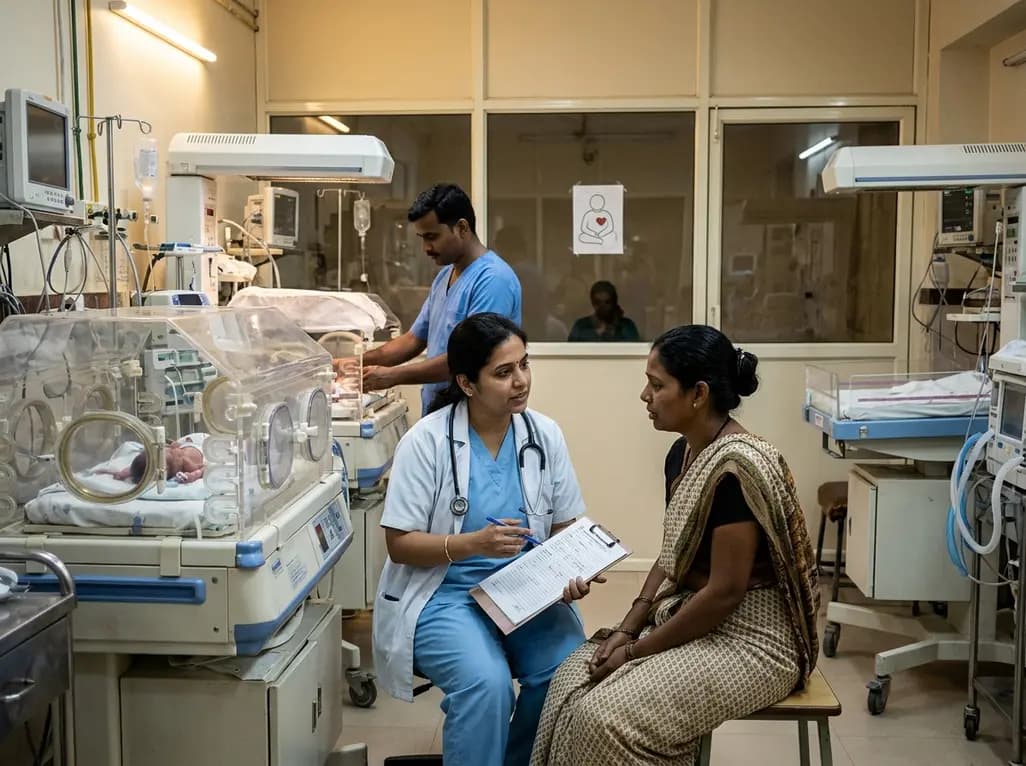
A new quality-improvement initiative reveals that universal maternal mental health screening in the NICU increased screening rates from 29.5% to 95.0%, with nearly 60% of screened mothers requiring psychosocial referrals, highlighting the urgent need for embedded mental health resources.
Today
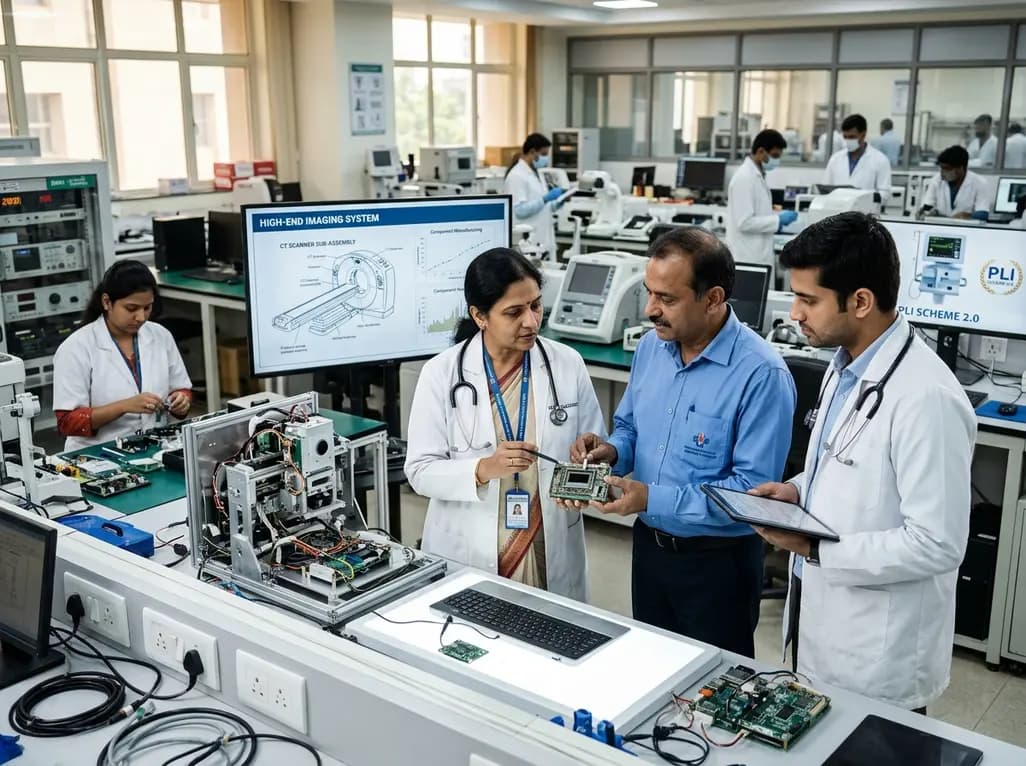
The Department of Pharmaceuticals has extended the medical devices PLI scheme to 2035-36 with a Rs 2,700 crore outlay. Featuring relaxed investment barriers and eliminated sales thresholds, the revised framework targets deep manufacturing, high-end diagnostics, critical MedTech components, and supply resilience.
Today
A metabolomic study reveals that aging delays glutathione synthesis and gamma-glutamylcysteine accumulation following muscle injury. Although precursor supplementation targets this enzymatic bottleneck, in vitro tests show no immediate effect on myogenesis, highlighting the complexity of muscle repair in older adults.
Today
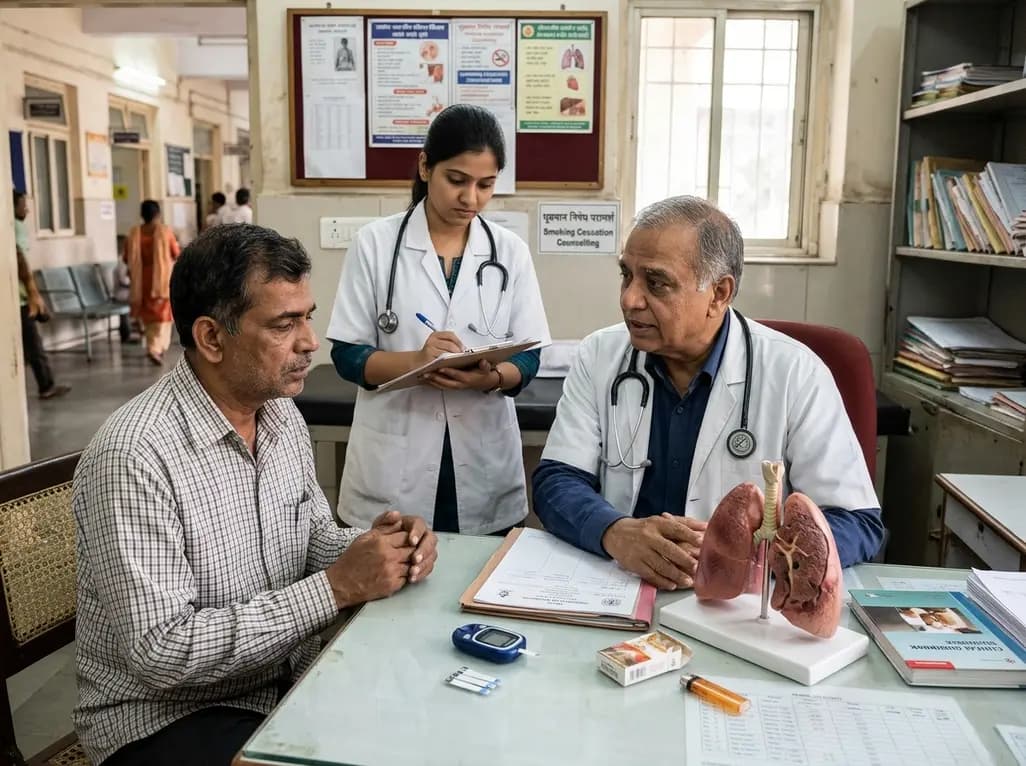
A systematic review evaluates psychological interventions for smoking cessation in diabetes, showing short-term success but highlighting challenges in long-term abstinence.
Today
