.webp&w=384&q=75)

Loading, please wait...
Loading, please wait...

For decades, clinicians have advised patients with bladder storage symptoms to limit their coffee and tea consumption. However, recent evidence suggests that the relationship between caffeine and bladder health is far more complex than previously thought. A large cross-sectional study using National Health and Nutrition Examination Survey (NHANES) data from 2009 to 2014 investigated how urinary caffeine metabolites OAB markers correlate with the prevalence of wet overactive bladder in the American population. Surprisingly, the researchers found no direct link between the amount of caffeine a person eats or drinks and their risk of developing wet OAB.
Instead, the study highlighted the significance of metabolic biomarkers. Specifically, the researchers analyzed 14 different caffeine metabolites in the urine of over 3,000 participants. While dietary intake appeared neutral, the presence of specific metabolites in the urine showed a significant negative association with the condition. This suggests that how an individual metabolizes caffeine might be a better predictor of bladder health than total consumption alone.
The study utilized weighted multivariate logistic regression and restricted cubic spline analyses to examine the data. Notably, higher levels of five specific compounds were linearly related to a decreased risk of wet OAB. These included 1,7-dimethyluric acid, 1,3,7-trimethyluric acid, paraxanthine, theobromine, and caffeine itself when measured in the urine. For instance, paraxanthine and theobromine levels showed a protective effect, with odds ratios indicating a slight but consistent reduction in risk as concentrations increased. Furthermore, subgroup analyses confirmed these negative associations across various demographic groups.
Therefore, the metabolic pathways that convert caffeine into these specific byproducts may play a protective role. The researchers suggested that the transition from caffeine to 1,3,7-trimethyluric acid and theobromine pathways might lower the risk of wet OAB. Consequently, the findings challenge the conventional wisdom that caffeine consistently irritates the bladder. Instead, efficient metabolism and excretion of these substances might actually correlate with better bladder control. However, further prospective studies are necessary to determine the exact biological mechanisms behind these metabolic effects.
These findings offer a fresh perspective for urologists and general practitioners when managing patients with overactive bladder. Rather than a blanket restriction on all caffeinated beverages, a more nuanced approach may be appropriate. Physicians should recognize that individual metabolic differences could influence symptom severity. In the future, measuring urinary caffeine metabolites OAB markers could potentially assist in personalizing dietary recommendations for patients suffering from urinary urgency and incontinence.
According to the NHANES 2009-2014 data, there is no direct significant association between dietary caffeine intake and the prevalence of wet overactive bladder in the general population.
Higher urinary levels of paraxanthine, theobromine, 1,7-dimethyluric acid, 1,3,7-trimethyluric acid, and caffeine are significantly associated with a decreased risk of wet OAB.
Caffeine metabolism varies between individuals. The study suggests that specific metabolic pathways, such as those converting caffeine to theobromine, might be related to a reduced risk of bladder storage symptoms, possibly due to how these metabolites interact with the urinary tract.
Disclaimer: This content is for informational and educational purposes only and does not constitute medical advice or a professional relationship. Always seek the advice of a physician or other qualified health provider with any questions regarding a medical condition. Refer to the latest local and national guidelines for clinical practice.
References
1. Ji J et al. The Relationship Between Urinary Caffeine With Caffeine Metabolites and Wet Overactive Bladder: A Cross-Sectional Study From NHANES 2009-2014 Data. Neurourol Urodyn. 2026 Feb 09. doi: 10.1002/nau.70232. PMID: 41657278.
2. Tang F, Zhang J, Huang R, et al. The association between wet overactive bladder and consumption of tea, coffee, and caffeine: Results from 2005–2018 NHANES. Clin Nutr. 2024;43(6):1447-1454.
3. Rybak ME, Sternberg MR, Pao CI, et al. Urine excretion of caffeine and select caffeine metabolites is common in the US population and associated with caffeine intake. J Nutr. 2015;145(4):766-774.

Read summarized clinical updates, watch expert medical content, and earn CME certifications right from your smartphone.
Open your smartphone camera to scan and install.





A cross-sectional study reveals that specific urinary caffeine metabolites, but not dietary intake, are associated with a lower risk of wet overactive bladd...
7 months ago

A large NHANES cohort study reveals that higher Healthy Eating Index scores significantly reduce all-cause mortality risk in CKD patients by 45%. This analysis highlights the importance of comprehensive diet quality and medical nutrition therapy in renal care to optimize long-term clinical survival.
Today

Explore real-world data showing how private oncogenetics and molecular tumor boards achieve 3-week consult turnaround, high ctDNA actionability, and vital germline variant detection, enhancing individualized cancer care and familial risk assessment.
Today

A meta-analysis of 13 propensity score-matched studies shows ViV-TAVR delivers lower early mortality and reduced bleeding compared to redo-SAVR for degenerated bioprosthetic aortic valves, though long-term hemodynamics warrant careful anatomical and patient-centered evaluation.
Today
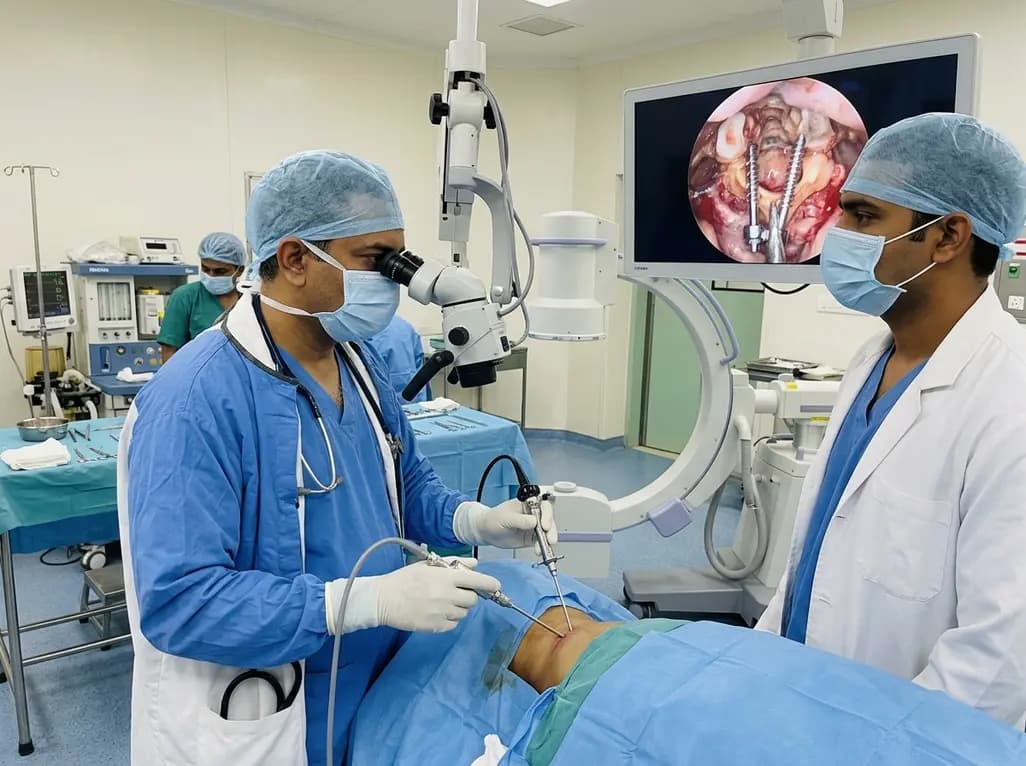
Endoscopic posterior cervical fusion combines minimally invasive decompression, joint preparation, and rigid screw-rod fixation for atlantoaxial pathologies. Early clinical findings demonstrate solid bony union, excellent symptom relief, and minimal soft-tissue morbidity without significant vascular compromise.
Today
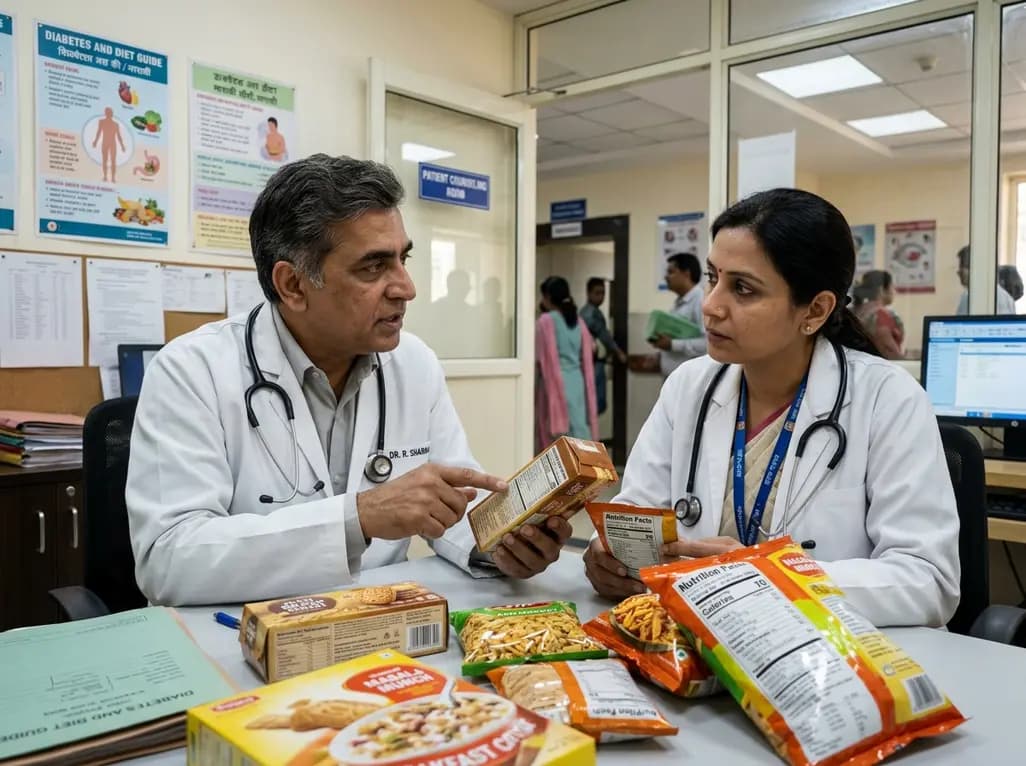
The All-India Food Processors' Association has approached the Supreme Court to oppose FSSAI's proposed per-100g benchmark for front-of-pack warning labels, advocating instead for a per-serving threshold. We explore the regulatory showdown, nutritional evidence, and implications for clinical lifestyle counseling.
Today
