.webp&w=384&q=75)

Loading, please wait...
Loading, please wait...

Finance Minister Nirmala Sitharaman recently emphasized that achieving Universal Health Insurance India remains a top government priority. During a Rajya Sabha session, she projected that the nation would achieve total insurance coverage for all citizens by 2033. This ambitious goal relies on the rapid expansion of the insurance sector. Notably, the industry already covers 58 crore lives as of the 2024-25 fiscal year. The government remains optimistic about bridging the existing penetration gap through systematic policy interventions.
The government is actively addressing the penetration gap through targeted reforms and affordability measures. Currently, the per capita premium in India stands at approximately USD 97. This figure remains significantly lower than the global average of USD 943. Consequently, the Insurance Regulatory and Development Authority of India (IRDAI) notified new rules in 2024 to enhance rural reach. These regulations specifically treat the gram panchayat as the basic unit for measuring insurance coverage. Furthermore, a Bill introduced in late 2025 seeks to increase FDI limits to deepen market penetration across the country.
Strong regulatory oversight is essential for maintaining a resilient healthcare ecosystem. Sitharaman noted that the health insurance market scaled to Rs 1,17,505 crore in 2024-25. However, this growth requires strict adherence to ethical selling practices and transparency. Specifically, the IRDAI has imposed significant fines on various private insurers for misleading claims and unfair business practices. For instance, penalties of Rs 1-2 crore were recently levied against major players like Reliance General and HDFC Life. These enforcement actions ensure that insurance companies do not misuse their dominant market positions to the detriment of consumers.
The Ayushman Bharat Pradhan Mantri Jan Arogya Yojana (AB-PMJAY) serves as a cornerstone for inclusive healthcare in India. It currently provides a cover of Rs 5 lakh per family for the bottom 40% of the population. In October 2024, the government expanded this scheme to include 6 crore senior citizens aged 70 and above, regardless of income. Additionally, the PM Jeevan Jyoti Bima Yojana (PMJJBY) offers affordable life protection for a nominal annual premium of Rs 436. As of early 2026, authorities have created over 43 crore Ayushman cards nationwide. Such initiatives represent major strides toward comprehensive social security.
Q1: What is the government\'s timeline for universal health insurance in India?
The government expects to achieve universal health insurance coverage for all citizens by the year 2033, as stated by Finance Minister Nirmala Sitharaman.
Q2: How does the IRDAI handle wrongdoings by insurance companies?
The IRDAI systematically regulates all insurers and imposes heavy fines, often ranging from Rs 1 crore to Rs 2 crore, for violations such as misleading claims or unfair practices.
Q3: Which demographic recently gained coverage under AB-PMJAY?
In October 2024, the government expanded AB-PMJAY to cover all senior citizens aged 70 years and above, irrespective of their socio-economic status.
Disclaimer: This content is for informational and educational purposes only. It does not constitute medical advice or replace professional judgment. Refer to the latest local and national guidelines for clinical practice.
References

Read summarized clinical updates, watch expert medical content, and earn CME certifications right from your smartphone.
Open your smartphone camera to scan and install.





Finance Minister Nirmala Sitharaman envisions universal health insurance for India by 2033, leveraging AB-PMJAY expansion and regulatory reforms for the sec...
5 months ago
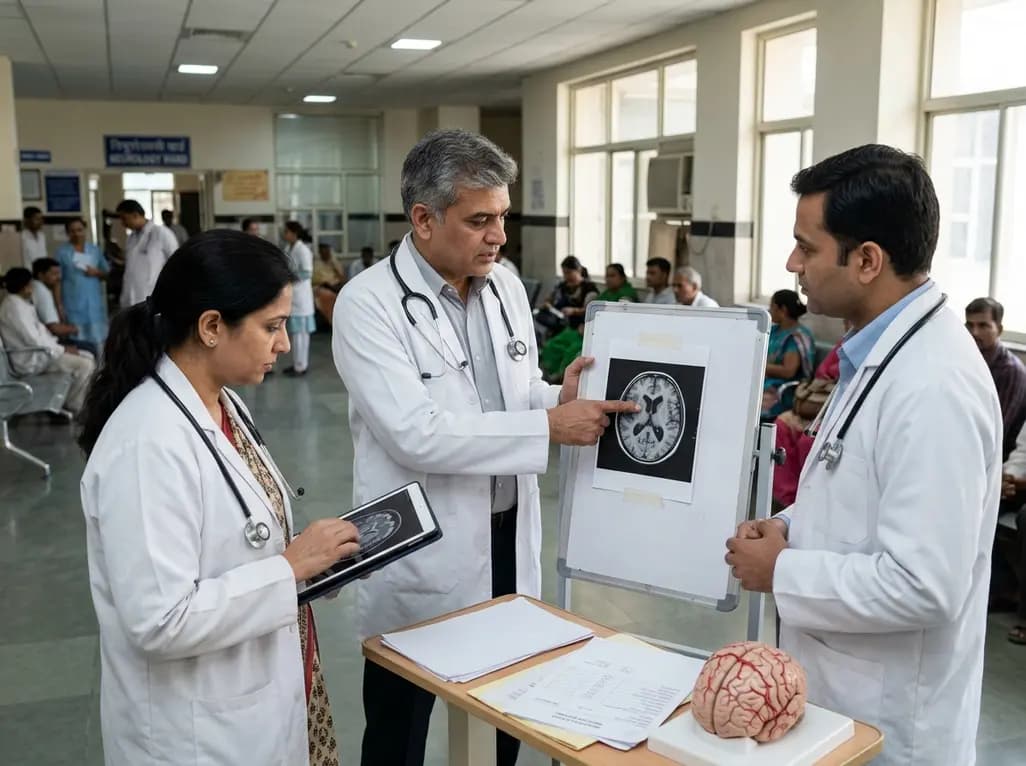
A new study reveals that lipid-related metabolic dysregulation, marked by elevated TG/HDL-C ratio and glymphatic changes, independently impacts survival in idiopathic normal pressure hydrocephalus.
Today
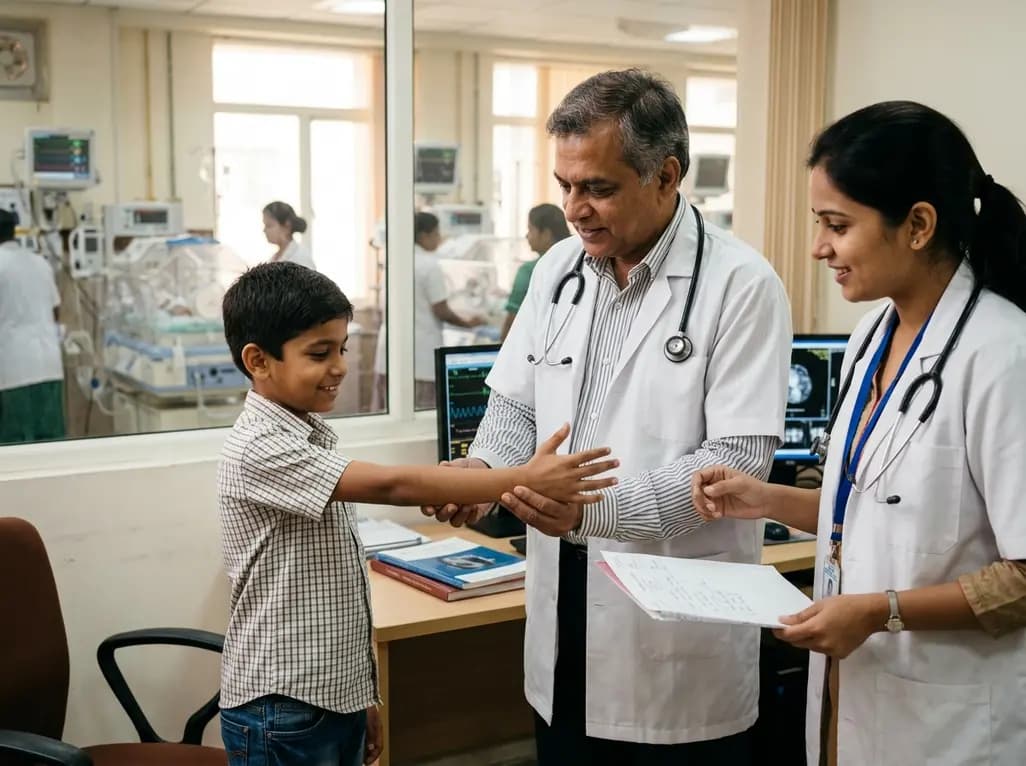
A premature neonate developed upper limb compartment syndrome after uterine rupture extruded the arm through a scar defect. Conservative management with continuous monitoring yielded complete functional recovery and normal limb growth at 10-year follow-up, highlighting non-operative safety in selected cases.
Today
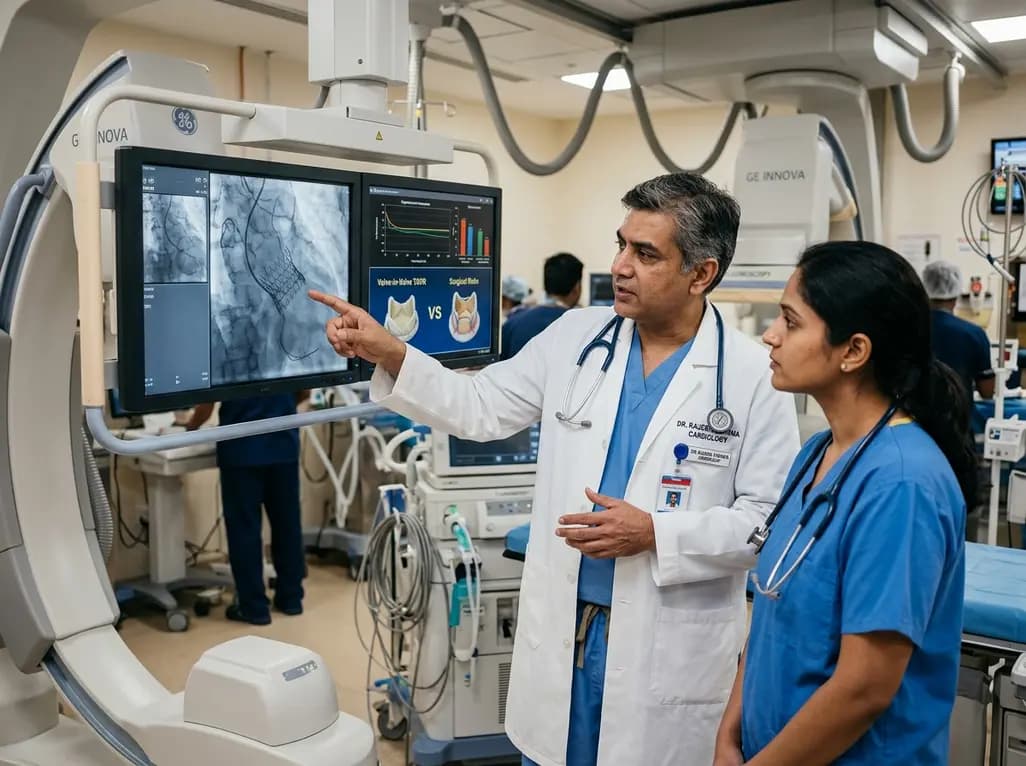
A meta-analysis of 13 propensity score-matched studies shows ViV-TAVR delivers lower early mortality and reduced bleeding compared to redo-SAVR for degenerated bioprosthetic aortic valves, though long-term hemodynamics warrant careful anatomical and patient-centered evaluation.
Today
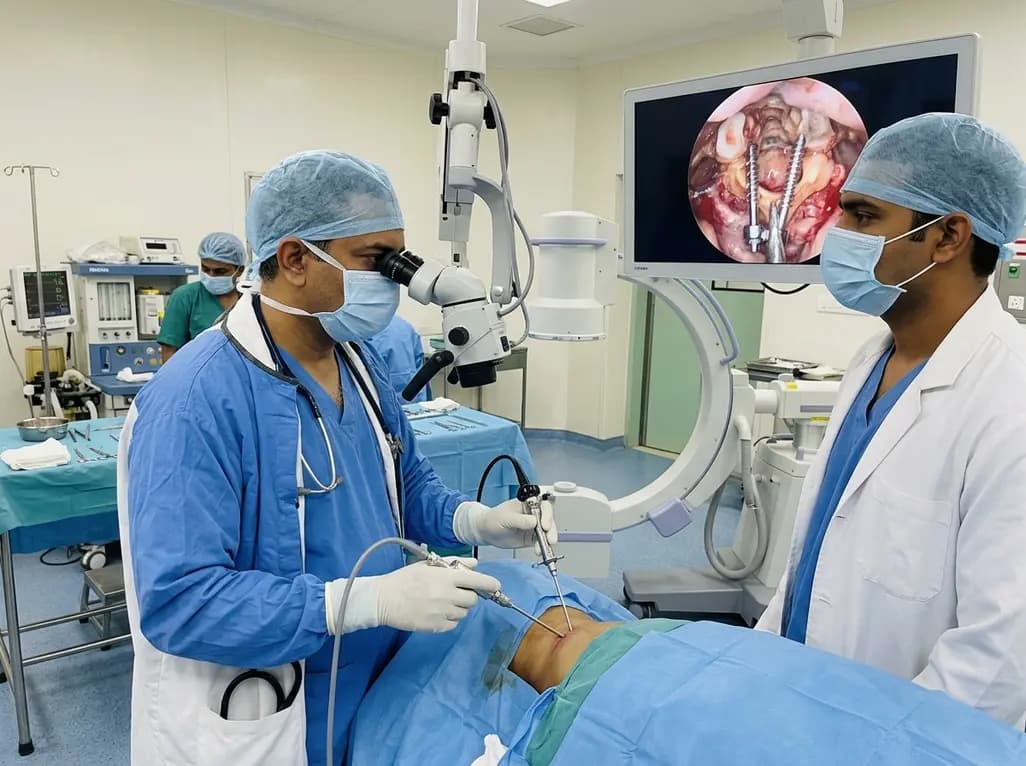
Endoscopic posterior cervical fusion combines minimally invasive decompression, joint preparation, and rigid screw-rod fixation for atlantoaxial pathologies. Early clinical findings demonstrate solid bony union, excellent symptom relief, and minimal soft-tissue morbidity without significant vascular compromise.
Yesterday
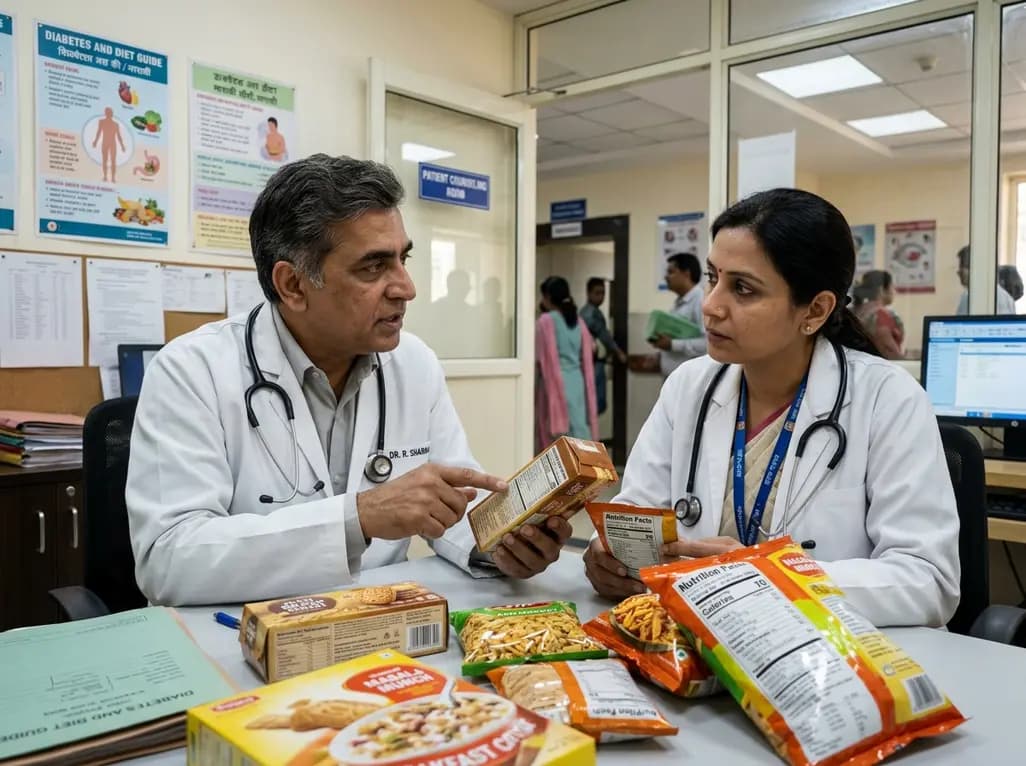
The All-India Food Processors' Association has approached the Supreme Court to oppose FSSAI's proposed per-100g benchmark for front-of-pack warning labels, advocating instead for a per-serving threshold. We explore the regulatory showdown, nutritional evidence, and implications for clinical lifestyle counseling.
Today
