

Loading, please wait...
Loading, please wait...
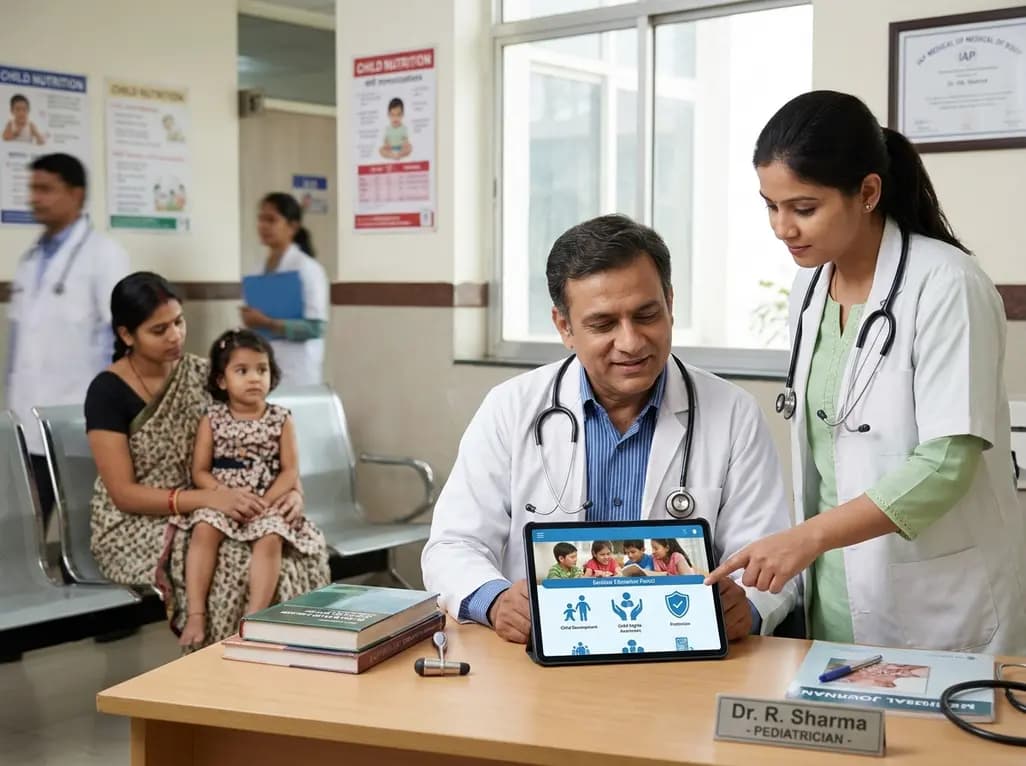
UNICEF India and the Indian Academy of Pediatrics have recently introduced a transformative milestone in paediatric advocacy. Ahead of World Children's Day, both organisations launched the groundbreaking Child Rights Pledge Platform. This initiative aims to mobilise more than 50,000 paediatricians across India. Through this dedicated portal, medical professionals will deepen their understanding of fundamental child rights. Furthermore, the program empowers clinicians to integrate these vital principles into everyday healthcare consultations. Paediatricians frequently encounter children during crucial developmental stages. Consequently, they hold a unique societal position of clinical trust and moral responsibility. By connecting clinical acumen with human rights advocacy, the platform bridges the gap between bedside medicine and statutory child protection. As a result, routine paediatric encounters will now serve as an active frontline for safeguarding vulnerable youth nationwide.
The creation of the Child Rights Pledge Platform addresses an urgent need within modern paediatric medicine. Historically, medical training has prioritised biological diagnostics, pharmacology, and therapeutic disease management. However, physical symptoms often stem from social vulnerability, domestic neglect, or environmental hazards. Therefore, healthcare leaders recognised that clinical interventions alone cannot fully protect children. The Indian Academy of Pediatrics joined forces with UNICEF to rectify this historical separation. Hosted directly on the official academy website, the digital platform offers an intuitive interface for clinicians. Additionally, the launch marks a major milestone as UNICEF celebrates 80 years of global child advocacy. Chief guest Dr M Srinivas from NITI Aayog emphasised the necessity of this alliance during the formal launch event. He noted that institutional collaboration can galvanise an impactful whole-of-society movement. Moreover, the platform provides paediatricians with educational toolkits regarding statutory protections and social welfare frameworks. Consequently, clinicians can expand their care paradigm beyond disease management to defend each patient's fundamental dignity. By signing this digital pledge, doctors explicitly commit to becoming active Child Rights Champions within their local communities.
The United Nations Convention on the Rights of the Child serves as the international gold standard for safeguarding minors. Specifically, the convention outlines 54 articles covering essential health, developmental safety, and educational guarantees. Nevertheless, translating these legal tenets into rapid clinical workflows poses significant practical challenges. For instance, busy outpatient settings often limit clinician interaction times to mere minutes. In response, the new platform offers practical guidance to streamline rights-based screening without compromising clinical efficiency. Paediatricians learn to evaluate whether a child experiences discrimination, economic exploitation, or restricted educational access. Furthermore, clinicians can uphold the foundational principle of the best interests of the child during every medical decision. For example, doctors must ensure that young patients participate meaningfully in discussions regarding their medical treatment. When clinicians respect a child's autonomy, they build substantial long-term trust with both the patient and caregivers. Additionally, healthcare providers can identify subtle systemic barriers that prevent timely immunisations or nutritional access. Ultimately, integrating UNCRC principles transforms routine consultations into comprehensive child advocacy sessions.
Paediatricians observe children across every developmental phase, from neonatal life through adolescence. Because of this continuity, clinicians remain uniquely qualified to spot early indicators of harm. IAP President Dr Neelam Mohan emphasised this diagnostic advantage during her address at the launch. She noted that doctors immediately notice when physical growth, nutrition, or cognitive development stalls unexpectedly. For example, recurrent unexplained injuries, behavioral withdrawal, or severe malnourishment often point to domestic neglect or active abuse. Similarly, paediatricians frequently detect early manifestations of child labour, emotional exploitation, and domestic violence. However, doctors without formal child rights training often hesitate when responding to suspected maltreatment. In contrast, the pledge platform provides clear protocols for lawful reporting and sensitive family engagement. Paediatricians learn to navigate sensitive ethical dilemmas while adhering to statutory child protection mandates. Furthermore, clinicians receive guidance on collaborating with local child welfare committees and psychological support networks. Consequently, doctors can intervene early enough to alter a child's developmental trajectory and protect their physical safety.
Child protection requires active, coordinated participation across all sectors of society. Therefore, health systems cannot function in isolation from educational, judicial, and social welfare institutions. Dr M Singaravelu highlighted the immense reach of the academy's nationwide professional network. He noted that over 50,000 members interact with millions of families every single week. Consequently, paediatricians occupy a prime vantage point to lead a multi-stakeholder advocacy movement. In addition, UNICEF India representative Jesper Moller reiterated that paediatricians hold unparalleled community trust. Families routinely heed pediatric advice regarding parenting habits, emotional wellbeing, and household safety. Thus, when doctors actively promote child rights, societal attitudes begin to shift positively. Furthermore, this initiative specifically targets vulnerable and marginalised children living in remote rural communities. These underserved populations frequently experience heightened risks of early child marriage, forced labour, and educational discontinuation. Through structured advocacy, paediatricians can identify these risks and connect families with governmental welfare programs. In doing so, healthcare professionals become vital catalysts for systemic social transformation and equitable justice.
The movement to champion child rights within paediatric healthcare extends far beyond national borders. Global leaders from the International Pediatric Association and the Asia Pacific Pediatric Association actively endorsed this initiative. Specifically, Dr Joseph Haddad, Dr Asiri Abeyagunawardena, and Dr Naveen Thacker stressed the worldwide significance of the pledge. They asserted that paediatricians worldwide must unite to defend children against global humanitarian and social crises. Similarly, IAP Honorary Secretary General Dr Ruchira Gupta noted strong grassroots enthusiasm among Indian paediatricians. Early participation metrics indicate that clinicians across diverse states are eagerly adopting the digital curriculum. In addition, participating doctors receive verifiable credentials that acknowledge their commitment to child rights advocacy. This recognition encourages broader institutional participation across medical colleges, private clinics, and public hospitals. Over time, the platform aims to establish standard operating procedures for human rights documentation in paediatric registries. Moreover, the initiative will inform future medical curricula, ensuring that future doctors understand rights-based healthcare delivery. As a result, India's paediatric workforce will remain equipped to champion vulnerable children for generations to come.
Q1: What is the primary objective of the Child Rights Pledge Platform?
The platform aims to mobilise more than 50,000 Indian paediatricians to champion children's fundamental human rights. Hosted on the official IAP website, this collaborative UNICEF initiative educates doctors on the United Nations Convention on the Rights of the Child. Consequently, clinicians gain practical training to embed human rights advocacy, protection against abuse, and equitable developmental support directly into their everyday clinical consultations with families.
Q2: How does the pledge assist paediatricians in identifying abuse and neglect?
The pledge platform provides structured protocols and educational resources that help clinicians detect subtle indicators of mistreatment. Because paediatricians track child growth over time, they quickly recognise unexplained injuries, emotional withdrawal, or severe malnutrition. Furthermore, the portal outlines legal reporting frameworks and connects doctors with local child welfare authorities. This guidance enables paediatricians to intervene early and safeguard vulnerable youth from continuous domestic harm.
Q3: Why are paediatricians uniquely positioned to champion child rights in India?
Paediatricians maintain high trust among parents, extended families, and community leaders throughout a child's developmental journey. Consequently, their professional guidance strongly influences societal attitudes regarding child welfare, education, and protection. By evaluating physical, emotional, and social environments during consultations, clinicians spot risks that others overlook. In addition, their nationwide network allows doctors to drive systemic child advocacy across both urban centers and underserved rural populations.
Disclaimer: This content is for informational and educational purposes only. It does not constitute medical advice or replace professional judgment. Refer to the latest local and national guidelines for clinical practice.
References

Read summarized clinical updates, watch expert medical content, and earn CME certifications right from your smartphone.
Open your smartphone camera to scan and install.





A historic collaboration between UNICEF India and the Indian Academy of Pediatrics mobilises over 50,000 clinicians to champion the UN Convention on the Rights of the Child. The new portal equips pediatricians with tools to identify abuse, safeguard vulnerable children, and integrate rights into clinical practice.
Today
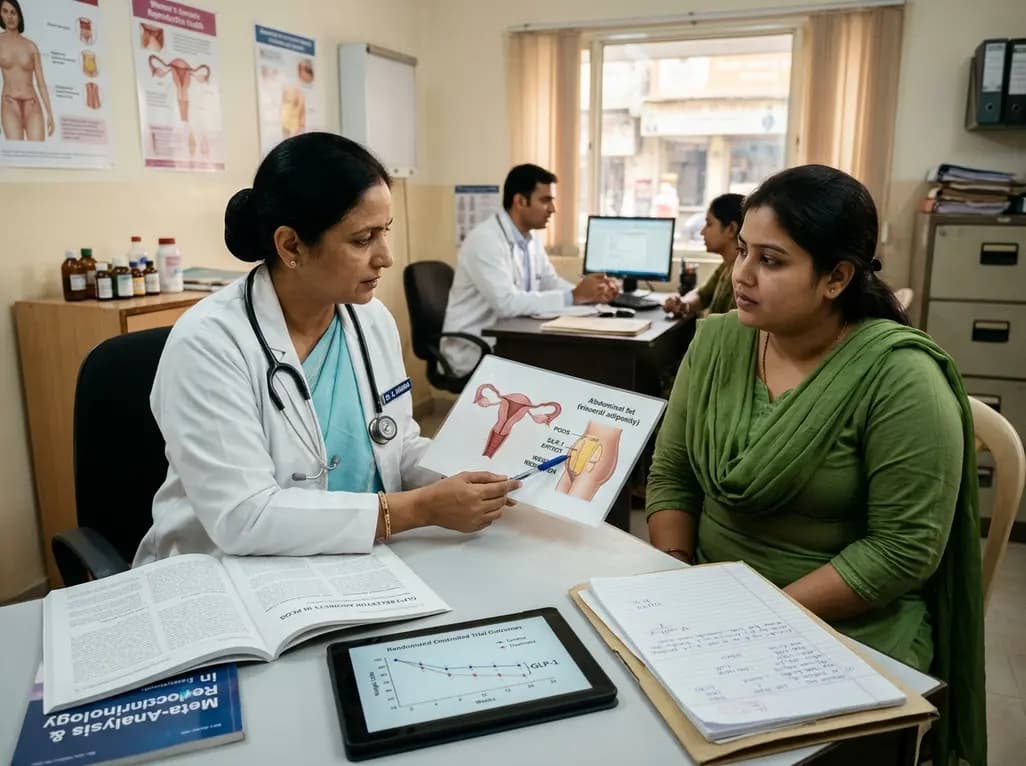
A systematic review and meta-analysis of randomized controlled trials evaluates the weight-loss and visceral adiposity outcomes of GLP-1 receptor agonists in reproductive-age women with overweight or obesity and polycystic ovary syndrome, emphasizing clinical benefits alongside current evidence limitations.
Today
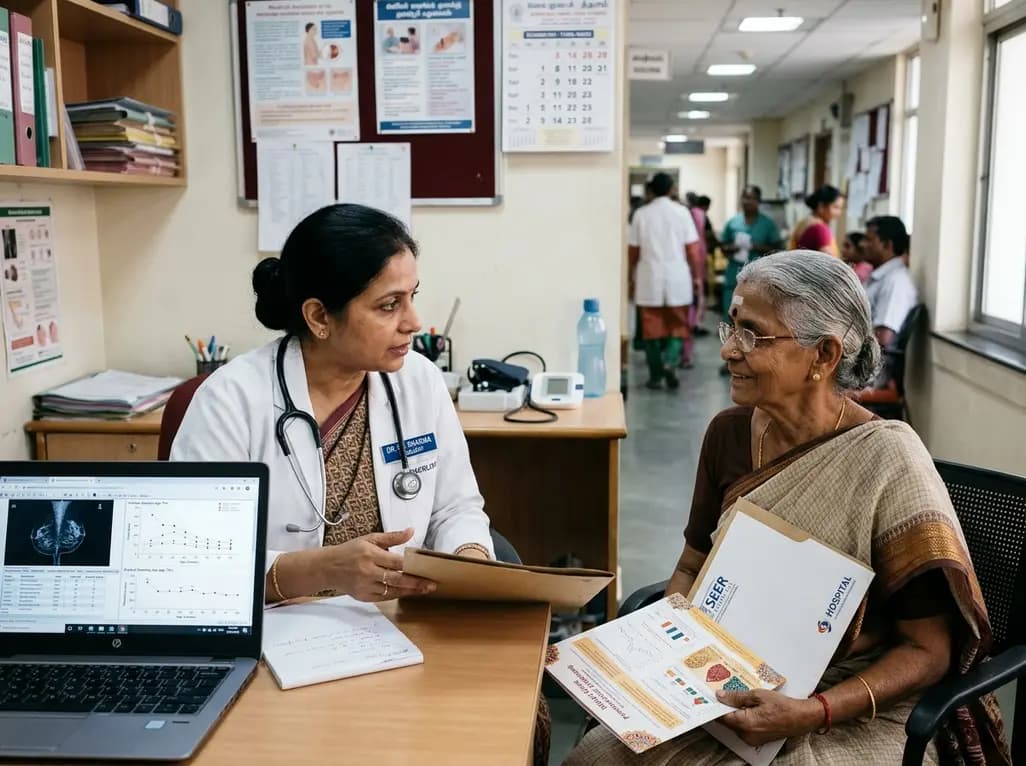
A landmark SEER-Medicare study clarifies the breast cancer screening benefit in women aged 70 and 75. Life-years gained vary significantly based on comorbidity, frailty, and race, highlighting why physicians must personalize screening decisions rather than relying solely on arbitrary chronological age cutoffs.
Today

A new scoping review and expert consensus establish a concise 16-measure performance bundle for hospital cardiology services. Covering clinical processes, outcomes, patient-reported experiences, and structural factors, this framework advances value-based cardiovascular care under universal health coverage.
Today
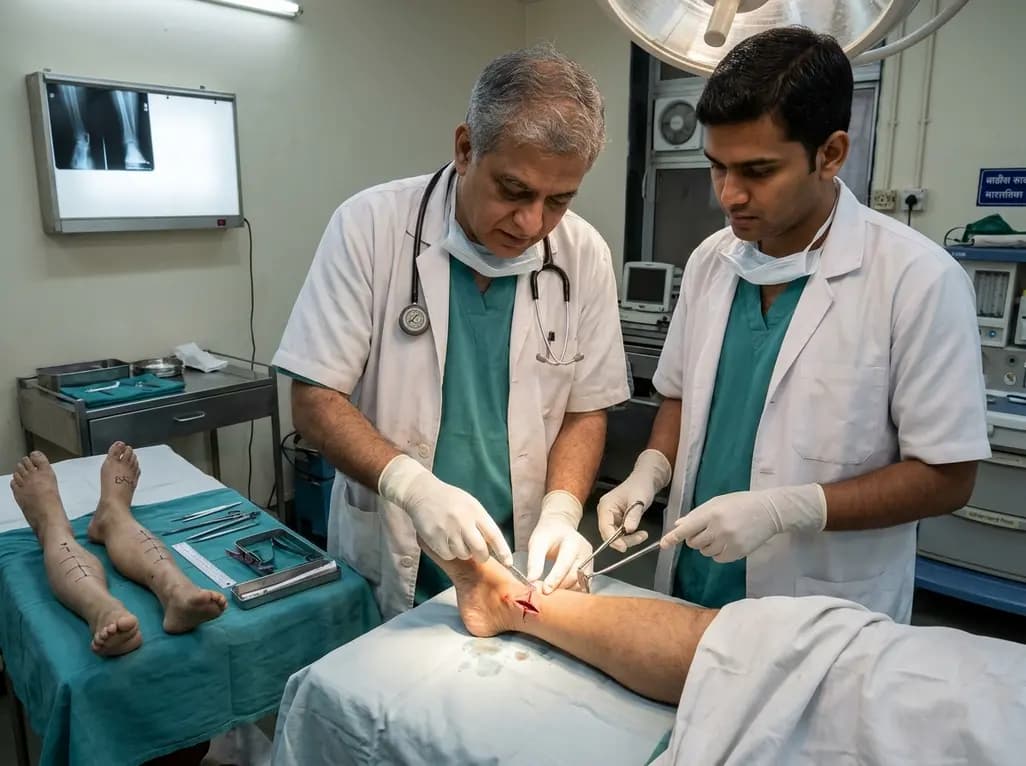
A paired cadaveric study compared triple and quintuple percutaneous Achilles tendon lengthening. While quintuple hemisection showed numerically greater elongation, differences were not statistically significant.
Today

Partial adrenalectomy for pheochromocytoma provides near 100% cure rates while preserving adrenal function in hereditary cases like VHL and MEN2. Despite a 13-15% local recurrence rate, it prevents lifelong steroid dependence without increasing mortality when supported by structured surveillance.
Today
