

Loading, please wait...
Loading, please wait...
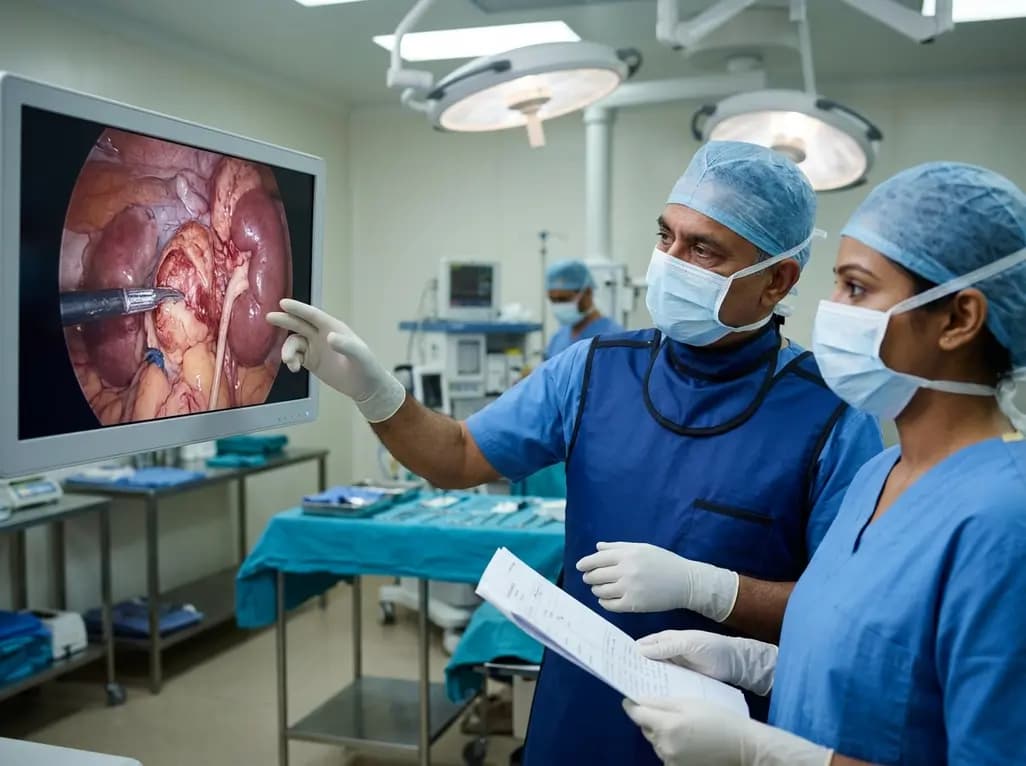
Pheochromocytomas are uncommon catecholamine-secreting neuroendocrine tumors originating within the adrenal medulla. These neoplasms present substantial therapeutic challenges, particularly because hereditary syndromes account for a high proportion of cases. Many patients face a significant risk of metachronous or synchronous bilateral involvement. Consequently, performing partial adrenalectomy for pheochromocytoma has emerged as a crucial organ-preserving surgical strategy designed to prevent permanent adrenal insufficiency.
Surgeons traditionally manage functional adrenal medullary tumors with complete unilateral or bilateral resection. However, total adrenalectomy leads inevitably to primary adrenocortical failure when both glands require removal. Patients then face lifelong replacement therapy with oral glucocorticoids and mineralocorticoids. This dependence introduces persistent risks of acute adrenal crisis, impaired quality of life, and hospital readmissions.
Therefore, cortical-sparing or partial adrenalectomy provides an essential alternative by maintaining endogenous corticosteroid production. The primary surgical goal focuses on excising the tumor tissue entirely while leaving sufficient vascularized adrenal cortex intact. Preservation of even one-third of a single adrenal gland typically sustains adequate adrenocortical function. Consequently, clinicians increasingly favor this gland-preserving technique for individuals predisposed to multifocal or recurrent disease.
Nevertheless, partial resection remains noticeably underutilized across global surgical centers. Many operating teams express concern over technical complexity, intraoperative catecholamine surges, and tumor recurrence. In addition, surgeons must carefully distinguish appropriate candidates from patients who require radical oncologic extirpation. Understanding these clinical parameters allows multidisciplinary teams to balance endocrine preservation against oncologic safety effectively.
Patient selection depends heavily on comprehensive germline genetic testing. Hereditary syndromes underlie a substantial fraction of pheochromocytomas, especially von Hippel-Lindau disease and multiple endocrine neoplasia type 2. In these specific conditions, tumors rarely develop distant metastases. Furthermore, bilateral adrenal involvement develops in up to 60 percent of patients with von Hippel-Lindau disease and nearly 50 percent of individuals with multiple endocrine neoplasia type 2. Consequently, these patient cohorts derive the greatest functional advantage from cortical-sparing surgery.
Conversely, clinicians must avoid organ preservation in patients harboring high-risk pathogenic germline variants. Specifically, succinate dehydrogenase subunit B mutations carry substantial risks of aggressive malignancy and metastatic dissemination. Similarly, tumors categorized under cluster 3 genetic alterations display invasive biology that precludes partial excision. In these adverse scenarios, total adrenalectomy remains the undisputed standard of care.
Moreover, surgeons must evaluate anatomical suitability through high-resolution cross-sectional imaging before scheduling partial resections. Tumors situated at the adrenal periphery permit clear margin assessment and preservation of the central adrenal vein. In contrast, centrally located or remarkably large lesions make cortical preservation technically difficult. Multidisciplinary tumor boards should synthesize genetic and anatomical data to optimize selection.
Surgical teams employ various minimally invasive platforms to perform cortical-sparing resections. Many high-volume endocrine centers regard the posterior retroperitoneoscopic approach as the preferred technique. This specialized corridor offers direct anatomical access to the retroperitoneal space without requiring peritoneal entry or extensive visceral mobilization. Consequently, patients benefit from reduced postoperative pain, quicker bowel function recovery, and shortened hospitalization.
Alternatively, transabdominal laparoscopic and robotic-assisted techniques provide equally valid surgical options depending on institutional experience. Robotic platforms offer magnified three-dimensional visualization, tremor filtration, and articulated wristed instruments. These robotic capabilities facilitate precise tumor dissection away from fragile normal cortex and delicate adrenal vessels. Regardless of the chosen access modality, meticulous surgical technique remains paramount to avoid tumor capsular rupture.
Furthermore, surgeons must maintain adequate perfusion to the remnant cortical tissue during dissection. Overzealous cauterization or aggressive traction can compromise the remnant vascular supply, causing ischemic cortical necrosis. Intraoperative ultrasound frequently assists surgeons by mapping the tumor border and verifying cortical margins. When surgeons execute these delicate technical steps accurately, they preserve vital endocrine parenchyma without compromising perioperative hemodynamics.
Clinical studies consistently demonstrate exceptional therapeutic efficacy following partial resection. Pooled evidence reveals that biochemical and clinical cure rates approach nearly 100 percent, matching the efficacy of total adrenalectomy. Most patients achieve immediate postoperative normalization of plasma and urinary fractionated metanephrines. Furthermore, perioperative morbidity remains consistently low when experienced surgical and anesthesia teams manage hemodynamic fluctuations collaboratively.
In terms of endocrine preservation, partial resection prevents lifelong steroid dependence in the vast majority of cases. Postoperative adrenal insufficiency occurs in approximately 8 percent of all patients undergoing partial adrenalectomy. However, this risk rises noticeably to roughly 28.6 percent among patients with a prior history of contralateral total adrenalectomy. Even in that vulnerable group, more than 70 percent of individuals maintain steroid independence.
Therefore, preserving cortical function substantially reduces the ongoing threat of life-threatening Addisonian crises. Patients retain physiological hypothalamic-pituitary-adrenal axis responsiveness during periods of physiological stress, infection, or trauma. In addition, avoiding daily exogenous glucocorticoid replacement prevents long-term metabolic complications such as osteopenia, weight gain, and glucose intolerance. These pronounced benefits highlight the therapeutic value of cortical preservation.
The principal trade-off associated with partial adrenalectomy involves an increased incidence of local tumor recurrence. Long-term observational studies identify local recurrence rates between 13 and 15 percent among patients with hereditary syndromes. Residual microscopic medullary tissue within the spared rim can initiate metachronous tumor growth over several years. Nevertheless, this local recurrence risk does not translate into increased metastatic progression or heightened disease-specific mortality.
Consequently, all patients who undergo cortical-sparing surgery require enrollment into structured, lifelong surveillance protocols. Clinical teams should monitor annual biochemical markers, including plasma and 24-hour urine fractionated metanephrines. Furthermore, periodic anatomical imaging with magnetic resonance imaging or computed tomography tracks the remnant gland morphology. Functional imaging modalities, such as DOTATATE positron emission tomography, provide supplementary clarity whenever biochemical recurrence appears equivocal.
Importantly, when surveillance detects recurrent disease at an early stage, clinicians can manage lesions effectively. Many patients remain asymptomatic candidates for repeat cortical-sparing resection or active radiological surveillance. Multidisciplinary coordination between endocrinologists, surgeons, and oncologists ensures prompt intervention before severe catecholamine surges occur. Thus, structured surveillance neutralizes the oncologic risks linked to remnant recurrence.
Ideal candidates include patients with hereditary pheochromocytoma syndromes carrying low metastatic risk, notably von Hippel-Lindau disease and multiple endocrine neoplasia type 2. Patients with synchronous or metachronous bilateral tumors, or those with a solitary adrenal gland, benefit most because preservation avoids lifelong corticosteroid dependence. Conversely, clinicians should exclude individuals carrying high-risk mutations, such as succinate dehydrogenase subunit B variants, due to significant metastatic potential requiring radical excision.
Surgeons commonly utilize minimally invasive approaches, predominantly the posterior retroperitoneoscopic technique, transabdominal laparoscopy, or robotic-assisted surgery. High-volume centers often prefer the retroperitoneoscopic approach because it provides direct retroperitoneal exposure without entering the peritoneal cavity or mobilizing adjacent abdominal viscera. Meanwhile, robotic systems offer enhanced three-dimensional visualization and fine articulation, aiding precise parenchymal transection. Approach selection ultimately depends on tumor location, prior surgical history, and institutional surgical expertise.
Clinicians should institute structured, lifelong postoperative surveillance combining biochemical evaluation and cross-sectional imaging. Annual measurements of plasma or 24-hour urinary fractionated metanephrines detect occult catecholamine oversecretion promptly. Additionally, scheduled magnetic resonance imaging or computed tomography visualizes remnant glandular morphology and identifies local relapse before symptoms manifest. If recurrence occurs, early multidisciplinary identification enables timely management via repeat organ-preserving surgery or careful active surveillance without compromising long-term patient survival.
Disclaimer: This content is for informational and educational purposes only. It is not intended to be a substitute for professional medical advice, diagnosis, or treatment. Always seek the advice of your physician or other qualified health provider with any questions you may have regarding a medical condition. Refer to the latest local and national guidelines for clinical practice.
References

Read summarized clinical updates, watch expert medical content, and earn CME certifications right from your smartphone.
Open your smartphone camera to scan and install.





Partial adrenalectomy for pheochromocytoma provides near 100% cure rates while preserving adrenal function in hereditary cases like VHL and MEN2. Despite a 13-15% local recurrence rate, it prevents lifelong steroid dependence without increasing mortality when supported by structured surveillance.
Today
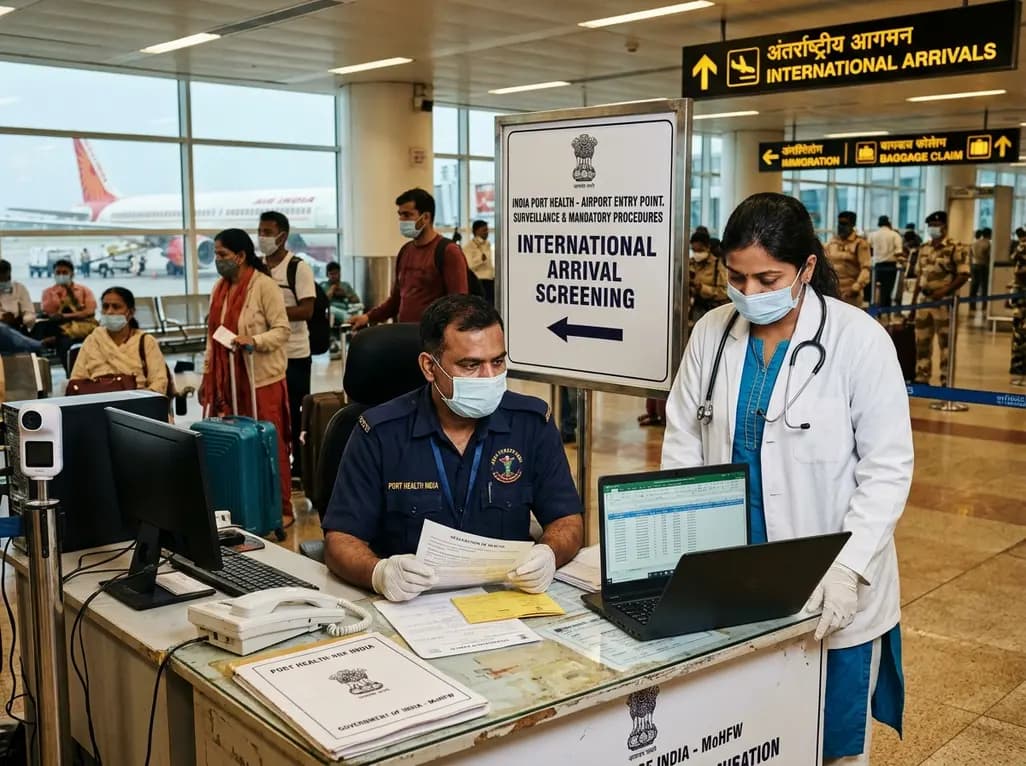
The Ministry of Health and Family Welfare released draft Indian Aircraft (Public Health) Rules, replacing outdated 1954 regulations. The draft curbs isolation periods, mandates strict vector control around airports, tightens flight kitchen hygiene, and broadens port health surveillance across international entry points.
Today

A landmark SEER-Medicare study clarifies the breast cancer screening benefit in women aged 70 and 75. Life-years gained vary significantly based on comorbidity, frailty, and race, highlighting why physicians must personalize screening decisions rather than relying solely on arbitrary chronological age cutoffs.
Today

A new scoping review and expert consensus establish a concise 16-measure performance bundle for hospital cardiology services. Covering clinical processes, outcomes, patient-reported experiences, and structural factors, this framework advances value-based cardiovascular care under universal health coverage.
Today

A paired cadaveric study compared triple and quintuple percutaneous Achilles tendon lengthening. While quintuple hemisection showed numerically greater elongation, differences were not statistically significant.
Today
