.webp&w=384&q=75)

Loading, please wait...
Loading, please wait...
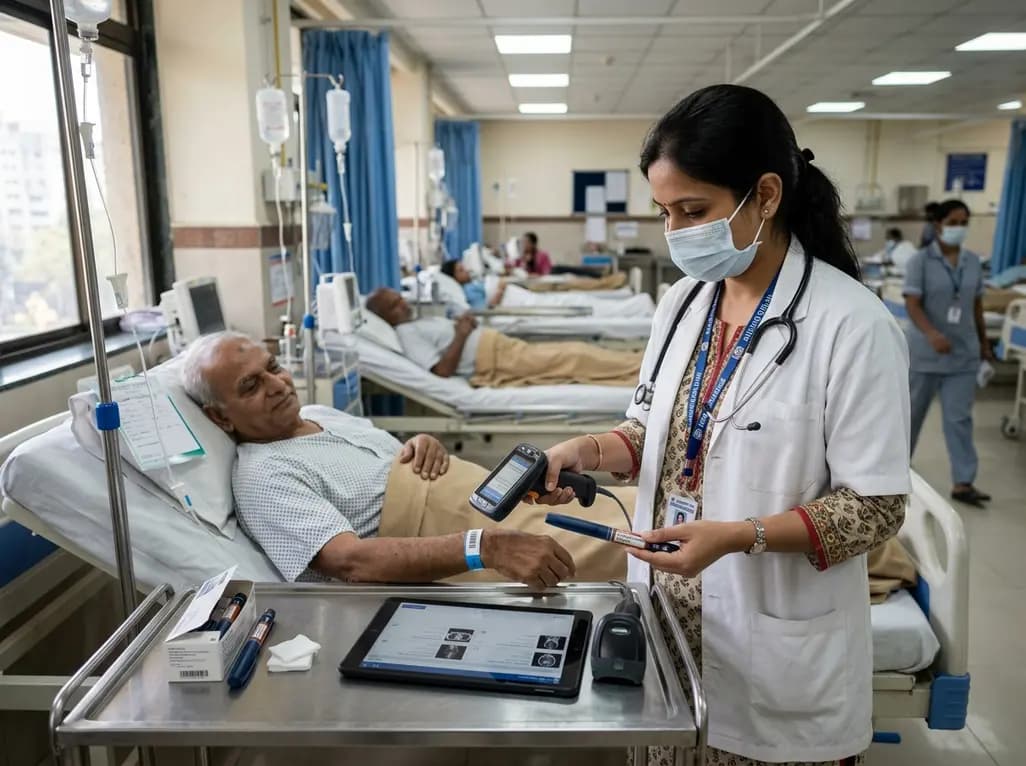
Subcutaneous insulin remains one of the most frequently administered high-alert medications in acute care hospitals. Because dosing errors or patient mix-ups can cause severe hypoglycemia or biological cross-contamination, healthcare institutions continuously seek robust safety mechanisms. Recently, healthcare systems have embraced triple-scan insulin administration as an innovative electronic health record workflow designed to prevent wrong-patient errors and streamline medication safety.
Insulin therapy requires precise management, especially within fast-paced hospital wards where multiple patients receive similar injectable regimens. Traditional administration pathways carry inherent risks of human error during peak dispensing hours. Therefore, modern institutions are shifting away from manual identification methods. Inpatient teams often rely on multidose disposable insulin pens due to dosing accuracy and convenience. However, using these devices in acute care introduces potential vulnerabilities if clinicians do not strictly link each pen to a single individual. When healthcare workers accidentally administer an insulin pen to the wrong patient, severe blood glucose fluctuations occur immediately. Furthermore, inadvertent sharing introduces significant biological contamination risks. Implementing triple-scan insulin administration directly eliminates these clinical hazards by enforcing automated electronic checks at the bedside before drug delivery.
The core architecture of the triple-scan workflow integrates seamless communication between automated dispensing cabinets, pharmacy information software, and the electronic health record. Under this structured protocol, the nursing professional must complete three distinct scanning steps prior to administering any dose. First, the clinician scans the patient identification wristband at the bedside to confirm identity. Second, the nurse scans the original manufacturer barcode located on the insulin pen device to verify the drug entity and concentration. Third, the nurse scans a unique pharmacy-generated linking label affixed directly to the pen body. Consequently, the system confirms that this exact pen belongs exclusively to the scanned patient. If any mismatch occurs across these three checkpoints, the software immediately generates a hard-stop alert, preventing unauthorized medication administration.
In addition to barcode automation, modern hospital protocols incorporate mandatory independent double-checks for high-alert injectable therapies. During this process, a second registered nurse independently evaluates the prescribed dose, the blood glucose reading, and the selected insulin device. Visual aids placed near automated dispensing machines further reinforce proper handling, storage, and priming procedures. Simultaneously, clinical leaders track compliance using interactive performance dashboards embedded within the hospital network. These operational dashboards monitor scanning rates in real time, highlighting unscanned medication instances and workflow deviations across specific units. Over several months of implementation, institutions observed steady increases in total barcode scans alongside sustained reductions in unscanned events. Thus, continuous data visibility empowers nurse managers to provide targeted coaching and maintain high safety standards.
A primary clinical objective of dedicated insulin pen workflows is the absolute prevention of cross-patient contamination. Although clinicians replace disposable pen needles after every single injection, biological backflow can still occur. Microscopic amounts of cellular debris, red blood cells, and plasma can regurgitate into the internal cartridge reservoir during administration. Consequently, sharing a single pen among different individuals poses a documented risk of transmitting blood-borne pathogens, including Hepatitis B, Hepatitis C, and HIV. By requiring a unique pharmacy linking barcode for every assigned device, the triple-scan mechanism ensures strict single-patient containment. As a result, hospital-acquired exposure risks drop significantly, safeguarding vulnerable hospitalized patients against preventable infectious transmissions while optimizing glycemic control.
The successful introduction of new healthcare technology relies heavily on frontline clinical acceptance and intuitive interface design. Post-implementation surveys evaluating bedside nurses revealed outstanding satisfaction with the triple-scan verification protocol. Specifically, over two-thirds of surveyed nursing professionals affirmed that the system markedly improved overall patient safety during drug rounds. Furthermore, more than seventy percent of respondents found the scanning sequence straightforward, reliable, and user-friendly within their daily charting routines. Engaging bedside staff as primary stakeholders during initial pilot phases minimized workflow disruption and eliminated unnecessary documentation burdens. Consequently, high usability ratings translated into sustained long-term adherence, proving that technological safety barriers succeed best when designed collaboratively with active clinicians.
Sustaining long-term clinical safety requires comprehensive multidisciplinary coordination between pharmacy specialists, nursing leadership, and biomedical informatics teams. Hospitals seeking to adopt triple-scan protocols must first standardize barcode printing quality to prevent scanning failures at the bedside. Furthermore, clinical educators must deliver ongoing hands-on training for newly hired staff and rotating personnel. Regular auditing of medication override logs allows safety officers to detect potential workflow workarounds before adverse events occur. Pharmacy departments must also guarantee consistent, timely relabeling of newly dispensed pens whenever dosing regimens change. Ultimately, combining advanced barcode scanning, real-time analytics, and persistent interprofessional collaboration creates an enduring safety culture that protects hospitalized patients from preventable medication errors.
Triple-scan technology requires clinicians to scan the patient wristband, the drug manufacturer barcode, and the pharmacy-generated linking label before injection. This automated triple-point verification ensures that the correct patient receives the exact prescribed insulin formulation from their dedicated pen. Consequently, the system prevents wrong-patient mix-ups, dosage discrepancies, and accidental pen sharing in busy inpatient environments.
Sharing insulin pens between multiple patients creates serious biological hazards, even when staff members attach a new needle for every injection. During subcutaneous administration, microscopic amounts of blood, tissue fluid, and cellular material can reflux into the medication cartridge. If another patient receives an injection from that same cartridge, blood-borne pathogens such as Hepatitis or HIV can spread rapidly.
Performance dashboards aggregate electronic medication administration data in real time across hospital units. These digital tools track scanning compliance rates, identify unscanned insulin events, and highlight operational bottlenecks. Consequently, nursing managers and hospital quality officers can rapidly detect protocol deviations, deliver targeted staff education, and maintain high standards of medication safety across the entire healthcare facility.
Disclaimer: This content is for informational and educational purposes only, and should not be taken as professional medical advice. Healthcare professionals should rely on their clinical judgment and verify all medical information independently. Refer to the latest local and national guidelines for clinical practice.
References

Read summarized clinical updates, watch expert medical content, and earn CME certifications right from your smartphone.
Open your smartphone camera to scan and install.





A new electronic health record triple-scan workflow verifies patient wristbands, manufacturer barcodes, and pharmacy linking labels to improve insulin pen administration safety and prevent medication errors in hospital settings.
last month

A systematic review of 41 preclinical studies reveals that baicalin dampens systemic inflammation, inhibits NF-κB and NLRP3 pathways, and improves organ preservation in sepsis models. However, substantial study heterogeneity and a complete lack of human clinical trials highlight the need for further translational research.
Today
Discover the crucial distinctions between mesonephric and mesonephric-like proliferations of the female genital tract. Learn the key histomorphologic, immunohistochemical, and molecular differences essential for accurate diagnosis and clinical management.
Today
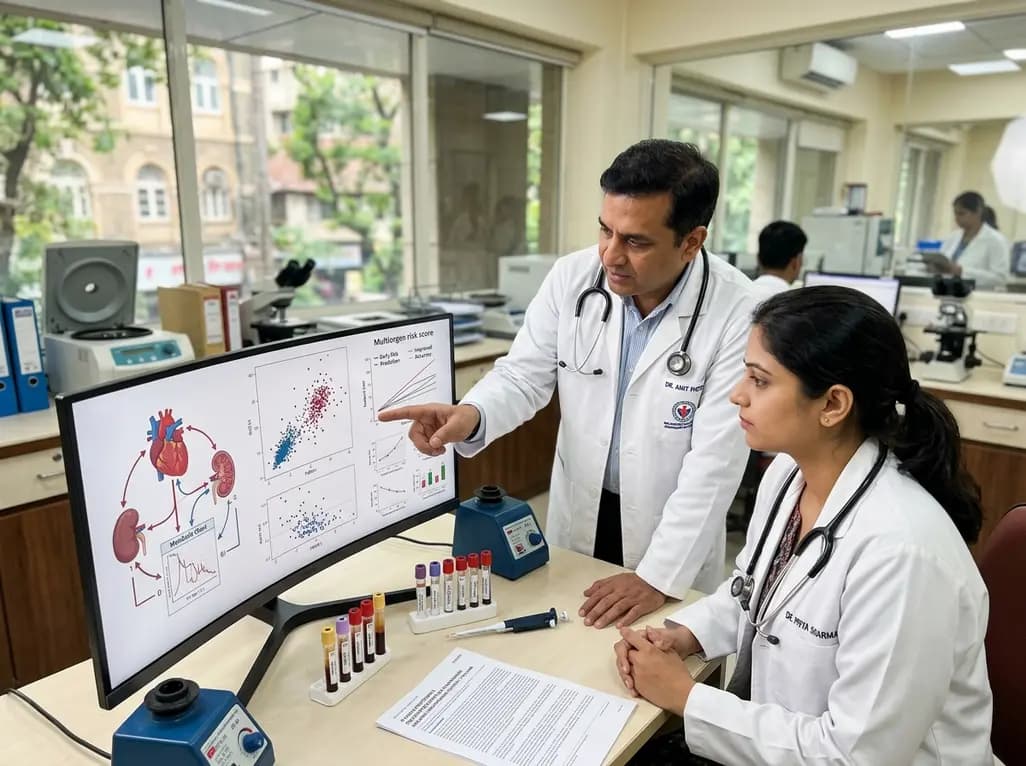
A large UK Biobank study reveals that plasma proteomic signatures capture preclinical organ damage and improve multiorgan risk prediction across early CKM syndrome stages 0 to 2 beyond traditional PREVENT clinical models.
Today
A narrative review investigates whether the articularis genus muscle functions as an independent anatomical entity or blends with the vastus intermedius. We evaluate its morphology, role in retracting the suprapatellar bursa, and direct clinical significance in anterior knee pain and arthroplasty.
Today

A Bayesian multilevel meta-analysis reveals that aerobic training combined with moderate carbohydrate restriction modestly lowers HbA1c in type 2 diabetes. However, sparse data and very low certainty leave incremental benefits over exercise or diet alone unproven, highlighting the need for individualized care.
Today
