

Loading, please wait...
Loading, please wait...
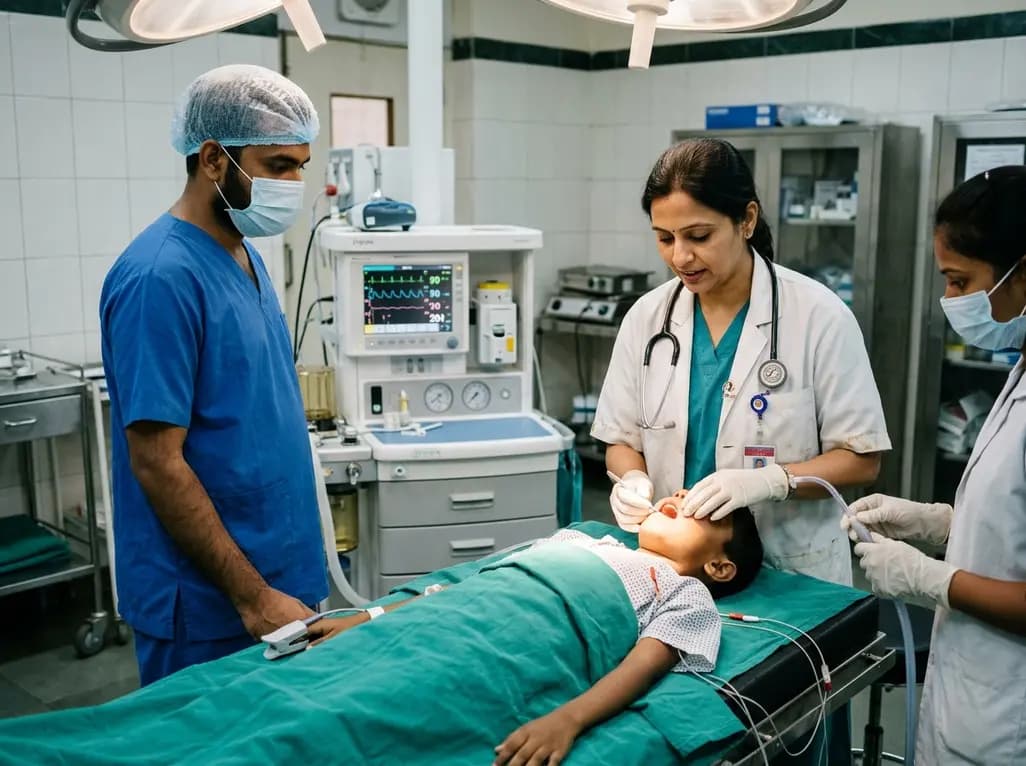
Paediatric oral health remains a crucial public health priority, yet clinicians frequently encounter severe early childhood caries that requires extensive intervention. In recent decades, the utilization of dental general anaesthesia for managing routine paediatric caries has escalated dramatically across several healthcare systems. A landmark 16-year national observational study from Latvia evaluated 17,446 procedural records across 15,692 paediatric patients treated between 2005 and 2020. During this period, annual operating room procedures surged fourfold from 395 to 1,627 sessions. Furthermore, population-adjusted rates escalated from 1.8 to 8.5 procedures per 10,000 residents, representing a rise from 8.9 to 45.3 sessions per 10,000 children aged 0 to 17 years. Consequently, hospital-based dental delivery expanded significantly despite a steady decline in the absolute paediatric population. This notable trend mirrors patterns documented in several other high-income and middle-income healthcare systems. Therefore, healthcare leaders must evaluate whether expanded operating room access reflects genuinely increasing disease severity or changing clinical thresholds among providers.
Historically, clinicians primarily reserved full-mouth operating room rehabilitation for very young toddlers or medically compromised individuals. However, national data demonstrate a distinct demographic evolution over the 16-year study period. Specifically, the median age of paediatric patients undergoing treatment rose from 3.0 to 4.0 years. Meanwhile, the proportion of toddlers aged 1 to 3 years fell dramatically from 58% down to 24%. In addition, children without developmental disabilities or chronic systemic conditions accounted for 80% of the overall numerical increase, growing 3.9-fold over the study timeline. This significant shift indicates that clinicians are increasingly utilizing general anaesthesia for healthy, older children who might otherwise cooperate in conventional clinic settings. Moreover, the mean number of treated teeth per session decreased from 9.1 teeth in 2011 to 6.2 teeth in 2020. Consequently, paediatric dentists are intervening earlier in disease trajectories or adopting lower behavioural thresholds before attempting conventional chairside guidance.
Treatment modalities delivered under sedation or general anaesthesia carry substantial clinical implications for long-term oral outcomes. In the national cohort, restorative procedures consistently outnumbered surgical extractions by a margin of 5.7 to 1.9 teeth per procedural session. Thus, practitioners prioritized dental preservation and structural rehabilitation over radical exodontia. Nevertheless, the longitudinal findings reveal a troubling escalation in repeat anaesthetic episodes over time. Specifically, repeat procedural sessions climbed from 9.4% in the earliest cohort to 22% by the conclusion of the observation period. This pronounced recurrence rate underscores a fundamental therapeutic limitation of surgical operating room rehabilitation. Operating room intervention swiftly eliminates active cavitation, but it does not eradicate underlying cariogenic microbiomes or alter dietary sugar exposure. Therefore, without intensive post-procedural behavioural modifications, children remain at high risk for secondary lesions. Consequently, dental teams must establish stringent post-operative recall schedules to safeguard newly restored dentitions.
Healthcare financing frameworks heavily influence provider referral behaviours and parental decision-making regarding hospital care. In 2005, public funding covered all paediatric dental rehabilitation sessions within the national analysis. However, private out-of-pocket payments rose rapidly to 59% by 2018 before recalibrating to 33% in 2020. This financial trajectory demonstrates that parental willingness to finance private treatment options surged when public hospital waiting lists expanded. Furthermore, private insurance coverage and enhanced maternal purchasing power frequently encourage families to select single-visit comprehensive sedation over protracted behavioural visits. In contrast, prolonged waiting intervals in public healthcare tiers often allow preventable initial lesions to deteriorate into extensive odontogenic infections. Therefore, policymakers must design reimbursement systems that adequately reward in-office preventative interventions and non-pharmacological behaviour guidance. When public schemes reimburse operating room interventions more attractively than chairside care, healthcare facilities inevitably drift toward hospital-based treatments.
Although modern paediatric anaesthesia maintains an exemplary overall safety record, pharmacological sedation in young cohorts is never entirely benign. Paediatric anaesthesiologists encounter physiological vulnerabilities such as laryngospasm, hypoxaemia, and delayed postoperative emergence during dental cases. Furthermore, repeated exposure to general anaesthetic agents during early childhood raises valid neurodevelopmental considerations that warrant prudent risk-benefit discussions. Consequently, clinicians must avoid treating general anaesthesia as a first-line convenience for manageable uncooperative behaviour. Interdisciplinary collaboration between paediatricians, general practitioners, and paediatric dentists ensures rigorous pre-operative triage. For instance, paediatricians can identify underlying respiratory infections or systemic comorbidities that elevate intraoperative risk. Similarly, dentists must exhaust communicative guidance, cognitive desensitization, and mild inhalation sedation before booking operating theatre suites. Ultimately, ensuring that hospital anaesthesia remains reserved for refractory or genuinely extensive disease protects child wellbeing and optimizes critical medical resources.
The persistent escalation in hospital interventions highlights the inadequacy of purely restorative solutions for early childhood caries. Because dental caries is fundamentally a preventable biofilm-mediated disease, healthcare providers must champion proactive early childhood interventions. Specifically, introducing infant oral health examinations by the child's first birthday allows early detection of demineralized enamel. Moreover, non-invasive therapies, such as silver diamine fluoride applications and atraumatic restorative treatments, effectively arrest active lesions without requiring sedation. Clinicians can also implement the Hall Technique with preformed metal crowns to seal carious tissues without painful cavity preparation. Additionally, dietary counselling aimed at reducing nocturnal bottle feeding and fermentable carbohydrate snacking addresses the primary aetiological drivers of decay. Therefore, transitioning from reactive operating room procedures to minimally invasive, community-oriented prevention offers the most sustainable pathway forward. By empowering families and dental teams, healthcare systems can preserve healthy primary dentitions while minimizing invasive interventions.
Clinicians indicate paediatric dental general anaesthesia primarily for children with severe dental fear, developmental disabilities, acute systemic comorbidities, or extensive full-mouth cavitation that cannot safely be managed in-office. Additionally, children requiring urgent surgical treatment for facial cellulitis benefit from comprehensive theatre care. However, practitioners must always exhaust non-pharmacological behaviour guidance, conscious inhalation sedation, and topical desensitization techniques before booking general anaesthesia in healthy, developmentally normal paediatric patients.
Dental rehabilitation under general anaesthesia rapidly treats anatomical cavitation through restorations and extractions, but it does not eliminate the chronic oral bacterial biofilm. Furthermore, operating room procedures do not automatically resolve deleterious home care habits, such as frequent sugar snacking and improper tooth brushing. Consequently, without aggressive fluoride therapy, persistent parental education, and structured post-operative recall appointments, pathogenic microbes quickly colonize adjacent unrestored primary and permanent teeth, triggering rapid relapse.
Minimally invasive dentistry provides highly effective chairside alternatives to hospital-based rehabilitation. Specifically, 38% silver diamine fluoride applications arrest active cavitated lesions rapidly without requiring anaesthesia or drill preparations. Additionally, practitioners can deploy atraumatic restorative treatment and the Hall Technique using preformed metal crowns to encapsulate dentine caries. When paired with early infant dental examinations and targeted dietary counselling, these conservative modalities safely manage early childhood caries in outpatient clinics.
Disclaimer: This content is for informational and educational purposes only and does not constitute medical advice. Healthcare professionals should exercise their clinical judgment when managing pediatric dental cases. Refer to the latest local and national guidelines for clinical practice.
References
Maldupa I et al. National Trends in Dental General Anaesthesia for Children: A 16-Year Analysis in Latvia (2005-2020). Int J Paediatr Dent. 2026 Nov 26. doi: 10.1111/ipd.70159. PMID: 43094432.
American Academy of Pediatric Dentistry. Use of General Anesthesia for Pediatric Dental Patients. The Reference Manual of Pediatric Dentistry. Chicago, Ill.: American Academy of Pediatric Dentistry; 2022:366-369.
Scottish Dental Clinical Effectiveness Programme. Prevention and Management of Caries in Children: Dental Clinical Guidance. 2nd ed. Dundee: SDCEP; 2018.

Read summarized clinical updates, watch expert medical content, and earn CME certifications right from your smartphone.
Open your smartphone camera to scan and install.





A 16-year national study reveals a fourfold surge in paediatric dental general anaesthesia sessions despite declining child populations. Findings show older children treated for fewer teeth, underscoring the urgent need to transition from reactive operating room procedures to proactive, preventive oral healthcare.
Today
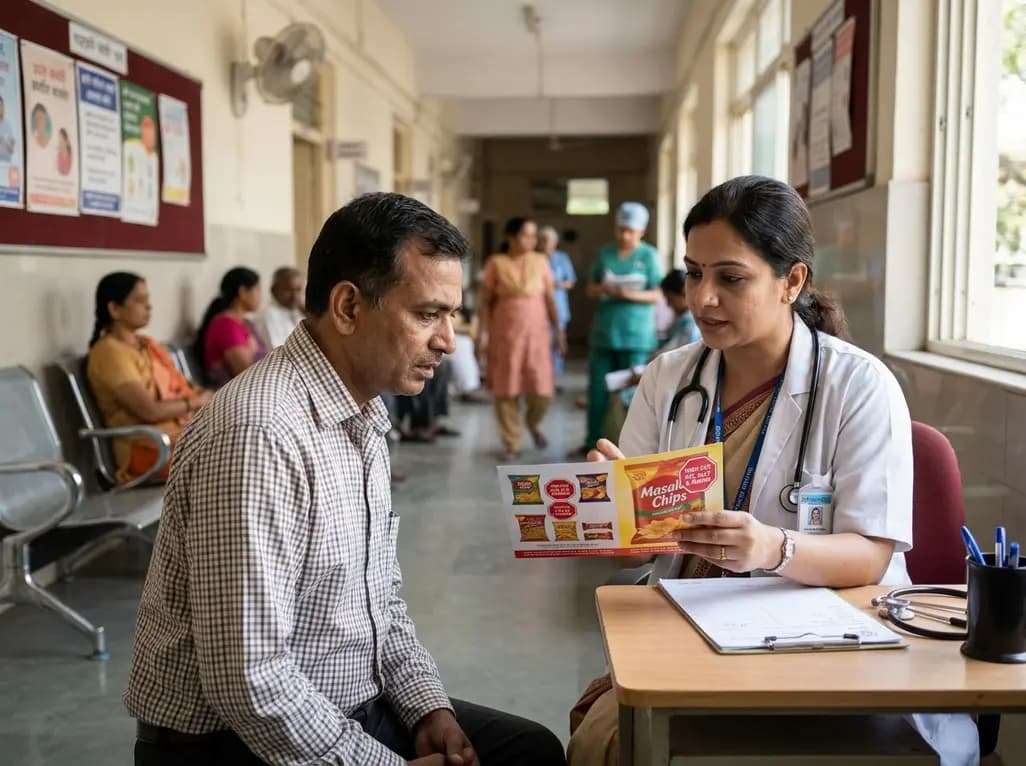
The Supreme Court of India has directed FSSAI to enforce distinct red hexagonal warnings on packaged foods for high salt, sugar, and saturated fat. This landmark public health ruling empowers consumers and supports physicians combating diabetes, obesity, hypertension, and cardiovascular diseases across the nation.
Today
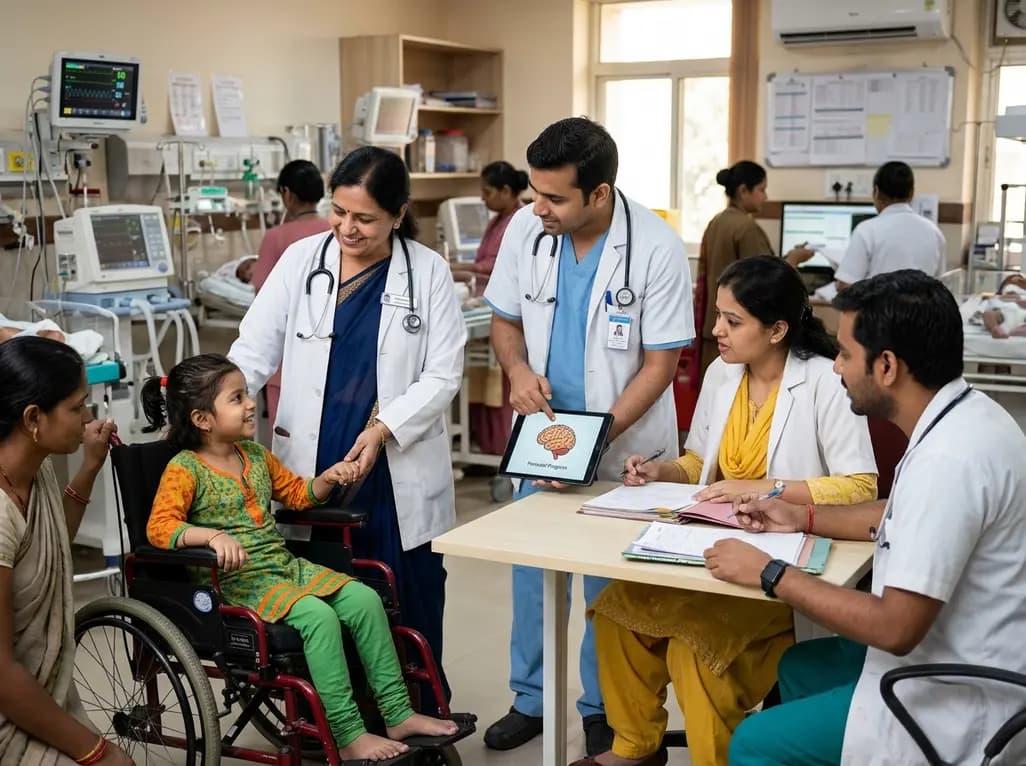
A 20-year population study reveals a 45% decline in non-ambulatory cerebral palsy, driven largely by significant reductions in term hypoxic-ischaemic encephalopathy cases. Explore the causal pathways, perinatal advances, and clinical implications for maternal-neonatal healthcare.
Today
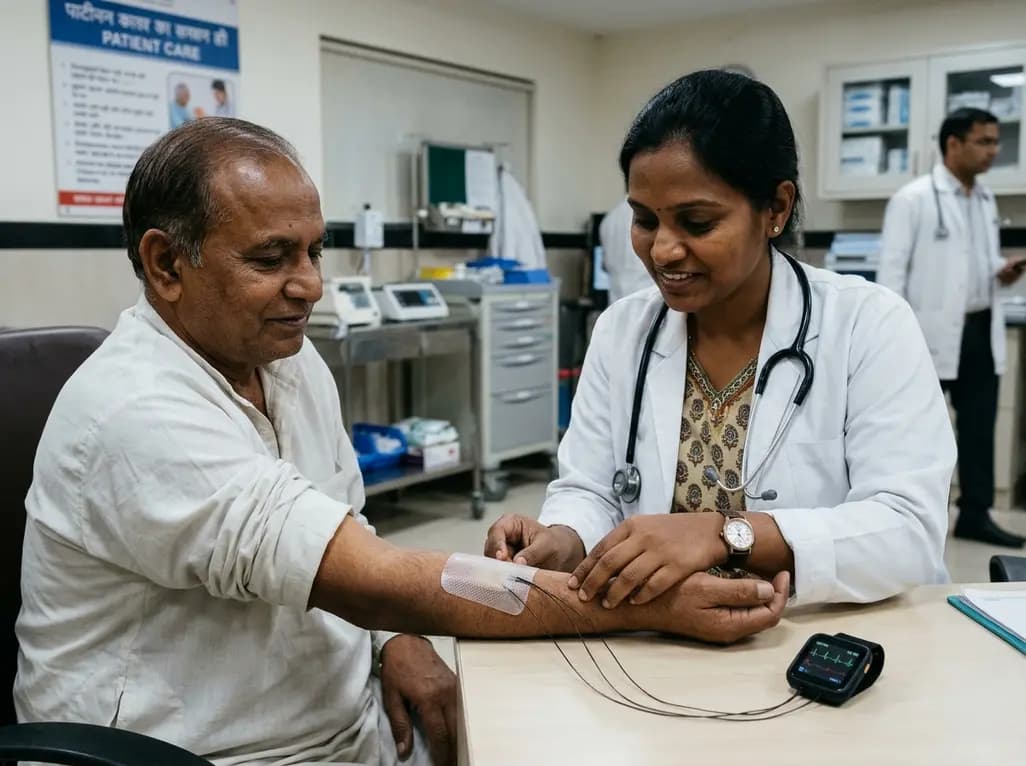
Researchers have engineered a gecko-inspired microfibrillar patch featuring embedded flexible conductors and a compliant terminating film. Under minimal preload, it provides robust, reusable skin adhesion without the epidermal trauma, pain, or dermatitis caused by traditional medical adhesives.
Today
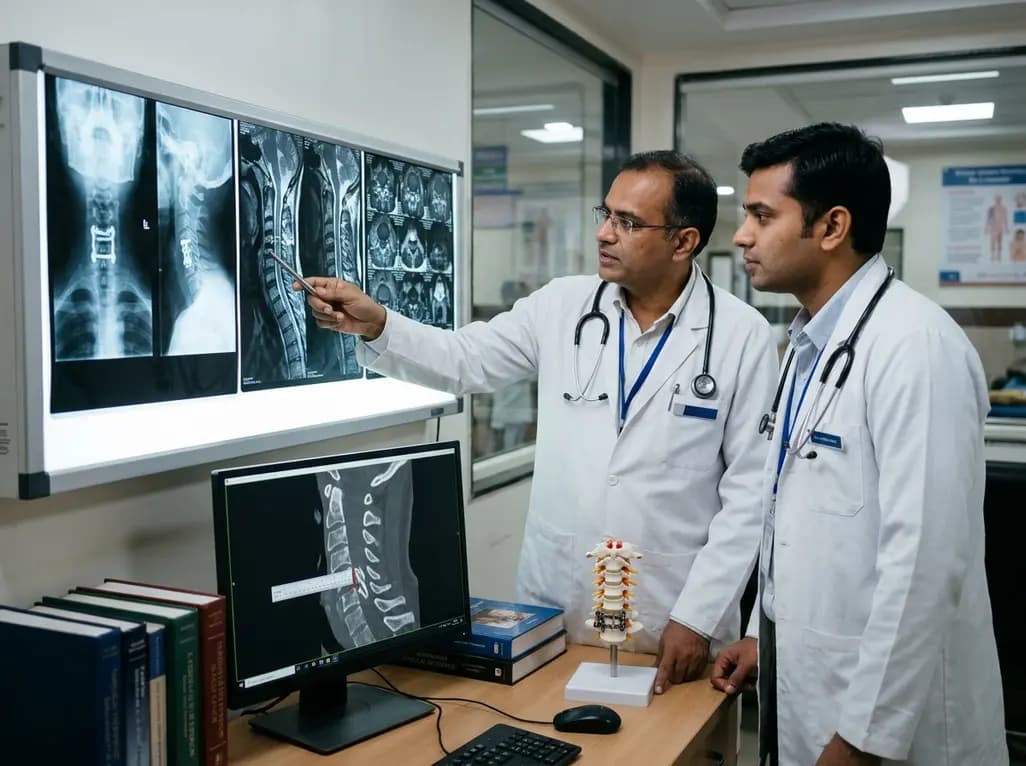
A retrospective study identifies C6 canal diameter and C3 cord-canal ratio as key predictors of secondary single-door laminoplasty after anterior cervical surgery, with progressive adjacent segment disease as the primary cause.
Today
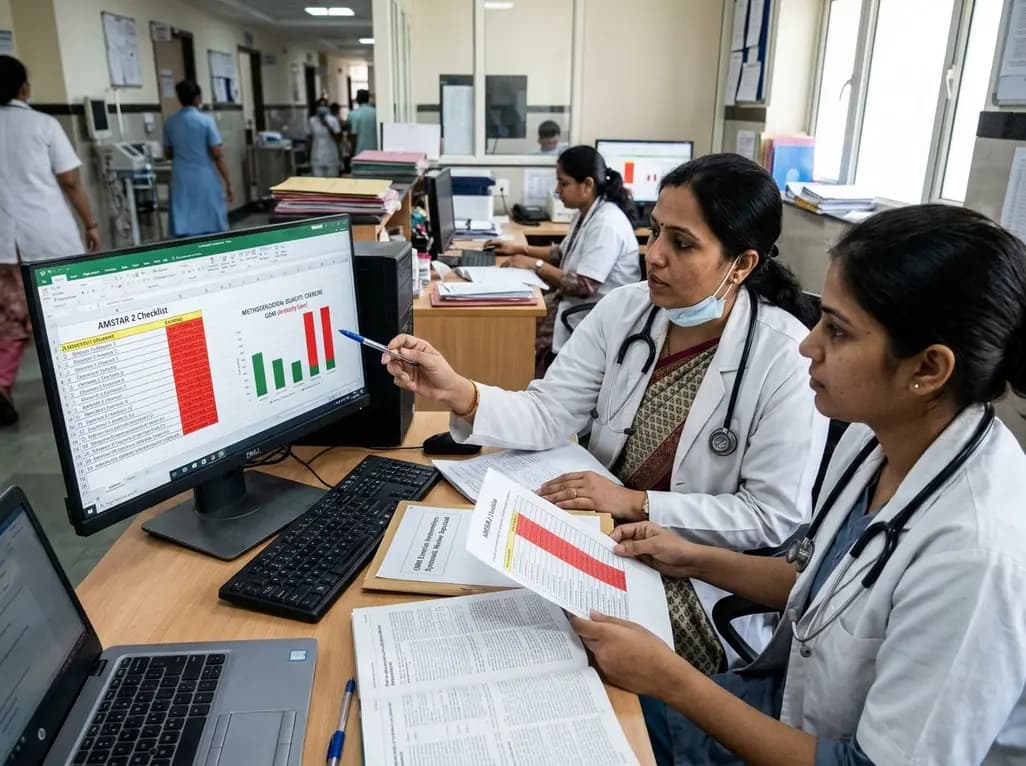
A critical appraisal using AMSTAR 2 reveals that meta-analyses on exercise interventions for gestational diabetes have critically low methodological quality, urging cautious clinical interpretation.
Today
