.webp&w=384&q=75)

Loading, please wait...
Loading, please wait...
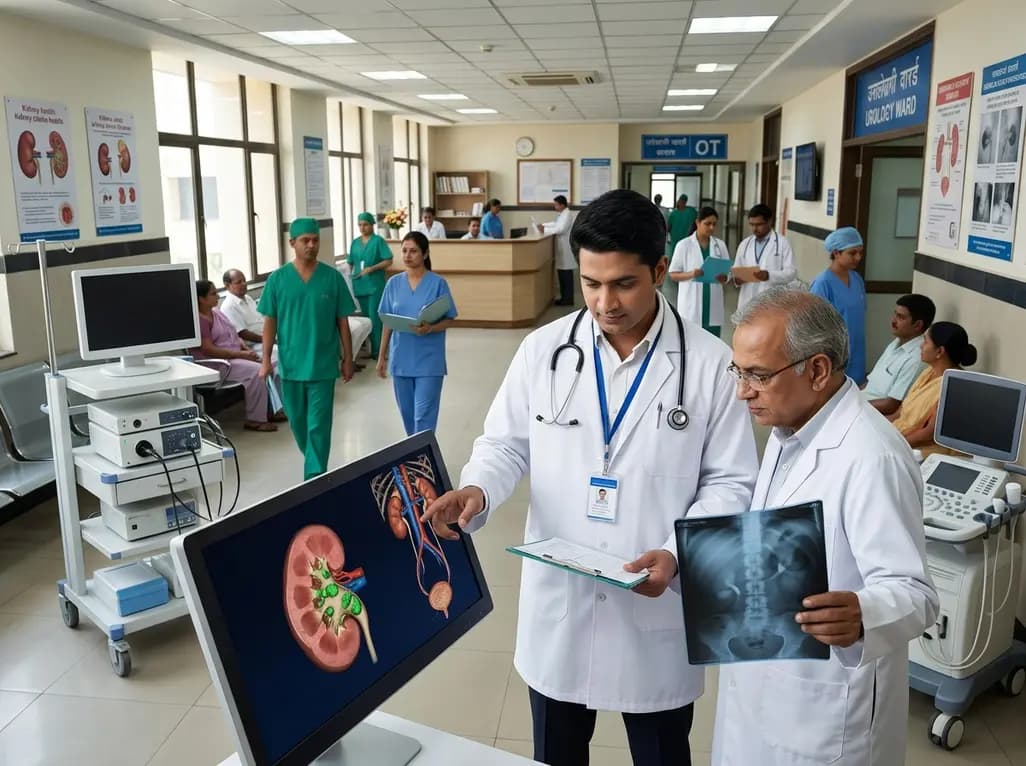
Kidney stone disease represents a rapidly growing clinical and operational challenge for modern healthcare systems across the globe. Recent observational data evaluating five-year updates from England and Scotland reveal substantial shifts in patient presentation, surgical volume, and overall resource allocation. Furthermore, epidemiology demonstrates that upper urinary tract calculi are no longer brief acute episodes, but rather chronic conditions requiring structured longitudinal care pathways. Clinicians must recognize that overall inpatient episodes for stone care continue to surge, driven by changing dietary patterns, rising rates of metabolic syndrome, and improved diagnostic imaging utilization. Although modern diagnostic modalities allow early identification of asymptomatic or minimally symptomatic calculi, managing acute presentations remains a heavy burden on acute emergency departments and urological wards. Modern healthcare systems must therefore adapt to rising hospital admissions while concurrently optimizing elective surgical pathways. Furthermore, analyzing multi-year trends allows clinical directors and policy planners to allocate essential resources appropriately. The data clearly indicates that urolithiasis places an operational strain on hospital capacity that rivals or exceeds many major elective urological conditions. Consequently, understanding these broad population trends is paramount for general practitioners, nephrologists, and urological surgeons who strive to deliver timely, equitable, and evidence-based interventions.
The disruption caused by the global COVID-19 pandemic severely affected elective surgical pathways, and urological stone services suffered disproportionate reductions compared to oncology procedures. While high-tier surgical services for renal and bladder malignancies were prioritized during acute pandemic waves, elective interventional procedures for urolithiasis experienced significant postponements. Consequently, post-pandemic service recovery has proven exceptionally challenging for urology departments across NHS trusts. Although total surgical procedural volumes have now surpassed baseline pre-pandemic levels, overall finished consultant inpatient episodes remain noticeably suppressed compared to historical norms. Furthermore, waiting times for definitive stone clearance remain prolonged, leading to increased emergency department visits for acute renal colic and stented patient complications. Delayed intervention frequently increases the complexity of presentation, as patients present with larger calculi, secondary urinary tract infections, or compromised renal function. Medical teams now face the dual challenge of clearing persistent patient backlogs while managing increasingly complex cases. Restructuring service delivery models, expanding ambulatory day-case surgical capacity, and establishing dedicated acute stone pathways are essential strategies to mitigate ongoing backlog pressures and restore optimal care delivery.
Socioeconomic status significantly influences both the incidence of urolithiasis and access to timely surgical intervention. Recent demographic data from Scotland reveals a marked socioeconomic gradient, wherein forty-four percent of all stone procedures were performed on individuals residing in the two most socioeconomically deprived quintiles. In contrast, only thirty-seven percent of interventions occurred among patients in the two least deprived quintiles. This stark disparity underscores how lower socioeconomic status correlates with higher disease burden, potentially driven by dietary factors, reduced access to preventative metabolic evaluation, delayed primary care seeking, and higher prevalence of comorbid metabolic conditions. Furthermore, social deprivation frequently impedes access to early elective care, leading to higher rates of emergency presentation for obstructed or infected kidneys. Addressing these entrenched health inequalities requires targeted public health campaigns, improved community-based screening, and equitable distribution of urological diagnostic services. Clinicians must remain vigilant regarding metabolic health risks in vulnerable patient populations, ensuring that preventative advice and secondary prevention strategies are accessible to all socioeconomic demographics.
Surgical management for urolithiasis has undergone a paradigm shift over the past decade, moving steadily toward minimally invasive endourological techniques. Contemporary dataset analysis indicates that ureterorenoscopy, including both rigid and flexible approaches, now accounts for fifty percent of all urological stone interventions. Conversely, shockwave lithotripsy utilization has stabilized or slightly declined, reflecting clinician preference for immediate, definitive stone clearance offered by advanced endoscopic laser techniques. Percutaneous nephrolithotomy remains the standard of care for large staghorn or complex renal stones, while open surgical removal has become virtually obsolete in modern practice. Remarkably, total procedural volumes for urolithiasis are now comparable to the combined procedural output of uro-oncological resections and benign prostatic obstruction treatments. This immense procedural volume highlights the necessity of maintaining robust surgical training programs for flexible ureteroscopy and laser lithotripsy. Additionally, surgical centers are increasingly adopting high-power holmium and thulium fiber lasers to enhance operative efficiency and stone-free rates. Standardizing ambulatory day-case pathways for ureteric and renal stones can substantially reduce inpatient bed occupancy, ensuring safe, patient-centered outcomes while optimizing expensive hospital infrastructure.
Predictive economic modeling underscores the daunting long-term fiscal impact of upper urinary tract stone management on public healthcare delivery. In England alone, hospital episodes related to renal stone care are projected to increase by thirty-three percent by 2035, exceeding one hundred eleven thousand annual episodes. Over the next decade, the cumulative financial commitment required to maintain urolithiasis care is estimated at £1.82 billion, taking into account national NHS cost uplift factors and demographic aging trends. This dramatic financial trajectory emphasizes that current reactive management strategies are financially unsustainable over the long term. Healthcare managers and clinical leaders must shift focus toward preventative strategies, cost-effective technology procurement, and pathway stream-lining. Investing in dedicated metabolic stone clinics, dietary counseling, and fluid intake optimization can yield substantial long-term savings by reducing recurrent stone formation rates. Moreover, adopting single-use or high-durability reusable flexible ureteroscopes, alongside standardized laser equipment, can optimize procedural expenditure. Proactive service planning based on robust epidemiological projections is vital to ensure financial sustainability while preserving high standards of patient care.
The findings from recent national registry analyses provide a crucial roadmap for reorganizing stone management infrastructure. Health authorities must prioritize establishing integrated acute stone pathways that streamline emergency triage, rapid low-dose computed tomography imaging, and timely surgical intervention. Furthermore, expanding day-case surgical units will play a key role in reducing overnight hospital admissions and preserving inpatient bed capacity for complex surgical oncology. Equity in access must also serve as a core tenet of future service delivery, ensuring that socioeconomically disadvantaged populations receive timely elective interventions before presenting as complex emergencies. Multidisciplinary collaboration involving urologists, nephrologists, metabolic dietitians, and primary care physicians is essential to establish comprehensive secondary prevention programs. By combining cutting-edge surgical technology with robust public health interventions, clinical care teams can curb rising disease recurrence rates. Ultimately, addressing the growing burden of stone disease demands a balanced approach that pairs surgical excellence with proactive, community-level risk factor management.
Ureterorenoscopy, incorporating both flexible and rigid endourological approaches with advanced laser lithotripsy, is currently the predominant surgical intervention. It accounts for approximately fifty percent of all interventional procedures for kidney stones. Modern endourology offers superior stone-free rates and rapid recovery, leading clinicians to favor it over extracorporeal shockwave lithotripsy for many renal and ureteric calculi.
The COVID-19 pandemic severely disrupted elective urological services, causing a marked reduction in non-oncological surgical volumes. Consequently, waiting lists expanded significantly and acute emergency presentations increased. While modern surgical throughput has now recovered beyond pre-pandemic levels, overall finished consultant inpatient episodes remain lower than historical baselines, leaving lingering operational backlogs across healthcare systems.
Data demonstrates that individuals living in socioeconomically deprived areas experience a higher burden of kidney stone disease and represent a larger proportion of surgical interventions. Socioeconomic factors influence dietary habits, metabolic risk factors, comorbidities, and timely access to primary healthcare services. Addressing these disparities requires targeted public health measures and equitable diagnostic and treatment pathways.
Disclaimer: This content is for informational and educational purposes only and should not be used as a substitute for professional medical advice, diagnosis, or treatment. Always consult with a qualified healthcare provider regarding any clinical condition or therapeutic decision. Refer to the latest local and national guidelines for clinical practice.
References
Lovegrove CE et al. Trends in kidney stone disease: a 5-year update of stone management in England and Scotland. BJU Int. 2026 Aug 12. doi: 10.1111/bju.70409. PMID: 42581823.

Read summarized clinical updates, watch expert medical content, and earn CME certifications right from your smartphone.
Open your smartphone camera to scan and install.





A comprehensive 5-year analysis highlights rising surgical demand for kidney stone disease, significant shifts toward ureterorenoscopy, persistent post-pandemic backlogs, socioeconomic disparities in treatment access, and projected healthcare costs reaching £1.82 billion over the coming decade.
last month
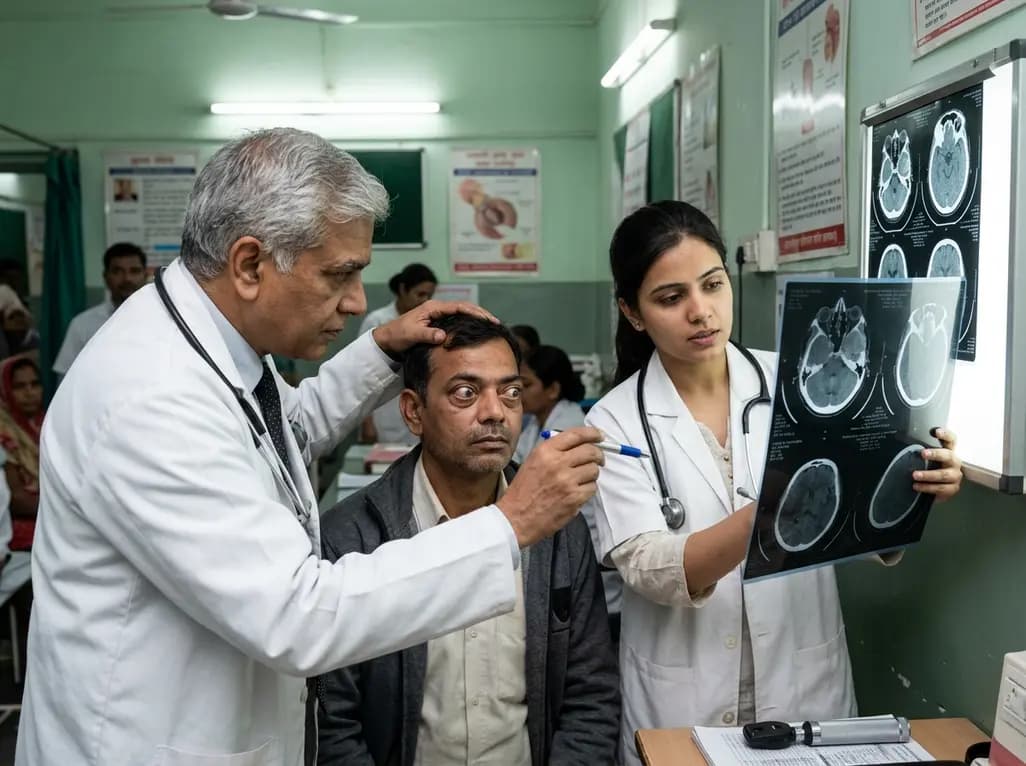
A recent clinical report details an atypical presentation of bilateral proptosis as the primary manifestation of aggressive multiple myeloma. Explore the diagnostic pathway, imaging findings, and critical multidisciplinary management strategies essential for handling extramedullary plasma cell dyscrasias.
Today

Prenatal evaluation of fetal growth restriction requires an integrated diagnostic approach. While chromosomal microarray remains fundamental, exome sequencing offers significant diagnostic yield in isolated and syndromic cases, especially when ultrasound shows skeletal anomalies or normal placental function.
Today
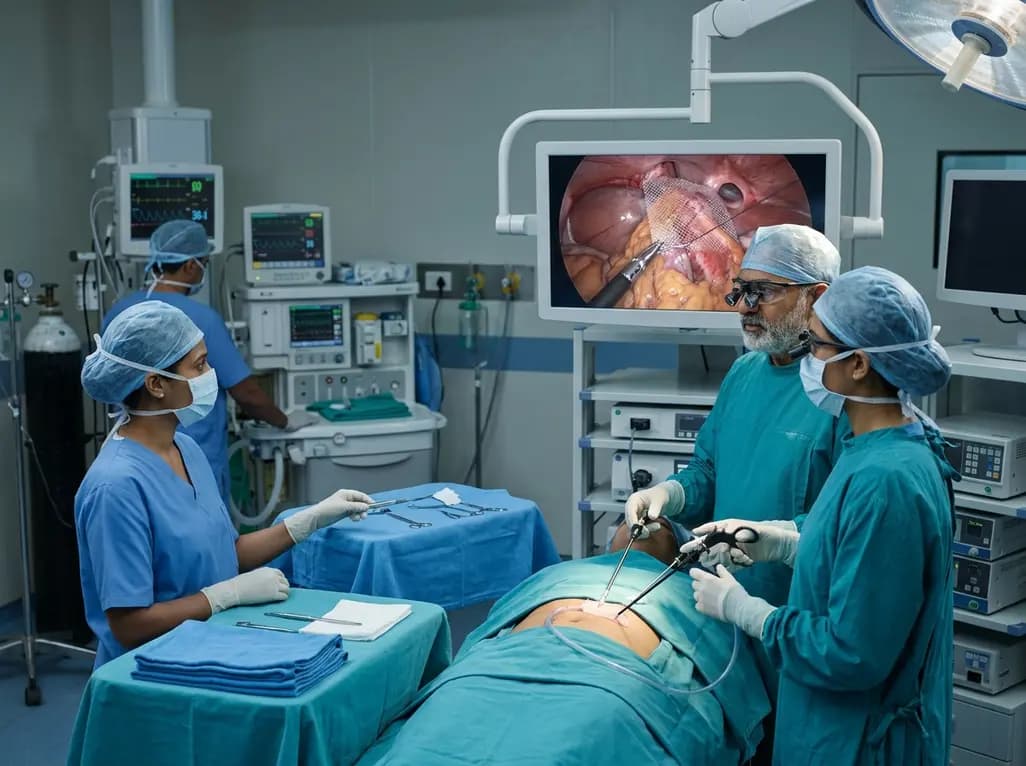
Discover a novel laparoscopic approach for iatrogenic diaphragmatic hernia repair following pedicled omentoplasty. This modified Sugarbaker technique integrates dorsal pedicle lateralization and round ligament reinforcement to secure the diaphragmatic defect while preserving vital omental vascularity.
Today

Evaluating Hill-Sachs lesion size and the distance to dislocation is critical in recurrent shoulder instability. As bone loss concepts shift from binary on-track classifications to continuous risk assessment, clinicians must identify when isolated Bankart repair is insufficient and supplementary procedures are needed.
Today
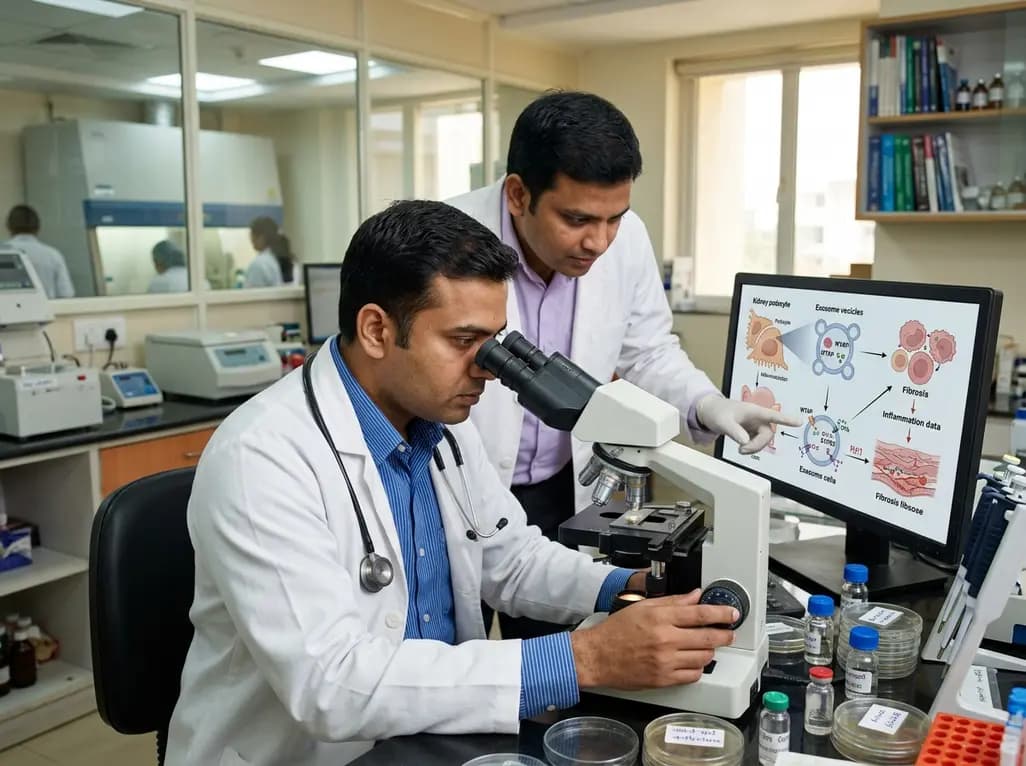
New research reveals that M1 macrophage-derived exosomes aggravate diabetic nephropathy by transferring WTAP to stabilize S1PR2 mRNA. Silencing WTAP in these vesicles attenuates endothelial injury and renal fibrosis, pointing toward innovative nanomedicine therapies.
Today
