.webp&w=384&q=75)

Loading, please wait...
Loading, please wait...
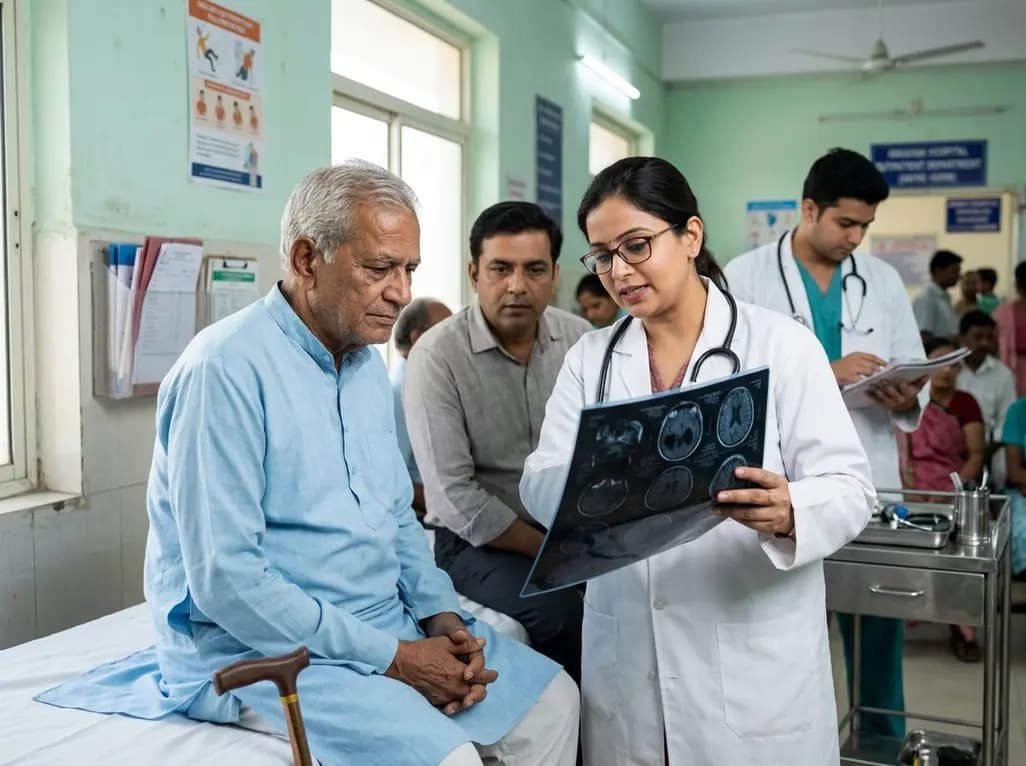
Traumatic brain injury presents significant health challenges for aging populations globally. Consequently, clinical researchers continuously evaluate traumatic brain injury risks to improve preventive care protocols and long-term management strategies. Recent observational evidence highlights a complex, bidirectional relationship between cranial trauma and several major neurological conditions in older adults. Specifically, healthcare providers have long recognized that acute head trauma predisposes patients to long-term cognitive decline and cerebrovascular events. However, novel cohort data demonstrates that pre-existing neurological disorders may also directly increase the risk of experiencing a traumatic brain injury in mid-to-late life. A comprehensive retrospective study involving older military veterans revealed striking incidence patterns before and after head trauma. Specifically, investigators evaluated electronic medical records across nationwide healthcare facilities over a two-decade period. Their analysis demonstrated that diagnoses of stroke, dementia, movement disorders, and epilepsy frequently preceded head injuries rather than simply emerging as secondary post-traumatic complications. Therefore, medical professionals must re-evaluate baseline neurological function in elderly individuals. Recognizing these pre-existing vulnerability patterns provides an extraordinary opportunity for early fall risk mitigation and multidisciplinary care.
The retrospective cohort investigation evaluated over thirteen thousand older veterans with acute head injury alongside matched control participants. Remarkably, individuals who suffered an acute brain injury exhibited elevated rates of diagnosed neurological conditions prior to their traumatic event. Specifically, the baseline incidence rates of stroke, dementia, and Parkinson disease were roughly three times higher in the injury cohort compared to uninjured controls. Furthermore, the pre-injury incidence of epilepsy was more than four times higher among affected veterans. These statistical associations remained robust even after adjustment for cardiovascular comorbidities, psychiatric conditions, and overall healthcare utilization. Consequently, researchers concluded that underlying neurological dysfunction creates a vulnerable state that predisposes patients to physical trauma. For example, neurodegenerative progression impairs executive decision-making, spatial orientation, and reaction time, which dramatically increases environmental hazard susceptibility. Similarly, cerebrovascular accidents frequently leave patients with persistent hemiparesis, gait instability, and visual field deficits. As a result, older adults living with baseline neurological diagnoses face a substantially elevated risk of falling and sustaining severe cranial injuries.
In addition to pre-existing risk factors, acute head trauma accelerates the development of secondary neurological disorders during post-injury recovery. Specifically, researchers monitored affected veterans for one year following their initial emergency department evaluation and neuroimaging. Their findings revealed that post-injury incidence rates for stroke and epilepsy were nearly twofold higher compared to pre-injury baseline levels. Moreover, the incidence of newly diagnosed dementia increased significantly within twelve months of the traumatic head injury. In contrast, post-injury incidence rates for Parkinson disease did not demonstrate a statistically significant change during the single-year follow-up period. This differential outcome suggests that mechanical trauma triggers acute neurovascular disruption and epileptogenic tissue changes quite rapidly. However, neurodegenerative proteinopathies like Parkinson disease likely require longer observational periods to manifest clinically. Consequently, post-traumatic clinical surveillance must focus intensely on cerebrovascular risk management and seizure monitoring. Early identification of secondary post-traumatic complications enables physicians to tailor preventive therapies and improve long-term neurological recovery.
Understanding the physiological mechanisms driving this bidirectional relationship is essential for developing effective targeted interventions. Crucially, conditions such as dementia, stroke, and Parkinson disease severely impair balance control, postural reflexes, gait mechanics, and cognitive processing. Consequently, affected patients experience frequent episodes of instability, directly leading to accidental falls, which represent the leading cause of head trauma in older adults. Conversely, acute traumatic impacts induce immediate neuroinflammation, blood-brain barrier dysfunction, microvascular ischemia, and axonal damage. These destructive cellular cascades accelerate underlying neurodegenerative processes and provoke abnormal electrical activity in vulnerable neural networks. Furthermore, traumatic mechanical forces disrupt functional brain connectivity and promote toxic protein deposition within cerebral tissues. Therefore, traumatic brain injury acts as both a consequence of existing neurological frailty and an active driver of subsequent brain pathology. Recognizing this dual role underscores why fall prevention strategies must integrate directly into routine neurological care plans. By proactively mitigating fall risks, healthcare teams can successfully disrupt this damaging physiological cycle.
These clinical findings deliver crucial practical implications for general practitioners, neurologists, emergency physicians, and geriatric specialists. First, when clinicians diagnose an older patient with stroke, dementia, epilepsy, or Parkinson disease, they should immediately institute comprehensive fall prevention measures. Specifically, medical teams ought to assess gait speed, dynamic balance, home environment safety, and balance-impairing medications during routine follow-up visits. Furthermore, referring high-risk individuals to physical and occupational therapy can significantly reduce accidental fall frequency and head trauma risk. Second, when elderly patients present with acute head trauma, clinicians must maintain a high index of suspicion for undiagnosed baseline cognitive or vascular impairments. Moreover, implementing structured neuroimaging protocols and longitudinal follow-up is critical to detect secondary cerebrovascular events or post-traumatic seizures early. Additionally, patient and caregiver education should emphasize environmental safety modifications, such as removing trip hazards and installing bathroom grab bars. Consequently, proactive clinical management can successfully protect vulnerable older individuals from recurrent trauma.
Although this study focused on US veterans, the core physiological principles apply universally across diverse patient populations. Notably, accidental falls remain the primary driver of traumatic brain injury among elderly individuals worldwide. Therefore, establishing integrated clinical pathways between primary care, neurology, and rehabilitation medicine is paramount for optimizing geriatric health outcomes. Additionally, health systems should incorporate systematic fall risk screenings into routine care plans for all patients diagnosed with movement or cognitive disorders. Furthermore, future prospective studies should evaluate specific fall prevention interventions tailored to older adults with established neurological conditions. Ultimately, treating underlying neurological disorders without addressing physical fall risk leaves patients dangerously vulnerable to severe cranial trauma. By addressing both dimensions of this bidirectional relationship, clinicians can significantly enhance functional independence, reduce emergency admissions, and improve overall quality of life in aging populations.
Research demonstrates a bidirectional relationship between traumatic brain injury and major neurological conditions. Specifically, older adults with pre-existing stroke, dementia, Parkinson disease, or epilepsy face significantly higher head injury risks. Furthermore, suffering a head injury subsequently increases the post-injury incidence of stroke, epilepsy, and dementia.
Neurological conditions impair motor coordination, spatial awareness, cognitive function, and balance controls. Consequently, affected individuals experience an increased likelihood of accidental falls, which represent the primary cause of traumatic brain injury in older populations. Addressing balance impairments through physical therapy helps reduce overall trauma incidence.
Physicians must closely monitor post-injury patients for secondary neurological complications, including stroke and post-traumatic epilepsy. Additionally, healthcare providers should implement immediate fall prevention strategies, evaluate environmental safety, review medications that impair balance, and perform longitudinal cognitive assessments to detect post-traumatic dementia early.
Disclaimer: This content is for informational and educational purposes only and does not constitute medical advice, diagnosis, or treatment. Always seek the advice of a qualified healthcare provider with any questions regarding a medical condition. Refer to the latest local and national guidelines for clinical practice.
References

Read summarized clinical updates, watch expert medical content, and earn CME certifications right from your smartphone.
Open your smartphone camera to scan and install.





A retrospective cohort study of older veterans reveals a bidirectional association between traumatic brain injury and key neurologic diagnoses like stroke, dementia, and epilepsy. Findings highlight the critical need for proactive fall prevention and post-injury surveillance in geriatric practice.
last month

A 2026 meta-analysis evaluates PDE5 inhibitors in advanced ILD with severe gas exchange impairment. While overall mortality was not significantly reduced, a targeted subgroup with pulmonary hypertension showed a 49% risk reduction, underscoring the necessity of precise hemodynamic phenotyping.
Today

A multicentre RCT in China shows that the PAICS AI system significantly boosts sonographer sensitivity in detecting fetal intracranial malformations by 8.7% without compromising specificity, offering promising diagnostic support for prenatal neurosonography.
Today

The Supreme Court questioned FSSAI's phased warning approach, urging single-phase implementation for foods exceeding limits in any nutrient of concern. Backed by ICMR-NIN recommendations, the proposed red hexagonal warnings target added sugar, salt, and fat to combat India's escalating chronic disease epidemic.
Today

A premature neonate developed upper limb compartment syndrome after uterine rupture extruded the arm through a scar defect. Conservative management with continuous monitoring yielded complete functional recovery and normal limb growth at 10-year follow-up, highlighting non-operative safety in selected cases.
Today

A comparative analysis shows that older age, elevated blood glucose, and abdominal adiposity are primary drivers of hypertension. Comprehensive evaluation of cardiometabolic risk profiles enables clinicians to detect overlapping metabolic dysfunctions early and optimize targeted prevention strategies.
Today
