.webp&w=384&q=75)

Loading, please wait...
Loading, please wait...
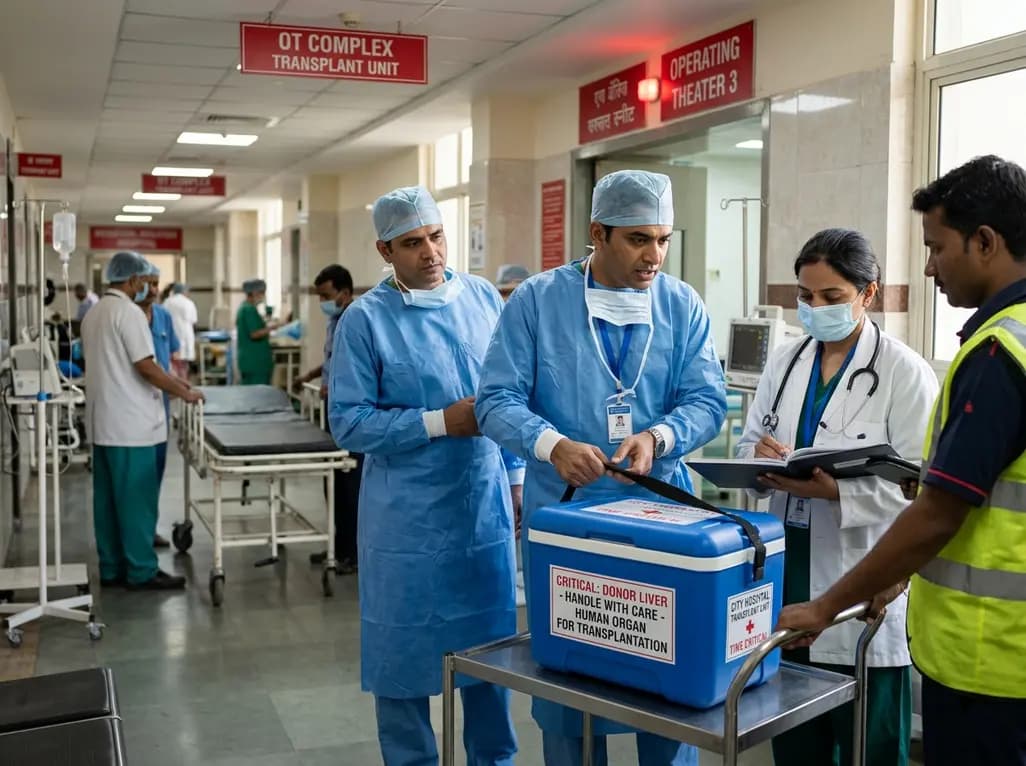
Deceased-donor liver transplantation remains the definitive cure for end-stage liver disease, yet graft preservation during transit presents persistent challenges. In solid organ retrieval, total ischemic time serves as a vital prognostic indicator influencing immediate graft function, biliary complications, and overall recipient survival. While geographic distance between donor and recipient hospitals often dictates allocation decisions, transport logistics and transit velocity play a far more decisive role in determining graft viability. A recent nationwide cohort study evaluated how transport modalities, transit delays, and procurement workflows affect ischemic intervals in deceased-donor liver transplantation. These findings provide profound insights for transplant programs, particularly in regions with expanding organ sharing networks where rapid inter-city coordination is essential.
Total ischemic time represents the cumulative interval from donor aortic cross-clamping to allograft reperfusion in the recipient. While static cold storage effectively slows cellular metabolism, prolonged ischemia triggers adenosine triphosphate depletion, mitochondrial dysfunction, and endothelial cell degradation. Logistical coordination directly dictates the length of this vulnerable window. Specifically, transit delays during ground transfer, airport security handoffs, and packaging bottlenecks frequently introduce unpredicted hours into preservation times. Consequently, travel duration correlates much more tightly with adverse cellular alterations than simple geographic distance. When retrieval teams encounter logistical friction, ischemic accumulation accelerates irrespective of the spatial proximity of donor centers. Therefore, systematic mapping of logistical steps is necessary to identify preventable delays before procurement teams depart.
The choice between ground transport, scheduled commercial aviation, and dedicated chartered flights fundamentally alters preservation kinetics. In nationwide analyses, commercial air transport frequently suffers from fixed flight schedules, boarding delays, and secondary ground transfers at both origin and destination terminals. In contrast, chartered air transport offers rapid point-to-point transit that significantly attenuates cold ischemia. Ground transport remains highly effective over short distances, yet unexpected traffic congestion can unpredictably prolong total ischemic time. Therefore, establishing dynamic transportation algorithms based on real-time transit telemetry allows transplant teams to select optimal modalities. Modality selection must balance economic considerations with the physiological imperative of minimizing ischemic exposure, particularly when managing marginal or extended criteria donor allografts.
Prolonged preservation duration directly influences early allograft dysfunction, post-reperfusion syndrome, and primary non-function. Ischemia-reperfusion injury damages sinusoidal endothelial cells and biliary epithelial cells, predisposing recipients to non-anastomotic ischemic cholangiopathy and refractory acute rejection. Clinical registry data consistently show that every additional hour of total ischemic time progressively diminishes one-year and five-year graft survival rates. Furthermore, recipients receiving grafts subjected to prolonged transit require increased blood product utilization, prolonged mechanical ventilation, and extended intensive care stays. Conversely, minimizing ischemia through streamlined logistics substantially reduces early mortality and hospital readmissions. Thus, optimizing organ transit protocols yields tangible clinical benefits that extend well beyond the immediate perioperative period.
In India, deceased donor organ allocation governed by the National Organ and Tissue Transplant Organisation involves complex regional and inter-state logistics. Rapid urban expansion and significant inter-city travel distances make organ transit uniquely challenging across Indian metropolitan hubs. Fortunately, the implementation of dedicated traffic green corridors and coordinated airport priority handling has transformed inter-hospital transfers. However, geographic hurdles between Tier-1 transplant centers and Tier-2 donor retrieval hospitals often demand multimodal air-ground coordination. Indian transplant coordinators must leverage real-time GPS tracking and institutional agreements with aviation authorities to prevent transit bottlenecks. Enhancing logistics at state and zonal levels ensures that organs retrieved in distant locations reach recipients without exceeding acceptable preservation windows.
Transplant centers must institute standardized perioperative workflows to compress recipient hepatectomy timelines and synchronize recipient anesthesia induction with organ arrival. In addition, machine perfusion techniques, such as hypothermic oxygenated machine perfusion and normothermic machine perfusion, offer transformative solutions to logistical constraints. Dynamic perfusion delivers continuous oxygen and metabolic substrates, effectively pausing ischemic damage and enabling graft viability assessment during extended transit. Furthermore, institutional checklists and digital communication platforms between retrieval and implant teams reduce unnecessary intraoperative holding periods. Adopting aggressive logistical optimization alongside modern perfusion technology ensures that deceased-donor liver allografts maintain optimal viability regardless of transport complexity.
Extended cold ischemia exacerbates adenosine triphosphate depletion, cellular swelling, and sinusoidal endothelial disruption. Consequently, upon reperfusion, the graft experiences intense microvascular injury, oxidative stress, and inflammatory cascade activation. Prolonged ischemia significantly elevates the incidence of early allograft dysfunction, non-anastomotic biliary strictures, and primary graft non-function. Therefore, keeping ischemic duration under strict thresholds improves one-year graft survival and reduces retransplantation rates across all recipient risk categories.
Physical distance only represents geographic separation, whereas total transport duration includes airport handovers, ground transfers, packaging, and flight scheduling bottlenecks. A short distance traversed through heavy traffic or poorly coordinated transit can cause longer ischemia than a distant flight with synchronized tarmac access. Hence, optimizing modal handoffs, leveraging chartered flights, and deploying dedicated green corridors minimize ischemic tissue damage far more effectively than merely restricting allocation radii.
Machine perfusion technologies, including hypothermic oxygenated perfusion and normothermic regional perfusion, transform organ preservation logistics. These advanced systems deliver continuous oxygenation and essential nutrients to the donor liver, thereby maintaining cellular energetics and clearing metabolic waste products. As a result, machine perfusion mitigates the deleterious effects of prolonged total ischemic time, rescues marginal allografts, and extends safe preservation windows for complex inter-regional organ transportation networks.
Disclaimer: This content is for informational and educational purposes only and should not be considered medical advice or used to guide clinical decisions. Refer to the latest local and national guidelines for clinical practice.
References

Read summarized clinical updates, watch expert medical content, and earn CME certifications right from your smartphone.
Open your smartphone camera to scan and install.





A nationwide study reveals that transport logistics and transit speed impact total ischemic time and deceased-donor liver transplant survival more than physical distance, emphasizing optimized organ transport protocols.
last month
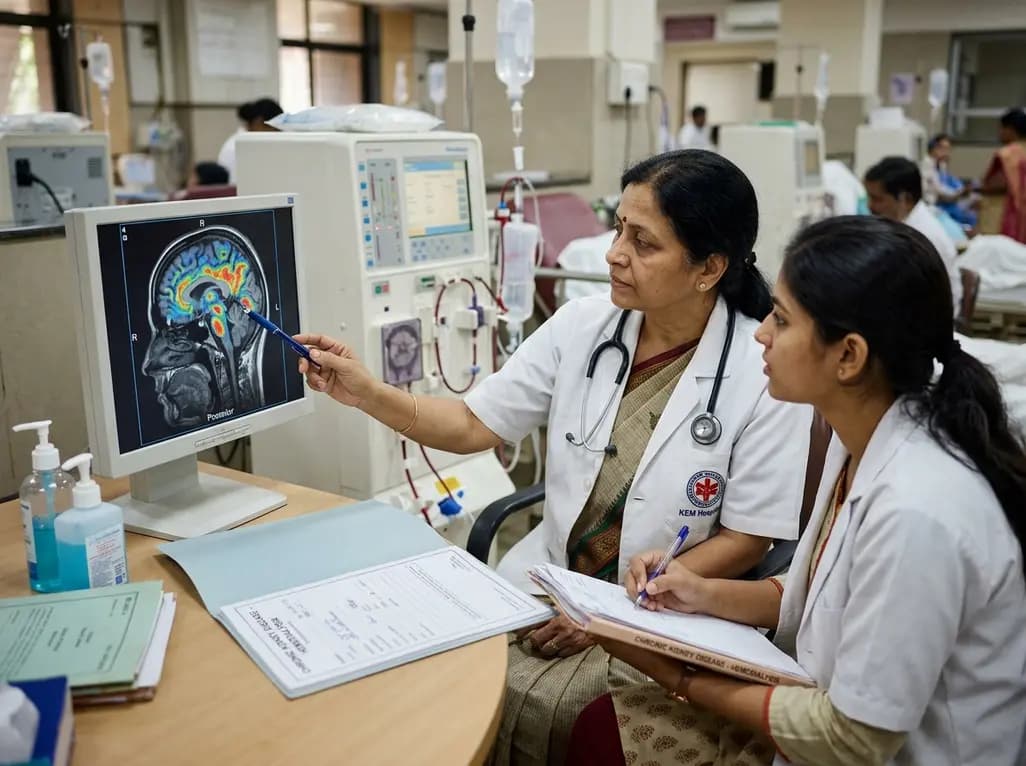
A retrospective clinical analysis reveals that hemodialysis-associated cognitive dysfunction arises from synergistic pathological mechanisms, including severe chronic anemia, worsening renal clearance, abnormal regional brain iron deposition, and an imbalance between neuroinflammatory and neurotrophic factors.
Today
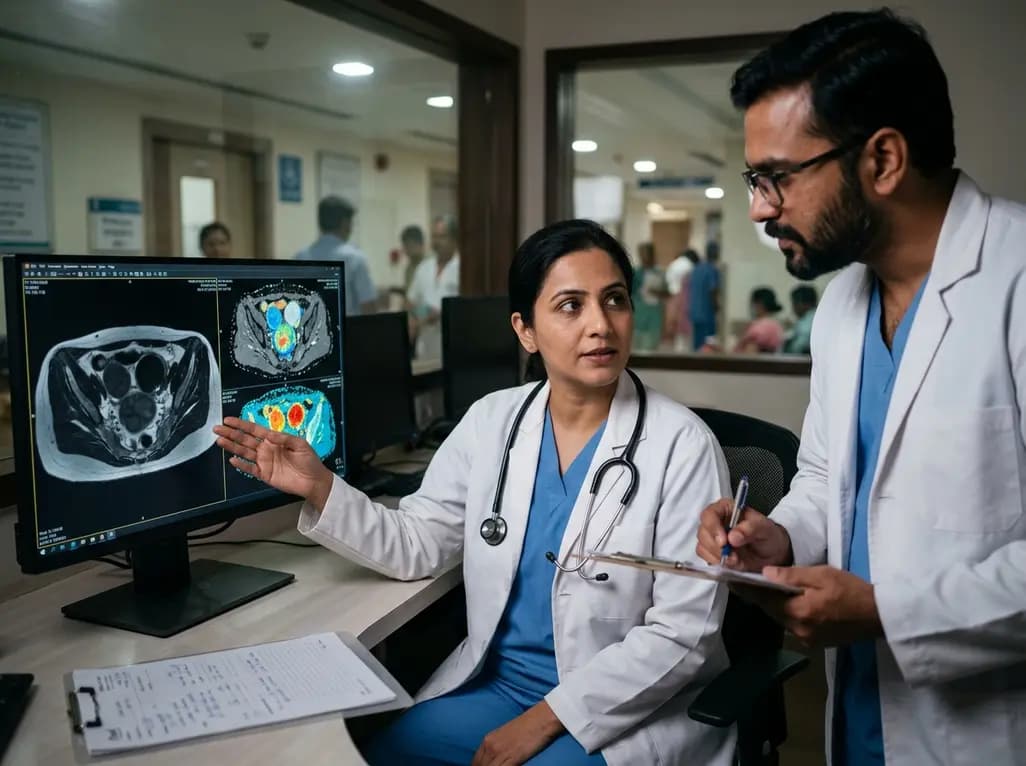
A multiparametric MRI approach combining quantitative T2 shading, apparent diffusion coefficient (ADC) measurements, and morphological signs provides superior diagnostic accuracy over subjective evaluation to differentiate ovarian endometriomas from benign hemorrhagic cysts.
Today
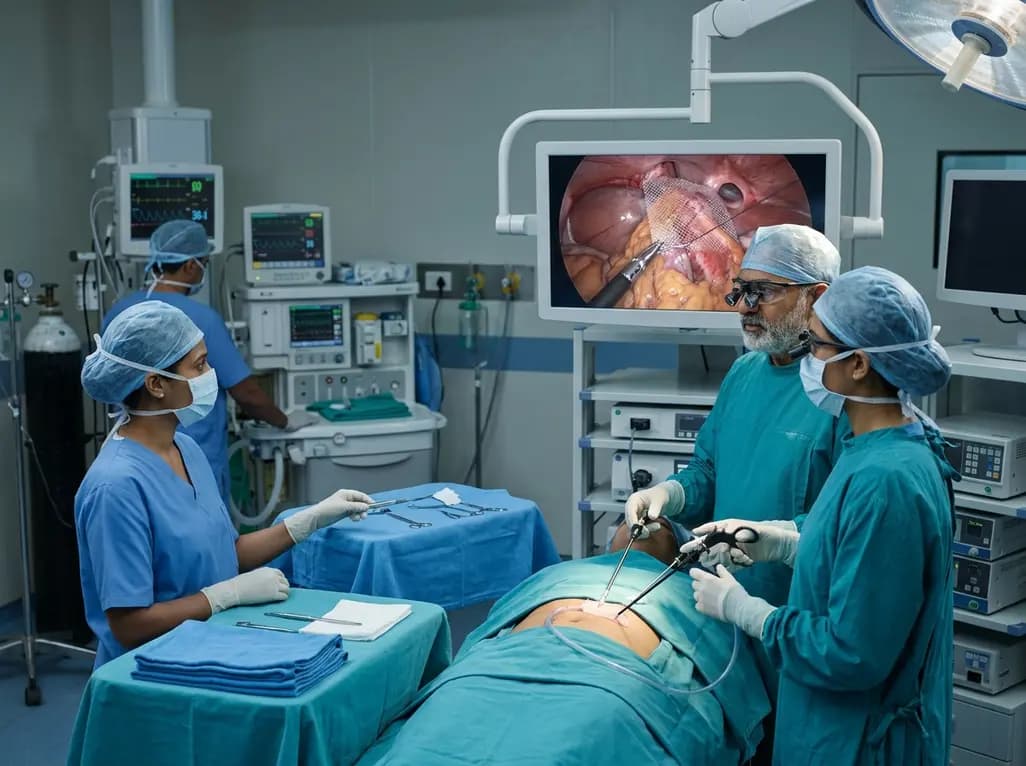
Discover a novel laparoscopic approach for iatrogenic diaphragmatic hernia repair following pedicled omentoplasty. This modified Sugarbaker technique integrates dorsal pedicle lateralization and round ligament reinforcement to secure the diaphragmatic defect while preserving vital omental vascularity.
Yesterday
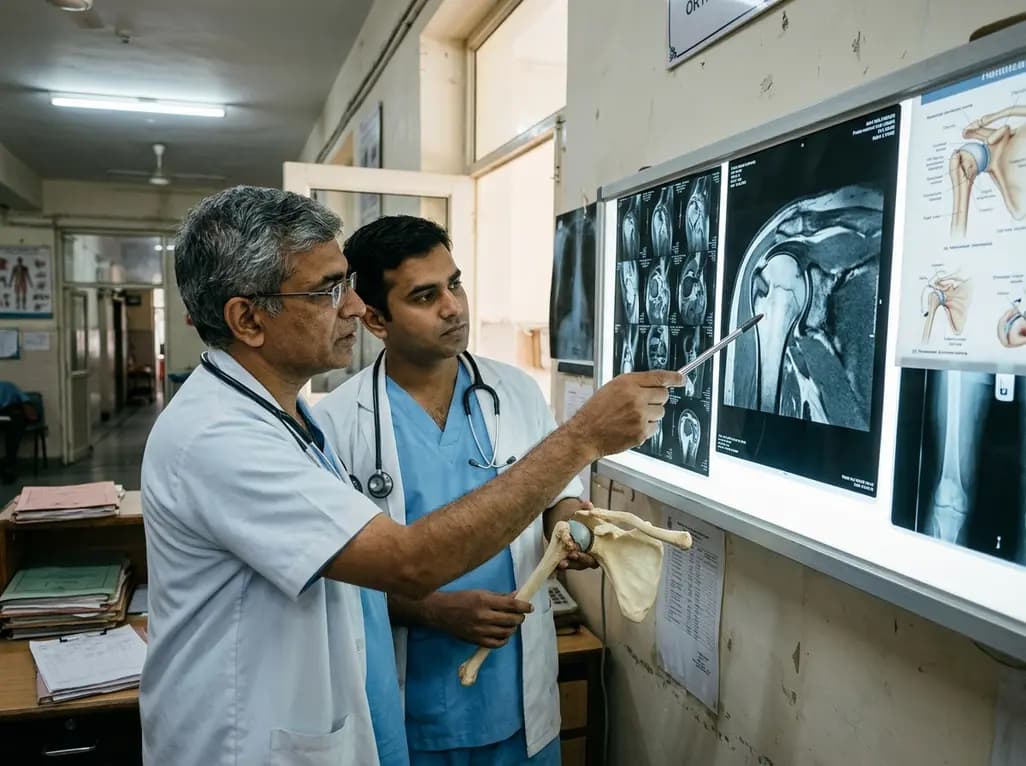
Evaluating Hill-Sachs lesion size and the distance to dislocation is critical in recurrent shoulder instability. As bone loss concepts shift from binary on-track classifications to continuous risk assessment, clinicians must identify when isolated Bankart repair is insufficient and supplementary procedures are needed.
Today
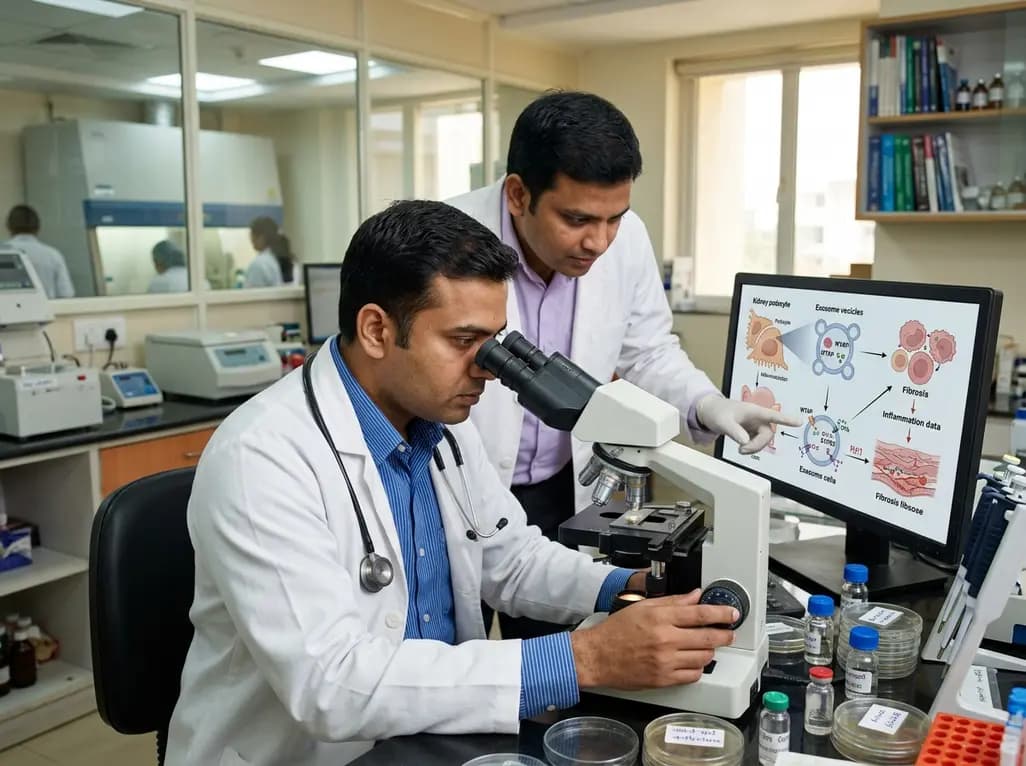
New research reveals that M1 macrophage-derived exosomes aggravate diabetic nephropathy by transferring WTAP to stabilize S1PR2 mRNA. Silencing WTAP in these vesicles attenuates endothelial injury and renal fibrosis, pointing toward innovative nanomedicine therapies.
Today
