.webp&w=384&q=75)

Loading, please wait...
Loading, please wait...
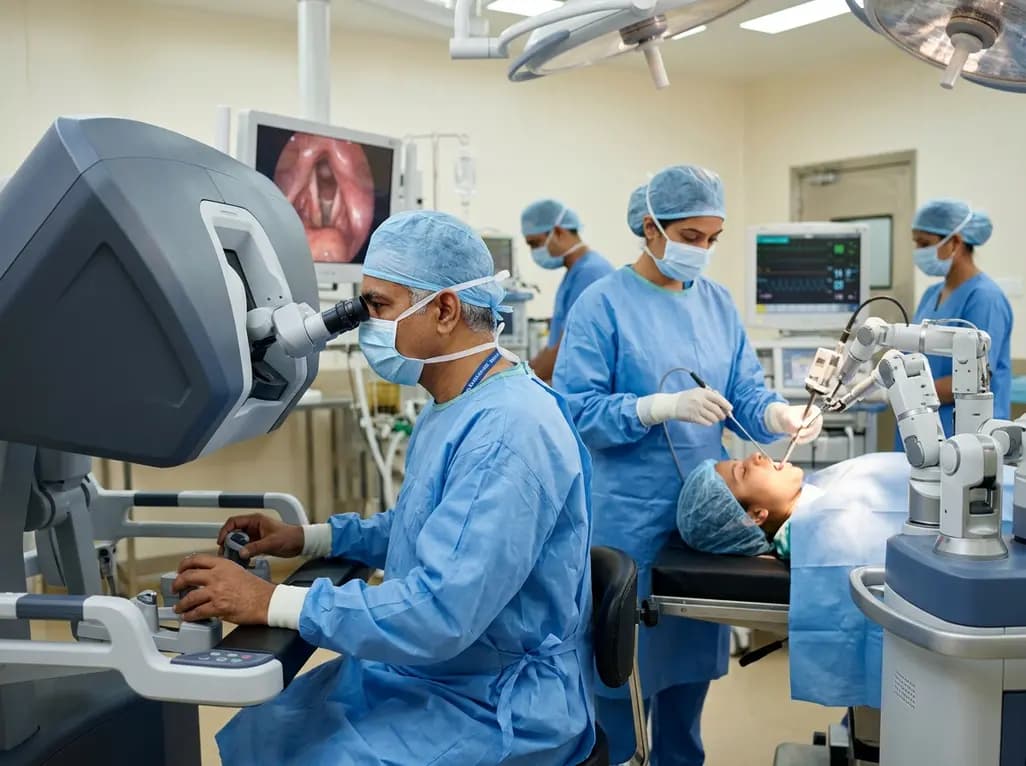
Head and neck oncology has experienced a major paradigm shift toward minimally invasive techniques over the past two decades. Among these innovations, transoral robotic surgery has emerged as a vital strategy for managing select pharyngeal and supraglottic malignancies. Historically, surgeons relied on open surgical approaches requiring extensive lip-splitting incisions and mandibulotomy. While open procedures offered reliable tumor clearance, they inevitably caused significant cosmetic disfigurement and severe long-term functional impairment in speech and swallowing.
Consequently, transoral robotic approaches fundamentally altered this therapeutic landscape. By utilizing natural anatomical corridors, transoral robotic surgery allows surgeons to access deep-seated tumors within the oropharynx, larynx, and hypopharynx without destructive external incisions. Evidence confirms that robotic assistance provides high-definition three-dimensional visualization, motion scaling, and tremor filtration. These technological advantages enable precise dissection in compact and neurovascularly dense spaces. Therefore, surgical oncologists can achieve clear margins while sparing critical adjacent musculature. Today, multidisciplinary tumor boards increasingly integrate robotic resection into organ-preservation protocols for early-stage oropharyngeal carcinoma, aiming to reduce radiation toxicity and preserve patient quality of life.
The primary benchmark for any oncologic modality remains the achievement of durable disease control. Systematic evidence demonstrates that transoral robotic surgery delivers oncologic survival rates fully comparable to definitive chemoradiation and radical open surgery for intermediate and early-stage tumors. Pathological evaluations consistently show high rates of negative surgical margins, significantly lowering local recurrence risks. Furthermore, primary surgical resection facilitates precise pathological staging, identifying unsuspected nodal metastases or extranodal extension that might necessitate customized adjuvant therapy.
Beyond oncologic clearance, the functional advantages of robotic intervention represent a major milestone in survivorship care. Because robotic arms operate through the oral aperture without disrupting suprahyoid musculature, patients retain essential neuromuscular mechanisms for deglutition. Clinical studies demonstrate that patients undergoing robotic resection experience significantly lower rates of permanent gastrostomy tube dependency than those treated with primary chemoradiotherapy. Additionally, postoperative hospital stays are noticeably shorter, allowing patients to resume normal oral diets quickly. Patients also report superior functional scores on validated swallowing and speech surveys. Thus, functional preservation directly enhances postoperative recovery and long-term well-being.
Although transoral robotic surgery confers profound functional benefits, it presents a distinct spectrum of postoperative complications that clinicians must proactively manage. The most concerning adverse event is postoperative hemorrhage, which occurs in approximately three to nine percent of cases. Because the pharyngeal resection bed heals by secondary intention without mucosal closure, branches of the lingual and facial arteries remain vulnerable. Minor mucosal bleeding can rapidly progress to catastrophic hemorrhage, threatening airway compromise. Therefore, surgeons routinely perform prophylactic transcervical ligation of major external carotid branches during concurrent neck dissection.
In addition to vascular emergencies, postoperative airway edema represents another crucial clinical consideration. Temporary intubation or elective tracheostomy may occasionally be necessary for patients with advanced baseline airway compromise or extensive resections. Furthermore, mucosal injuries from retractor placement, transient lingual nerve neuropraxia, dental trauma, and pharyngocutaneous fistulae can arise during the perioperative course. Establishing rigorous institutional clinical pathways remains vital for mitigating these hazards. Multi-tiered protocols ensure prompt identification of bleeding signs, rapid mobilization of airway teams, and early speech therapy intervention for optimized functional rehabilitation.
The evolution of robotic hardware has profoundly reshaped transoral access and operative ergonomics. Initially, surgeons repurposed multiport laparoscopic robotic systems for transoral applications. Although effective, these early platforms presented notable limitations within the narrow confines of the human oral cavity. Multiple rigid robotic arms frequently suffered from external collisions, restricting the surgeon’s angle of approach and limiting visual depth in steep anatomies such as the hypopharynx and base of tongue.
To address these geometric constraints, engineers developed dedicated single-port and flexible robotic platforms. These next-generation systems deliver three fully articulating instruments alongside an articulating high-definition stereoscopic camera through a single twenty-five-millimeter cannula. Consequently, single-port technology minimizes instrument collision and broadens surgical access for patients with retrognathia or limited mouth opening. Surgeons achieve excellent visualization around anatomical corners, navigating tortuous tissue planes with enhanced dexterity. Moreover, the streamlined physical footprint of single-port consoles accelerates operative setup times, reduces mucosal friction, and permits seamless instrument exchange, substantially expanding the therapeutic envelope for complex head and neck resections.
Despite remarkable technical milestones, transoral robotic surgery continues to confront several persistent clinical and engineering limitations. A primary mechanical drawback is the complete absence of haptic feedback. Surgeons cannot physically palpate tissue resistance, arterial pulsatility, or tumor stiffness, relying entirely on visual cues such as tissue deformation to gauge applied traction forces. This lack of tactile sensation increases the risk of unintended tissue tearing or occult vascular injury during traction maneuvers in delicate anatomical regions.
Furthermore, evidence synthesis reveals a conspicuous scarcity of multi-center randomized controlled trials comparing transoral robotic resection against definitive intensity-modulated radiotherapy. Most available literature consists of retrospective cohort series and observational studies. In addition, capital acquisition costs and expensive single-use instrumentation create substantial economic hurdles, particularly in resource-conscious healthcare ecosystems. Operating room turnover times, specialized nursing training, and rigorous proctorship requirements also slow widespread adoption. Overcoming these barriers will require the development of affordable robotic platforms, formal competency-based fellowship curricula, and robust prospective trials establishing long-term cost-effectiveness.
The future trajectory of transoral robotic surgery is intrinsically linked to artificial intelligence integration and intelligent sensor technologies. Computer vision algorithms and machine learning models are currently being developed to provide real-time intraoperative tissue characterization. By incorporating hyperspectral imaging, augmented reality overlays, and fluorescence-guided molecular imaging directly into the robotic console, AI systems can delineate microscopic tumor margins and vital vascular structures during active resection. These automated visual cues compensate for absent haptic feedback and enhance oncologic precision.
In developing healthcare environments, particularly across India, the clinical implications of these technological advances are profound. India bears a disproportionately high burden of head and neck malignancies driven by widespread tobacco consumption. Although high-volume cancer centers in major Indian metros have established successful robotic programs, equipment costs still limit widespread public sector penetration. Consequently, the advent of indigenous robotic platforms and cost-effective flexible systems will expand access for Indian patients. Establishing structured training initiatives and generating regional clinical trial data will ensure that head and neck oncologists in India can safely deliver world-class, organ-preserving surgical care.
Transoral robotic surgery preserves critical physiological structures involved in speech and deglutition. Because surgeons operate through natural orifices without mandibulotomy, patients experience significantly lower rates of long-term feeding tube dependency. Moreover, hospital stays are considerably shorter compared to conventional open surgery. Patients achieve faster recovery of normal oral intake, reduced postoperative pain, and an improved overall quality of life while maintaining robust oncologic disease control across early-stage oropharyngeal tumors.
Postoperative hemorrhage represents the most critical and potentially life-threatening complication following transoral robotic surgery. Bleeding typically occurs secondary to pharyngeal arterial branch exposure or tissue sloughing during secondary intention healing. Therefore, surgical teams must maintain strict intraoperative vascular control with clips and prophylactic ligations. In addition, institutions should establish rapid-response protocols, airway rescue strategies, and specialized postoperative monitoring to manage acute secondary hemorrhage events effectively.
Single-port robotic systems deliver significant advantages over older multiport devices in confined anatomical corridors. They route flexible robotic arms and high-definition optical cameras through a single, narrow transoral cannula. Consequently, this design minimizes external instrument collision, reduces soft tissue crowding, and enables superior reach into deep pharyngolaryngeal structures. Surgeons gain improved maneuverability, facilitating precise en bloc resections in complex anatomies where traditional multiport systems faced access limitations.
Disclaimer: This content is for informational and educational purposes only and should not be considered medical advice. Always consult a qualified healthcare professional for diagnosis and treatment decisions. Refer to the latest local and national guidelines for clinical practice.
References

Read summarized clinical updates, watch expert medical content, and earn CME certifications right from your smartphone.
Open your smartphone camera to scan and install.





A scoping review highlights the efficacy of transoral robotic surgery in head and neck oncology, offering superior functional preservation and shorter hospital stays compared to open surgery, alongside technological innovations like single-port platforms and artificial intelligence integration.
last month

A Bayesian multilevel meta-analysis reveals that aerobic training combined with moderate carbohydrate restriction modestly lowers HbA1c in type 2 diabetes. However, sparse data and very low certainty leave incremental benefits over exercise or diet alone unproven, highlighting the need for individualized care.
Today

Findings from Project Viva indicate that sustained postpartum weight retention, rather than excessive gestational weight gain alone, directly worsens women's mid-life cardiovascular health, degrading blood pressure and glycemic parameters decades after delivery.
Today
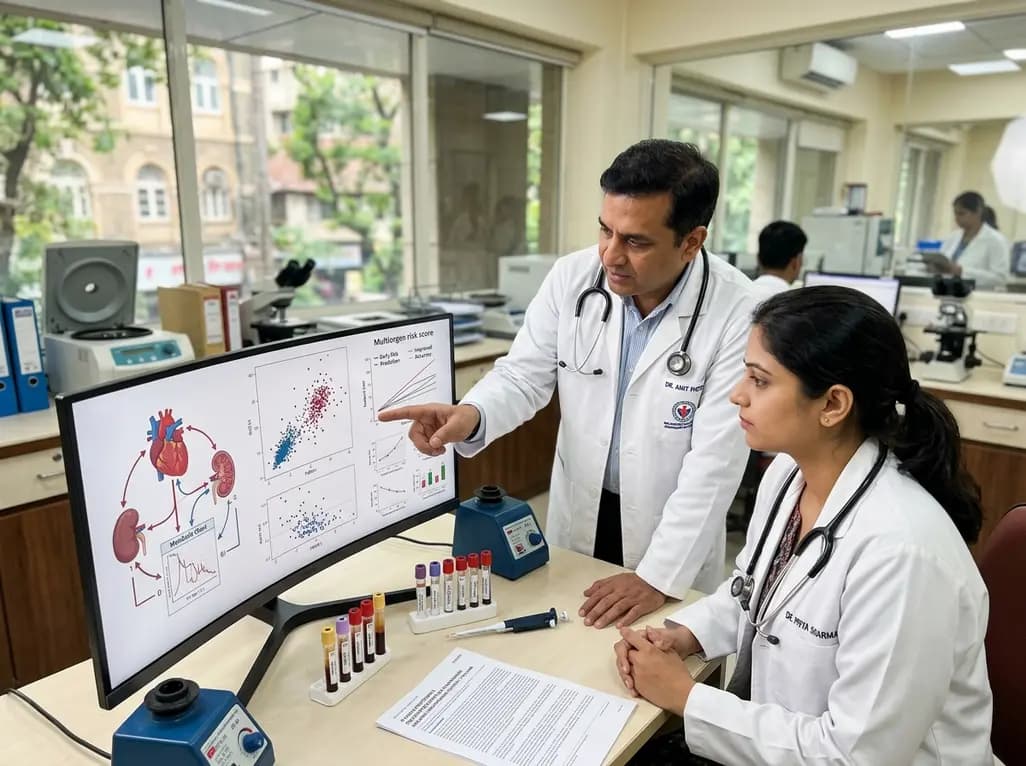
A large UK Biobank study reveals that plasma proteomic signatures capture preclinical organ damage and improve multiorgan risk prediction across early CKM syndrome stages 0 to 2 beyond traditional PREVENT clinical models.
Today
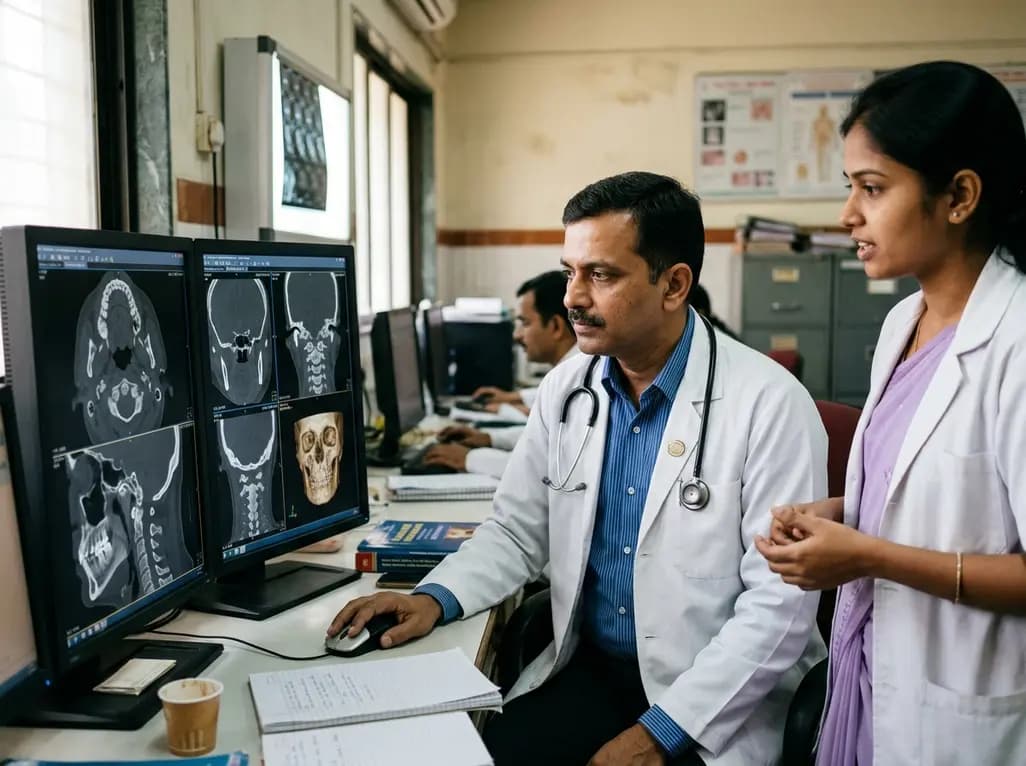
A retrospective CBCT study reveals that superior TMJ space asymmetry correlates moderately with occipital condyle-atlas-axis asymmetry in unilateral TMJ osteoarthritis, highlighting an imaging correlate between jaw biomechanics and upper cervical alignment rather than a standalone diagnostic marker.
Today
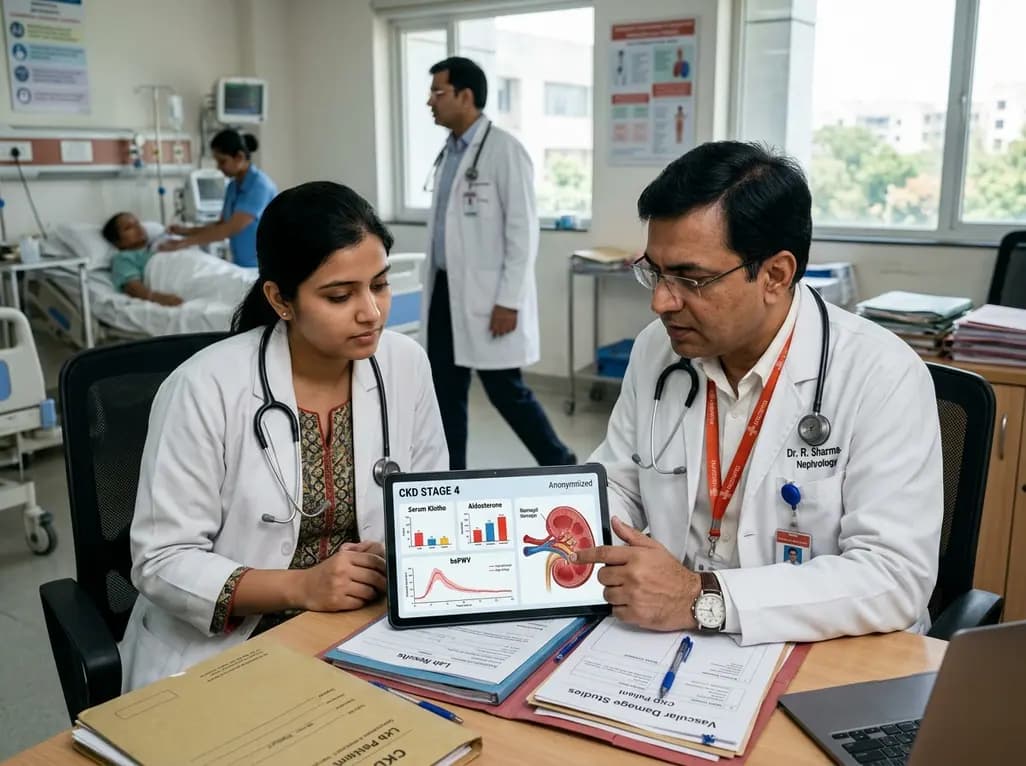
A cross-sectional investigation highlights the complex pathophysiological links between serum Klotho deficiency, secondary hyperaldosteronism, and vascular damage in CKD. Discover key insights into non-invasive vascular stiffness markers and targeted therapeutic pathways for cardiorenal protection.
Today
