

Loading, please wait...
Loading, please wait...

Adolescence represents a critical neurodevelopmental window marked by rapid emotional, cognitive, and social transformation. Consequently, this transitional period confers heightened vulnerability to severe mental illnesses. Major depressive disorder, bipolar disorder, and schizophrenia frequently manifest during these years. Clinicians often observe overlapping clinical features among these conditions, complicating differential diagnosis. Historically, neuroscientists examined each clinical condition in isolation. However, contemporary neuroimaging paradigms now explore shared biological mechanisms across traditional diagnostic silos. A comprehensive understanding of adolescent psychiatric disorders requires investigating how functional brain connectomes reconfigure over time. Dynamic functional connectivity captures the temporal fluidity of large-scale neural assemblies. By examining time-varying brain states and their underlying neurochemical architectures, researchers can clarify how neurodevelopmental trajectories derail during youth. Ultimately, identifying shared and distinct connectomic signatures will advance early diagnostic accuracy and targeted interventions.
To investigate these developmental mechanisms, researchers analyzed resting-state functional magnetic resonance imaging data from a well-characterized adolescent cohort. Specifically, the study evaluated 189 adolescent patients, including 61 diagnosed with bipolar disorder, 73 with major depressive disorder, and 55 with schizophrenia, alongside 181 healthy matched controls. Rather than relying on traditional static connectivity, investigators applied an edge-centric dynamic functional connectivity framework. Conventional node-based methods average temporal interactions across large anatomical brain regions. Consequently, static models frequently obscure brief, transient circuit interactions. In contrast, edge-centric techniques assess co-fluctuations between pairs of edges at high temporal resolution. Therefore, this approach captures instantaneous synchronization across distributed neural networks. By performing clustering analysis on edge-level dynamics, the authors identified four recurring dynamic states in healthy adolescents. Notably, these dynamic brain states corresponded to distinct behavioral domains, such as motor control, somatosensory processing, and higher-order executive cognition. This baseline framework enabled accurate quantification of network breakdowns in adolescent psychiatric disorders.
When comparing patients to healthy controls, the edge-centric framework identified striking transdiagnostic commonalities. Disorder-related connectivity alterations appeared prominently in three distinct brain states. Specifically, two states involved somatosensory and motor systems, whereas a third state encompassed cognitive operations. Regardless of the dynamic state, all three patient groups exhibited widespread reductions in functional connectivity across subsystem edges. Furthermore, these diminished connections predominantly engaged regions within the somatomotor network. Psychiatric research historically focused on prefrontal-limbic circuits, often considering sensorimotor networks secondary. However, these findings reveal that somatomotor hypo-connectivity represents a fundamental, shared neurobiological abnormality across bipolar disorder, major depression, and schizophrenia. Somatomotor circuits regulate external environment perception, body schema integration, and psychomotor control. Therefore, persistent hypo-connectivity in these pathways likely produces shared cross-diagnostic symptoms, including psychomotor agitation, physical lethargy, and somatic complaints. Additionally, diminished cross-talk between functional subsystems reflects impaired global network integration during youth.
Although shared connectivity deficits characterized all three patient groups, the edge-centric analysis also detected disorder-specific neurobiological divergence. Most notably, adolescents with major depressive disorder exhibited a distinct hyper-connectivity profile that was absent in bipolar disorder and schizophrenia. Specifically, depressed adolescents demonstrated significantly increased functional connectivity primarily linked to core nodes of the default mode network. The default mode network comprises regions such as the posterior cingulate cortex, precuneus, and medial prefrontal cortex. Clinically, this network governs self-referential thought, autobiographical memory recall, and introspective processing. In healthy individuals, the default mode network attenuates its activity during goal-directed, externally focused tasks. Conversely, in depressed youth, hyper-connectivity within these hubs perpetuates excessive self-focused attention, depressive rumination, and persistent negative affect. Therefore, while somatomotor hypo-connectivity reflects a shared transdiagnostic vulnerability, default mode hyper-connectivity appears to confer specific phenotype expression in depressive illness. Consequently, these findings validate the dual nature of adolescent psychiatric pathology, featuring broad transdiagnostic connectome destabilization alongside distinctive, illness-specific circuit anomalies.
Beyond pairwise connectivity, the investigators conducted graph-based topological analyses to assess global and local network architecture. Healthy human brains naturally organize with a small-world topology, balancing local specialized processing modules with efficient long-range integration. In this adolescent cohort, graph metrics revealed disrupted small-world organization across all patient groups in a state-dependent manner. Additionally, researchers detected significant alterations in nodal degree, which reflects the relative importance and communication traffic of specific brain hubs. To bridge macroscopic connectomics with microscopic molecular mechanisms, the authors correlated regional nodal degree alterations with spatial distributions of primary neurotransmitters. Interestingly, distinct patterns of nodal reorganization aligned with regional concentrations of multiple neurotransmitters. Neurotransmitter receptors and transporters dictate synaptic plasticity, signal transmission fidelity, and developmental synaptic pruning during adolescence. Thus, altered communication efficiency across macroscale brain hubs does not occur in an anatomical vacuum. Instead, it reflects spatial variations in molecular signaling systems. Moreover, understanding how monoaminergic, glutamatergic, and GABAergic distributions modulate whole-brain topology provides critical clues into the neurochemical etiology of major psychiatric illnesses during formative adolescent years.
Among the diverse neurotransmitter profiles examined, one neurochemical finding demonstrated remarkable cross-disorder significance. Intriguingly, regional noradrenaline concentration showed consistent involvement in the nodal degree alterations observed in each patient group. Noradrenaline, synthesized primarily in the locus coeruleus, orchestrates arousal, cognitive flexibility, sensory gating, and stress responsivity throughout distributed cortical networks. Adolescence involves extensive maturation of noradrenergic pathways and heightened susceptibility to environmental stressors. Therefore, the convergent correlation between noradrenaline distribution and nodal degree abnormalities suggests that noradrenergic dysregulation acts as a universal neurochemical driver across adolescent psychiatric disorders. Furthermore, the clinical relevance of these network disruptions was confirmed through direct correlation with symptom severity. Specifically, in adolescents with major depressive disorder, decreased functional connectivity involving somatomotor network regions significantly correlated with objective clinical variables. This correlation demonstrates that macroscale network decoupling is not an incidental neuroimaging artifact. Instead, it directly mirrors functional impairment and symptom expression in adolescent patients. Consequently, evaluating noradrenergic tone and sensorimotor integrity may offer valuable predictive insights into clinical course and illness severity.
These discoveries offer valuable translational implications for clinical psychiatry, neurology, and adolescent mental health management. Traditionally, diagnostic classification relies exclusively on observable subjective symptoms detailed in manuals like the DSM or ICD. However, high clinical comorbidity and overlapping symptoms frequently impede accurate differentiation during initial presentations. Transdiagnostic neuroimaging frameworks support a dimensional perspective, aligning closely with the Research Domain Criteria initiative. By recognizing that somatomotor hypo-connectivity and noradrenergic perturbations represent shared pathophysiological mechanisms, clinicians can appreciate common vulnerability pathways across diagnostic categories. Furthermore, identifying depressive-specific default mode hyper-connectivity provides an objective biomarker to distinguish unipolar depression from early bipolar or psychotic prodromes. In clinical practice, these insights may inform the rational selection of psychopharmacological agents, especially medications modulating noradrenergic neurotransmission. Additionally, non-invasive neuromodulation techniques, such as repetitive transcranial magnetic stimulation, could target specific somatomotor or default mode circuits to restore network equilibrium. Ultimately, integrating time-varying connectomics with molecular receptor maps brings clinicians closer to personalized, biologically grounded psychiatric interventions for vulnerable young individuals.
Traditional node-based neuroimaging calculates time-averaged correlations between predefined brain regions, often missing transient network dynamics. In contrast, edge-centric dynamic functional connectivity tracks instantaneous co-fluctuations between pairs of connections over time. This approach captures high-order network interactions, resolving rapid state transitions and subtle circuit disruptions across psychiatric disorders.
Somatomotor networks coordinate sensory inputs, motor execution, and environmental engagement. During adolescence, these circuits undergo extensive structural and functional remodeling. Disruptions within somatomotor connectivity impair global network integration, producing shared transdiagnostic manifestations such as psychomotor agitation, psychomotor slowing, physical lethargy, and somatic symptoms seen across mood and psychotic disorders.
Noradrenaline regulates attention, arousal, and network-wide gain control during stressful developmental periods. Because noradrenaline distribution correlated with topological alterations across all three patient groups, it represents a unified therapeutic target. Clinicians can consider noradrenergic pharmacotherapy or neuromodulation strategies to stabilize cortical dynamics in vulnerable adolescents.
Disclaimer: This content is for informational and educational purposes only. It is not intended to be a substitute for professional medical advice, diagnosis, or treatment. Always seek the advice of your physician or other qualified health provider with any questions you may have regarding a medical condition. Refer to the latest local and national guidelines for clinical practice.
References

Read summarized clinical updates, watch expert medical content, and earn CME certifications right from your smartphone.
Open your smartphone camera to scan and install.





A landmark neuroimaging study reveals transdiagnostic functional brain network disruptions and noradrenaline signatures across adolescents with bipolar disorder, depression, and schizophrenia, highlighting common sensorimotor alterations and disease-specific default mode changes.
Today

A comprehensive practical review detailing a phenotype-guided approach to the pharmacological management of POTS. Learn how to tailor off-label pharmacotherapy across neuropathic, hypovolemic, and hyperadrenergic subtypes, while navigating the complex POTS-hEDS-MCAS triad in routine practice.
Today
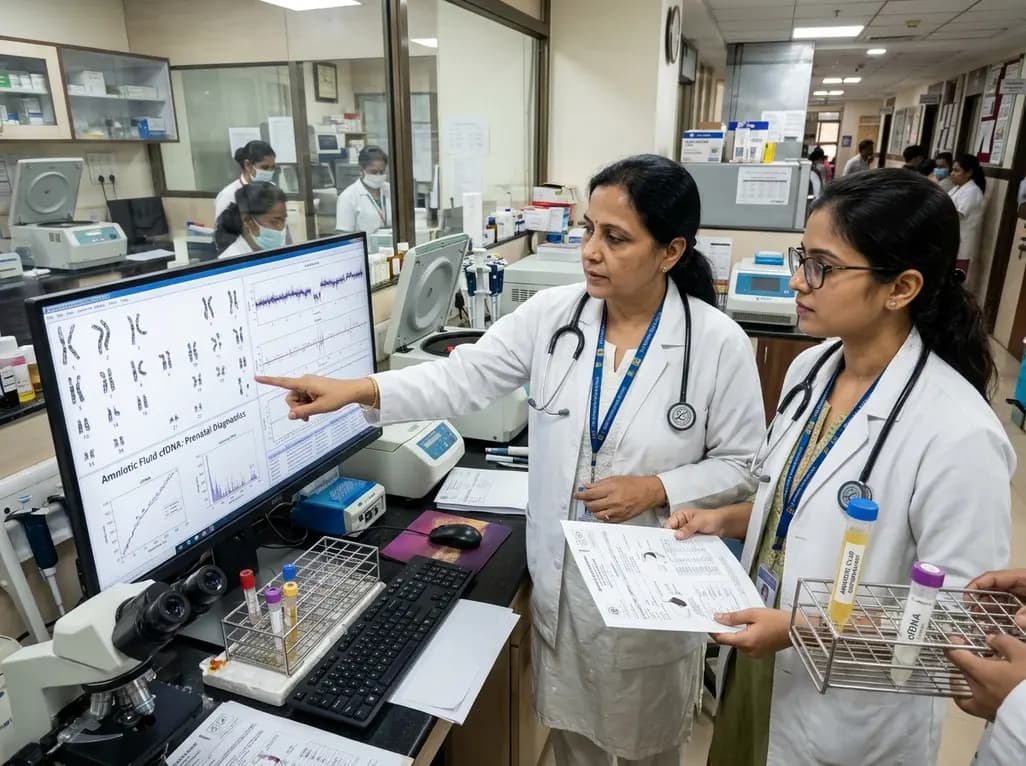
Amniotic fluid cell-free DNA offers a rapid alternative to cultured amniocytes in prenatal testing. With high yield, lack of maternal contamination, and full concordance across microarrays and exome sequencing, it dramatically cuts diagnostic turnaround time.
Today
Investigating the patterns, barriers, and facilitators of sedentary behaviour, physical activity, and nutrition among hybrid employees working from home, with practical recommendations for clinicians managing cardiometabolic and musculoskeletal health.
Today
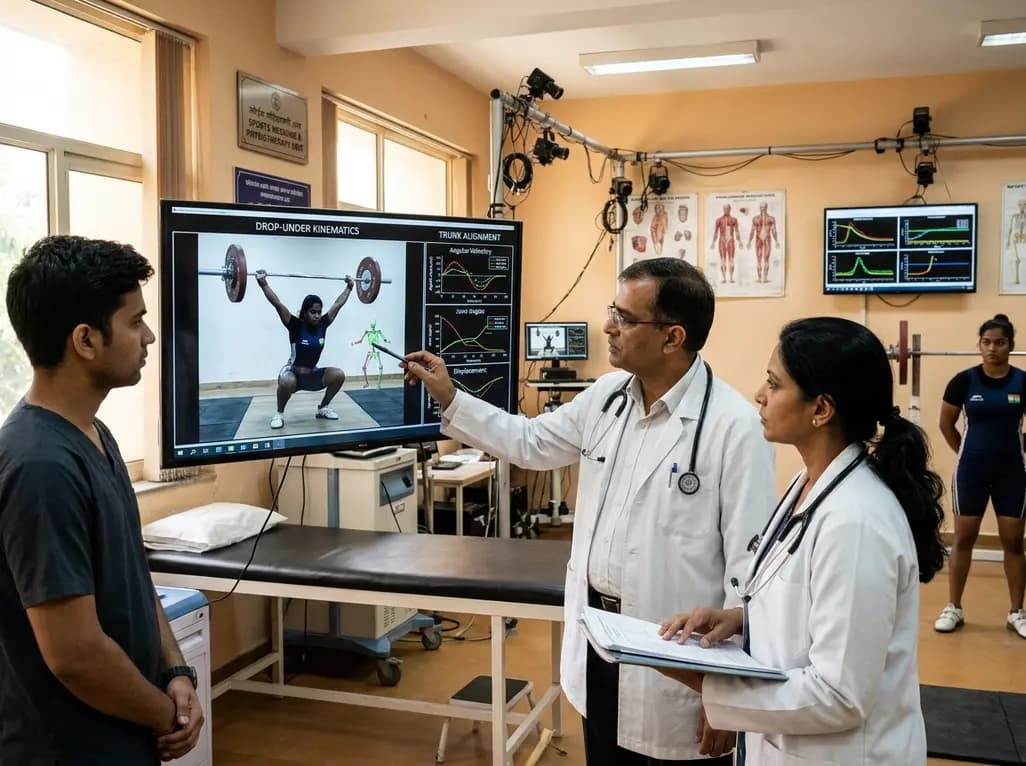
A systematic review of 15 studies and 574 competitive weightlifters establishes normative benchmarks for snatch drop-under kinematics, highlighting turnover speed, horizontal displacement, and trunk alignment to optimize performance and prevent overhead injuries.
Today

Knocking out the adipocyte ETB receptor attenuates high-fat diet-induced dyslipidemia, lowering LDL, cholesterol, and free fatty acids while preserving lipid oxidation gene expression in visceral adipose tissue.
Today
