.webp&w=384&q=75)

Loading, please wait...
Loading, please wait...

Global healthcare systems increasingly recognize traditional and integrative medicine as a valuable component of patient-centered healthcare delivery. The World Health Organization launched the Global Traditional Medicine Strategy 2025–2034 to guide member states in harmonizing ancestral healing wisdom with conventional biomedical practice. In India, where traditional AYUSH systems are woven into cultural life, this global policy transition holds profound clinical significance. However, moving beyond informal coexistence toward structured health-system integration demands clear scientific validation, appropriate regulatory frameworks, and ethical governance. The Second Global Summit on Traditional Medicine in New Delhi further emphasized that integration cannot occur through ad hoc adoption or uncritical acceptance. Instead, health authorities must establish rigorous clinical benchmarks to ensure interventions remain safe, equitable, and effective. Consequently, healthcare providers must understand both the therapeutic opportunities and the structural challenges of blending these modalities. Moreover, sustainable integration requires deep mutual respect between biomedical doctors and certified traditional practitioners. When modern physicians approach complementary practices with objective, evidence-based scrutiny, they can better counsel patients who routinely utilize multiple therapeutic traditions. Ultimately, achieving universal health coverage requires collaborative care models that respect traditional heritage while strictly adhering to contemporary scientific standards.
Evaluating traditional therapies through conventional biomedical research designs presents substantial methodological challenges. Standard randomized controlled trials typically assess single isolated chemical entities, whereas traditional interventions emphasize whole systems, complex herbal mixtures, and individualized lifestyle counseling. Therefore, clinical researchers must develop and deploy innovative trial methodologies, including adaptive designs, observational cohort studies, and real-world evidence frameworks. Furthermore, health economists must investigate the cost-effectiveness of integrative protocols across high-burden chronic disease populations. In conditions like osteoarthritis, metabolic syndrome, chronic pain, and functional gastrointestinal disorders, multimodal complementary approaches frequently enhance functional recovery and patient-reported outcomes. However, medical specialists cannot accept therapeutic assertions without verifiable efficacy and safety documentation. Rigorous pharmacokinetic and pharmacodynamic investigations are critical to uncover potential herb-drug interactions, particularly in cardiology and oncology settings. In addition, academic research institutions should collaborate with manufacturers to develop standardized extracts with consistent chemical profiles. When researchers subject traditional formulations to rigorous peer review, they build interprofessional trust across the medical establishment. Consequently, robust evidence generation empowers physicians to offer clear, scientifically grounded guidance rather than outright dismissing patient inquiries.
Patient safety represents the non-negotiable foundation of any health system integrating traditional and complementary practices. Unregulated supply chains, inconsistent manufacturing standards, heavy metal contamination, and synthetic drug adulteration pose severe clinical risks to vulnerable patients. Therefore, regulatory bodies must mandate strict Good Manufacturing Practice compliance for all botanical and traditional medicinal formulations. Furthermore, national health authorities must establish dedicated pharmacovigilance programs to systematically detect, record, and assess adverse events associated with herbal remedies. In daily clinical practice, physicians should routinely capture detailed herbal remedy usage during comprehensive medication reconciliation. However, many patients withhold this information due to perceived clinician skepticism or fear of disapproval. Consequently, modern practitioners must cultivate open, empathetic communication during routine consultations to uncover concurrent treatments. Moreover, regulatory agencies must actively curb aggressive direct-to-consumer digital marketing that makes misleading or fraudulent therapeutic claims. Online misinformation often deceives vulnerable individuals with chronic illnesses into discontinuing vital life-saving biomedical therapies. Accordingly, comprehensive post-market surveillance, public awareness campaigns, and robust regulatory enforcement are vital to safeguard public health and ensure long-term therapeutic transparency.
Ethical integration demands absolute respect for the rights, cultural heritage, and sovereignty of Indigenous communities. Historically, commercial enterprises have extracted ancestral botanical knowledge without providing fair financial compensation or intellectual recognition to originating populations. To prevent biopiracy and exploitation, national health policies must strictly enforce the Nagoya Protocol and the Convention on Biological Diversity. Furthermore, traditional medicine research agendas must center genuine Indigenous leadership rather than relying on superficial stakeholder consultation. Indigenous communities possess legitimate authority over their ancestral medical knowledge, sacred therapeutic rituals, and local biodiversity. Therefore, academic institutions must establish participatory research frameworks that ensure community-directed oversight across all discovery and clinical stages. In addition, legally binding access and benefit-sharing mechanisms must ensure economic benefits flow directly back into community health infrastructure. When scientific institutions respect customary laws and intellectual property rights, they build enduring partnerships based on mutual trust. Conversely, disregarding community governance leads to cultural erosion and public disenfranchisement. Health systems must therefore establish statutory protections that honor ancestral wisdom while enabling ethical scientific inquiry.
Implementing integrative medicine within mainstream healthcare requires flexible operational frameworks aligned with local institutional capacities. Health policy experts delineate integration across an evolutionary continuum spanning four progressive operational stages. Initially, health systems operate under parallel coexistence, where modern allopathic medicine and traditional AYUSH practitioners work in complete isolation. Next, health systems establish coordinated cross-referral pathways, enabling biomedical specialists and traditional clinicians to communicate regarding patient management. Furthermore, progressive medical institutions implement co-located models, housing specialized integrative clinics within modern tertiary hospital facilities. For instance, dedicated integrative oncology and chronic pain units in premier Indian hospitals provide acupuncture, yoga, and standardized herbs alongside chemotherapy. Finally, mature healthcare environments achieve fully blended multidisciplinary care, where interprofessional teams design unified, evidence-based management plans. However, successful operational blending requires standardized electronic medical documentation and comprehensive cross-disciplinary clinical training. Biomedical curricula should educate future doctors about the pharmacology, contraindications, and therapeutic value of prominent traditional therapies. Consequently, structured integration enables Indian clinicians to deliver coordinated, culturally competent care that optimizes health outcomes.
The WHO strategy establishes international benchmarks for safety, efficacy, and quality control across traditional health interventions. For practicing clinicians, this initiative accelerates the generation of rigorous clinical trial data and clarifies potential drug-herb interactions. Furthermore, it encourages health systems to establish structured referral protocols between biomedical physicians and certified traditional practitioners. Consequently, clinicians gain reliable evidence-based guidelines to advise patients safely regarding integrative therapies while preventing adverse interactions and unsupervised treatment abandonment.
The main safety risks involve heavy metal contamination, batch inconsistency, product adulteration, and adverse pharmacological interactions with conventional medications. Many botanical preparations alter hepatic drug-metabolizing enzymes or renal excretion pathways, compromising the efficacy of antidiabetic, antihypertensive, or chemotherapeutic drugs. Furthermore, unregulated digital marketing frequently misleads patients into replacing validated biomedical therapies with unproven supplements. Therefore, clinicians must routinely take thorough herbal usage histories and educate patients on purchasing certified, standardized medicinal formulations.
Successful implementation requires multidisciplinary clinical governance, joint institutional review boards, and shared electronic medical records to ensure transparent communication between teams. Healthcare facilities must employ credentialed traditional practitioners who adhere strictly to standardized clinical protocols and institutional safety guidelines. Furthermore, hospitals should initiate pilot programs in supportive departments such as palliative care, rheumatology, and oncology. This phased collaborative approach allows clinicians to measure patient outcomes systematically, track safety indicators, and establish mutual interprofessional trust.
Disclaimer: This content is for informational and educational purposes only. It does not constitute medical advice, diagnosis, or treatment. Always consult qualified healthcare professionals for specific clinical concerns. Refer to the latest local and national guidelines for clinical practice.
References
Abdul-Samed AB et al. Bridging Worlds: Can Evidence, Regulation and Indigenous Leadership Shape the Future of Traditional, Complementary and Integrative Medicine? Int J Health Plann Manage. 2026 Sep 12. doi: 10.1002/hpm.70139. PMID: 42731978.
World Health Organization. Global traditional medicine strategy 2025–2034. Geneva: World Health Organization; 2025.
World Health Organization. The Delhi Declaration on Traditional Medicine: Outcomes of the Second WHO Global Summit on Traditional Medicine. Geneva: World Health Organization; 2025.

Read summarized clinical updates, watch expert medical content, and earn CME certifications right from your smartphone.
Open your smartphone camera to scan and install.





A comprehensive analysis of the WHO Global Traditional Medicine Strategy 2025–2034, examining clinical evidence standards, safety regulation, Indigenous knowledge governance, and integrative healthcare models for modern medical practice.
Today
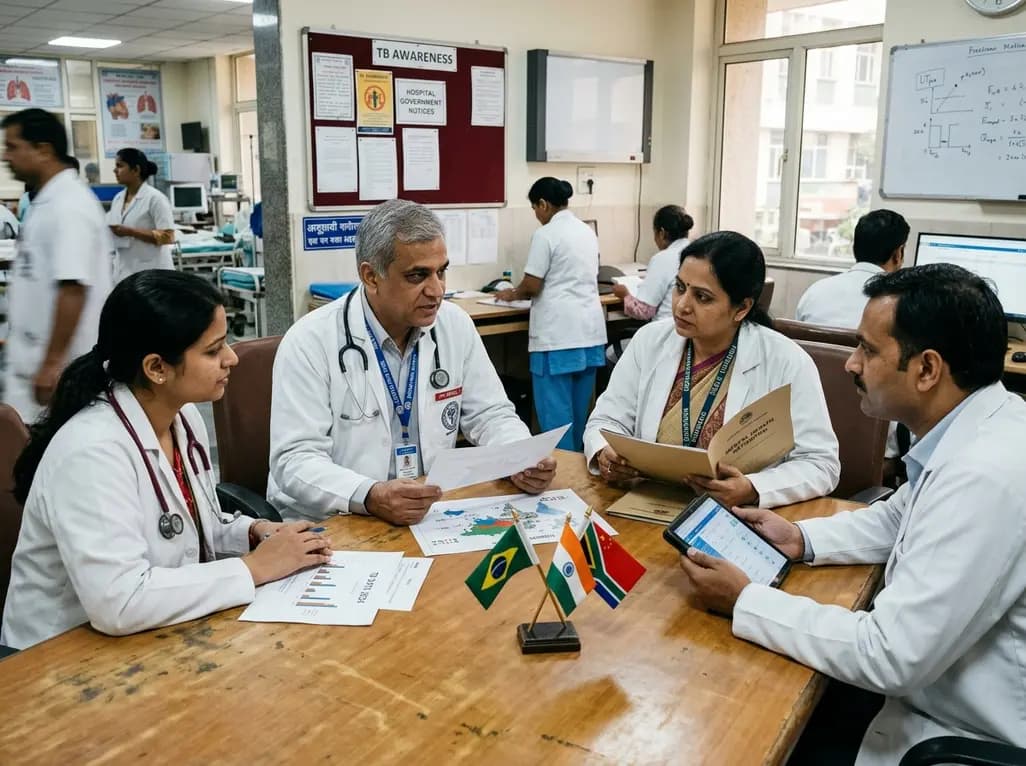
At the New Delhi Summit, BRICS leaders adopted a landmark declaration committing member nations to united action against tuberculosis, non-communicable diseases, and future pandemic threats. Key actions include NIMHANS-led mental health networks, digital health architectures, and evidence-based integrative medicine.
Today
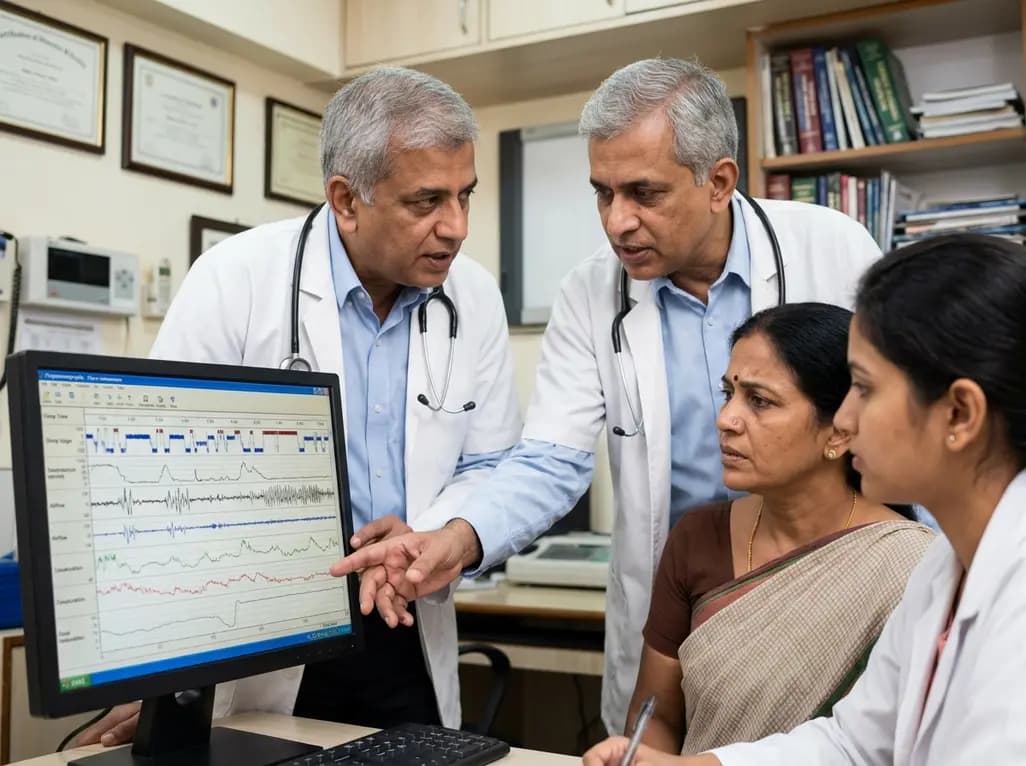
Perimenopausal obstructive sleep apnea often goes undetected due to atypical polysomnographic presentations and symptom overlap with menopause. This review details its neurocognitive mechanisms, polysomnography markers, and precision management strategies.
Today
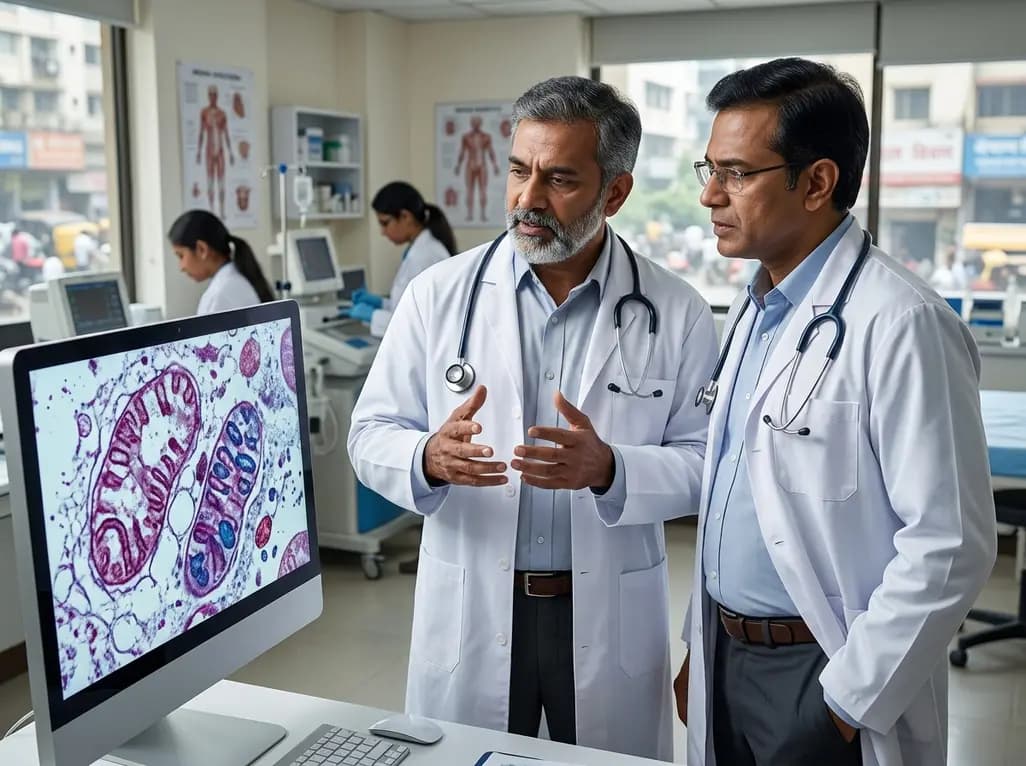
Mitochondrial deubiquitinases regulate organelle turnover by editing ubiquitin tags on damaged mitochondria. Discover how targeting these enzymes, notably USP30, offers therapeutic strategies for neurodegenerative, cardiovascular, and metabolic disorders.
Today
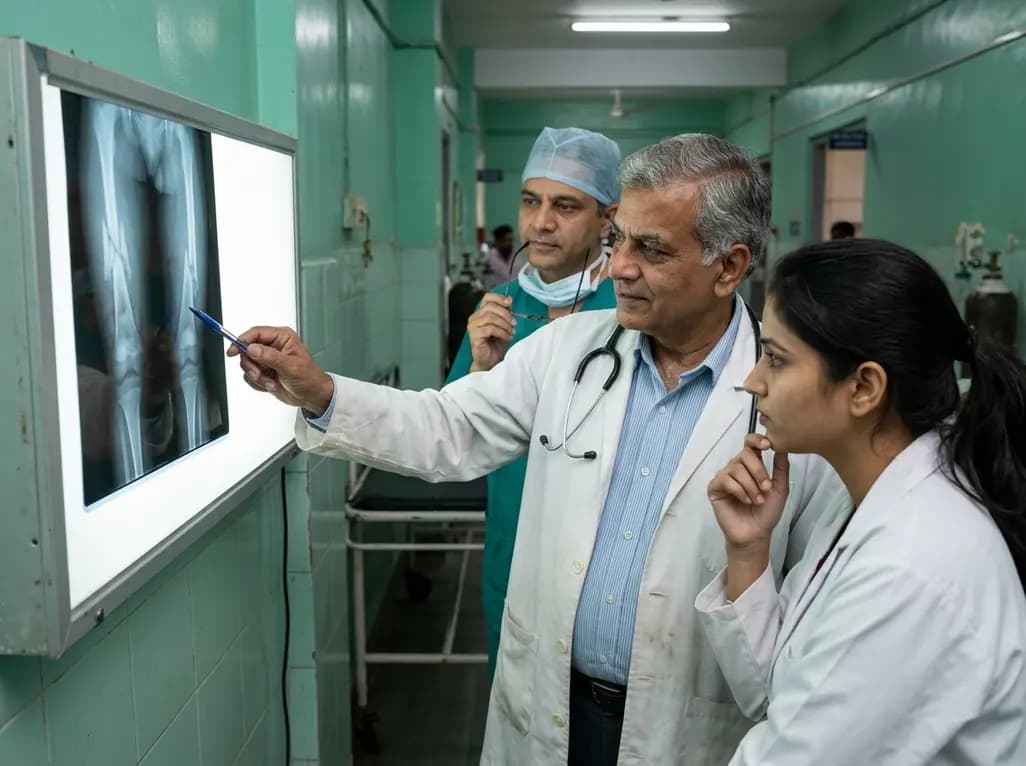
A rare case of a pediatric pathological femoral fracture caused by occult telangiectatic osteosarcoma demonstrates the risks of misdiagnosis after trauma, where intramedullary nailing prompted iatrogenic tumor dissemination and required modular total endoprosthetic reconstruction.
Today
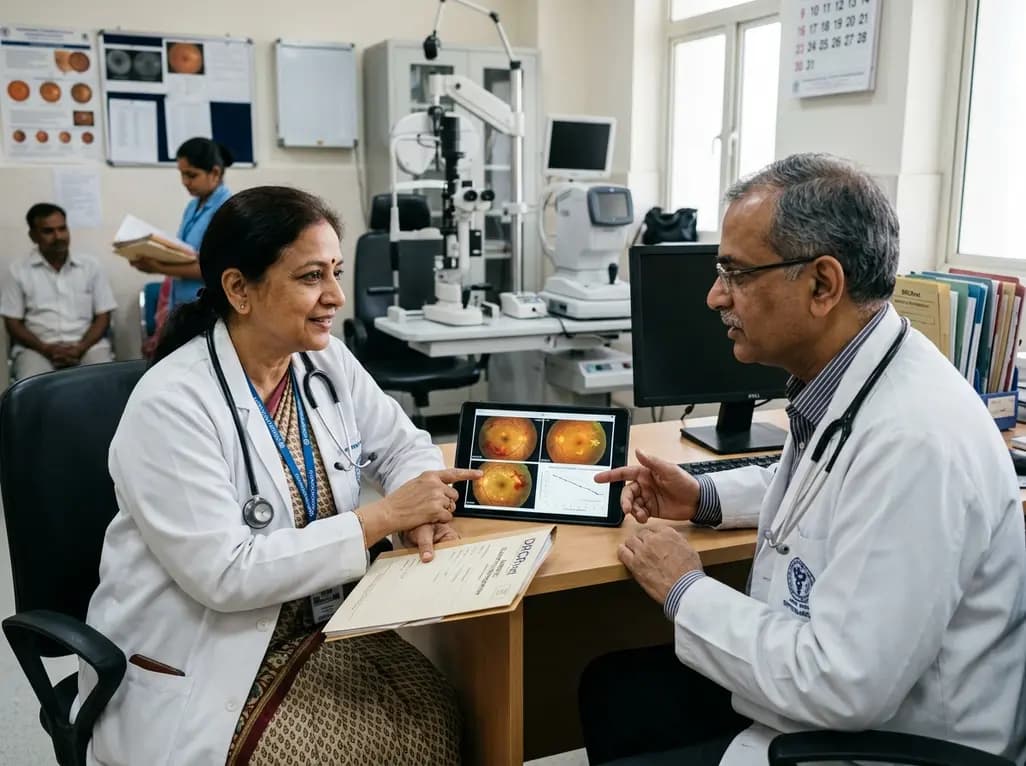
A comprehensive analysis of DRCRnet studies reveals that 15.1% of participants discontinue diabetic retinopathy clinical trials. Identifying baseline demographic and clinical predictors helps ophthalmologists and endocrinologists mitigate real-world treatment dropouts and protect long-term visual outcomes.
Today
