.webp&w=384&q=75)

Loading, please wait...
Loading, please wait...
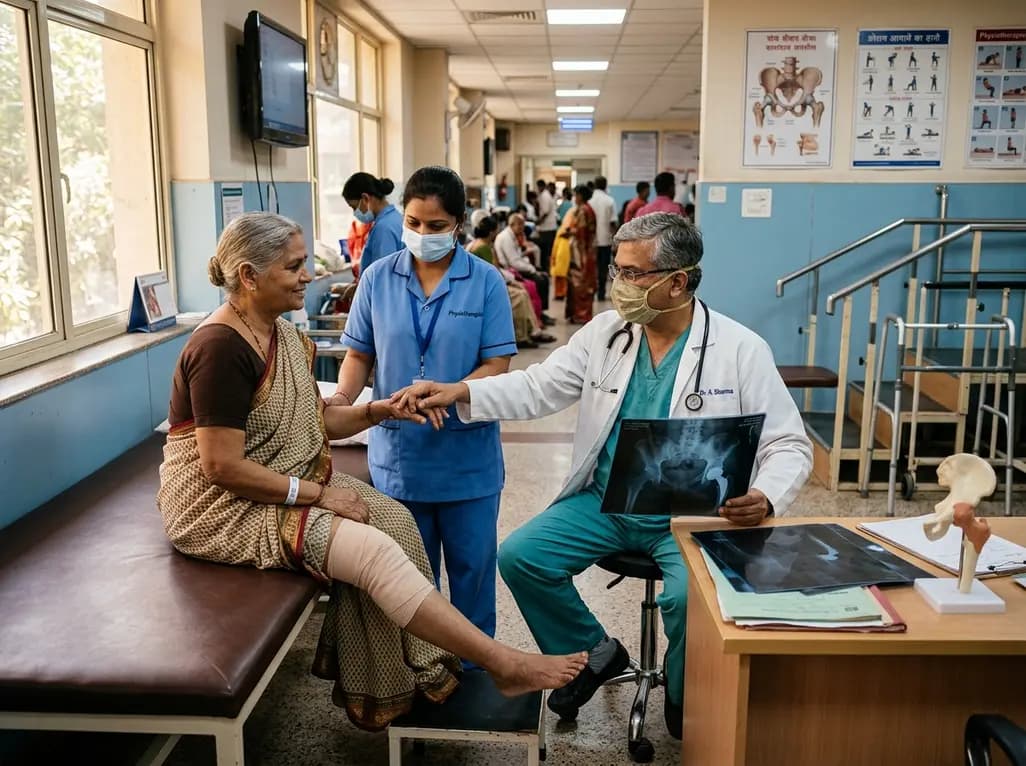
Extrapulmonary tuberculosis remains a significant healthcare challenge worldwide. Among osteoarticular presentations, hip joint tuberculosis represents one of the most debilitating forms, frequently resulting in severe cartilage destruction, joint deformity, chronic disabling pain, and profound functional limitation. Restoring functional independence in advanced disease requires a precise balance between microbiological eradication, surgical reconstruction, and dedicated rehabilitation.
Hip joint tuberculosis accounts for approximately fifteen percent of all osteoarticular tuberculosis cases, making it the second most frequent skeletal site after the spine. The disease typically begins insidiously within the synovium or adjacent subchondral bone. As Mycobacterium tuberculosis proliferates, chronic granulomatous inflammation triggers extensive pannus formation, periarticular osteopenia, and irreversible cartilage loss. Consequently, patients present with progressive hip stiffness, antalgic limp, muscle wasting, and severe nocturnal pain. In neglected or advanced stages, extensive bone disintegration compromises the femoral head and acetabulum, leading to limb length discrepancies and fixed flexion-adduction deformities. Historically, surgeons managed advanced disease with joint arthrodesis or excision arthroplasty. Although these legacy procedures achieved local infection control, they inevitably caused persistent pelvic tilt, abnormal gait mechanics, severe functional impairment, and secondary spinal degeneration. Modern clinical paradigms have shifted toward preserving or restoring joint mechanics through total hip arthroplasty. However, the risk of reactivating dormant mycobacteria within surgical beds requires meticulous preoperative planning. Clinicians must thoroughly eradicate viable bacilli through targeted chemotherapy before attempting prosthetic replacement.
Accurate diagnosis of hip joint tuberculosis remains challenging because clinical signs often mimic pyogenic arthritis, inflammatory spondyloarthropathies, or advanced degenerative joint disease. Therefore, clinicians must pursue a systematic diagnostic pathway combining laboratory assays, cross-sectional imaging, and microbiological verification. Serum inflammatory markers, including erythrocyte sedimentation rate and C-reactive protein, provide vital baselines for disease monitoring. Furthermore, magnetic resonance imaging effectively delineates synovial proliferation, bone marrow edema, and periarticular cold abscesses. Definitive confirmation, however, relies on tissue pathology and microbiological isolation. Image-guided bone biopsy or synovial aspiration enables acid-fast bacilli staining, automated nucleic acid amplification tests, and mycobacterial cultures. Identifying the pathogen confirms the diagnosis and establishes antimicrobial susceptibility profiles. This microbiological clarity prevents empirical mistreatment, especially given the rising prevalence of drug-resistant strains. Once clinicians confirm Mycobacterium tuberculosis, standard antitubercular therapy forms the foundation of care. Physicians initiate a multidrug regimen comprising isoniazid, rifampicin, pyrazinamide, and ethambutol. Clinicians monitor therapeutic adherence, biochemical toxicity, and biomarker normalization to ensure complete disease suppression before considering definitive surgical reconstruction.
Determining the optimal surgical timing for total hip arthroplasty in patients with previous tubercular arthritis is crucial to prevent catastrophic periprosthetic recurrence. Surgeons generally require completion of an appropriate antitubercular regimen alongside sustained normalization of inflammatory markers. A disease quiescence period ensures that viable mycobacteria within the capsule and acetabular bed have been effectively eliminated. During surgery, an anterolateral or posterolateral approach provides excellent exposure for thorough radical debridement. The surgical team meticulously excises fibrous pannus, necrotic bone fragments, and remaining infected synovium before socket preparation. Modern evidence increasingly supports the use of cementless acetabular cups and femoral stems. Hydroxyapatite-coated porous titanium components achieve robust biological integration and osseointegration, even in structurally compromised bone. Conversely, cement may generate thermal necrosis and provide a nidus for bacterial colonization if dormant organisms persist. Intraoperative tissue specimens must also undergo frozen section analysis and repeat mycobacterial cultures to confirm the absence of active disease. Operating under the umbrella of effective chemotherapy drastically lowers relapse risks, enabling safe and durable joint reconstruction.
Reconstruction of the joint structure is only the first step toward comprehensive recovery. Advanced tubercular coxitis inevitably leads to profound periarticular muscular atrophy, capsular contracture, and altered biomechanical movement patterns. Therefore, clinicians must implement an individualized exercise-based postoperative rehabilitation program immediately following total hip arthroplasty. Structured physical therapy begins on postoperative day one with gentle active-assisted range-of-motion exercises, isometric gluteal contractions, and early protected weight-bearing. Gradually, therapists progress the regimen to incorporate progressive resistance training, closed-chain kinetic exercises, and proprioceptive neuromuscular facilitation. This systematic approach rapidly restores hip flexion and abduction angles while rebuilding abductor power from severe baseline deficits. Furthermore, clinical outcome tools such as the Harris Hip Score objectively document recovery trajectories. As pain scores drop dramatically on the Visual Analogue Scale, patients regain functional autonomy, normal gait cadence, and independent stair climbing. Supervised rehabilitation prevents flexion contractures, promotes implant stability, and eliminates compensatory pelvic tilt. Ultimately, structured rehabilitation bridges the gap between successful surgical implantation and full functional reintegration into daily life.
Managing advanced hip joint tuberculosis demands seamless collaboration across multiple medical and surgical disciplines. Orthopedic surgeons, infectious disease specialists, clinical microbiologists, and physiotherapists must coordinate care across all therapeutic stages. The infectious disease team oversees prolonged antitubercular pharmacotherapy, monitors hepatic and renal profiles, and adjusts drug dosages when adverse events occur. In addition, orthopedic specialists oversee biomechanical healing and prosthesis stability through serial plain radiography. Long-term surveillance is imperative because mycobacterial organisms can remain quiescent within fibrous scar tissue for extended periods. Clinicians should maintain regular outpatient follow-up for at least two years post-surgery. Routine clinical examinations evaluate joint stability, wound healing, and pain-free ambulatory capacity. Serial monitoring of inflammatory markers helps detect early subclinical reactivations before extensive osteolysis occurs. Concurrently, physiotherapists evaluate muscle strength symmetry and dynamic balance to ensure sustained quality-of-life gains. This holistic multidisciplinary model significantly minimizes postoperative complications, suppresses disease recurrence, and ensures optimal long-term prosthetic survivorship in complex tubercular arthritis.
In regions with a high burden of tuberculosis, skeletal involvement frequently presents late due to socioeconomic barriers and delayed healthcare seeking. Consequently, many patients present with complete ankylosis or destruction of the hip joint in their productive prime. Historically, arthrodesis was considered the standard operative choice because it provided a stable, fusion-based joint resistant to bacterial reinfection. However, rigid joint fusion severely limits cultural activities, squatting, and cross-legged sitting, which are customary in many societies. Total hip arthroplasty offers a transformative alternative that restores motion, relieves chronic pain, and preserves contralateral joint and spinal biomechanics. Expanding access to primary total hip arthroplasty requires established referral networks, accessible diagnostic biopsy services, and reliable access to first-line antitubercular medications. When hospitals adhere to stringent debridement techniques, correct timing, and supervised postoperative physical therapy, total hip arthroplasty delivers outstanding, durable outcomes. Health systems in endemic regions should adopt standardized multidisciplinary algorithms to manage osteoarticular tuberculosis, transforming hopeless joint destruction into lasting functional restoration.
Surgeons safely perform total hip arthroplasty after achieving absolute disease quiescence. Patients must complete a full or adequate preoperative course of antitubercular therapy. Furthermore, inflammatory markers such as erythrocyte sedimentation rate and C-reactive protein must normalize completely. Surgeons must ensure the absence of active discharging sinuses or systemic symptoms. Combining complete chemotherapy coverage with thorough intraoperative debridement prevents infection recurrence and ensures stable biological fixation of the prosthetic components.
Total hip arthroplasty provides substantial pain relief and marked restoration of range of motion. Clinically, patients experience a dramatic reduction in pain intensity on the Visual Analogue Scale. Functional assessment tools, particularly the Harris Hip Score, show significant improvement post-surgery. Patients regain hip flexion, abduction, and rotation, which corrects limb shortening and restores a balanced gait pattern. Consequently, overall mobility and daily quality of life improve remarkably.
Advanced tubercular arthritis causes severe muscle atrophy, fibrous contractures, and abnormal movement patterns over prolonged periods. A structured exercise-based rehabilitation program specifically rebuilds gluteal and quadriceps muscle strength from baseline deficits. Furthermore, targeted physical therapy enhances joint proprioception, improves hip range of motion, and prevents flexion contractures. This dedicated regimen accelerates independent ambulation, optimizes prosthetic biomechanics, and ensures the long-term success of the surgical intervention.
Disclaimer: This content is for informational and educational purposes only. It is not intended to substitute for professional medical advice, diagnosis, or treatment. Refer to the latest local and national guidelines for clinical practice.
References

Read summarized clinical updates, watch expert medical content, and earn CME certifications right from your smartphone.
Open your smartphone camera to scan and install.





Discover how modern total hip arthroplasty, combined with timely antitubercular therapy and structured postoperative rehabilitation, successfully restores mobility and quality of life in advanced hip joint tuberculosis.
last month
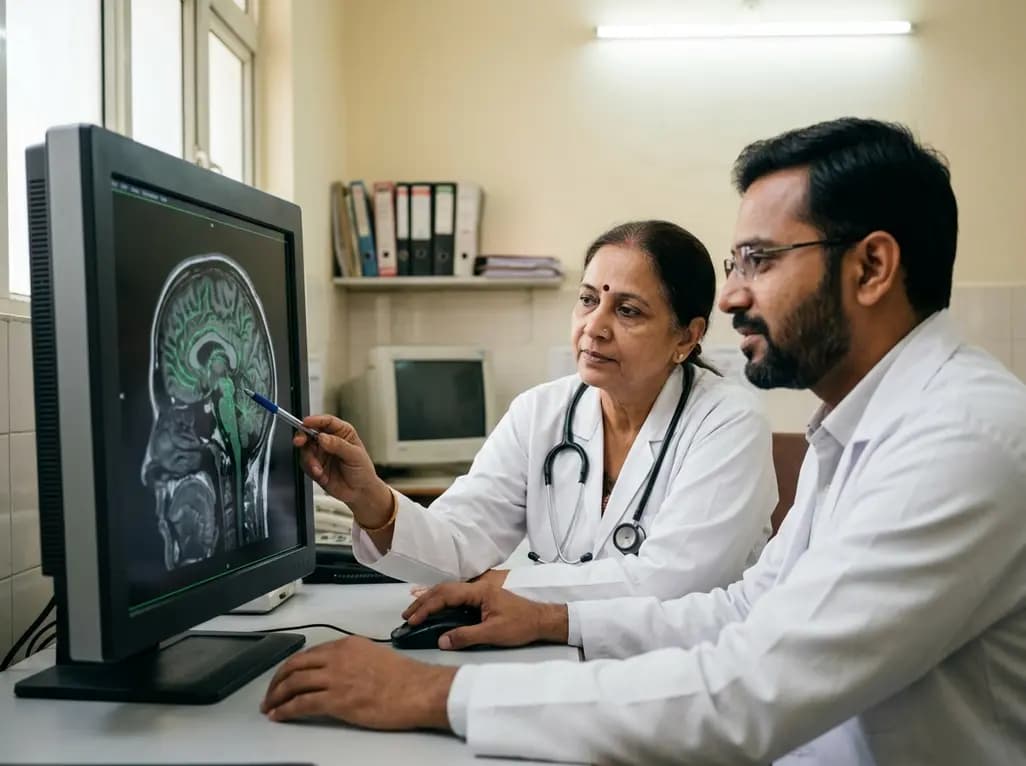
UK Research and Innovation is deploying £80 million across the NHS to trial nine cutting-edge technologies. The initiative features seven-minute brain MRIs, blood biomarker assays, and predictive AI tools, aiming to evaluate 92% of suspected cases within 18 weeks and overcome lengthy diagnostic backlogs.
Today

A mixed-methods study identifies key drivers of PMTCT service utilization among adolescent girls and young women aged 15-24. Highlighting age disparities, PrEP uptake, and systemic barriers, the evidence guides clinicians toward adolescent-responsive, integrated maternal HIV prevention protocols.
Today

PepsiCo and Monster Beverage have challenged the FSSAI ban on the energy drink label in Indian courts. While companies highlight supply disruptions, regulatory actions spotlight severe cardiovascular and metabolic risks associated with excessive caffeine, sugar, and taurine consumption, especially in adolescents.
Today
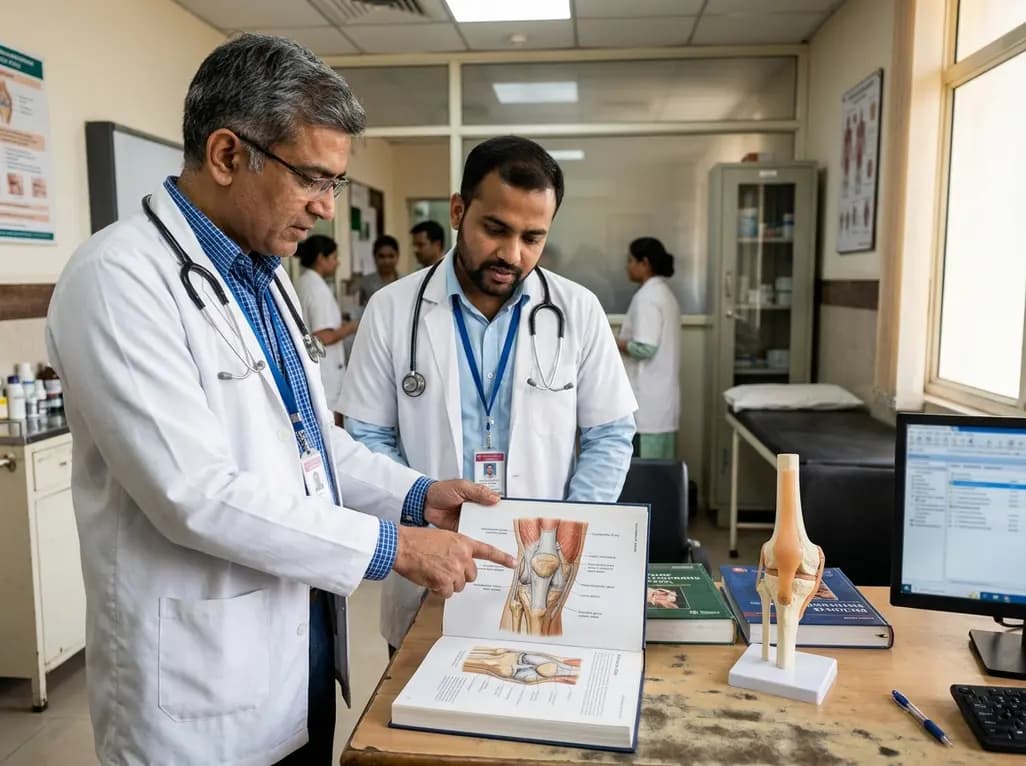
A narrative review investigates whether the articularis genus muscle functions as an independent anatomical entity or blends with the vastus intermedius. We evaluate its morphology, role in retracting the suprapatellar bursa, and direct clinical significance in anterior knee pain and arthroplasty.
Today

A Bayesian multilevel meta-analysis reveals that aerobic training combined with moderate carbohydrate restriction modestly lowers HbA1c in type 2 diabetes. However, sparse data and very low certainty leave incremental benefits over exercise or diet alone unproven, highlighting the need for individualized care.
Yesterday
