.webp&w=384&q=75)

Loading, please wait...
Loading, please wait...
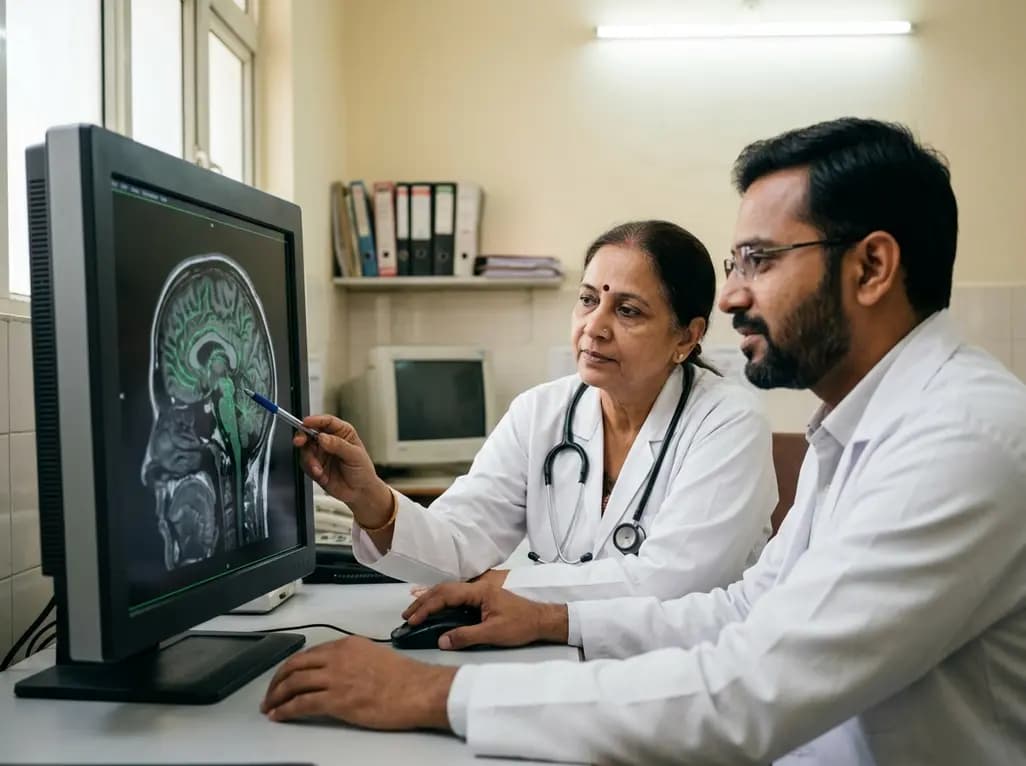
Modern healthcare systems face an unprecedented demographic challenge as neurodegenerative disorders rapidly escalate worldwide. Timely dementia diagnosis remains a formidable bottleneck across clinical practice, often leaving vulnerable individuals waiting over a year for specialist evaluation. To address this crisis, UK Research and Innovation has launched an £80 million programme. This ambitious enterprise will evaluate nine breakthrough diagnostic technologies within the National Health Service. Ultimately, this national push seeks to elevate referral-to-diagnosis rates while revolutionising patient access to disease-modifying therapies.
Dementia currently represents the leading cause of mortality in the United Kingdom, accounting for nearly one in eight deaths. Furthermore, official health statistics confirm that over 72,000 individuals succumbed to dementia and Alzheimer's disease last year alone. Despite this severe mortality burden, diagnostic pathways have historically suffered from systemic neglect. Consequently, patients frequently endure prolonged periods of clinical uncertainty before securing definitive answers from memory services.
Presently, the National Health Service formally completes investigations for approximately 60 percent of referred patients within 18 weeks. However, the newly funded UKRI programme establishes an assertive clinical target to diagnose 92 percent within that window. Therefore, national healthcare leaders are deploying £80 million to validate nine transformative diagnostic technologies. In addition, policymakers recognise that prompt identification allows clinicians to offer targeted pharmacotherapy and aggressive vascular risk management. Moreover, timely intervention substantially delays functional dependency, mitigates caregiver burnout, and optimizes long-term health economics. Ultimately, accelerating clinical evaluation transforms dementia from a neglected condition into an actively managed chronic neurodegenerative pathology. Furthermore, clinicians can enroll patients into emerging clinical trials for novel monoclonal antibodies before irreversible structural brain damage occurs.
Neuroimaging serves as an essential pillar in structural evaluation and differential diagnosis of suspected cognitive impairment. Traditionally, standard cranial magnetic resonance imaging protocols require approximately 20 to 30 minutes of scanner acquisition time. Consequently, scanner availability becomes a substantial operational bottleneck across acute hospital settings. Furthermore, claustrophobic and cognitively impaired patients frequently struggle to remain motionless during extended acquisitions. Motion artifacts frequently degrade scan quality, necessitating repeat examinations or inconclusive clinical interpretations.
To overcome these systemic barriers, the UKRI challenge prioritises innovative fast-acquisition sequences. Specifically, engineers and clinical radiologists are validating optimized scan protocols that reduce imaging duration to approximately seven minutes. Therefore, radiology suites can almost triple daily patient throughput without compromising diagnostic resolution. In addition, these rapid sequences preserve critical volumetric assessment of the hippocampus and detect subtle microvascular changes. Moreover, shorter scan durations significantly decrease patient agitation, motion artifact rates, and scanner operating costs. Consequently, memory clinics can offer prompt anatomical evaluation to a far wider patient demographic. Ultimately, widespread deployment of ultra-fast scanning bridges the persistent gap between specialized radiology centres and community primary care referrals.
Evaluating cognitive decline has historically required extensive neuropsychological testing and invasive cerebrospinal fluid sampling. However, recent advances in translational biochemistry are revolutionising initial patient triage. Specifically, novel blood biomarkers, such as phosphorylated tau isoforms and neurofilament light chain, demonstrate exceptional diagnostic specificity. When clinicians integrate these simple venous blood tests into initial workups, they identify amyloid and tau pathology with high accuracy. Consequently, blood biomarkers eliminate the routine requirement for invasive lumbar punctures or costly positron emission tomography scans.
Simultaneously, investigators are validating brief digital cognitive screening tools to streamline outpatient referrals. For example, the newly backed initiative includes a validated 15-minute remote cognitive assessment. Therefore, patients can complete standardized memory evaluations securely from their personal computers or digital tablets. Furthermore, these algorithmic tools reliably detect early episodic memory lapses and subtle executive dysfunction. In addition, digital platforms eliminate geographical disparities by extending specialist screening directly into rural households. As a result, primary care physicians can promptly triage ambiguous presentations and refer genuine cases without administrative delays. Ultimately, combining peripheral biomarkers with validated digital tests democratizes access to cutting-edge neurocognitive profiling.
Beyond baseline diagnosis, clinicians frequently struggle to anticipate the individual velocity of neurodegenerative decline. Therefore, the UKRI initiative funds advanced artificial intelligence platforms capable of predicting disease progression. Specifically, these computational models integrate neuroimaging metrics, genomic profiles, and baseline cognitive scores. Consequently, the algorithms generate precise prognostic trajectories that guide personalized therapeutic choices. In addition, these predictive models identify patients at elevated risk of rapid functional loss. Clinicians can thus proactively adjust supportive therapies and coordinate multidisciplinary interventions before catastrophic functional declines occur.
Concurrently, researchers are pioneering ambient digital sensor systems deployed directly within patient residences. These unobtrusive devices track continuous physical activity, sleep quality, and daily functional routines over extended periods. Furthermore, ambient monitoring immediately registers subtle behavioral anomalies, nocturnal wandering, or missed nutritional habits. Consequently, primary care teams receive automated clinical alerts whenever patient baselines deviate significantly. In addition, continuous passive data collection relieves family caregivers from the exhausting burden of constant surveillance. Thus, physicians can intervene early during acute infections or delirium episodes before hospitalization becomes inevitable. Ultimately, real-time home intelligence transforms passive outpatient care into responsive, proactive neurodegenerative management.
Healthcare research often suffers from prolonged translational timelines that delay practical clinical implementation. In response, UKRI is employing an aggressive commercial and research strategy known as the fail-fast approach. Under this pragmatic framework, only technologies demonstrating measurable diagnostic accuracy and cost efficiency in NHS trials receive secondary funding. Consequently, underperforming systems undergo rapid termination before consuming excessive public capital. Furthermore, this rigorous filtering mechanism accelerates the national adoption of truly impactful diagnostic innovations. In contrast to conventional research models, the fail-fast approach delivers rapid, clinically validated solutions to front-line clinicians.
Moreover, this operational framework carries profound implications for global health systems, including emerging economies like India. India currently shoulders an escalating dementia burden, with millions of elderly citizens remaining undiagnosed across rural regions. In addition, Indian clinicians grapple with severe shortages of tertiary memory clinics and specialized neuroimaging equipment. Therefore, rapid seven-minute imaging protocols and inexpensive blood-based biomarkers offer enormous transformative potential for low-resource environments. By validating decentralized digital tests and scalable screening algorithms, the UK initiative provides a clinical blueprint for worldwide adoption. Ultimately, rapid diagnostic pipelines will empower healthcare providers everywhere to preserve patient autonomy and optimize neurocognitive care.
Q1: What is the primary objective of the UKRI dementia funding initiative?
The primary objective is to accelerate diagnostic pathways for suspected cognitive decline across the National Health Service. By investing £80 million into nine innovative diagnostic technologies, the programme intends to raise the 18-week post-referral diagnosis rate from 60 percent to 92 percent. Consequently, this initiative cuts prolonged waiting times exceeding a year, enabling timely clinical interventions, personalized symptom management, and immediate access to emerging disease-modifying therapies for patients.
Q2: How do rapid magnetic resonance scans benefit dementia evaluations?
Rapid scan protocols shorten magnetic resonance imaging times from around 20 minutes to approximately seven minutes. Consequently, this acceleration reduces operational scanning costs and expands daily scanner capacity across radiology departments. Furthermore, shorter acquisition times minimize motion artifacts caused by cognitive restlessness or claustrophobia in frail elderly individuals. As a result, memory clinics obtain high-resolution structural brain imaging faster, expediting differential diagnoses between Alzheimer's disease, vascular dementia, and other intracranial pathologies.
Q3: How will blood biomarkers transform routine clinical dementia diagnosis?
Novel blood biomarkers, such as phosphorylated tau and neurofilament light, detect hallmark pathological protein accumulations in the brain with remarkable precision. When clinicians deploy these venous assays in primary or secondary care, they bypass the need for invasive lumbar punctures and expensive positron emission tomography scans. Consequently, blood-based testing democratizes early screening, facilitates rapid specialist triage, and ensures clinicians identify neurodegenerative changes before irreversible neuronal destruction and severe cognitive impairment occur.
Disclaimer: This content is for informational and educational purposes only. It does not constitute medical advice or replace professional judgment. Refer to the latest local and national guidelines for clinical practice.
References

Read summarized clinical updates, watch expert medical content, and earn CME certifications right from your smartphone.
Open your smartphone camera to scan and install.





UK Research and Innovation is deploying £80 million across the NHS to trial nine cutting-edge technologies. The initiative features seven-minute brain MRIs, blood biomarker assays, and predictive AI tools, aiming to evaluate 92% of suspected cases within 18 weeks and overcome lengthy diagnostic backlogs.
Today

Discover the crucial distinctions between mesonephric and mesonephric-like proliferations of the female genital tract. Learn the key histomorphologic, immunohistochemical, and molecular differences essential for accurate diagnosis and clinical management.
Today

PepsiCo and Monster Beverage have challenged the FSSAI ban on the energy drink label in Indian courts. While companies highlight supply disruptions, regulatory actions spotlight severe cardiovascular and metabolic risks associated with excessive caffeine, sugar, and taurine consumption, especially in adolescents.
Today

A narrative review investigates whether the articularis genus muscle functions as an independent anatomical entity or blends with the vastus intermedius. We evaluate its morphology, role in retracting the suprapatellar bursa, and direct clinical significance in anterior knee pain and arthroplasty.
Today

A Bayesian multilevel meta-analysis reveals that aerobic training combined with moderate carbohydrate restriction modestly lowers HbA1c in type 2 diabetes. However, sparse data and very low certainty leave incremental benefits over exercise or diet alone unproven, highlighting the need for individualized care.
Today
