.webp&w=384&q=75)

Loading, please wait...
Loading, please wait...
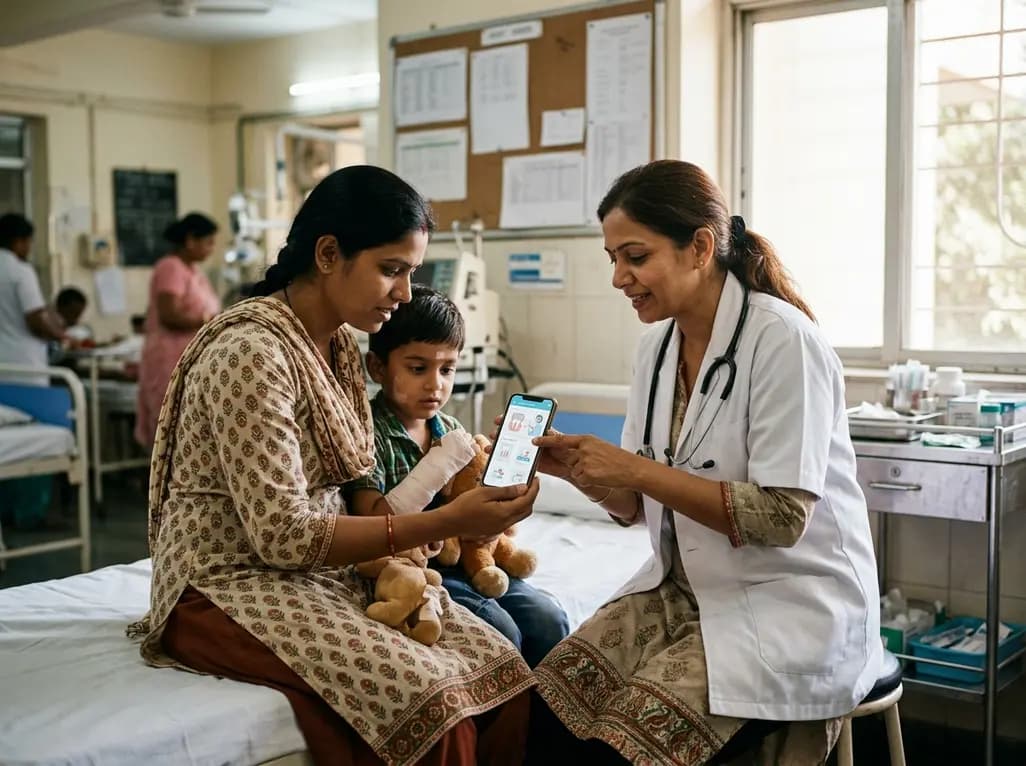
Traumatic dental injuries represent urgent pediatric emergencies that demand rapid, evidence-based first-aid intervention. Because parents are usually the first responders during home or playground incidents, their timely actions directly influence long-term tooth survival and aesthetics. Digital health tools offer accessible avenues to bridge critical knowledge gaps. The ToothSOS dental trauma app, developed by the International Association of Dental Traumatology, delivers immediate guidance for managing fractures, luxations, and avulsions. A prospective longitudinal study evaluated parental usability and educational retention associated with this digital application. The findings highlight the immense value of mobile health solutions in acute dental trauma management.
Traumatic dental injuries occur frequently in active children and adolescents. Consequently, immediate care at the scene of injury directly determines whether a replanted or restored tooth survives long term. Although dentists and emergency physicians provide definitive treatment, initial non-specialist care often decides the prognosis. Therefore, public health educators prioritize widespread parental awareness. The ToothSOS mobile application functions as an authoritative, portable reference designed to simplify complex clinical protocols.
Moreover, this smartphone application offers structured step-by-step guidance for varied dental emergencies. Users can quickly access specific pathways for broken, displaced, or completely knocked-out teeth. In addition, the interface incorporates intuitive visual aids and concise instructions in multiple languages. Consequently, caregivers who possess minimal medical background can navigate emergency protocols calmly under stress. By translating intricate clinical guidelines into actionable instructions, the platform transforms parents from anxious bystanders into competent first responders.
Historically, community surveys consistently reveal significant deficits in public awareness regarding dental trauma management. For instance, many parents mistakenly clean an avulsed tooth with harsh disinfectants or scrub the root surface vigorously. Such actions destroy delicate periodontal ligament cells that are vital for successful replantation. Furthermore, caregivers frequently do not recognize the profound urgency of seeking prompt dental care within the critical thirty-minute window.
In addition, confusion between managing primary and permanent teeth remains widespread among caregivers. Many parents attempt to replant avulsed primary incisors, inadvertently risking severe damage to the underlying developing permanent tooth germ. Similarly, caregivers often lack knowledge about proper physiological transport media, such as cold milk or balanced saline. Instead, they frequently store knocked-out teeth in dry tissue paper or tap water, accelerating cellular necrosis. Therefore, accessible digital tools like the ToothSOS application play an indispensable educational role by replacing harmful misconceptions with evidence-based emergency actions.
To rigorously assess real-world application performance, researchers conducted a prospective longitudinal investigation involving 149 parents. Investigators administered standardized assessments at three distinct intervals: baseline prior to app exposure (T0), immediately after interacting with the application (T1), and one month post-intervention (T2). The team measured emergency knowledge regarding crown fractures, luxations, and tooth avulsions using standardized true-false questions. In addition, perceived usability served as the primary clinical outcome, measured through the validated System Usability Scale (SUS).
Notably, the ToothSOS application achieved an outstanding mean SUS score of 78.4 ± 8.3 among participating parents. In standardized usability research, any score exceeding 68 points indicates above-average usability, whereas scores approaching 80 reflect excellent user satisfaction and functional clarity. Statistical analyses confirmed that caregivers of diverse demographic backgrounds found the interface exceptionally intuitive. Consequently, users navigated the clinical menus efficiently without requiring formal technical support. This high level of usability proves that emergency medical applications can achieve both technical sophistication and effortless lay navigation.
Beyond intuitive interface design, the fundamental metric of an educational intervention is sustained clinical knowledge retention. The study demonstrated remarkable improvements across all assessment time points. At baseline (T0), parental trauma knowledge was markedly deficient, displaying a median score of merely 5 out of the maximum assessment points. However, immediately after exploring the ToothSOS platform (T1), participant scores surged significantly to a median of 9.
Importantly, long-term retention remained strong when investigators re-evaluated the cohort one month later (T2). Parents maintained a median score of 8, demonstrating statistically significant preservation of critical first-aid concepts (Friedman test, p < 0.001). Although slight score attenuation occurred between immediate testing and the one-month mark, the maintained score remained vastly superior to baseline levels. Furthermore, participants demonstrated sustained mastery regarding avulsion handling, root protection, and appropriate storage media. Consequently, these findings confirm that brief, focused engagement with structured digital content creates durable cognitive impressions that guide urgent real-world decision-making.
These clinical findings provide valuable insights for pediatric dentists, general practitioners, pediatricians, and emergency department personnel. Dental trauma rarely occurs in controlled clinical environments; rather, it strikes abruptly during athletic activities, school play, or domestic accidents. Therefore, clinicians must champion proactive community education alongside restorative clinical care. Healthcare providers should routinely recommend validated digital health resources during routine pediatric well-child visits and dental checkups.
Moreover, hospital emergency departments often serve as the immediate destination for traumatized children. When emergency triage staff encourage parents to reference standardized guidelines, the entire care continuum benefits. Early, appropriate handling of avulsed teeth at the scene minimizes extra-oral dry time and preserves periodontal vitality. Consequently, when the patient arrives at the dental operatory, clinicians encounter favorable conditions for replantation, splinting, and endodontic therapy. Integrating mobile apps into broader public health initiatives thus bridges the gap between pre-hospital first aid and specialized dental surgery.
As mobile device adoption continues to expand globally, digital health applications represent a scalable public health solution for injury prevention and acute care. Future developments should focus on integrating artificial intelligence triage algorithms, offline emergency guides, and automated local clinician directories. In addition, dental associations should collaborate with school systems, sports federations, and daycare centers to institutionalize trauma app downloads.
Furthermore, conducting periodic booster assessments and push notifications through the application could prevent the natural decay of emergency knowledge over time. Gamified refreshers and interactive clinical simulations could reinforce key concepts like storage media selection and splinting timelines. By establishing persistent digital touchpoints, healthcare systems can ensure that caregivers remain continually prepared for unexpected emergencies. Ultimately, empowering parents with rapid, validated guidance at their fingertips safeguards children's oral health and significantly reduces the morbidity of dental trauma.
The ToothSOS application provides immediate, step-by-step algorithms for managing an avulsed permanent tooth. It instructs caregivers to handle the tooth solely by the crown, avoid touching the root, and rinse it briefly under cold water if contaminated. Furthermore, it details how to replant the tooth immediately or store it safely in cold milk or saliva while seeking emergency dental assistance without delay.
The first sixty minutes following dental avulsion represent the critical window for periodontal ligament cell survival. If parents do not preserve root cells properly or allow the tooth to dry out, irreversible cellular necrosis occurs, drastically reducing replantation success. Educating parents ensures correct handling, appropriate physiological storage, and immediate transport to a dental professional, thereby significantly improving long-term tooth retention and clinical outcomes.
When a primary tooth is avulsed, parents should never attempt to replant it back into the alveolar socket. Replanting a primary tooth can introduce severe infection and cause irreversible mechanical trauma to the underlying developing permanent tooth germ. Instead, caregivers should control local bleeding with clean gauze, comfort the child, and consult a pediatric dentist promptly for comprehensive clinical evaluation.
Disclaimer: This content is for informational and educational purposes only. It is not intended to provide medical advice or to be a substitute for professional medical care, diagnosis, or treatment. Always seek the advice of a qualified health provider with any questions you may have regarding a medical condition or treatment, and before undertaking a new health care regimen. Never disregard professional medical advice or delay in seeking it because of something you have read in this article. Refer to the latest local and national guidelines for clinical practice.
References

Read summarized clinical updates, watch expert medical content, and earn CME certifications right from your smartphone.
Open your smartphone camera to scan and install.





A longitudinal study reveals that the ToothSOS mobile app delivers excellent usability and significantly improves parental first-aid knowledge retention for managing pediatric traumatic dental injuries and avulsions over time.
last month
India's antidepressant market crossed Rs 2,842 crore in 2026 even as unit sales declined. Clinicians analyze the shift toward newer drugs, widespread clonazepam combination use, social media-driven self-diagnosis, and persistent treatment gaps to assess genuine therapeutic recovery across diverse patient groups.
Today
Integrating adult genetic services into reproductive and pregnancy care substantially alters clinical management. A study reveals that diagnostic genetic evaluations directly inform maternal, fetal, and neonatal care in nearly 57% of tested patients, highlighting the value of preconception and antenatal genomics.
Today
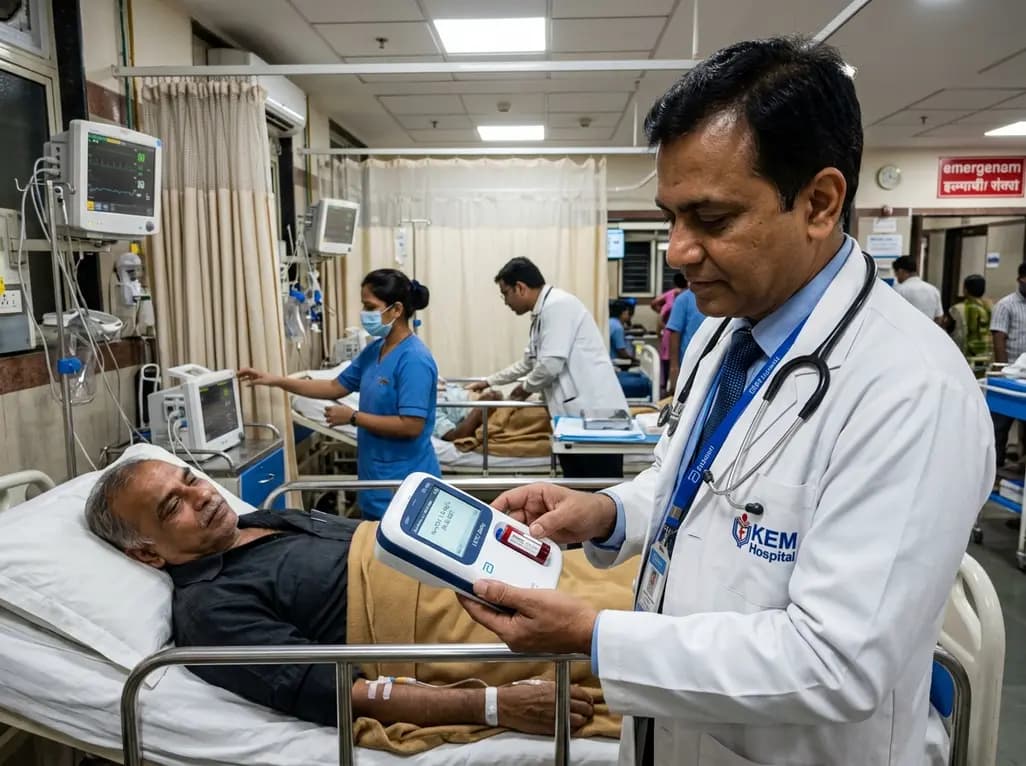
A real-world emergency department evaluation demonstrates that the Abbott i-STAT Alinity point-of-care high-sensitivity troponin I assay achieves excellent analytical precision and safely rules out myocardial infarction without false negatives, offering rapid bedside results to decongest acute care pathways.
Today
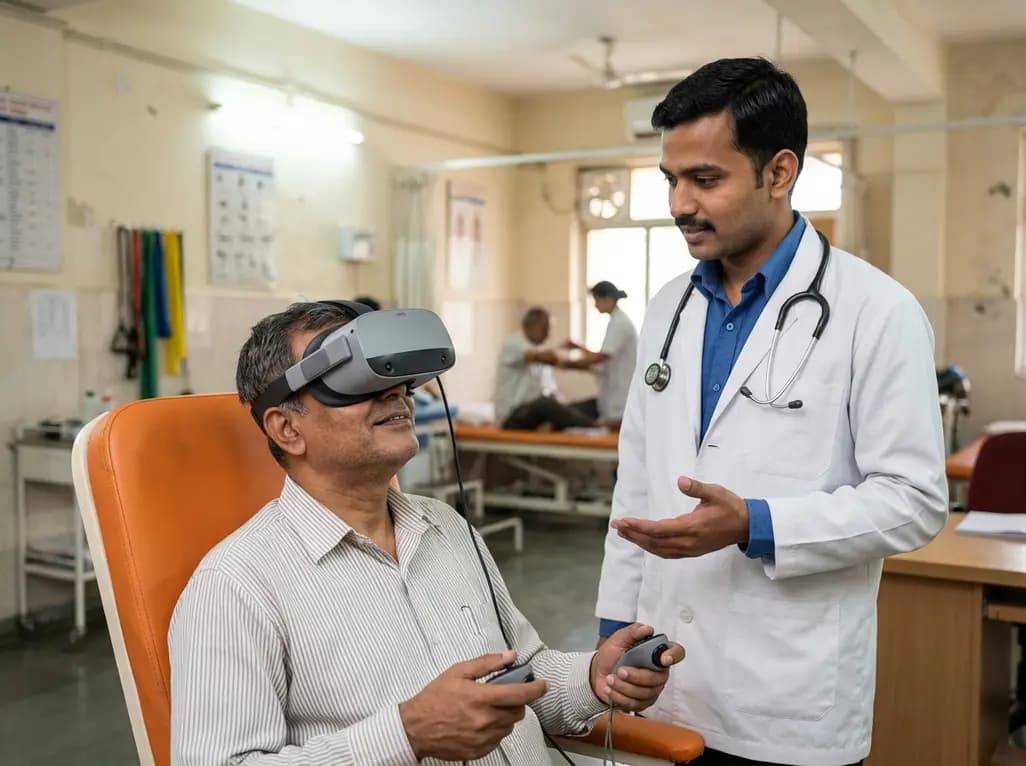
A recent scoping review highlights the efficacy, usability, and patient satisfaction of virtual reality pain management for chronic musculoskeletal pain, emphasizing psychotherapy-based VR protocols.
Today
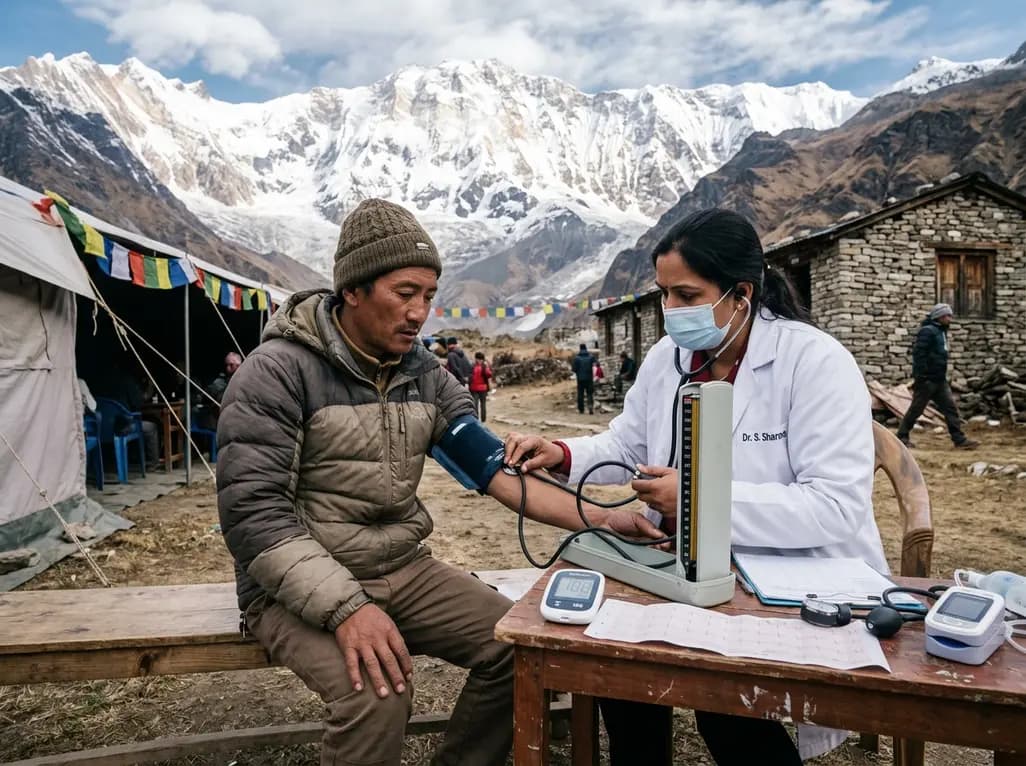
A cross-sectional study in Nepal evaluates cardiovascular risk factors among adults working above 4,000 meters. The findings reveal unexpected rates of diabetes, hypertension, and mountain sickness, underscoring the urgent need for targeted cardiometabolic screening in high-altitude occupational cohorts.
Today
