.webp&w=384&q=75)

Loading, please wait...
Loading, please wait...

Temporomandibular Disorders (TMD) represent a complex group of musculoskeletal and neuromuscular conditions involving the temporomandibular joint, masticatory muscles, and associated structures. Among young adults, the prevalence of TMD-related pain and dysfunction is rising, often leading to a significant TMD symptom burden that affects daily activities and quality of life. Understanding the factors that contribute to this burden is essential for effective clinical management. Recent research has focused on the multidimensional nature of TMD, moving beyond simple anatomical explanations to include psychosocial and functional variables. By examining how clinical signs and psychological states interact, clinicians can better tailor treatments to individual patient needs. This comprehensive approach is particularly vital for managing myalgia, which is one of the most common subtypes of TMD. Consequently, identifying the specific determinants of symptom severity allows for more accurate screening and earlier intervention in high-risk populations.
The Fonseca Anamnestic Index (FAI) serves as a valuable, low-cost screening tool for assessing the presence and severity of TMD symptoms. Because it is a self-reported measure, it provides a direct window into the patient's perspective of their condition. In the context of the TMD symptom burden, the FAI categorizes patients into varying levels of severity, ranging from mild to severe dysfunction. This tool is particularly useful in busy clinical settings across India, where a quick and reliable initial assessment can guide further diagnostic steps. Moreover, the index covers a broad range of symptoms, including jaw pain, joint sounds, and functional limitations. While it does not replace the gold-standard Diagnostic Criteria for TMD (DC/TMD), it complements clinical examination by capturing the subjective impact of the disorder. Therefore, integrating the FAI into routine dental and pain management protocols facilitates a more holistic understanding of the patient's experience, ensuring that no significant symptom is overlooked during the initial triage phase.
Psychosocial factors play a pivotal role in the experience of chronic pain, and TMD is no exception. Somatization, defined as the manifestation of psychological distress through physical symptoms, has been strongly linked to higher symptom scores. When patients experience emotional tension or anxiety, these states can exacerbate the perception of muscle pain and jaw stiffness. Furthermore, individuals with high levels of somatic awareness often report a greater number of symptoms, leading to a higher total score on indices like the FAI. This relationship underscores the importance of the biopsychosocial model in treating myalgia. If a clinician only addresses the physical muscle tension without considering the underlying psychological distress, the treatment may yield sub-optimal results. However, by recognizing somatization as a key driver of the perceived burden, healthcare providers can incorporate stress management or cognitive-behavioral strategies into the treatment plan. Consequently, addressing the mind-body connection becomes a cornerstone of managing persistent orofacial pain in young adult populations.
Clinical markers such as jaw functional limitation are critical indicators of the severity of myalgia. Patients often report difficulty with basic movements, such as yawning, chewing hard foods, or speaking for extended periods. These limitations are not merely physical obstructions; they are deeply intertwined with the overall TMD symptom burden. The presence of pain-related TMD diagnoses frequently correlates with restricted mandibular mobility, as the body attempts to protect the injured or inflamed tissues. In many cases, the fear of movement, known as kinesiophobia, further restricts the range of motion. Researchers have found that these functional deficits significantly predict higher scores on symptom indices. Additionally, the impact of these limitations extends beyond the jaw, often causing discomfort in the neck and shoulders. Because functional impairment directly interferes with nutrition and social interaction, it remains a primary concern for patients. Effective therapy must therefore aim to restore both comfort and function to alleviate the multifaceted burden of the disorder.
Modern diagnostic imaging, such as ultrasonography, offers objective insights into the morphological changes associated with myalgia. Measuring the thickness of the masseter muscle provides a quantitative assessment of the masticatory system's health. Interestingly, while some studies suggest that muscle hypertrophy occurs due to parafunctional habits like clenching, others indicate that persistent pain may lead to muscle changes that are visible on ultrasound. In young adults, masseter thickness has been identified as a significant factor in predictive models for symptom severity. Unlike more invasive imaging, ultrasound is non-invasive, radiation-free, and increasingly accessible in specialty clinics. It allows clinicians to visualize muscle structure in both relaxed and contracted states, providing a dynamic view of functional anatomy. Moreover, combining ultrasonographic findings with psychosocial data creates a more robust diagnostic profile. This objective data helps in differentiating between various myogenic subtypes and monitoring the efficacy of interventions over time, ultimately contributing to a more precise management strategy for the patient.
Developing a predictive model that accounts for clinical, psychosocial, and ultrasonographic variables is the current frontier in TMD research. Studies using multiple linear regression have shown that these factors together can explain over half of the variance in reported symptom levels. This high level of predictability suggests that the TMD symptom burden is not random but follows specific patterns related to somatization, jaw function, and muscle morphology. For the practicing clinician, this means that a single-axis approach is likely insufficient. Instead, a multi-modal assessment is required to capture the full scope of the patient's condition. By identifying the specific weight of each factor, providers can prioritize interventions. For instance, if somatization is the primary driver, psychological support may be the first line of defense. Conversely, if muscle thickness and functional limits are more prominent, physical therapy and occlusal guards might take precedence. Ultimately, an integrated management plan improves clinical outcomes and reduces the long-term impact of TMD on young adults.
The Fonseca Anamnestic Index (FAI) is widely regarded as an effective initial screening tool due to its simplicity and ability to quantify the perceived severity of symptoms. It uses ten questions to assess pain and function, providing a score that categorizes the patient's condition. While it is not a definitive diagnostic tool, it helps clinicians quickly identify patients who require a more detailed evaluation according to the DC/TMD protocols.
Psychological stress often leads to somatization, where emotional tension manifests as physical symptoms like muscle tightness or pain. In TMD, this can result in increased clenching or grinding of teeth, leading to muscle fatigue and myalgia. Furthermore, stress can lower the pain threshold, making existing jaw discomfort feel more severe. Addressing stress through relaxation techniques or behavioral therapy is therefore a vital component of a comprehensive TMD treatment plan.
Yes, ultrasonography is a valuable adjunct tool for diagnosing and managing TMD-related myalgia. It allows clinicians to measure the thickness of the masseter and temporalis muscles, providing objective data on muscle health. These measurements can reveal asymmetries or structural changes associated with chronic pain or parafunctional habits. Because it is non-invasive and provides real-time imaging, it is an excellent choice for monitoring a patient's progress during the course of treatment.
Disclaimer: This content is for informational and educational purposes only. It does not constitute medical advice or establish a doctor-patient relationship. Always seek the advice of a qualified healthcare provider for any medical condition or treatment. Refer to the latest local and national guidelines for clinical practice.
References
Onal B et al. Multidimensional Factors Associated With Self-Reported TMD Symptom Burden in Young Adults With DC/TMD-Defined Myalgia. Oral Dis. 2026 Jun 27. doi: 10.1111/odi.70404. PMID: 42365426.
Campos JA et al. Severity of temporomandibular disorders in women: Validity and reliability of the Fonseca Anamnestic Index. Braz Oral Res. 2014;28:16-21.
Schiffman E et al. Diagnostic Criteria for Temporomandibular Disorders (DC/TMD) for Clinical and Research Applications: Recommendations of the International RDC/TMD Consortium Network and Orofacial Pain Special Interest Group. J Oral Facial Pain Headache. 2014;28(1):6-27.

Read summarized clinical updates, watch expert medical content, and earn CME certifications right from your smartphone.
Open your smartphone camera to scan and install.





This clinical overview examines the multidimensional factors, including somatization and jaw limitation, that contribute to the self-reported symptom burden of Temporomandibular Disorders (TMD) in young adults with myalgia, offering insights into diagnostic and management strategies.
3 months ago
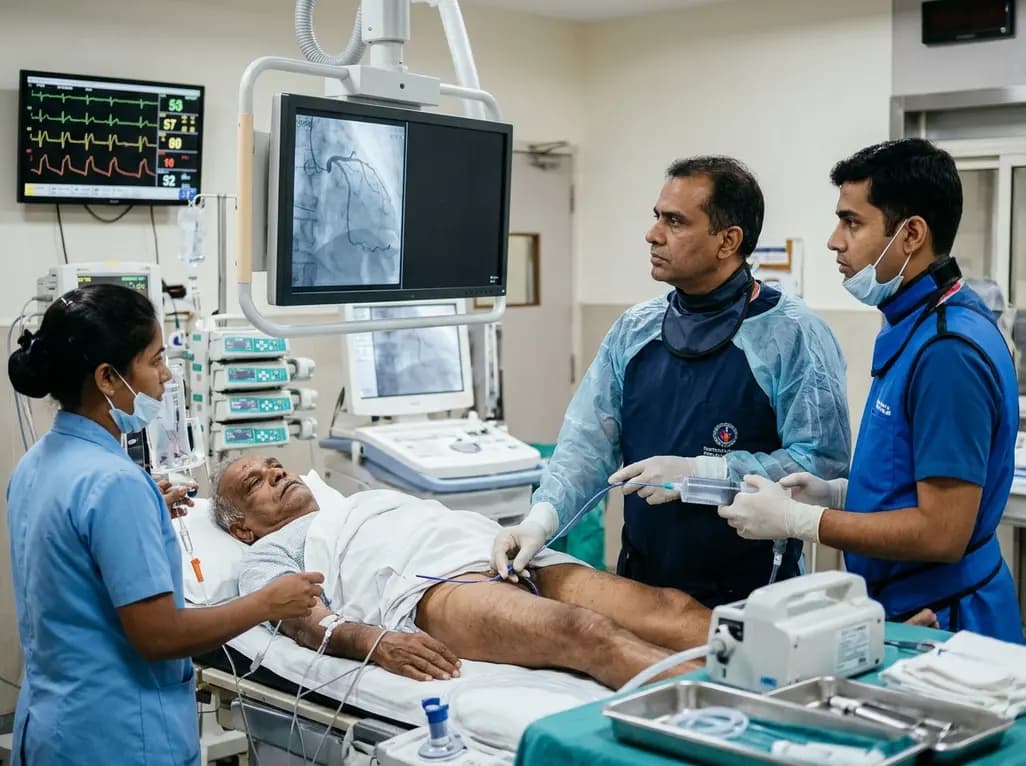
An elderly man with partially repaired Tetralogy of Fallot presented with STEMI caused by coronary embolism rather than atherosclerosis. Successful treatment with sustained mechanical aspiration thrombectomy underscores the vital need for high clinical vigilance in adult congenital heart disease.
Today

Demanding exhaustive hormonal profiling can inadvertently discourage clinical studies involving females. Methodological standards must align with the specific scientific question to expand, not restrict, equitable evidence for women.
Today

A recent study demonstrates that spinal oxygen sensors do not require mitochondrial electron transport to trigger sympathetic excitation during acute hypoxia, revealing new insights into how mitochondrial oxidative stress modulates autonomic tone in cardiovascular and neurological diseases.
Today

A comparative review of tension band wiring and intramedullary screw fixation in thumb metacarpophalangeal arthrodesis, evaluating union rates, hardware complications, and clinical outcomes.
Today

Following regulatory scrutiny from FSSAI regarding promotional representations and lean muscle preservation claims, Dr. Reddy's Laboratories and Nestlé Health Science are currently reviewing the branding and marketing strategy for their joint nutritional supplement Celevida GLP+.
Today
