.webp&w=384&q=75)

Loading, please wait...
Loading, please wait...
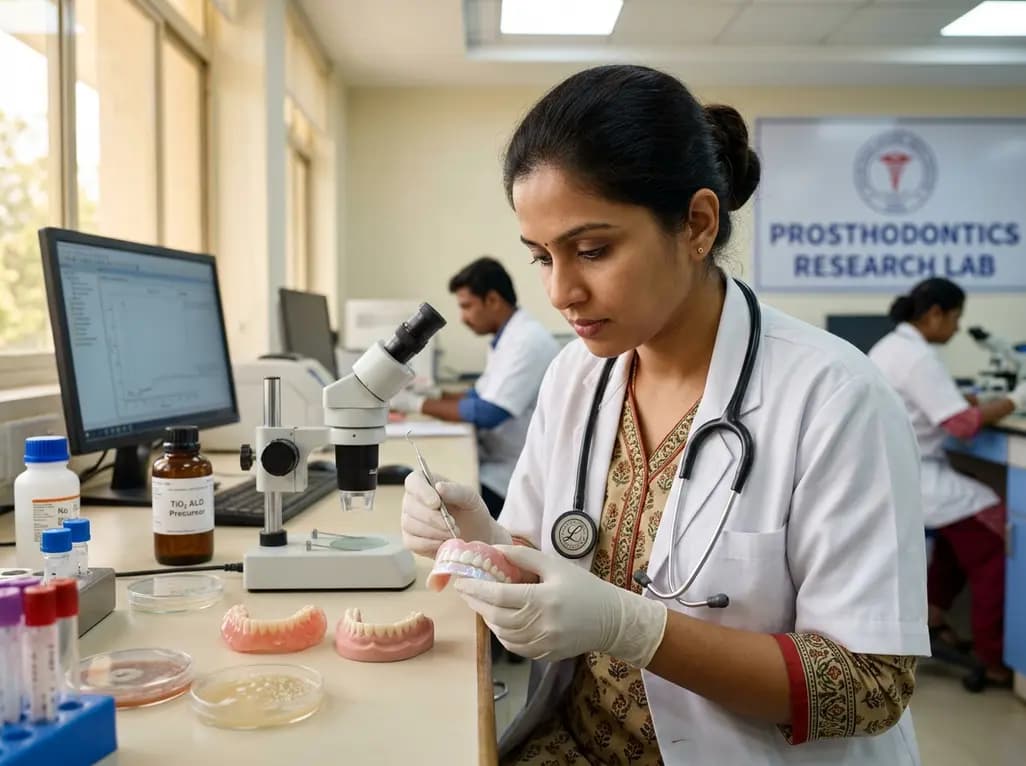
In modern prosthodontics, selecting the optimal denture base materials determines both long-term clinical longevity and patient satisfaction. Complete and partial edentulism continues to affect millions of elderly patients across India. Consequently, dental practitioners constantly seek durable, biocompatible, and plaque-resistant prosthetic solutions. Conventional heat-polymerized poly(methyl methacrylate) has long served as the gold standard in dental rehabilitation. However, recent technological advancements have introduced computer-aided design and computer-aided manufacturing techniques. These modern workflows include subtractive milling and additive three-dimensional printing. Furthermore, researchers are exploring innovative surface modifications, such as titanium dioxide thin-film coatings, to enhance mechanical resistance and suppress microbial colonization.
The manufacturing workflow fundamentally dictates the internal microstructure and surface behavior of prosthetic resins. Traditionally, clinicians and dental technicians rely on compression molding and heat-activated polymerization of polymethyl methacrylate. While this technique provides dependable mechanical support, it often exhibits polymerization shrinkage, microscopic porosities, and residual monomer elution. Therefore, digital dental workflows have emerged as attractive alternatives in contemporary prosthodontic rehabilitation.
Milled pre-polymerized resin blanks undergo manufacturing under extreme industrial heat and pressure. Consequently, CAD/CAM milled dentures demonstrate superior polymer conversion, minimal residual monomer levels, and enhanced structural homogeneity. In contrast, additive manufacturing or three-dimensional printing utilizes vat photopolymerization to construct prostheses incrementally layer by layer. Although 3D printing enables rapid fabrication and reduced material waste, the layered printing process often creates anisotropic mechanical properties and intrinsic surface microporosities. As a result, different manufacturing pathways yield vastly dissimilar surface topographies. These intrinsic variations directly affect how prostheses interact with saliva, oral microorganisms, and mechanical abrasive forces during regular daily function.
To improve the biological and physical properties of polymer substrates, surface nanotechnology offers promising clinical solutions. Specifically, atomic layer deposition represents an advanced vapor-phase thin-film deposition technique. This sophisticated method utilizes sequential, self-limiting chemical reactions to deposit conformal nanometer-thin layers across complex geometries. By employing atomic layer deposition, researchers can uniformly coat acrylic surfaces with titanium dioxide without altering the critical underlying dimensions of the prosthesis.
Titanium dioxide possesses exceptional biocompatibility, chemical inertness, and photocatalytic antimicrobial characteristics. When deposited onto polymeric matrices, titanium dioxide creates a resilient ceramic-like protective barrier. Furthermore, this nanocoating enhances surface wettability and modifies surface energy. Consequently, the uniform deposition minimizes microstructural defects and seals superficial microscopic pores. In addition, the atomic layer deposition method prevents agglomeration, which frequently compromises physical integrity when nanoparticles are mixed directly into bulk resins. Therefore, applying a thin titanium dioxide barrier presents a non-invasive engineering strategy to elevate the clinical performance of all acrylic denture bases.
Surface hardness serves as a vital prognostic indicator for the wear resistance and longevity of removable prostheses. Dentures endure significant mechanical friction during mastication, routine hygiene routines, and aggressive manual brushing. Consequently, materials with inferior microhardness readily develop micro-scratches, superficial fissures, and gradual abrasive wear over time.
Recent experimental evaluations reveal that both the production method and surface coating substantially modify Vickers microhardness numbers. Subtractive milled resin specimens consistently exhibit the highest baseline hardness values due to high-density factory polymerization. Meanwhile, conventional heat-polymerized and 3D printed polymers exhibit comparatively lower intrinsic baseline hardness. However, applying a nanoscale titanium dioxide coating significantly enhances the surface microhardness across all fabrication groups. The ultra-thin titanium dioxide film establishes a rigid, wear-resistant outer shield that reinforces the underlying polymer chains. As a result, coated dentures resist superficial mechanical deformation more effectively during functional loading. This mechanical reinforcement proves particularly advantageous for geriatric patients who may utilize abrasive cleaning pastes or stiff-bristled brushes.
Surface roughness directly dictates microbial colonization and subsequent biofilm maturation on intraoral prostheses. Clinically, a mean surface roughness threshold exceeding 0.2 micrometers dramatically increases plaque retention. In turn, accumulated microbial plaque predisposes vulnerable patients to chronic denture-related stomatitis. Among various oral pathogens, Candida albicans remains the primary causative fungal agent responsible for mucosal inflammation beneath maxillary dentures.
Profilometric analyses demonstrate that fabrication workflows significantly influence baseline surface roughness. Subtractive milled specimens generally achieve the lowest roughness values following standardized finishing. In contrast, additive 3D printed resins display higher roughness profiles due to layer-by-layer stepping lines and microscopic surface anomalies. Crucially, the application of atomic layer deposition titanium dioxide nanocoatings produces a smoother surface profile across all material groups. By smoothing superficial irregularities and increasing surface hydrophilicity, the titanium dioxide layer significantly diminishes Candida albicans adhesion. Quantitative microbiological assays confirm a substantial reduction in colony-forming units on coated substrates. Therefore, surface nanocoating provides an active microbiological barrier against recalcitrant fungal colonization.
Aesthetic acceptability represents a fundamental requirement for successful prosthodontic rehabilitation. Any surface modification or thin-film deposition must preserve natural gingival shade without inducing perceptible optical discoloration. In clinical evaluations, researchers utilize the CIEDE2000 color difference formula to determine whether aesthetic shifts remain within acceptable clinical perceptibility and acceptability thresholds.
Because atomic layer deposition produces an ultra-thin, nanometer-scale titanium dioxide layer, it avoids the pronounced chalky opacity often observed with bulk nanoparticle blending. Experimental colorimetric analyses indicate that titanium dioxide-coated specimens maintain high aesthetic fidelity. The resulting color shifts typically remain below the standard clinical acceptability threshold. Consequently, the modified prostheses retain natural pink aesthetics and translucency. Moreover, the enhanced surface microhardness and smooth topography safeguard the resin against exogenous stain absorption from dietary chromogens. In Indian dietary contexts rich in turmeric, tea, and aromatic spices, this stain resistance offers significant aesthetic preservation. Thus, titanium dioxide coating successfully bridges the gap between enhanced physical performance and superior aesthetic longevity.
The expanding demographic of aging adults across India presents unique prosthodontic challenges in everyday dental practice. Many elderly individuals suffer from systemic comorbidities, such as diabetes mellitus and xerostomia, which drastically heighten their susceptibility to oral candidiasis. Furthermore, impaired manual dexterity often limits effective mechanical denture hygiene, exacerbating mucosal inflammation and fungal stomatitis.
Integrating advanced manufacturing protocols and nanocoating technologies can substantially elevate geriatric oral health outcomes. Clinicians can choose CAD/CAM milled dentures for superior baseline mechanical strength and lower intrinsic roughness. Alternatively, where economical additive manufacturing is preferred, applying a protective titanium dioxide layer can mitigate the biological risks associated with printed resin topography. Furthermore, educating patients on gentle chemical disinfection rather than aggressive mechanical scouring will extend coating durability. As nanotechnology continues to mature, applying surface modifications in dental laboratories will empower Indian practitioners to deliver durable, aesthetically stable, and infection-resistant complete prostheses.
Atomic layer deposition utilizes sequential, self-limiting chemical gas-phase reactions to deposit ultra-thin, conformal titanium dioxide films on acrylic resins. This gentle process operates at controlled temperatures, preventing thermal deformation of the polymer. Because it deposits material layer by layer at the atomic scale, the coating achieves uniform thickness across complex geometries without creating structural voids or altering the prosthetic fit.
CAD/CAM subtractive milling consistently produces the smoothest baseline surface among denture manufacturing techniques. Industrial high-pressure pre-polymerization eliminates internal porosity and yields a highly uniform resin blank. When polished with standardized finishing protocols, milled polymethyl methacrylate achieves exceptionally low roughness values, thereby minimizing initial bacterial attachment and fungal colonization compared to conventional compression-molded or additively printed acrylics.
Titanium dioxide coatings significantly reduce Candida albicans adhesion by creating a smoother, more hydrophilic surface and exerting photocatalytic antimicrobial effects. While these coatings provide an effective physical and biological barrier against fungal biofilm formation, they work best alongside routine denture hygiene. Clinicians should still advise patients to practice regular chemical soaking and maintain proper oral mucosal cleanliness.
Disclaimer: This content is for informational and educational purposes only... Refer to the latest local and national guidelines for clinical practice.
References

Read summarized clinical updates, watch expert medical content, and earn CME certifications right from your smartphone.
Open your smartphone camera to scan and install.





This article reviews the impact of titanium dioxide ALD coating on conventional, milled, and 3D printed denture base materials, highlighting enhancements in microhardness, surface roughness, color stability, and Candida albicans biofilm reduction.
last month
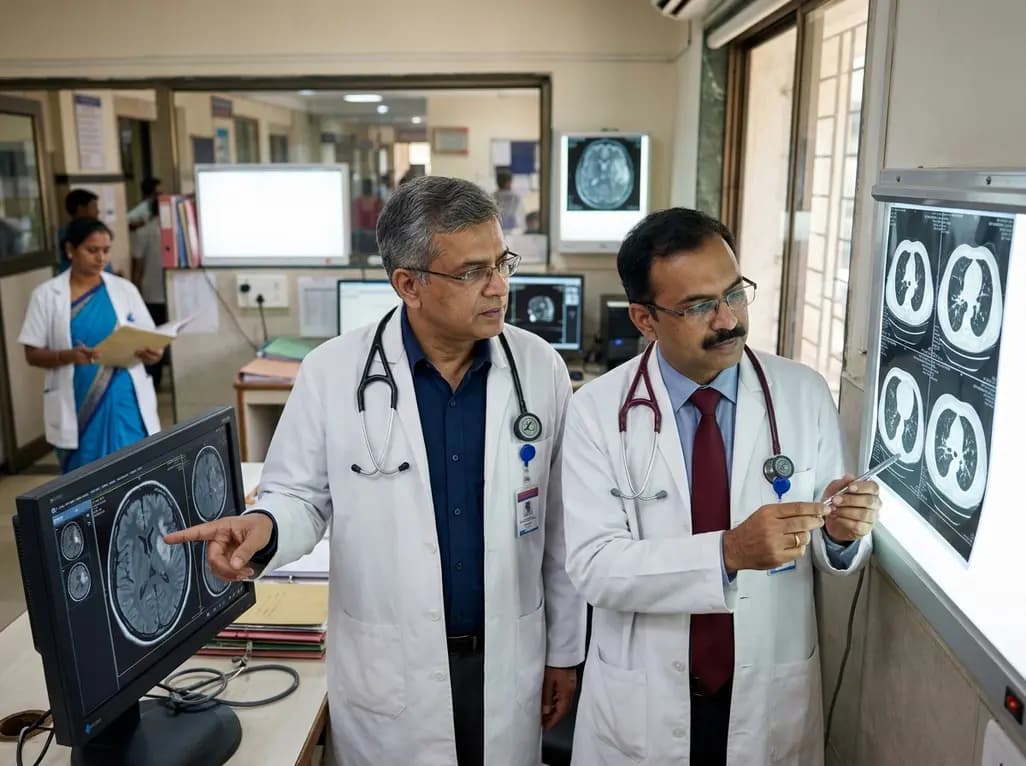
A recent clinical report identifies a novel GDF2 frameshift mutation in a patient with hereditary hemorrhagic telangiectasia presenting with acute cerebral infarction secondary to microscopic pulmonary arteriovenous malformations, emphasizing the necessity of comprehensive screening and genetic evaluation.
Today
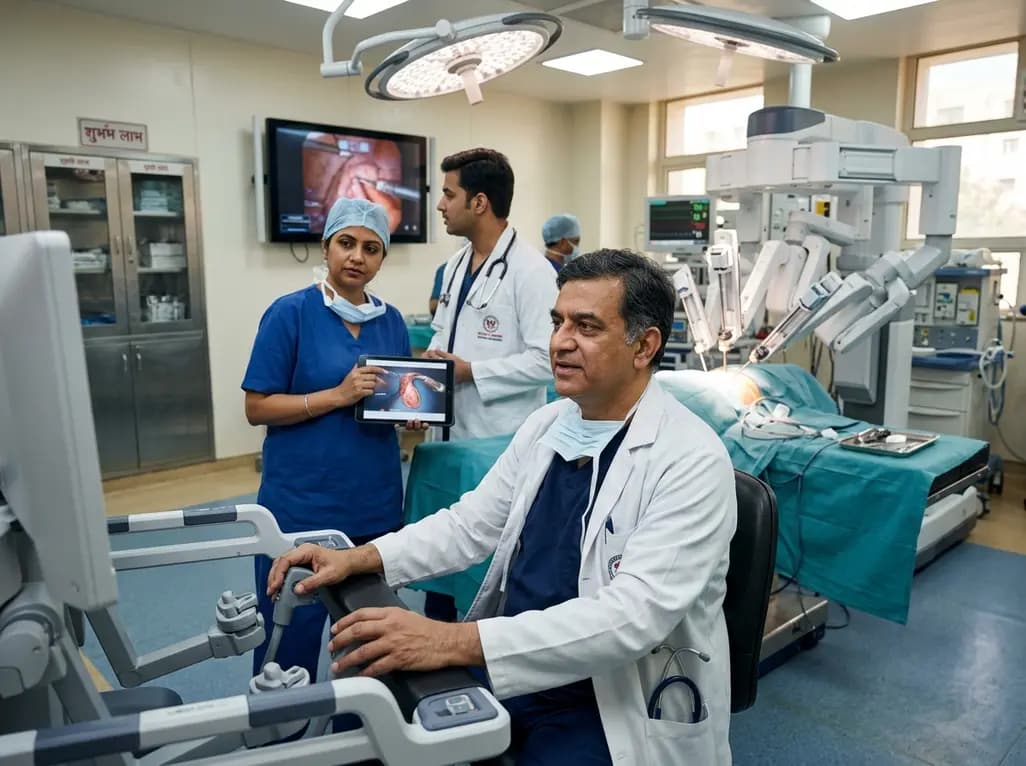
India experiences an exponential rise in robotic-assisted procedures, with Delhi NCR leading system installations and clinical volume. Discover how multidisciplinary surgical adoption, remote telesurgery breakthroughs, and standardized international consensus guidelines are shaping surgical care nationwide.
Today
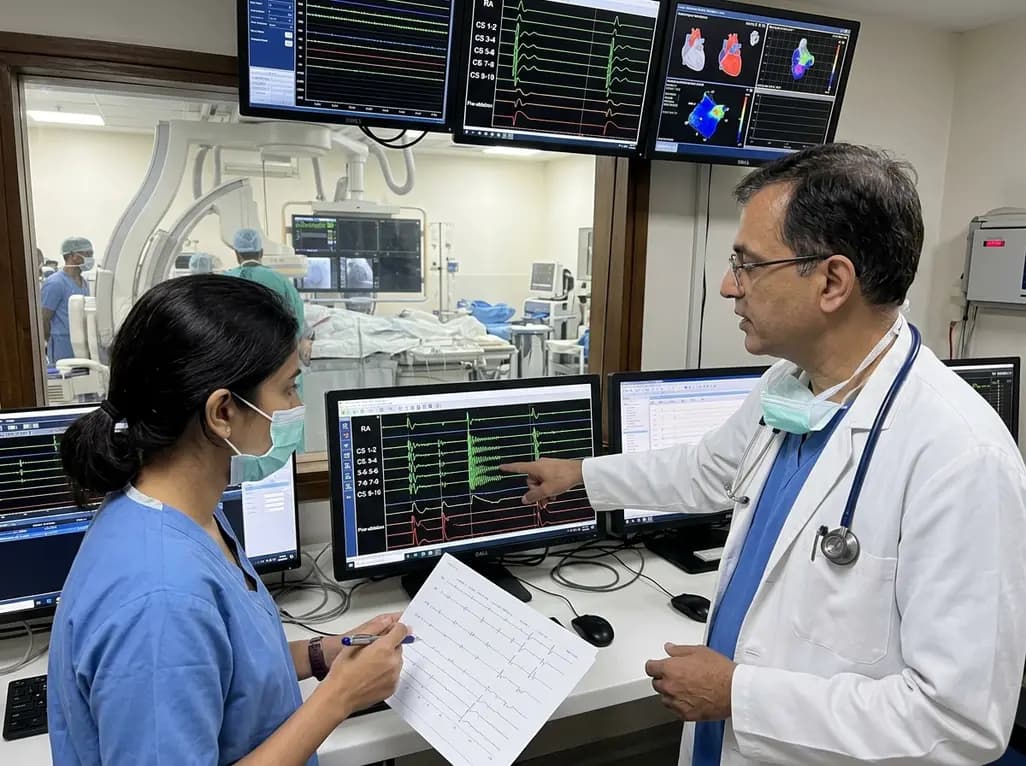
Radiofrequency catheter ablation of the cavotricuspid isthmus successfully terminates typical atrial flutter. This article reviews the mechanisms driving coronary sinus electrogram changes, wavefront activation pathways, and clinical criteria to verify bidirectional block during electrophysiology studies.
Today
A media-based study of 278 European professional football players finds no clear association between time to return-to-play after ACL reconstruction and the hazard of a first additional injury or matches missed, reinforcing the need for criteria-based clearance over calendar timelines.
Today
A breakthrough study leverages natural language processing to accurately identify incident medication-related osteonecrosis of the jaw and track antiresorptive drug holidays from clinical narratives in electronic health records, advancing osteoporosis pharmacovigilance and dental safety.
Today
