.webp&w=384&q=75)

Loading, please wait...
Loading, please wait...
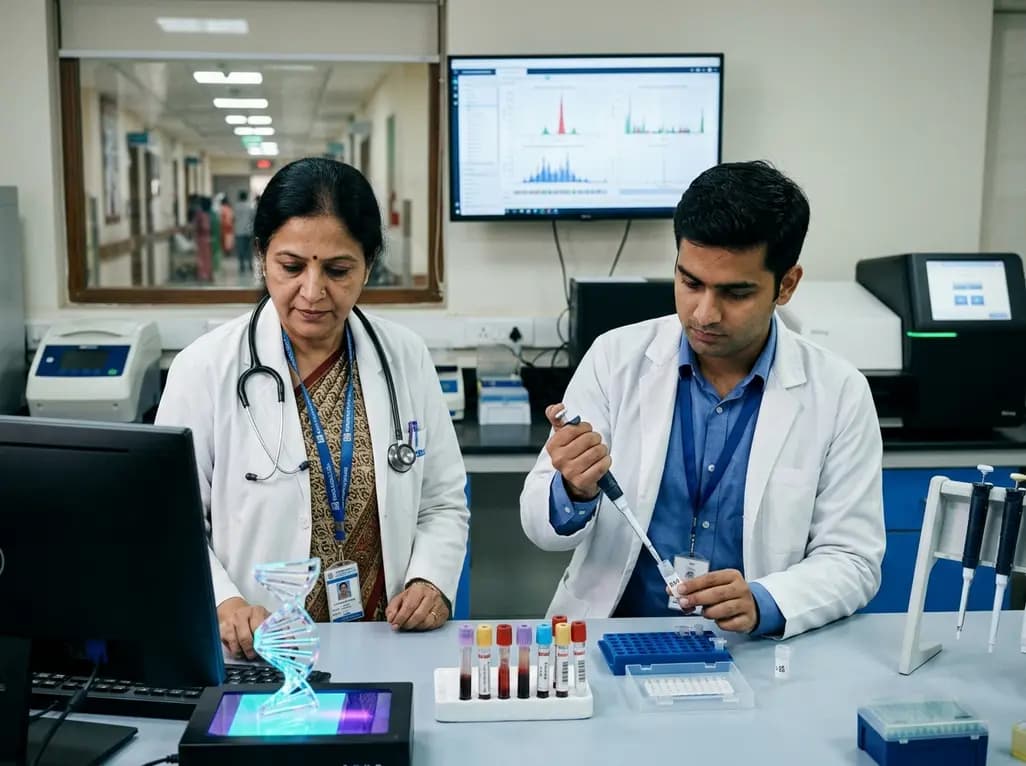
Surgical resection remains the definitive treatment for localized and regional melanoma. However, patients with clinical stage II and stage III disease face substantial risks of distant relapse. Accurate melanoma recurrence prediction is essential to guide adjuvant systemic therapy and optimize surveillance intervals. Although perioperative immunotherapy has transformed oncology care, its definitive overall survival benefit remains variable across patient subsets. Consequently, clinicians need sensitive and specific biomarkers to identify residual microscopic disease before radiographic relapse occurs. Circulating tumor DNA (ctDNA) detection provides a minimally invasive approach to uncover occult micrometastases. Traditional tumor-informed assays require prior sequencing of surgical specimens, which creates logistical delays and tissue availability hurdles. A plasma-only, epigenomic liquid biopsy platform overcomes these hurdles by evaluating methylation alterations across thousands of genomic regions without requiring tumor tissue.
Historically, molecular residual disease evaluation depended heavily on tumor-informed assays. These older platforms require prior genomic sequencing of primary tumor tissue to identify patient-specific mutations. Unfortunately, archival tissue blocks are often unavailable, insufficient, or depleted after extensive diagnostic histology. Furthermore, primary melanomas exhibit profound intratumoral and spatial heterogeneity. Subclones responsible for distant relapses might lack the initial target mutations. In contrast, the COSMOS-MEL01 prospective multicenter study validated a tissue-free molecular residual disease assay. This assay evaluates aberrant methylation signals across more than 20,000 epigenomic regions. Because cancer cells acquire widespread epigenetic reprogramming, methylome profiling provides high biological sensitivity without needing baseline tissue sequencing. Therefore, laboratories can initiate surveillance testing immediately following surgical resection. This streamlined approach minimizes turnaround time and expands molecular monitoring to patients with insufficient diagnostic specimens.
The multicenter prospective COSMOS-MEL01 trial evaluated 48 patients who underwent curative-intent surgery for clinical stage II and III melanoma. The study cohort reflected real-world clinical heterogeneity, including cutaneous non-acral lesions (52%), acral melanoma (31%), and mucosal melanoma (17%). Investigators prospectively gathered 281 serial plasma samples at key milestones, successfully reporting 280 specimens. Specifically, the protocol mandated blood collection prior to surgical intervention, at postoperative day 28, and every three to six months during surveillance. At a median follow-up of 34.6 months, researchers documented 27 clinical recurrence events. Postoperative longitudinal surveillance demonstrated an impressive 81% sensitivity for identifying distant recurrences. Furthermore, the epigenomic platform achieved 100% specificity among patients who remained disease-free throughout surveillance. These rigorous results validate methylome-based liquid biopsy as a dependable biomarker for longitudinal disease monitoring across diverse melanoma subtypes.
Earlier detection of metastatic disease directly influences patient survival and clinical management. In the COSMOS-MEL01 study, this tissue-free platform achieved successful melanoma recurrence prediction with a median lead time of 70.5 days prior to radiographic confirmation. In several patients, the blood assay detected molecular disease up to 273 days before conventional scans detected tumors. Surveillance molecular residual disease detection correlated with an extraordinary hazard ratio of 26.55 for disease recurrence. Furthermore, landmark testing performed at postoperative day 28 proved equally informative. Landmark positivity independently predicted disease recurrence with an adjusted hazard ratio of 11.70. Additionally, early molecular residual disease detection heralded a 30-fold increased risk of melanoma-related mortality. Because early systemic intervention often yields superior therapeutic responses, this substantial window offers oncologists an actionable opportunity to preempt macroscopic clinical progression.
Cutaneous melanoma accounts for most western cohorts, yet acral and mucosal variants present unique clinical challenges globally. Asian, Indian, and other non-Caucasian populations encounter a disproportionately high burden of acral lentiginous and mucosal melanomas. These non-cutaneous variants frequently harbor lower somatic mutation burdens, which reduces the reliability of standard mutation-based circulating tumor DNA panels. In contrast, the COSMOS-MEL01 study enrolled a substantial cohort of acral (31%) and mucosal (17%) cases. Because epigenetic alterations remain robust across divergent histologies, the methylation assay sustained remarkable analytical performance across all three melanoma subgroups. Consequently, oncologists practicing in diverse international settings can deploy this technology with clinical confidence. Epigenomic surveillance delivers diagnostic consistency irrespective of the underlying somatic mutational landscape, ensuring broad applicability across distinct patient demographics.
Adjuvant checkpoint inhibitors and targeted therapies significantly reduce recurrence rates in high-risk melanoma. However, these therapies entail considerable financial expense and immune-related toxicities. Routine radiographic imaging remains limited by spatial resolution and cannot reveal microscopic residual foci. By integrating longitudinal epigenomic molecular residual disease testing, multidisciplinary care teams can tailor treatment intensity to true biological risk. Patients with persistent postoperative molecular disease represent ideal candidates for therapy escalation or novel clinical trials. Conversely, consistently negative serial tests may eventually reassure clinicians considering treatment de-escalation, sparing low-risk individuals from unnecessary adverse events. As randomized biomarker-directed trials mature, tissue-free epigenomic assays will likely transition from investigational surveillance tools into indispensable pillars of personalized melanoma oncology.
The assay interrogates circulating cell-free DNA for cancer-specific DNA methylation signatures across more than 20,000 epigenomic regions. Unlike tumor-informed assays that require primary tissue sequencing to identify single-nucleotide variants, this epigenomic platform targets conserved, tumor-specific methylation patterns directly in plasma. Consequently, the test functions independently of tissue availability, accelerating turnaround time while eliminating sampling errors caused by primary tumor heterogeneity.
In the prospective COSMOS-MEL01 study, surveillance testing detected molecular residual disease with a median lead time of 70.5 days ahead of radiographic recurrence. In several individuals, plasma detection preceded conventional imaging by up to 273 days. This multi-month diagnostic window provides clinicians with an actionable timeframe to adjust systemic therapies before macroscopic metastatic lesions develop.
Acral and mucosal melanomas exhibit markedly lower single-nucleotide mutation burdens than ultraviolet-induced cutaneous melanomas, limiting the efficacy of traditional mutation-focused liquid biopsies. However, these variants undergo characteristic and extensive epigenetic modifications. Because the COSMOS-MEL01 assay analyzes broad methylation patterns rather than specific somatic mutations, it maintains high clinical sensitivity and specificity across acral, mucosal, and cutaneous melanomas alike.
Disclaimer: This content is for informational and educational purposes only... Refer to the latest local and national guidelines for clinical practice.
References

Read summarized clinical updates, watch expert medical content, and earn CME certifications right from your smartphone.
Open your smartphone camera to scan and install.





The prospective COSMOS-MEL01 study demonstrates that a tissue-free epigenomic liquid biopsy assay reliably detects molecular residual disease, predicting distant melanoma recurrence with 81% sensitivity, 100% specificity, and a median lead time of 70.5 days over standard imaging.
Today

A meta-analysis of 14 RCTs reveals that dietary fiber significantly increases bowel movements and stool consistency in functional constipation while modulating gut-brain axis biomarkers, including short-chain fatty acids, serotonin, and inflammation, highlighting benefits beyond simple stool bulking.
Today

A retrospective study of 824 patients undergoing over 2,200 intradetrusor onabotulinumtoxinA injections identifies sex- and etiology-specific predictors of 2-week post-void residual, highlighting the influence of baseline residual volumes, toxin dosage, and distinct urodynamic parameters on urinary retention risk.
Today
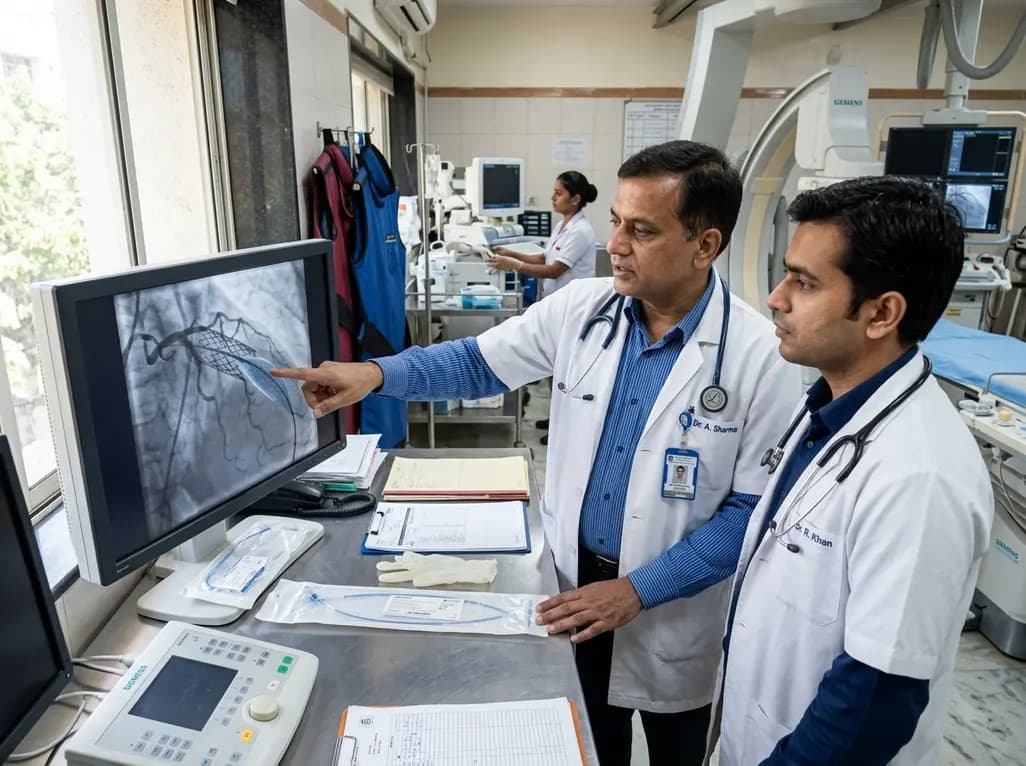
The US FDA has granted approval to the SELUTION SLR drug-eluting balloon for treating coronary in-stent restenosis. This milestone introduces a sustained-release sirolimus platform that eliminates the need for additional permanent metallic stents while maintaining robust vascular healing and luminal patency.
Today

The Thumbs-Out Classification (TOC) is a reliable screening tool for detecting thumb-in-palm deformity in children with cerebral palsy. Utilizing traffic-light tiers for radial abduction, TOC enables clinicians to monitor upper limb function and initiate timely therapeutic or surgical interventions.
Today

A comprehensive review analyzes periconceptional GLP-1 receptor agonist exposure, revealing reassuring data on congenital anomalies and adverse perinatal outcomes while emphasizing the need for cautious patient counseling.
Today
