.webp&w=384&q=75)

Loading, please wait...
Loading, please wait...
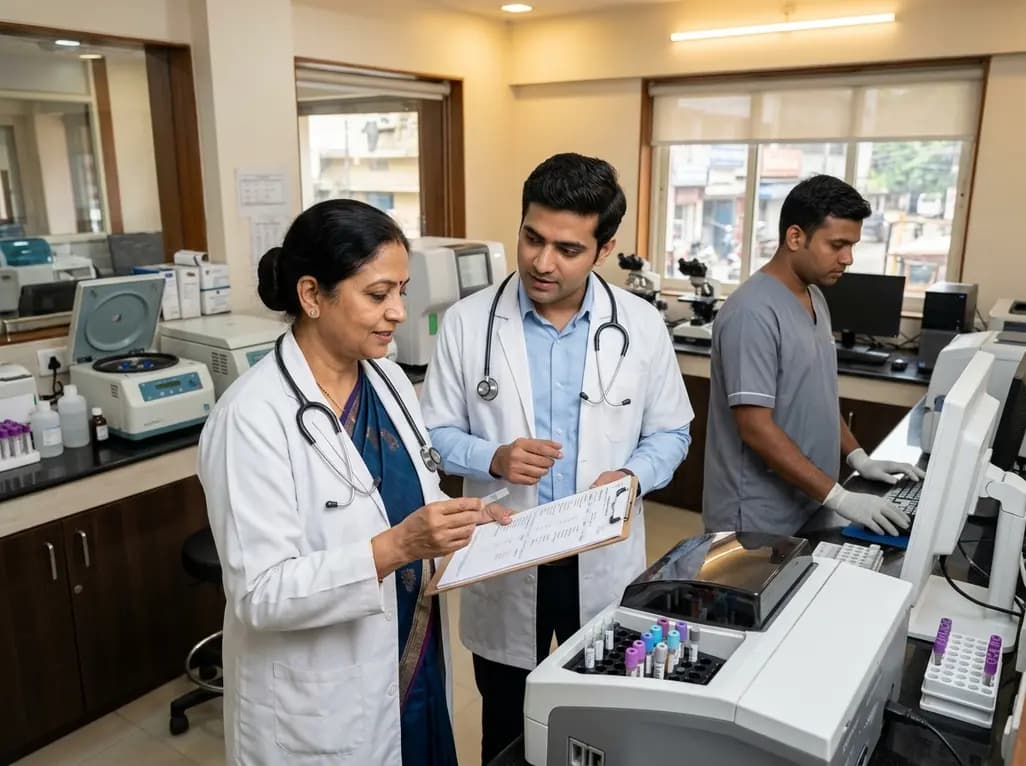
Thyrocare has partnered with digital healthcare platform SecondMedic to establish an advanced diagnostics facility in Jamshedpur, Jharkhand. This strategic initiative delivers comprehensive routine and specialized diagnostic laboratory services directly to an expanding industrial hub. Furthermore, the collaboration addresses the historic disparity in quality testing access between major metropolitan areas and tier-2 healthcare centers. Consequently, local healthcare practitioners gain rapid access to validated biochemical assays, endocrine panels, and vital hematological screens without protracted sample transfer delays. Additionally, timely laboratory reporting empowers physicians to initiate targeted clinical therapies swiftly, optimizing patient outcomes across Jharkhand.
For decades, tier-2 cities across eastern India relied heavily on distant metropolitan reference laboratories for complex diagnostic workups. Consequently, long transit times increased sample degradation risks and delayed urgent clinical interventions. The opening of the Jamshedpur facility directly mitigates these logistical vulnerabilities. Local clinicians can now order broad endocrine, immunological, and metabolic profiles with predictable turnaround timelines. In addition, localized processing reduces pre-analytical errors associated with prolonged whole-blood transit across state borders.
Moreover, the city serves as a major medical and economic center for Jharkhand and adjacent districts. By establishing specialized infrastructure in Jamshedpur, Thyrocare ensures that local healthcare providers do not compromise on analytical precision. Clinicians routinely treat complex cardiometabolic disorders, thyroid dysfunctions, and chronic renal diseases requiring serial monitoring. Therefore, reliable regional testing centers help maintain therapeutic continuity. Automated diagnostic platforms minimize manual pipetting steps and eliminate human transcription variations. As a result, physicians obtain reliable baseline values to guide prompt pharmacotherapy and dosage adjustments. Ultimately, bringing standardized diagnostic technology closer to patients eliminates unnecessary travel for diagnostic workups. This regional presence strengthens local medical confidence across outpatient clinics and nursing homes. Consequently, this strategic operational footprint elevates healthcare delivery benchmarks throughout eastern India.
Analytical validity in clinical pathology depends heavily on pre-analytical sample handling and strict temperature management. For example, sensitive biomarkers such as parathyroid hormone, serum insulin, and specific coagulation factors degrade quickly during room-temperature shipping. When samples travel hundreds of kilometers without dependable cold-chain logistics, specimen integrity deteriorates rapidly. Consequently, false elevations or spurious depressions can skew clinical judgments and confuse treating clinicians.
However, localized diagnostic processing eliminates these prolonged transport cycles. Phlebotomists collect specimens and deliver them promptly to the nearby laboratory under continuous refrigeration. Additionally, automated centrifugation and immediate serum separation preserve delicate analytes before significant deterioration occurs. This operational agility drastically shortens test turnaround intervals from multiple days to just several hours.
Furthermore, rapid reporting proves critical for outpatient decision-making and acute evaluations. Physicians can review vital chemistries, complete blood counts, and inflammatory markers on the same afternoon. Thus, medical teams can adjust antimicrobial therapies, initiate endocrine replacement, or modify cardiovascular drugs without unsafe empirical guessing. Standardized laboratory information systems also flag panic values immediately for urgent clinical response. Consequently, this rapid reporting framework protects patient outcomes during time-sensitive health emergencies. Moreover, timely diagnostic feedback eliminates diagnostic ambiguity during critical outpatient consultations.
The partnership between Thyrocare and SecondMedic introduces a collaborative diagnostic paradigm for modern clinical practice. While Thyrocare supplies accredited automated testing systems, SecondMedic offers extensive digital access and multi-specialty consultation networks. As a result, patients receiving diagnostic workups can seamlessly connect with certified specialists for informed second opinions. This integrated workflow particularly benefits complex presentations, including atypical endocrinopathies, rare hematologic anomalies, and confusing autoimmune screenings.
Moreover, digital synergy empowers primary care practitioners who manage intricate multimorbid patients in smaller healthcare facilities. Local physicians often manage complex diabetic nephropathies or treatment-resistant dyslipidemias without immediate on-site endocrinologists. However, digital integration enables secure electronic record sharing between laboratories, treating physicians, and tertiary care consultants. Therefore, doctors can correlate laboratory deviations with specialized clinical recommendations in real time.
In addition, digital tracking allows longitudinal data logging across repeated health screenings. Standardized digital archives enable clinicians to monitor subtle biomarker trajectories rather than isolated single snapshots. Consequently, early metabolic shifts receive proactive interventions well before clinical disease manifests overt organ damage. Ultimately, combining physical laboratory assets with digital clinical expertise creates an accessible diagnostic continuum for patients. Furthermore, collaborative multidisciplinary reviews decrease misdiagnosis rates and optimize long-term clinical management plans.
Maintaining diagnostic accuracy across regional facilities requires rigorous adherence to standardized internal and external quality control frameworks. Many unorganized testing centers in tier-2 cities lack formal quality assurance and formal proficiency testing. Consequently, clinicians frequently encounter contradictory laboratory results when patients visit different regional laboratories for identical clinical complaints. Such discrepancies trigger repeated blood draws, escalate patient expenditure, and delay definitive diagnoses.
In contrast, organized diagnostic chains implement automated calibration, standardized reagents, and stringent daily multi-level controls. Every analyzer undergoes daily calibration against international reference standards before technicians process patient specimens. Furthermore, automated barcoding and bi-directional laboratory interfacing prevent sample mix-ups during busy collection periods. Laboratory personnel adhere strictly to standardized operating procedures endorsed by national regulatory bodies.
Additionally, participating in external quality assessment schemes validates inter-laboratory consistency across diverse geographic branches. Therefore, a thyroid stimulating hormone level measured in Jamshedpur demonstrates analytical parity with an assay processed in Mumbai. Clinicians can confidently track therapeutic drug monitoring and disease biomarkers across diverse centers. Hence, diagnostic standardization reinforces therapeutic fidelity across outpatient consultations. Ultimately, dependable laboratory quality safeguards clinical decisions and prevents costly, redundant medical investigations. Consequently, standardized diagnostic benchmarks inspire clinical reliance across regional healthcare ecosystems.
Preventive health screening plays a vital role in curbing India's escalating non-communicable disease burden. Specifically, conditions like type 2 diabetes mellitus, hypertension, and chronic kidney disease often remain asymptomatic during early developmental phases. Routine access to comprehensive diagnostic panels encourages early screening and timely risk stratification. When high-throughput diagnostics become affordable locally, patients actively engage in recommended periodic checkups.
Moreover, local physicians can design comprehensive chronic care protocols using structured biochemical panels. For instance, serial measurements of glycated hemoglobin, microalbuminuria, and lipid fractions allow precise cardiovascular risk scoring. However, patients frequently defer testing when access requires traveling to distant tertiary hospitals. By locating advanced capabilities within Jamshedpur, healthcare providers remove geographical obstacles that deter routine compliance.
Consequently, early identification of dysglycemia, subclinical hypothyroidism, or dyslipidemia enables early lifestyle and pharmacological interventions. In addition, regular monitoring helps clinicians assess patient adherence to prescribed statins, antihypertensive regimens, or insulin therapies. Ultimately, decentralized diagnostic networks build a proactive community health model that mitigates catastrophic cardiovascular and microvascular complications. Thus, expanding localized diagnostic infrastructure establishes the cornerstone for robust preventive and therapeutic medicine across regional populations. Additionally, affordable screening panels encourage wider community participation in preventive health assessments.
Q1: Why is local diagnostic laboratory testing important for tier-2 cities?
Local diagnostic testing significantly shortens sample transit times and prevents pre-analytical sample degradation. Consequently, clinicians receive highly reliable results within hours rather than days. This proximity allows immediate therapeutic decisions for acute conditions and improves patient compliance with regular disease monitoring. Furthermore, local access eliminates the expense and stress of sending patients to distant metropolitan centers for routine health assessments.
Q2: How does the partnership between Thyrocare and SecondMedic benefit patients?
The collaboration bridges standardized laboratory diagnostics with digital clinical expertise. Patients obtain accredited blood and pathology tests through Thyrocare's automated systems while gaining streamlined access to SecondMedic's virtual specialist network. Therefore, individuals with abnormal or complex test results can promptly seek expert second opinions without traveling to metropolitan hospitals. This integrated healthcare delivery model ensures rapid diagnostic clarification and informed clinical decision-making.
Q3: What quality assurance measures protect test result accuracy in regional labs?
Regional laboratories maintain accuracy through automated analytical platforms, daily multi-level quality controls, and barcode tracking. Technicians calibrate instruments against validated reference standards to eliminate instrumental drift and measurement bias. Additionally, participation in external quality assessment schemes ensures analytical concordance with central reference laboratories. These rigorous standardized protocols prevent pre-analytical, analytical, and post-analytical errors, giving clinicians complete confidence in diagnostic reports.
Disclaimer: This content is for informational and educational purposes only. It does not constitute medical advice or replace professional judgment. Refer to the latest local and national guidelines for clinical practice.
References

Read summarized clinical updates, watch expert medical content, and earn CME certifications right from your smartphone.
Open your smartphone camera to scan and install.





Thyrocare has partnered with SecondMedic to launch a specialized diagnostic laboratory in Jamshedpur, Jharkhand. The strategic facility improves local turnaround times, extends standardized pathology capabilities beyond metros, and enhances clinical decision-making for practicing physicians across eastern India.
Today
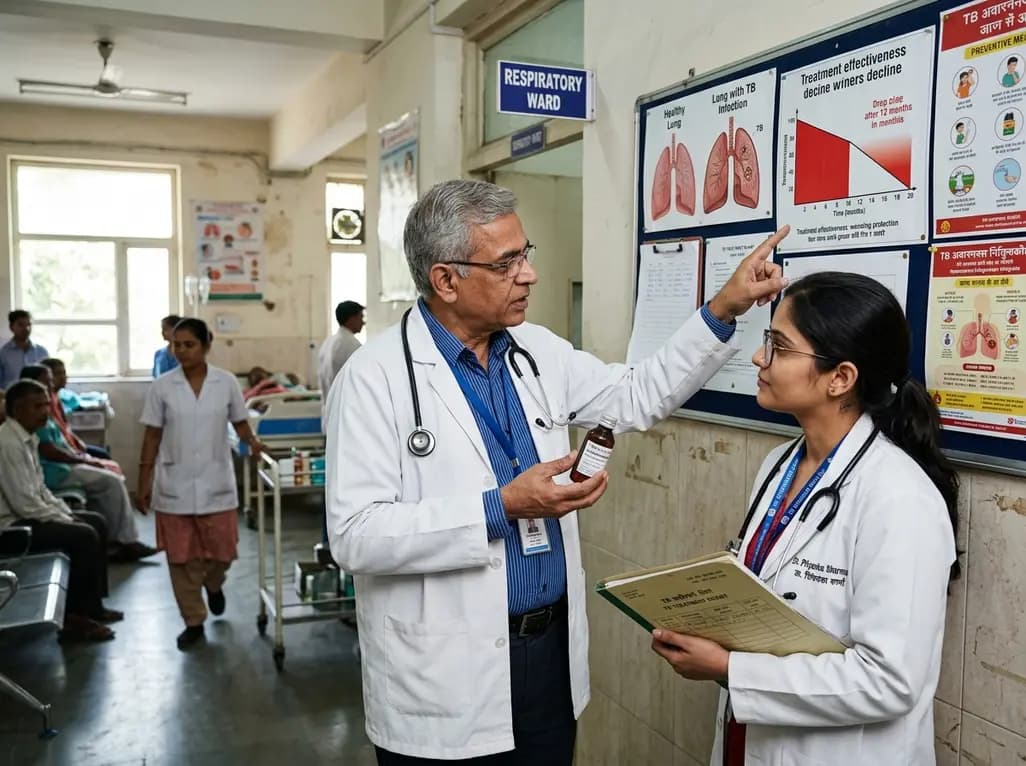
Recent findings in The Lancet Respiratory Medicine reveal that tuberculosis preventive treatment wanes after one year in high-burden settings, unlike the decade-long protection seen in low-burden regions. Clinicians in endemic nations must combine antibiotic chemoprophylaxis with active transmission control.
Today

A school-based intervention using the Health Action Process Approach (HAPA) significantly enhanced adolescents' perceived benefits of consulting healthcare providers and promoted proactive menstrual health behaviors, offering key clinical insights for managing adolescent dysmenorrhea and endometriosis.
Today
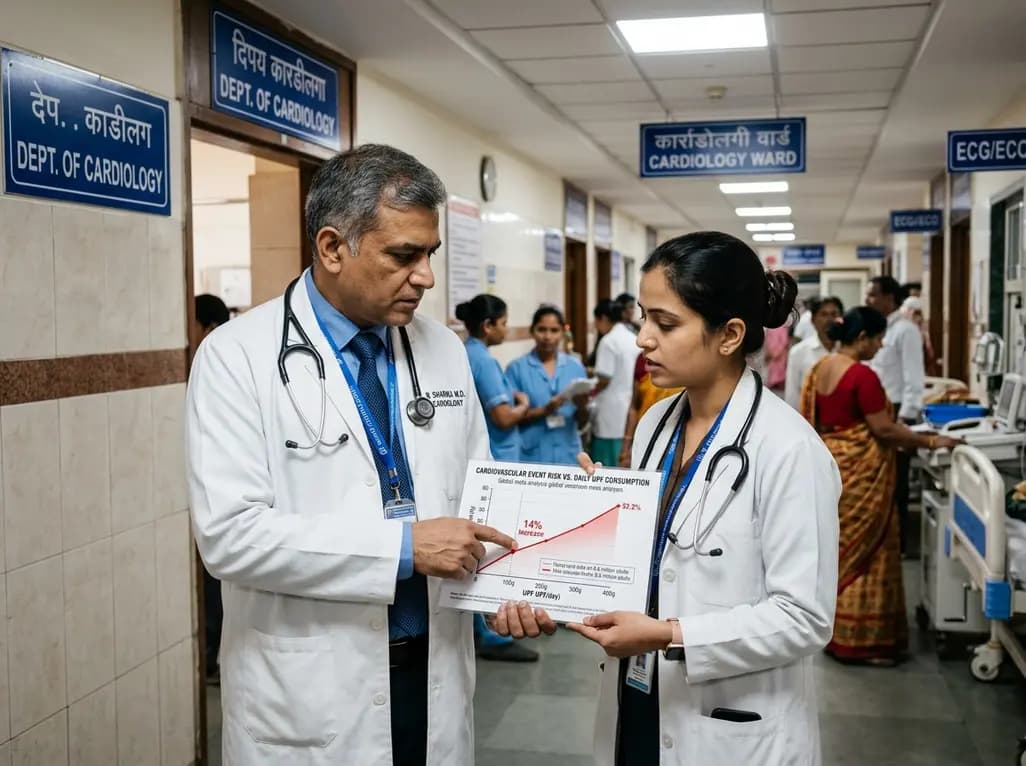
A global dose-response meta-analysis of 8.8 million adults reveals that consuming an extra 100 grams of processed food daily raises cardiovascular event risk by 14%. Explore how industrial additives, systemic inflammation, and metabolic disruption heighten long-term multimorbidity and cardiometabolic risks.
Today
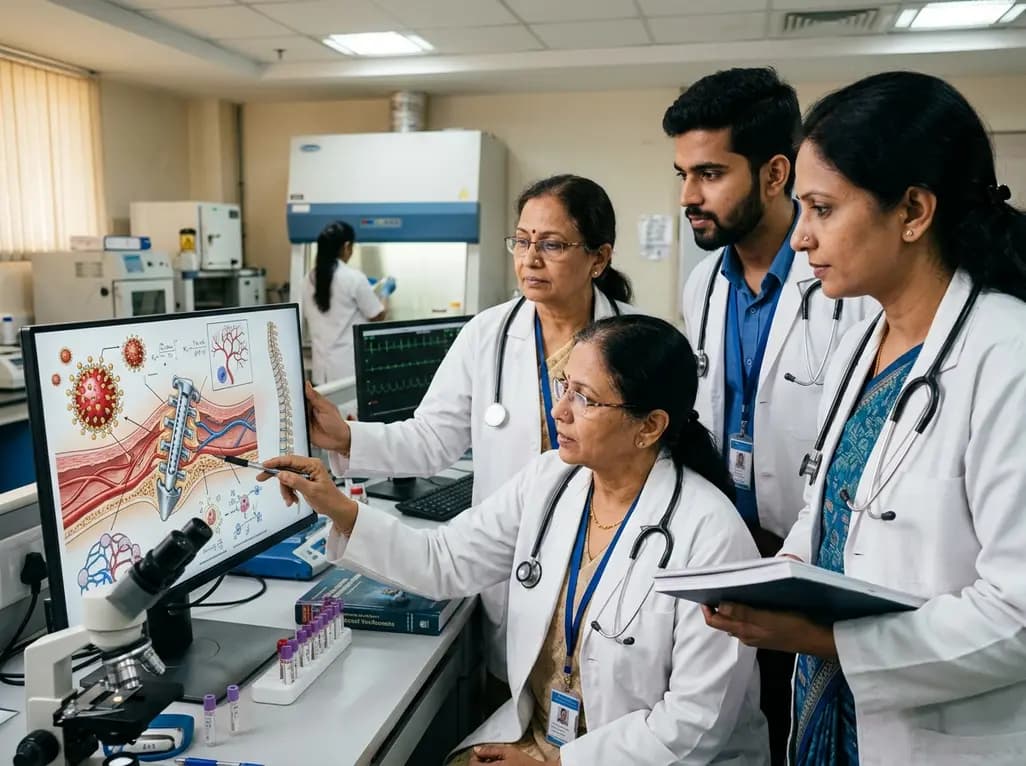
A comprehensive analysis of the Translational Maturity Framework for nanomedicine-device combination products, evaluating regulatory complexity, manufacturing hurdles, and clinical readiness across oncology, cardiology, and orthopedics.
Today
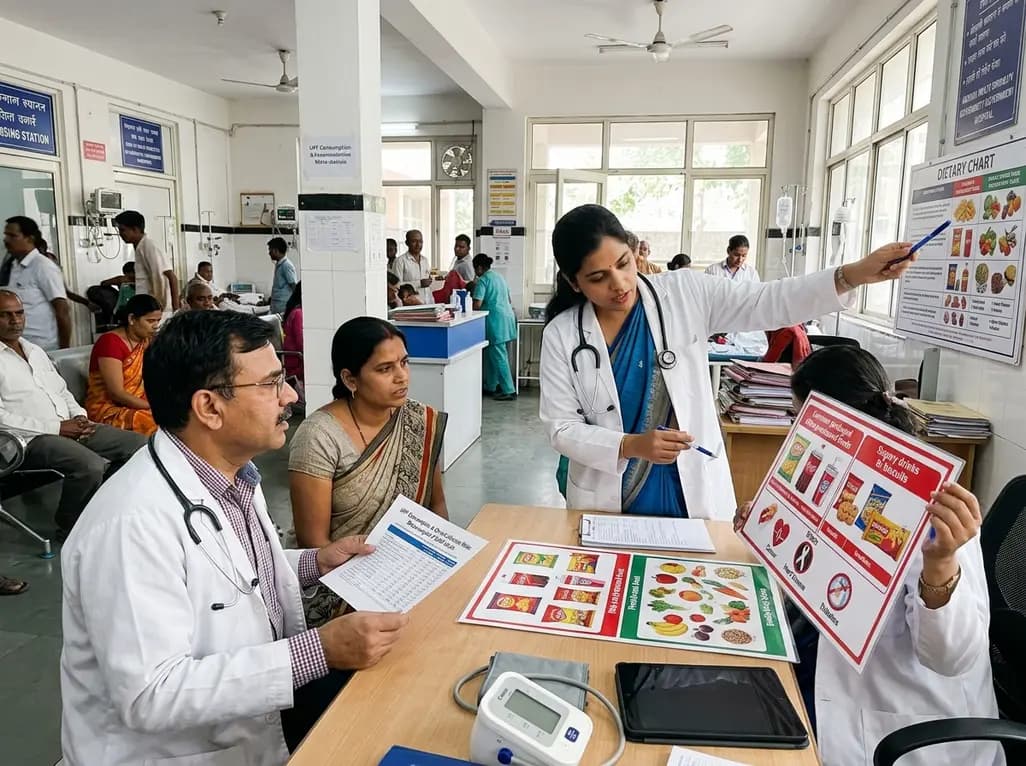
A landmark dose-response meta-analysis of 8.8 million adults reveals that high ultra-processed food intake significantly elevates risks for cardiovascular disease, cancer, diabetes, depression, and all-cause mortality, highlighting urgent needs for clinical lifestyle interventions.
Today
