.webp&w=384&q=75)

Loading, please wait...
Loading, please wait...
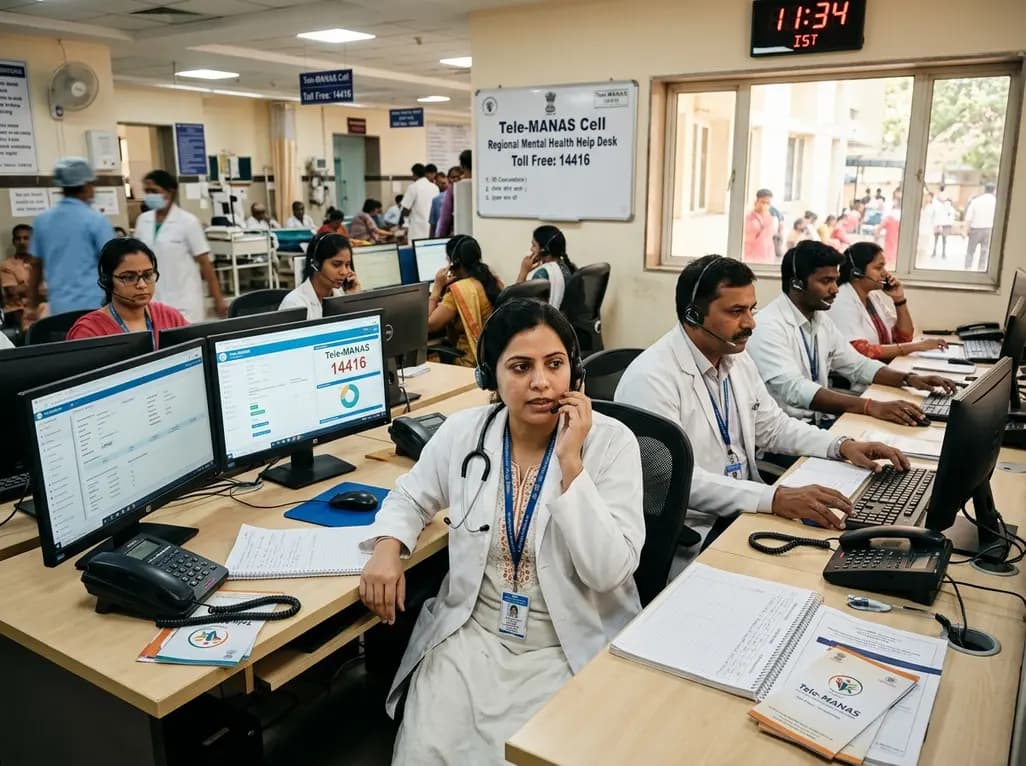
Mental health conditions place a massive clinical burden on healthcare ecosystems across the world. In India, public awareness and digital health infrastructure are rapidly transforming how communities seek psychological support. The nationwide Tele-MANAS helpline has logged nearly 48 lakh distress calls since its launch, reflecting a profound shift toward remote care. However, global mental health systems still face persistent barriers. As international agencies push for decentralization, digital interventions offer an unprecedented model for early clinical outreach and community support.
Recent assessments from the World Health Organization reveal a significant structural gap in global psychiatric services. Currently, eighty-one percent of countries still deliver mental health care primarily through centralized psychiatric hospitals. Moreover, only nine percent of nations have completed a meaningful transition toward community-based care models. Another fifty-three percent of countries remain in early transitional phases. Consequently, millions of patients worldwide endure prolonged, institutionalized confinement.
The clinical consequences of hospital-centred care manifest prominently in institutional stay durations. Specifically, twenty-eight percent of patients admitted to psychiatric hospitals remain hospitalized for more than six months. Furthermore, sixteen percent of individuals stay for over an entire year. In addition, governments allocate approximately forty-seven percent of mental health budgets directly to traditional psychiatric hospitals. This financial imbalance severely restricts funds for local rehabilitation and ambulatory services. Deinstitutionalization requires robust local clinics and structured follow-up programs. Simply discharging vulnerable individuals without community networks creates grave risks of medical neglect and social isolation.
The divide between institutional asylum care and decentralized healthcare appears particularly severe across South-East Asia. Regional data indicates that sixty-three percent of nations in this zone remain in the nascent stages of systemic reform. Notably, no single country in the South-East Asia region has fully completed the transition to community-oriented psychiatry. Resource shortages and severe workforce constraints heavily obstruct progress across developing jurisdictions.
Most low- and middle-income nations maintain fewer than two mental health professionals per one hundred thousand individuals. Consequently, secondary and tertiary facilities face immense clinical strain. Furthermore, specialized psychiatric units remain clustered in major urban centers. Rural populations therefore experience profound physical barriers when seeking timely psychiatric evaluations. In response, health systems must integrate psychiatric services directly into existing primary care frameworks. Primary care physicians and community health workers can deliver routine mental health screenings effectively. Therefore, decentralization serves as a vital clinical necessity rather than an optional healthcare reform. Community clinics can offer ongoing medication management and social rehabilitation without requiring disruptive hospitalizations.
To bridge significant diagnostic and therapeutic deficits, India launched the ambitious National Tele Mental Health Programme. At the core of this initiative, the Tele-MANAS helpline operates twenty-four hours a day as a confidential, toll-free clinical resource. Since its official launch on October 10, 2022, the platform has answered 47,75,644 distress calls nationwide. Fifty-three dedicated operational cells now coordinate psychological care across all thirty-six States and Union Territories.
Callers connect instantly by dialing short code 14416, receiving rapid psychological first aid and structured triage. Therefore, patients overcome geographic isolation and circumvent cultural stigma. Trained clinical counselors address urgent complaints, ranging from severe exam-related panic to persistent workplace distress. Furthermore, tiered protocols allow counselors to escalate acute psychiatric emergencies to on-call psychiatrists rapidly. Digital triage thus prevents unnecessary hospital visits while identifying patients who require physical evaluation. Consequently, the telephonic network acts as a crucial triage buffer for regional hospitals. This scalable tele-mental health framework exemplifies how digital innovation can democratize primary psychological support across vast populations.
Epidemiological analysis of caller records provides valuable insights into contemporary psychosocial stressors. Official evaluations of 13.35 lakh documented caller profiles illuminate distinct demographic patterns among help-seeking populations. Specifically, young and middle-aged adults between eighteen and forty-five years constitute 73.2 percent of all registered service users. This substantial proportion highlights significant distress among the nation's most economically productive demographics.
Gender distributions also reveal notable trends regarding healthcare utilization. Male callers represent 54.18 percent of analyzed caller profiles, while female callers account for 43.78 percent. Thus, telephonic anonymity successfully encourages men to seek emotional assistance, defying traditional behavioral hesitation. Callers frequently report generalized anxiety, acute academic stress, occupational burnout, and sleep disturbances. Furthermore, interpersonal friction and chronic affective symptoms represent frequent reasons for seeking consultations. Primary care physicians can utilize these behavioral patterns during daily routine outpatient screenings. Clinicians should proactively evaluate younger patients for subtle manifestations of emotional fatigue. Ultimately, early outpatient detection prevents acute mood disorders from progressing into debilitating clinical conditions.
Telephonic triage represents only the first line of defense in modern community-based mental healthcare. Accordingly, public health authorities have expanded the District Mental Health Programme across 767 districts to ensure local clinical continuity. Furthermore, mental health services now operate within more than 1.83 lakh Ayushman Arogya Mandirs across the country. This integration allows primary healthcare centers to deliver comprehensive psychiatric evaluations and uninterrupted medical therapy.
General practitioners and medical officers play a pivotal role within this collaborative care network. For example, community doctors can manage uncomplicated depression and anxiety using standardized pharmacological protocols. Moreover, primary care teams provide crucial psychosocial counseling alongside chronic illness management. When remote helpline counselors identify severe psychiatric symptoms, they refer patients directly to nearby community clinics. Therefore, the digital system and physical infrastructure establish an uninterrupted continuum of patient care. In addition, this decentralized model significantly diminishes psychiatric stigma within rural communities. By embedding mental health within standard primary care, physicians normalize psychiatric treatment and dramatically reduce costly hospitalizations.
Q1: What clinical services does the Tele-MANAS helpline offer to callers in India?
The Tele-MANAS helpline provides round-the-clock, confidential psychological first aid and tele-counseling through its toll-free number 14416. Trained counselors assess callers for emotional distress, academic stress, generalized anxiety, and mood disorders. Furthermore, the platform utilizes structured triage protocols to identify severe psychiatric emergencies. When callers require pharmacological interventions or urgent care, counselors promptly coordinate specialized video consultations or refer patients to nearby District Mental Health Programme centers.
Q2: Why is the transition from psychiatric hospitals to community-based care critical?
Hospital-based psychiatric care frequently results in extended admissions, social isolation, and disproportionate resource consumption. In contrast, community-based care delivers medical interventions closer to home, preserving social relationships and patient autonomy. Moreover, integrating psychiatric support into local primary health centers reduces treatment costs and societal stigma. Consequently, patients receive continuous outpatient monitoring, which drastically minimizes relapse rates and promotes sustained psychosocial rehabilitation within their home environments.
Q3: How do primary care physicians interface with India's expanding tele-mental health framework?
Primary care physicians act as vital clinical anchors within the decentralized mental health framework. When tele-mental health counselors identify patients requiring physical diagnostic evaluation or pharmacotherapy, they refer them to Ayushman Arogya Mandirs and district clinics. Furthermore, primary doctors manage maintenance treatments, monitor psychotropic adverse effects, and deliver supportive psychosocial guidance. Thus, primary physicians ensure that virtual helpline consultations smoothly transition into comprehensive, long-term clinical care.
Disclaimer: This content is for informational and educational purposes only. It does not constitute medical advice or replace professional judgment. Refer to the latest local and national guidelines for clinical practice.
References

Read summarized clinical updates, watch expert medical content, and earn CME certifications right from your smartphone.
Open your smartphone camera to scan and install.





With over 47 lakh calls managed across 53 regional cells, Tele-MANAS is bridging critical mental health gaps in India. As global health authorities urge a shift from institutional psychiatric hospitalization to decentralized community support, integrated primary care models offer sustainable, accessible solutions.
Today
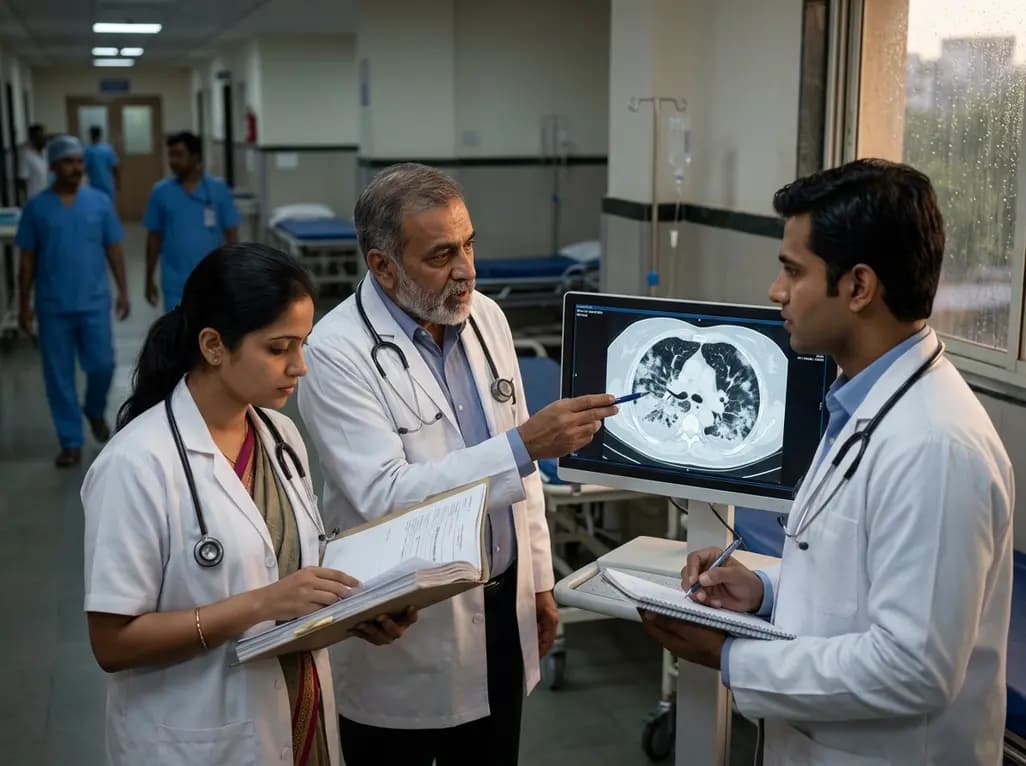
A fatal case involving a research technician at a Siberian anti-plague facility has triggered global surveillance inquiries. While tests rule out high-threat pathogens like plague and show no onward spread, the missing definitive diagnosis highlights crucial challenges in laboratory biosafety and clinical workups.
Today
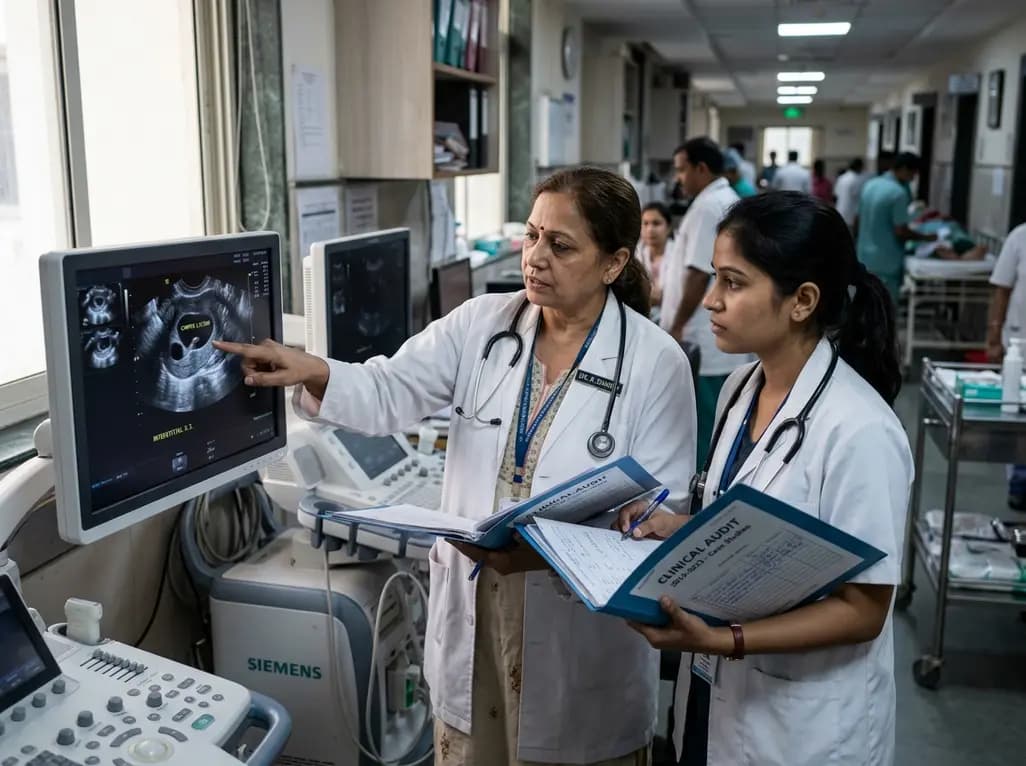
A five-year clinical audit reveals that while ultrasound identification and clinical management of interstitial ectopic pregnancy achieved 100% compliance, terminology documentation had a 0% compliance rate, highlighting the need for standardized reporting templates to distinguish interstitial from cornual cases.
Today
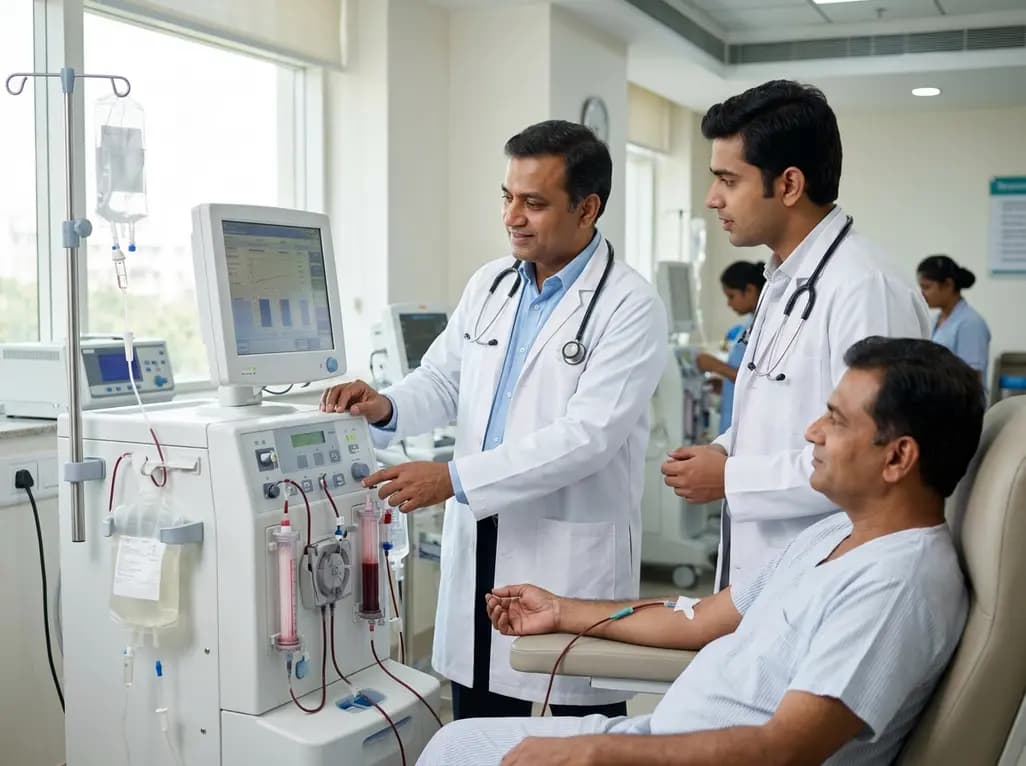
A systematic review and meta-analysis of 33 studies evaluates the effectiveness of LDL apheresis techniques in familial hypercholesterolemia. Double-filtration plasmapheresis demonstrated the greatest reductions in total cholesterol and LDL-C, while safety and clinical feasibility guide individual therapy.
Today

A case report details a 28-year-old woman sustaining a perivascular bone missile injury from a deceased co-rider in a motorcycle crash. The article reviews computed tomography imaging, safe surgical extraction, and essential post-exposure prophylaxis for penetrating biological trauma.
Today
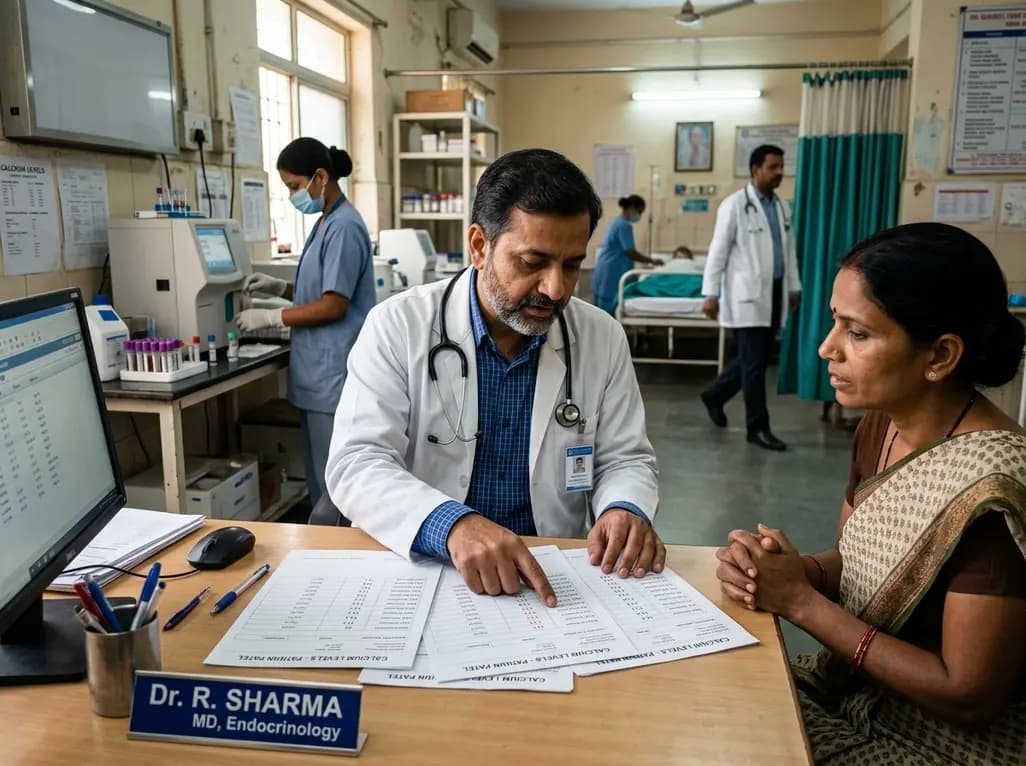
In severe acute pancreatitis, initial normal calcium levels can mask primary hyperparathyroidism due to saponification. This case report highlights how serial calcium monitoring unmasked severe hypercalcemia, guiding life-saving emergency medical therapy and curative parathyroidectomy.
Today
