.webp&w=384&q=75)

Loading, please wait...
Loading, please wait...
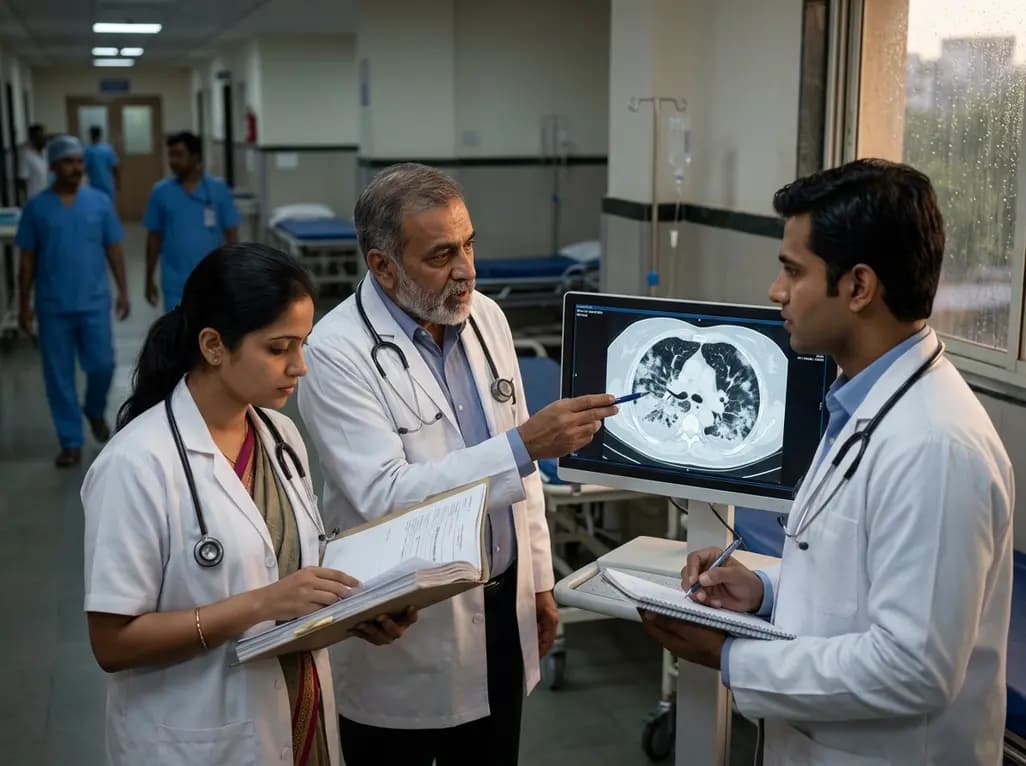
The World Health Organization recently issued a global alert regarding a fatal respiratory illness at an anti-plague research facility in Siberia. Russian health authorities reported that a laboratory worker developed fatal unexplained pneumonia in early October. Consequently, international surveillance networks initiated rapid assessments to exclude high-threat biological pathogens. While initial laboratory testing excluded several lethal microbes, the absence of an identified pathogen keeps global authorities vigilant.
On October 2, a twenty-eight-year-old laboratory technician at the Irkutsk Anti-Plague Research Institute died following rapid respiratory failure. Because this specialized facility handles dangerous pathogens, regional public health agencies immediately enacted strict containment measures. Authorities swiftly quarantined nearly two hundred close contacts to mitigate potential community transmission. In addition, medical teams monitored all quarantined individuals for fever, cough, and systemic distress.
Fortunately, regulatory authorities reported that every contact remained completely asymptomatic throughout the observation window. Moreover, comprehensive molecular tests confirmed no secondary infections among coworkers, family members, or treating healthcare personnel. Russian health regulators subsequently informed the World Health Organization about these negative laboratory findings.
Nevertheless, global health authorities emphasized that key epidemiological uncertainties persist. Health leaders remain acutely alert regarding severe respiratory clusters since the COVID-19 pandemic. Consequently, any lethal pulmonary event inside a high-containment facility demands exhaustive diagnostic clarity. The World Health Organization continues to seek complete laboratory data to verify the clinical timeline. Therefore, international surveillance teams maintain active monitoring until authorities establish a definitive post-mortem diagnosis. Prompt international reporting guarantees rapid multilateral support if novel threats arise.
Specialized research laboratories routinely evaluate hazardous microorganisms that possess high epidemic potential. When a staff member develops unexplained pneumonia in such facilities, investigators must methodically exclude laboratory-acquired infections. Russian authorities reported that the technician had received all appropriate occupational immunizations. Furthermore, toxicological and microbiological assays detected no evidence of the pathogens she handled during daily duties.
However, resolving high-threat diagnostic dilemmas requires exhaustive microbiological and genomic testing. Clinicians routinely employ next-generation sequencing, multiplex polymerase chain reaction arrays, and broad-spectrum serological evaluations. When these advanced tests fail to identify a clear pathogen, medical teams confront substantial diagnostic ambiguity. In fact, standard clinical practice demonstrates that up to forty percent of severe community-acquired pneumonias lack an identified microbiological etiology.
Nonetheless, laboratory environments amplify clinical stakes significantly. Investigators must determine whether technical equipment failed, protective barriers tore, or an unrecognized pathogen caused fulminant tissue damage. In addition, regulators must review ventilation records and autoclave decontamination logs thoroughly. Thus, ruling out intentional or accidental exposure requires multi-layered oversight. Medical teams cannot dismiss the incident until post-mortem forensic histology confirms the exact terminal mechanism. Consequently, public health bodies demand complete documentation to preserve global scientific trust.
Clinicians managing rapid pulmonary decline must construct a broad differential diagnosis. Initially, physicians feared pneumonic plague caused by the Gram-negative coccobacillus Yersinia pestis. Primary pneumonic plague presents with sudden high fever, chills, cough, hemoptysis, and rapid progression to fatal bilateral consolidation. Because Yersinia pestis spreads via respiratory droplets, it causes acute respiratory distress syndrome within twenty-four hours if untreated.
However, laboratory testing definitively ruled out Yersinia pestis in this patient. Therefore, intensivists must consider other aggressive infectious agents capable of inducing rapid alveolar damage. For example, viral pathogens like influenza A, respiratory syncytial virus, severe adenoviruses, or novel coronaviruses can trigger catastrophic cytokine release. In addition, atypical bacterial infections, including Legionella pneumophila, Chlamydia pneumoniae, and severe Streptococcus pneumoniae, cause devastating necrotizing consolidation.
Furthermore, clinicians must evaluate non-infectious etiologies. Acute chemical pneumonitis, inhalation of toxic aerosols, and fulminant pulmonary embolism mimic severe bacterial pneumonia. Chemical exposures produce diffuse alveolar damage and acute lung injury without leaving persistent microbial traces. Consequently, critical care teams must obtain invasive bronchoscopy samples and serial cultures early in deteriorating patients. Thus, rapid diagnostic interventions preserve vital opportunities for targeted antimicrobial therapy.
High-containment research institutions operating Biosafety Level 3 and 4 suites enforce stringent occupational safeguards. Personnel handle dangerous aerosolizable pathogens inside certified biosafety cabinets under continuous negative pressure airflow. Furthermore, researchers must wear powered air-purifying respirators, impermeable suits, and double-gloved barrier protection at all times.
Despite these engineered defenses, human error and subtle mechanical breaches remain acknowledged operational vulnerabilities. Therefore, biosafety frameworks mandate rigorous baseline medical surveillance for all laboratory workers. Occupational health protocols require daily temperature logging, mandatory reporting of minor respiratory symptoms, and immediate quarantine protocols for suspect cases.
Moreover, institutional response plans dictate prophylactic antimicrobial administration after any suspected laboratory incident. For example, protocols mandate oral doxycycline or ciprofloxacin prophylaxis following confirmed or suspected exposure to aerosolized plague. In addition, institutions maintain clear isolation pathways to evaluate symptomatic workers without risking general hospital populations. Russia implemented strict isolation for nearly two hundred individuals during this Siberian incident. Fortunately, active surveillance identified no secondary transmission chains. Consequently, this outcome demonstrates that prompt quarantine measures effectively prevent wider community transmission during uncertain disease alerts. Routine biocontainment validation prevents recurrent occupational hazards.
This Siberian incident provides essential operational insights for Indian clinicians, infectious disease specialists, and microbiological researchers. India maintains multiple premier high-containment facilities under the Indian Council of Medical Research. These centers study high-consequence pathogens, including Kyasanur Forest disease virus, Crimean-Congo hemorrhagic fever, and zoonotic respiratory agents.
Consequently, Indian laboratory directors must enforce strict biosafety audits aligned with National Institute of Virology guidelines. Health institutions must maintain robust occupational registries to track sudden worker illnesses instantly. Furthermore, hospital clinicians across India must maintain heightened suspicion when evaluating severe acute respiratory infections. The Integrated Disease Surveillance Programme requires prompt reporting of unexplained severe pneumonia clusters in district and tertiary hospitals.
Moreover, tertiary intensive care units must possess standardized clinical algorithms for unexplained respiratory collapse. When standard empirical antibiotics fail, intensivists must initiate multiplex respiratory pathogen panels immediately. Clinicians should also contact regional public health microbiologists before discharging or transferring patients with unresolved severe respiratory illness. Ultimately, early recognition, swift quarantine, and transparent multi-agency reporting form the primary defense against unexpected infectious hazards. Therefore, continuous multidisciplinary coordination ensures rapid national containment before local outbreaks escalate.
Q1: Why did health authorities initially suspect pneumonic plague in the Siberian laboratory case?
The deceased patient worked as a technician at a specialized anti-plague research institute handling virulent pathogens, including Yersinia pestis. Because pneumonic plague manifests as sudden, lethal respiratory distress that transmits through airborne droplets, health officials feared a potential occupational laboratory breach. Therefore, regional authorities immediately quarantined around two hundred contacts to prevent potential community spread while medical teams conducted urgent microbiological and molecular testing.
Q2: Why does an undetermined diagnosis create major challenges for public health agencies?
An unresolved clinical diagnosis creates severe operational uncertainty because public health investigators cannot determine the specific transmission route or underlying virulence. Without identifying the causative microbe, epidemiologists cannot calculate the incubation period, reproductive rate, or antimicrobial susceptibility. Furthermore, diagnostic ambiguity fuels widespread public panic and digital misinformation during high-profile investigations. Consequently, international agencies like the World Health Organization demand exhaustive genomic testing to exclude emerging novel pathogens.
Q3: How should Indian clinicians approach patients presenting with severe unexplained pneumonia?
Indian clinicians evaluating acute respiratory collapse must combine urgent organ support with extensive diagnostic evaluations. Medical teams should obtain blood cultures, sputum samples, and nasopharyngeal swabs for multiplex polymerase chain reaction assays before starting empirical antimicrobials. Furthermore, physicians must take detailed occupational and travel histories. When patients exhibit atypical fulminant progression, clinicians should notify state surveillance officers under the Integrated Disease Surveillance Programme to investigate potential biological threats.
Disclaimer: This content is for informational and educational purposes only. It does not constitute medical advice or replace professional judgment. Refer to the latest local and national guidelines for clinical practice.
References

Read summarized clinical updates, watch expert medical content, and earn CME certifications right from your smartphone.
Open your smartphone camera to scan and install.





A fatal case involving a research technician at a Siberian anti-plague facility has triggered global surveillance inquiries. While tests rule out high-threat pathogens like plague and show no onward spread, the missing definitive diagnosis highlights crucial challenges in laboratory biosafety and clinical workups.
Today
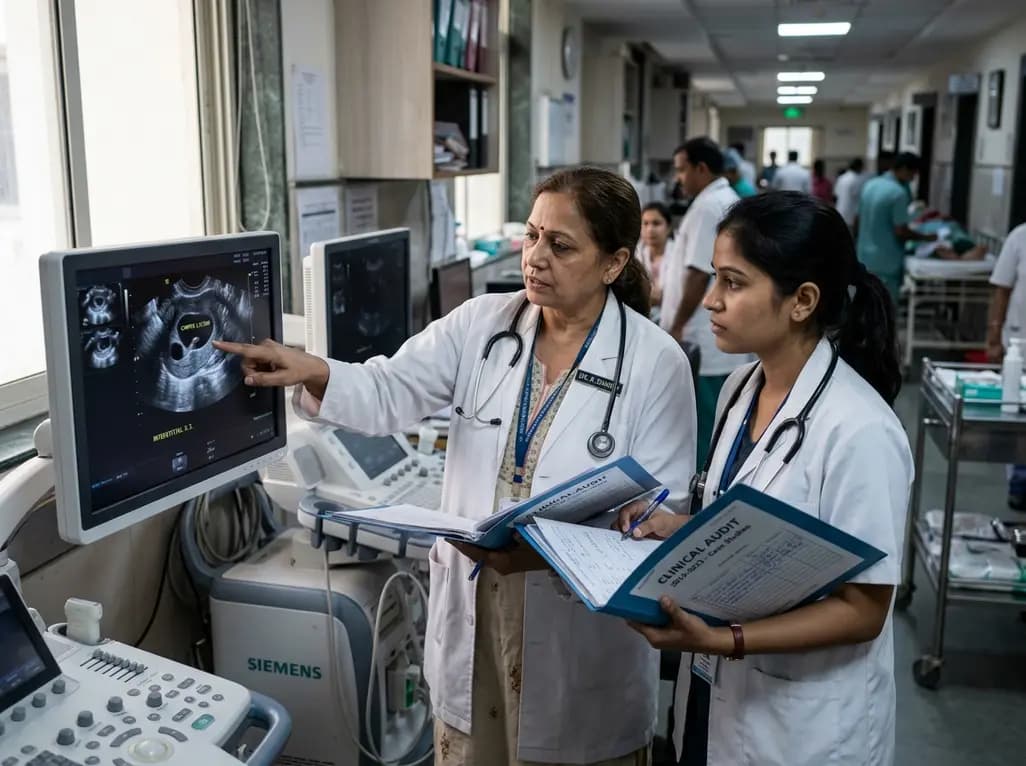
A five-year clinical audit reveals that while ultrasound identification and clinical management of interstitial ectopic pregnancy achieved 100% compliance, terminology documentation had a 0% compliance rate, highlighting the need for standardized reporting templates to distinguish interstitial from cornual cases.
Today
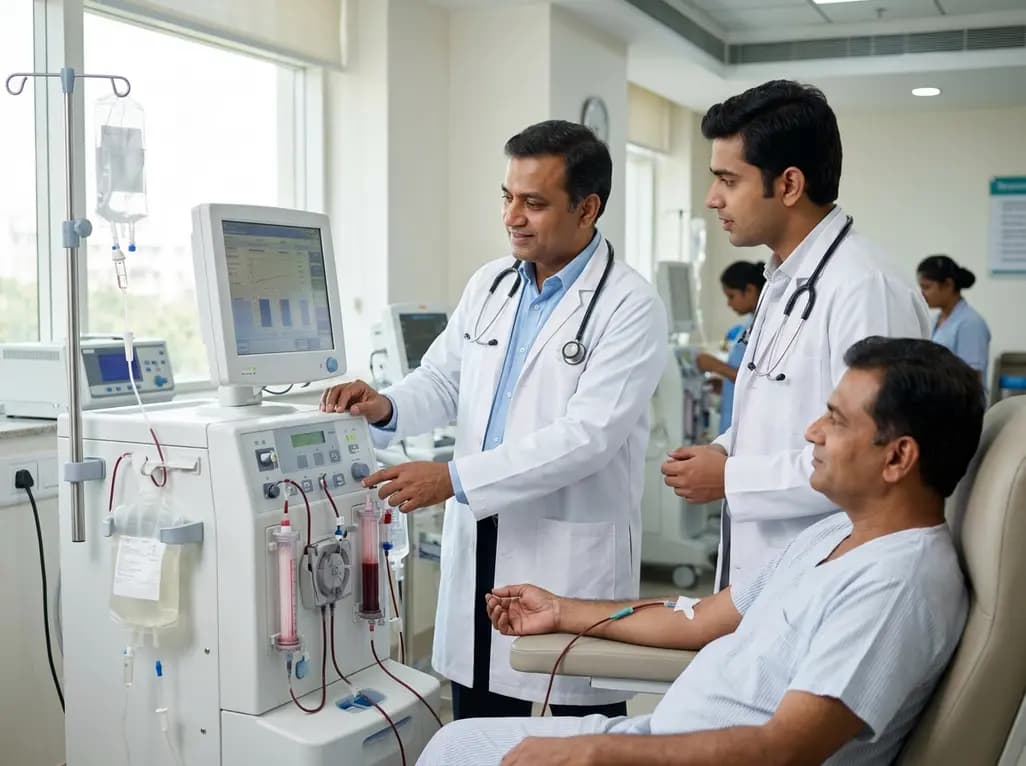
A systematic review and meta-analysis of 33 studies evaluates the effectiveness of LDL apheresis techniques in familial hypercholesterolemia. Double-filtration plasmapheresis demonstrated the greatest reductions in total cholesterol and LDL-C, while safety and clinical feasibility guide individual therapy.
Today

A case report details a 28-year-old woman sustaining a perivascular bone missile injury from a deceased co-rider in a motorcycle crash. The article reviews computed tomography imaging, safe surgical extraction, and essential post-exposure prophylaxis for penetrating biological trauma.
Today

In severe acute pancreatitis, initial normal calcium levels can mask primary hyperparathyroidism due to saponification. This case report highlights how serial calcium monitoring unmasked severe hypercalcemia, guiding life-saving emergency medical therapy and curative parathyroidectomy.
Today
