

Loading, please wait...
Loading, please wait...
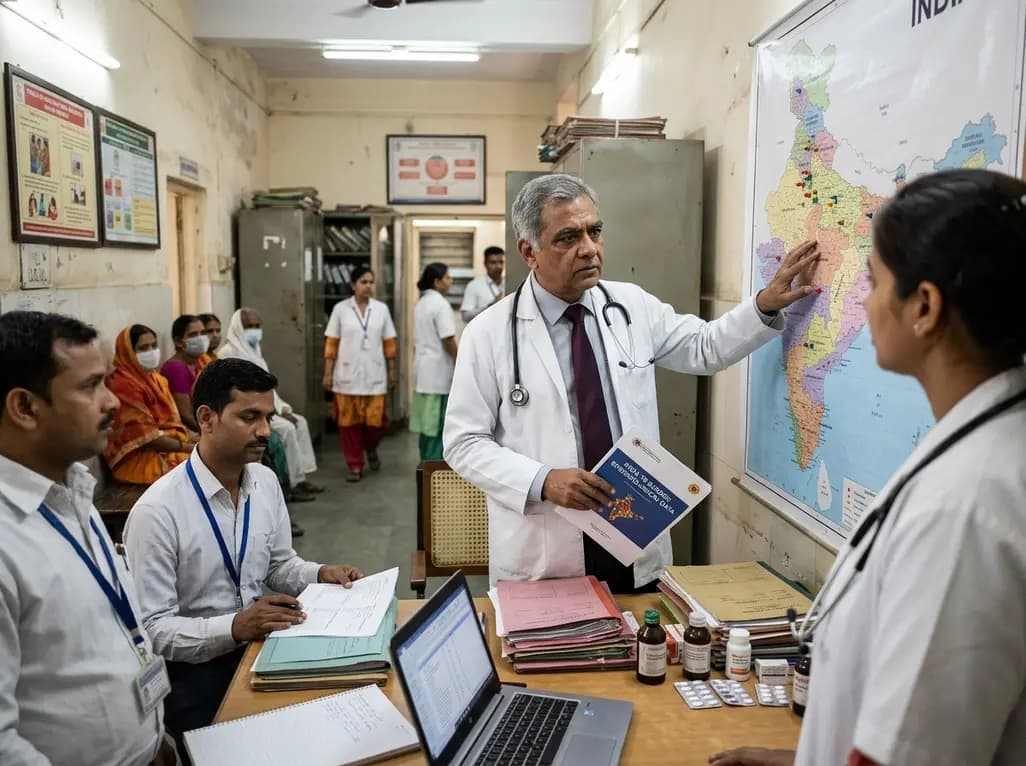
The persistent TB burden in India remains a critical concern for clinicians, healthcare administrators, and public health advocates across the nation. Recently, civil society network Jan Swasthya Abhiyan India submitted an urgent representation to the Union Health Ministry. While official statistics celebrate mortality declines, health experts emphasize significant surveillance discrepancies and procurement bottlenecks. Consequently, addressing these structural barriers is essential for safeguarding community health and achieving sustainable disease elimination.
India continues to carry an immense epidemiological weight in global respiratory health. According to recent World Health Organization figures, roughly 10.6 million individuals developed tuberculosis globally in 2025, resulting in 1.13 million deaths. Unfortunately, India accounts for approximately 25 percent of all global cases and 23 percent of worldwide fatalities. Although the Union Health Ministry recorded a 38 percent mortality reduction between 2015 and 2025, substantial clinical challenges endure.
Furthermore, India reached the interim 2020 End TB mortality milestone five years behind schedule. Public health networks argue that celebrating mortality declines prematurely obscures the ongoing crisis. In 2025 alone, the country reported more than 2.6 lakh tuberculosis fatalities. Most of these deaths stem from a preventable and curable infectious illness. Therefore, physicians and epidemiologists urge policymakers to recognize that statistical reductions do not automatically translate into adequate bedside support. Sustained community transmission still threatens millions of vulnerable citizens every single year. In addition, primary care doctors regularly encounter patients from impoverished socioeconomic backgrounds who cannot navigate delayed diagnostic pathways. Consequently, early therapeutic intervention often fails, fueling secondary transmissions inside crowded domestic environments. Moreover, delayed diagnoses significantly increase secondary lung damage and permanent chronic pulmonary impairment among young working adults.
Accurate disease modeling requires complete openness and granular, publicly accessible data. However, the World Health Organization omitted India's latest incidence estimates from its 2026 report. Instead, international experts kept these numbers under review pending technical evaluation of sentinel surveillance data across fifty representative districts. Public health groups observe that this omission creates considerable uncertainty regarding the actual pace of epidemic control.
Moreover, independent analysts criticize the Central TB Division for withholding updated granular data. The official portal has not refreshed the comprehensive India TB Report beyond the 2024 publication. As a result, researchers and pulmonologists cannot review current state-wise or district-wise notification trends. Without transparent epidemiological records, medical societies struggle to verify whether community interventions yield measurable results. In contrast, robust local registries help clinical teams tailor diagnostic testing toward emerging hotspots. Thus, restoring annual public data releases remains vital for national scientific credibility. Additionally, timely surveillance data enables healthcare administrators to allocate specialized diagnostic equipment and human resources efficiently. When regional data remains obscured, administrative authorities cannot rectify local clinical inequities or deploy emergency medical teams effectively. Furthermore, open scientific discourse enables academic researchers to identify emerging diagnostic blind spots across underperforming rural health sectors.
Effective antimicrobial chemotherapy depends heavily on uninterrupted supply chains. Unfortunately, the National Tuberculosis Elimination Programme experienced severe medication supply interruptions in recent years. Investigative findings from late 2024 revealed that central shipments of intensive-phase fixed-dose combinations fell 56.5 percent in 2023 compared to 2022. Similarly, continuation-phase supplies declined by 23 percent during that same timeframe.
Consequently, public dispensaries frequently ran out of standard four-drug combination regimens. When national stocks diminish, local clinics often substitute individual tablets or dispense partial weekly supplies. In addition, these makeshift adjustments place an immense administrative burden on treating doctors and peripheral healthcare workers. Clinicians warn that intermittent dosing compromises therapeutic outcomes and increases the likelihood of bacterial resistance. Furthermore, vulnerable patients face severe out-of-pocket expenses when public facilities redirect them to commercial retail pharmacies. Hence, uninterrupted logistics form the true backbone of curative tuberculosis therapy. To resolve these bottlenecks, civil society organizations demand a comprehensive nationwide assessment of stock availability. They also advocate for monthly public disclosures of district stock levels and stock-out durations to prevent clinical care disruptions. Accordingly, robust supply chains safeguard vulnerable patients against abrupt treatment cessation. Similarly, central procurement authorities must establish emergency backup procurement channels to offset unexpected pharmaceutical manufacturing delays.
Logistical failures involve not only drug stock-outs but also profound inventory mismanagement. For instance, the Comptroller and Auditor General documented shocking resource wastage in Report Number 8 of 2024. Official auditors discovered that anti-TB drugs worth ₹40.75 crore expired across five major depots between 2017 and 2023. This revelation sparked widespread indignation among treating physicians and health advocates alike.
While peripheral health centres experienced chronic shortages of life-saving antibiotics, massive quantities of essential drugs decayed inside regional warehouses. Therefore, public health experts demand immediate institutional accountability for procurement delays and distribution failures. In particular, Jan Swasthya Abhiyan emphasizes that poor inventory forecasting directly harms public finances and clinical welfare. Program managers must implement automated, real-time inventory management across all storage tiers. In addition, regulatory authorities should institute strict protocols to reallocate near-expiry batches before medicines spoil. Consequently, enhanced administrative oversight will ensure that public health funds directly benefit diseased citizens rather than rotting in central storehouses. Moreover, transparent auditing protects fragile public trust in government-sponsored healthcare interventions. Without swift structural corrections, ongoing logistical failures will undermine years of collective anti-tuberculosis progress. Consequently, institutional accountability must replace administrative complacency to ensure every procured capsule reaches an infected patient.
Eliminating tuberculosis requires far more than narrow biological interventions. In addition to securing continuous pharmaceutical pipelines, the national health mission must address pervasive social determinants of health. Malnutrition, overcrowded living quarters, and economic vulnerability significantly elevate tuberculosis risk across marginalized populations. Thus, clinicians emphasize combining targeted drug therapy with comprehensive nutritional support, including robust direct-benefit nutritional cash transfers.
Furthermore, healthcare authorities must equip primary care practitioners with advanced diagnostic tools. Proactive case finding using mobile digital radiography and molecular diagnostic platforms accelerates early detection in hard-to-reach pockets. However, diagnostic triumphs become meaningless if drug stock-outs prevent immediate treatment initiation. Therefore, civil society groups urge the Union Health Ministry to establish enforceable buffer stocks at every primary health unit. Similarly, medical leadership must foster open collaboration between public health institutions, hospital doctors, and patient advocacy coalitions. Ultimately, building a transparent, resilient healthcare ecosystem remains our most potent defense against this preventable airborne disease. Accordingly, medical practitioners must actively report local supply deficits to supervisory district officers. By voicing clinical realities from the front lines, doctors can drive policy changes that safeguard patient lives across India. Furthermore, multi-sectoral collaboration empowers grassroots clinicians to deliver holistic healthcare that addresses the root causes of disease transmission.
Q1: Why are public health groups questioning national TB estimates despite falling mortality?
Although the government reported a 38 percent drop in mortality rates, India still accounts for nearly one-fourth of global cases and 23 percent of global deaths. Furthermore, the World Health Organization placed India's latest incidence figures under technical review pending calibration of district surveillance data. Consequently, public health advocates urge health authorities to publish updated, disaggregated national and district reports so clinicians and researchers can independently evaluate disease trends and policy outcomes.
Q2: What specific supply chain disruptions did the public health network highlight?
The network highlighted substantial procurement collapses that occurred across primary health networks. Specifically, investigative reports revealed that central supplies of intensive-phase fixed-dose anti-TB medications declined by 56.5 percent in 2023, while continuation-phase stocks dropped by 23 percent. In addition, official auditor findings exposed the expiration of ₹40.75 crore worth of vital drugs in government medical depots. Therefore, advocates seek automated inventory tracking, mandatory buffer stocks, and urgent public disclosure of facility-level stock shortages.
Q3: How do medication shortages impact anti-tuberculosis clinical outcomes in practice?
Unreliable drug delivery directly compromises patient compliance during essential phases of therapy. When patients miss consecutive doses or receive fragmented regimens, treatment failure rates rise significantly. Furthermore, inadequate drug concentrations accelerate the selection of resistant bacterial strains, leading to secondary multidrug-resistant tuberculosis. Consequently, ensuring seamless distribution across public clinics remains vital for clinical cure. Physicians emphasize that steady pharmaceutical availability is just as indispensable as accurate diagnostic testing for eliminating tuberculosis nationwide.
Disclaimer: This content is for informational and educational purposes only. It does not constitute medical advice or replace professional judgment. Refer to the latest local and national guidelines for clinical practice.
References

Read summarized clinical updates, watch expert medical content, and earn CME certifications right from your smartphone.
Open your smartphone camera to scan and install.





Jan Swasthya Abhiyan India has urged the Centre to address persistent gaps in anti-tuberculosis medicine supply chains and called for full transparency in national incidence surveillance data following the latest global reports.
Today
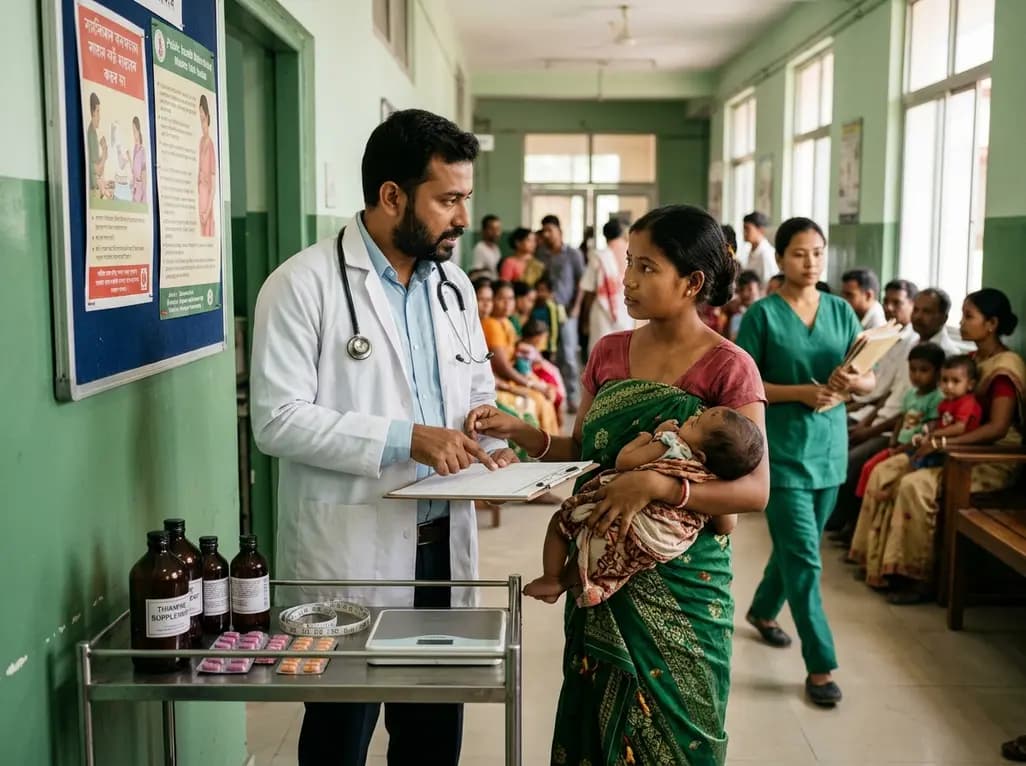
A recent investigation by the ICMR-National Institute of Nutrition highlights widespread vitamin B1 insufficiency across vulnerable maternal populations. Unbalanced rice-heavy diets and specific culinary habits drive this hidden deficiency, demanding targeted screening and renewed micronutrient supplementation.
Today
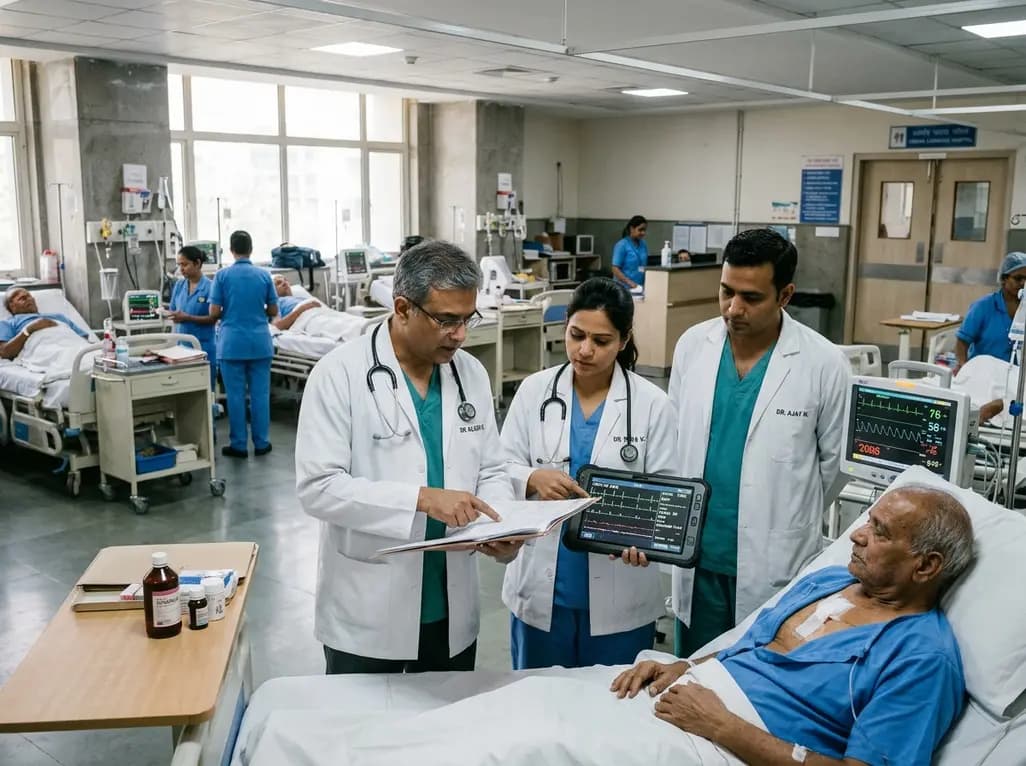
Postoperative atrial fibrillation occurs in over 40% of cardiac surgery patients but often resolves before discharge. However, a recent study reveals 89% of treated patients remain on oral anticoagulants at one year despite minimal recurrence, underscoring the urgent need for structured de-escalation protocols.
Today
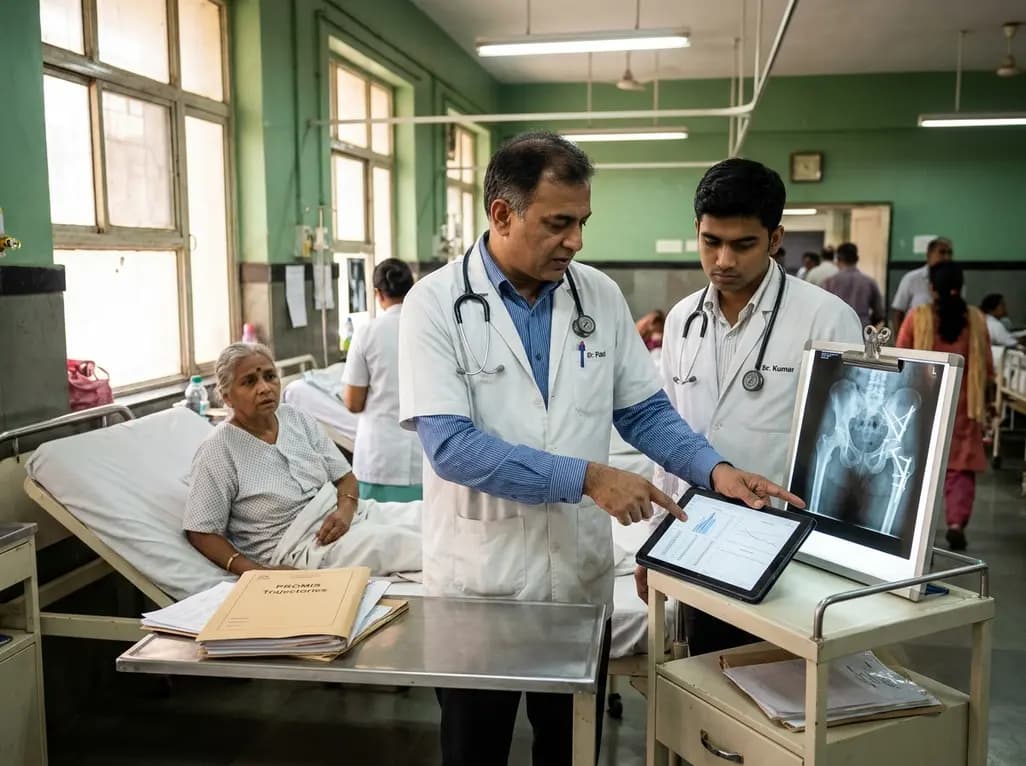
A longitudinal cohort study highlights how baseline anxiety impairs long-term pelvic fracture recovery. Tracking PROMIS scores across physical and psychological domains reveals critical windows for early psychosocial intervention.
Today
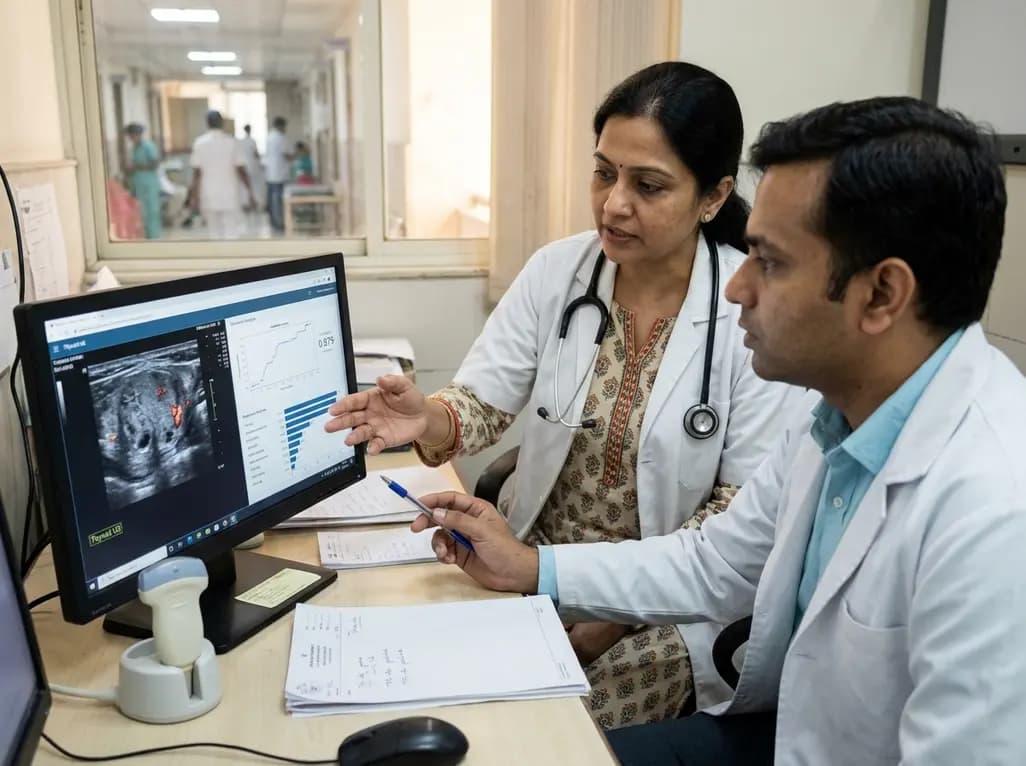
A multi-modal machine learning model integrating ultrasound radiomics, tumor morphology, TPO-Ab, and BRAF V600E accurately predicts lymph node metastasis in papillary thyroid carcinoma with concurrent Hashimoto's thyroiditis, achieving 0.879 accuracy.
Today
