.webp&w=384&q=75)

Loading, please wait...
Loading, please wait...

The landscape of heart care is shifting significantly. Consequently, the adoption of **TAVI in India** has reached a new milestone. This procedure addresses aortic stenosis without requiring major chest surgery. Therefore, patients with high surgical risk now have a safer alternative. Specifically, interventional cardiologists use a catheter to deliver the new valve. Furthermore, this method reduces physical stress on the heart muscle. However, many patients still ignore early signs like fatigue. Moreover, timely intervention remains the cornerstone of recovery.
In contrast, traditional surgery often requires longer hospital stays and significant rehabilitation. Additionally, structural heart programs are expanding rapidly across various metropolitan cities. Consequently, more than 150 centers now offer this specialized care to those in need. Ultimately, this innovation enhances the quality of life for the elderly. Furthermore, advancements in valve design have improved procedural precision. As a result, the clinical success rates for heart valve replacements continue to rise.
Patients often experience improvements in breathing and energy levels within a short time. Specifically, the ability to resume daily activities sooner plays a vital role in recovery. Therefore, the physical and emotional well-being of the patient improves. Moreover, India is witnessing a focus on indigenous innovation to increase affordability. Indeed, timely medical attention ensures better management of heart conditions.
Q1: Who is an ideal candidate for TAVI in India?
Ideal candidates include elderly individuals or high-risk patients with severe symptomatic aortic stenosis. Furthermore, those seeking a less invasive alternative to open-heart surgery are often suitable for this procedure.
Q2: What is the typical recovery time after TAVI?
Recovery is generally rapid, with most patients returning to normal activities within a week. Consequently, hospital stays are much shorter than those required for traditional surgery.
Disclaimer: This content is for informational and educational purposes only. It does not constitute medical advice or replace professional judgment. Refer to the latest local and national guidelines for clinical practice.
References

Read summarized clinical updates, watch expert medical content, and earn CME certifications right from your smartphone.
Open your smartphone camera to scan and install.





TAVI in India is revolutionizing heart valve care, providing a minimally invasive alternative to open-heart surgery for patients with severe aortic stenosis...
6 months ago

A retrospective cohort study of 7,716 ICU patients from the MIMIC-IV database demonstrates that Gradient Boosting Decision Trees significantly outperform traditional SOFA scores in predicting in-hospital mortality among patients with sepsis and diabetes, with SHAP analysis providing clinical interpretability.
Today
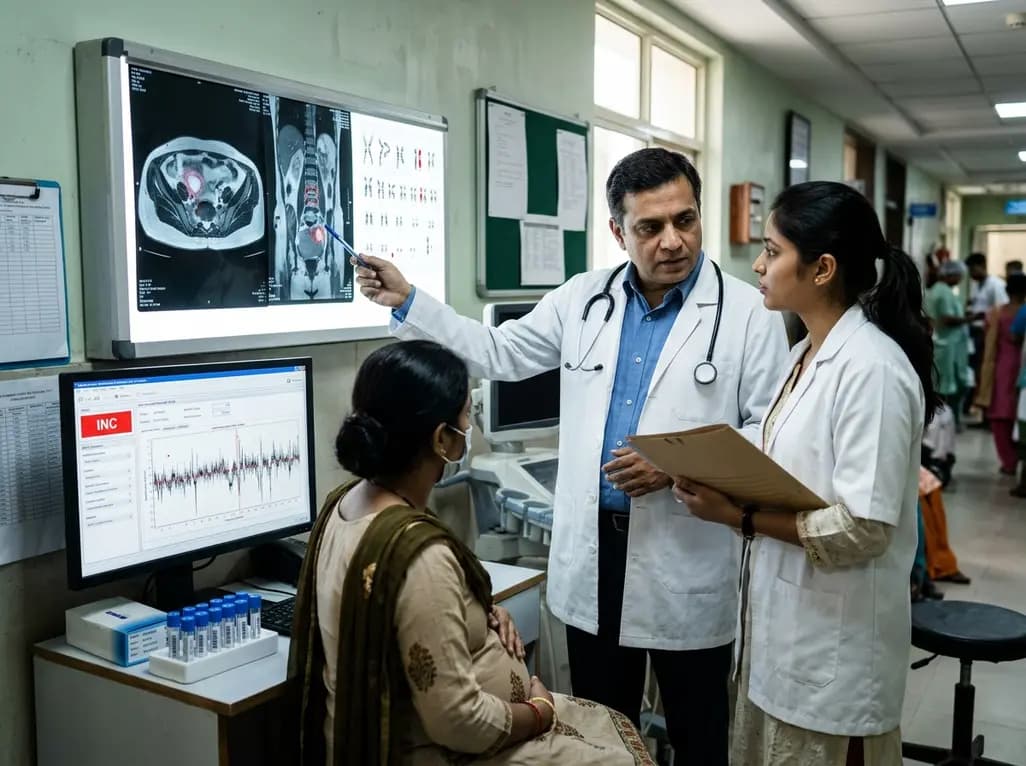
Occult maternal malignancy accounts for 3.82% of persistent unreportable NIPT results with genomic noise. Multiple chromosomal aberrations, notably on chromosome 18, warrant thorough oncological evaluation and whole-body MRI to ensure timely maternal diagnosis while preserving fetal care.
Today
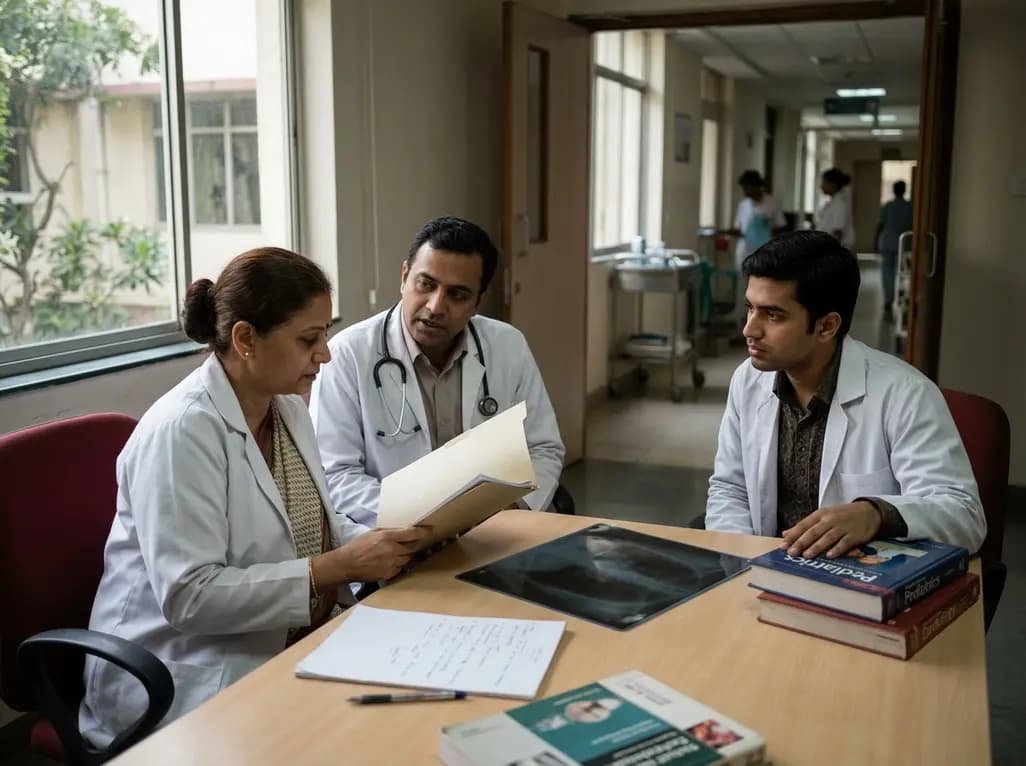
This article reviews the forensic and clinical complexities of acute myocarditis arising on left ventricular hypertrophy in children, highlighting early diagnostic red flags and multidisciplinary postmortem autopsy protocols.
Today

This comparative study evaluates posterior labral tears with and without glenohumeral instability, highlighting distinct demographic patterns, MRI underestimation in stable shoulders, and successful arthroscopic repair outcomes.
Yesterday

A clinical study demonstrates that early intervention with tocilizumab, either as monotherapy or bridged with corticosteroids, achieves significant proptosis reduction and resolves active inflammation in treatment-naive thyroid eye disease.
Yesterday
