.webp&w=384&q=75)

Loading, please wait...
Loading, please wait...
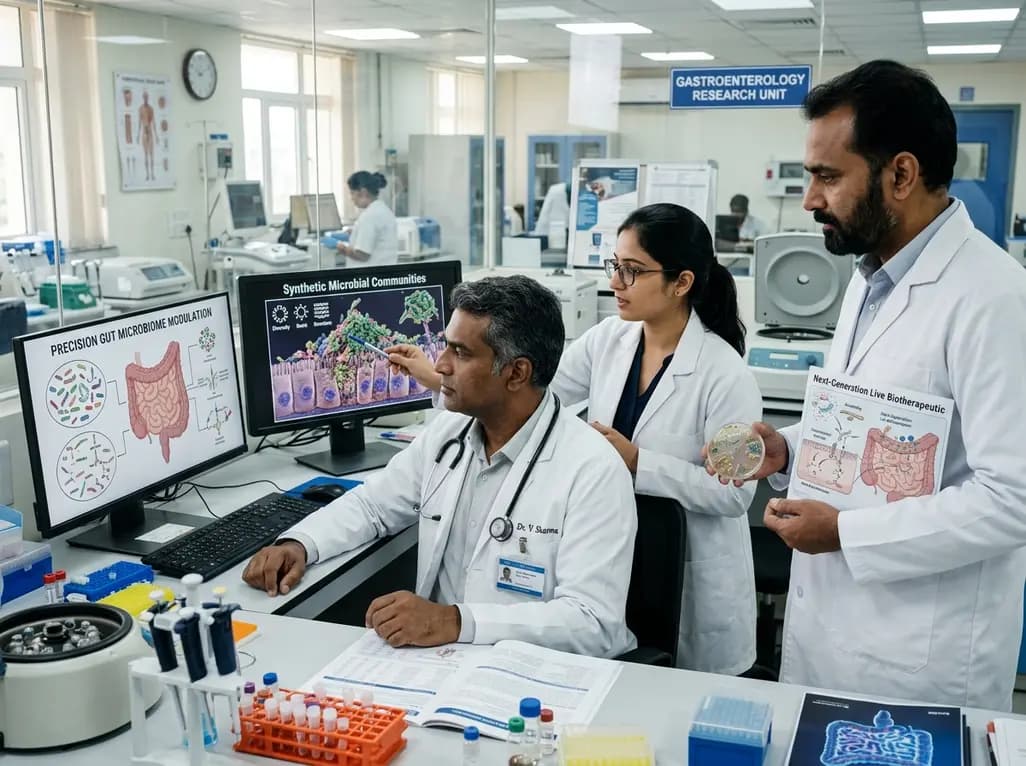
The human gastrointestinal tract harbors a complex microbial ecosystem that orchestrates metabolic balance, immune homeostasis, and barrier integrity. Consequently, perturbations in this microenvironment, termed gut microbiome dysbiosis, directly contribute to severe inflammatory, metabolic, and infectious pathologies. While fecal microbiota transplantation has demonstrated remarkable clinical efficacy, its widespread adoption faces significant challenges. Uncharacterized biological donor variability, transmission risks of unrecognized pathogens, and lack of standardisation complicate clinical deployment. In response to these limitations, synthetic microbial communities have emerged as rationally designed, compositionally defined live biotherapeutic products. Unlike crude donor-derived preparations, these synthetic consortia consist of well-characterized, cultivable bacterial strains combined in precise ratios. Therefore, clinicians can administer targeted ecological networks capable of executing specific metabolic and immunological functions. By replacing undefined biological matter with strictly curated microbial assemblies, synthetic consortia offer an unprecedented level of pharmacological control. Furthermore, this paradigm shift allows researchers to establish predictable dose-response relationships and reproducible pharmacodynamics. As precision medicine advances across gastroenterology and oncology, these defined biotherapeutics represent a modern therapeutic avenue. They combine the ecological resilience of entire microbial ecosystems with the safety, reproducibility, and rigorous quality control required of conventional pharmaceuticals.
Developing effective microbial consortia requires sophisticated engineering strategies that balance ecological stability with therapeutic efficacy. Currently, researchers employ two primary methodologies: top-down and bottom-up construction. The top-down strategy begins with complex natural microbiota derived from healthy donors, systematically simplifying the consortium through selective culturing, antibiotic fractionation, or dilution techniques. Consequently, this method retains essential cooperative networks and co-evolved metabolic mutualisms while eliminating redundant or potentially harmful taxa. However, achieving absolute compositional definition remains challenging when dealing with fastidious species. Conversely, the bottom-up approach builds communities de novo by selecting individual, fully sequenced, and functionally characterized bacterial isolates. Investigators utilize advanced computational modeling, metabolic flux analysis, and synthetic biology to predict inter-species synergy and stable coexistence. Although this rational design provides complete control over every constituent strain, assembling multi-species networks that successfully engraft in vivo demands rigorous screening. Researchers must ensure that chosen strains do not compete destructively for overlapping metabolic niches or produce inhibitory bacteriocins against fellow consortium members. Ultimately, integrating both approaches enables the creation of robust, stable microbial therapeutics that effectively overcome the variable dynamics of the human gastrointestinal ecosystem.
Defined live biotherapeutics achieve clinical benefit through multifaceted, synergistic modes of action that restore intestinal equilibrium. Primarily, synthetic consortia execute direct targeted antagonism against enteric pathogens through resource competition, production of antimicrobial peptides, and niche exclusion. For instance, specific commensal strains metabolize primary bile acids into secondary bile acids, such as deoxycholic acid and lithocholic acid, which actively inhibit pathogen spore germination. Additionally, the production of short-chain fatty acids, notably butyrate, propionate, and acetate, significantly lowers luminal pH, creating a hostile environment for invasive microbes. Beyond direct pathogen exclusion, these microbial consortia actively orchestrate host immune networks. Short-chain fatty acids bind to G-protein coupled receptors on colonic epithelial cells and immune subsets, promoting the differentiation of anti-inflammatory regulatory T cells. Concurrently, these microbial metabolites upregulate the expression of tight junction proteins, including claudin and occludin, thereby sealing mucosal breaches and preventing systemic endotoxin translocation. Consortia also modulate dendritic cell maturation and suppress pro-inflammatory cytokines like tumor necrosis factor-alpha and interleukin-6. Through these integrated biochemical pathways, synthetic communities suppress inflammation while simultaneously reconstructing a resilient mucosal defense barrier.
The clinical development of defined biotherapeutic consortia spans multiple high-burden gastrointestinal and systemic disorders. In recurrent Clostridioides difficile infection, synthetic consortia serve as a standardized alternative to conventional donor stool transplants. By restoring critical bile acid-transforming and nutrient-competing bacteria, these defined formulations reliably prevent recurrent spore outgrowth and break the cycle of antibiotic-induced dysbiosis. Similarly, in inflammatory bowel disease, including ulcerative colitis and Crohn's disease, rational consortia aim to reverse chronic mucosal inflammation. Patients suffering from active disease characteristically exhibit a severe depletion of butyrate-producing Firmicutes and an overgrowth of pro-inflammatory Proteobacteria. Administering multi-strain consortia enriched with anti-inflammatory commensals restores immune tolerance, supports mucosal healing, and prolongs clinical remission without systemic immunosuppression. Furthermore, synthetic consortia show tremendous promise in colorectal cancer and immuno-oncology. Specific bacterial assemblages can modulate intratumoral immunity, enhance the presentation of tumor antigens, and overcome primary resistance to immune checkpoint inhibitors. By fine-tuning the metabolic microenvironment within the gut, these biotherapeutics enhance systemic anti-tumor responses. Consequently, precision microbiome modulation is rapidly becoming a vital adjunctive strategy across diverse oncological and gastroenterological treatment paradigms.
Despite compelling biological rationale, successful clinical translation of microbial consortia faces substantial physiological hurdles. Foremost among these challenges is host colonization resistance, where the recipient's indigenous microbiota and host defense mechanisms prevent administered strains from stably engrafting. Host factors, including gastric acidity, bile acid toxicity, digestive enzymes, and mucosal secretory immunoglobulin A, rapidly diminish microbial viability before strains reach the colon. To overcome these barriers, clinicians frequently employ targeted pre-conditioning antibiotic regimens to open transient ecological niches. Additionally, advanced pharmaceutical formulation strategies, such as enteric-coated capsules, microencapsulation, and bio-adhesive matrices, protect delicate anaerobes through upper gastrointestinal transit. Understanding the microbiokinetics of live biotherapeutics represents another critical challenge. Unlike small molecules that follow classic absorption, distribution, metabolism, and excretion pathways, living organisms dynamically replicate, metabolize host substrates, and evolve in vivo. Clinicians and researchers must precisely characterize strain clearance rates, shedding profiles, mucosal persistence, and potential horizontal gene transfer events. Establishing predictable microbiokinetic models will ensure optimal dosing intervals, accurate therapeutic monitoring, and consistent clinical efficacy across heterogeneous patient cohorts.
Scaling live biotherapeutic products from laboratory bench to commercial manufacturing requires overcoming steep chemistry, manufacturing, and control obstacles. Unlike monoculture probiotics, synthetic consortia involve co-culturing or individually fermenting multiple obligate anaerobic strains with divergent nutritional requirements and growth kinetics. Maintaining strain stability, preventing contamination, and guaranteeing consistent batch-to-batch viability through lyophilization demand highly specialized industrial infrastructure. Furthermore, regulatory agencies worldwide, including the United States Food and Drug Administration and the European Medicines Agency, are establishing comprehensive frameworks specifically tailored for multi-strain live biotherapeutics. These regulatory pathways require rigorous genomic characterization to verify the complete absence of transferable antimicrobial resistance genes, pathogenic virulence factors, and toxic metabolites. In India and other emerging healthcare hubs, establishing clear biosafety standards and regulatory guidelines will accelerate clinical adoption. Looking ahead, integrating genome-scale metabolic modeling, artificial intelligence, and CRISPR-based precision editing will enable the design of second-generation synthetic consortia with customized therapeutic capabilities. Ultimately, addressing manufacturing and regulatory complexities will bridge the translational gap, transforming synthetic consortia into standardized, first-line therapeutic agents for complex chronic diseases.
Synthetic microbial communities consist of precisely identified, individually isolated, and thoroughly characterized bacterial strains assembled in defined proportions under strict laboratory conditions. In contrast, traditional fecal microbiota transplantation utilizes undefined, raw stool material collected from human donors. Consequently, synthetic consortia eliminate the inherent biological variability, unpredictability, and infectious pathogen transmission risks associated with donor stool, providing standardized pharmacology, reproducible clinical dosing, and superior biosafety profiles.
Synthetic consortia suppress Clostridioides difficile through competitive exclusion, nutritional niche deprivation, and active metabolic inhibition. Specifically, defined commensal strains re-establish bile acid 7-alpha-dehydroxylation pathways, converting primary bile acids that stimulate spore germination into secondary bile acids that inhibit vegetative bacterial growth. Furthermore, these consortia produce short-chain fatty acids and antimicrobial bacteriocins while occupying mucosal binding sites, effectively preventing pathogen colonization and restoring intestinal barrier resilience.
Manufacturing live biotherapeutics presents significant technical challenges because it requires cultivating multiple obligate anaerobic strains with distinct nutritional and environmental needs. Ensuring uniform growth, preventing cross-contamination, and standardizing lyophilization processes without compromising cell viability demand specialized equipment. Additionally, manufacturers must demonstrate long-term product stability, maintain exact strain ratios across batches, and prove the absolute absence of transferable antimicrobial resistance genes through extensive genomic sequencing.
Disclaimer: This content is for informational and educational purposes only. It does not constitute medical advice, diagnosis, or treatment recommendations. Always consult a qualified healthcare provider for specific patient care decisions. Refer to the latest local and national guidelines for clinical practice.
References

Read summarized clinical updates, watch expert medical content, and earn CME certifications right from your smartphone.
Open your smartphone camera to scan and install.





Synthetic microbial communities (SynComs) offer a defined, safer alternative to fecal microbiota transplantation. This review highlights construction strategies, immunological mechanisms, and clinical translation in Clostridioides difficile infection, IBD, and colorectal cancer.
last month

A review examines how vagal neuroimmune circuits link the brain and immune system, sensing cytokine surges and dampening peripheral inflammation. Bioelectronic medicine harnesses these pathways to provide targeted, non-pharmacological therapies for chronic inflammatory and autoimmune diseases.
Today

Explore the crucial link between dietary protein and immunocompetence. This review examines how low-protein nutrition shifts metabolic resources away from pathogen defense toward early reproduction, compromising host survival and immunity against severe bacterial infections.
Today

A post hoc analysis of the PARM-T2D study shows pemafibrate exerts baseline-dependent effects on LDL-C and particle size in type 2 diabetes and hypertriglyceridemia. It lowers triglycerides and remnants while favorably remodeling atherogenic LDL particles based on initial lipid control status.
Today
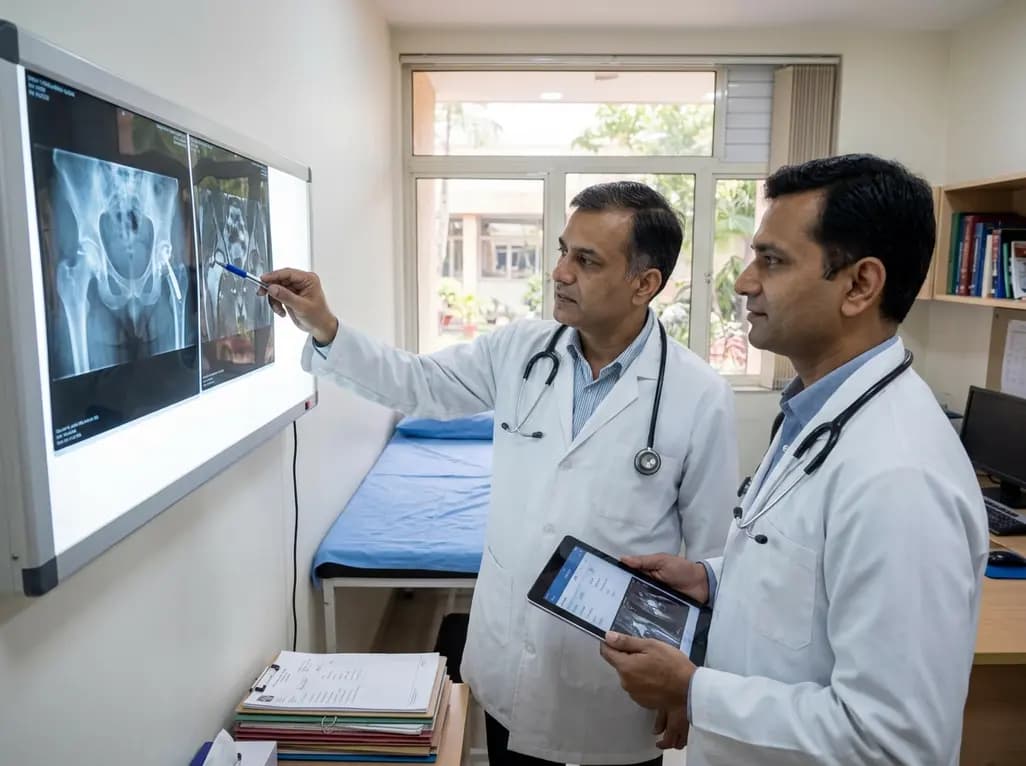
A longitudinal study reveals that patients undergoing staged bilateral hip arthroscopy experience progressive contralateral labral deterioration during surgical intervals. However, structural degradation does not compromise 2-year postoperative clinical outcomes or patient-reported satisfaction scores.
Today
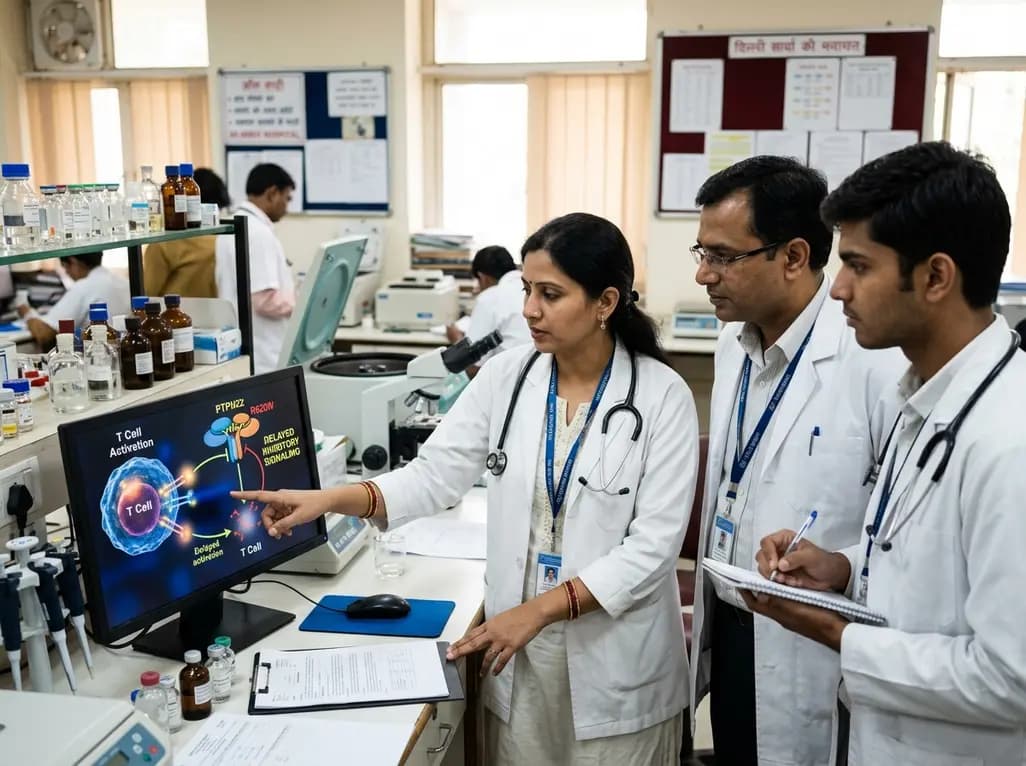
New immunological research reveals how PTPN22 forms a delayed inhibitory signaling complex to restrain T cell activation, explaining how the autoimmune-linked R620W variant disrupts feedback control and promotes persistent inflammation in conditions like rheumatoid arthritis and type 1 diabetes.
Today
