.webp&w=384&q=75)

Loading, please wait...
Loading, please wait...
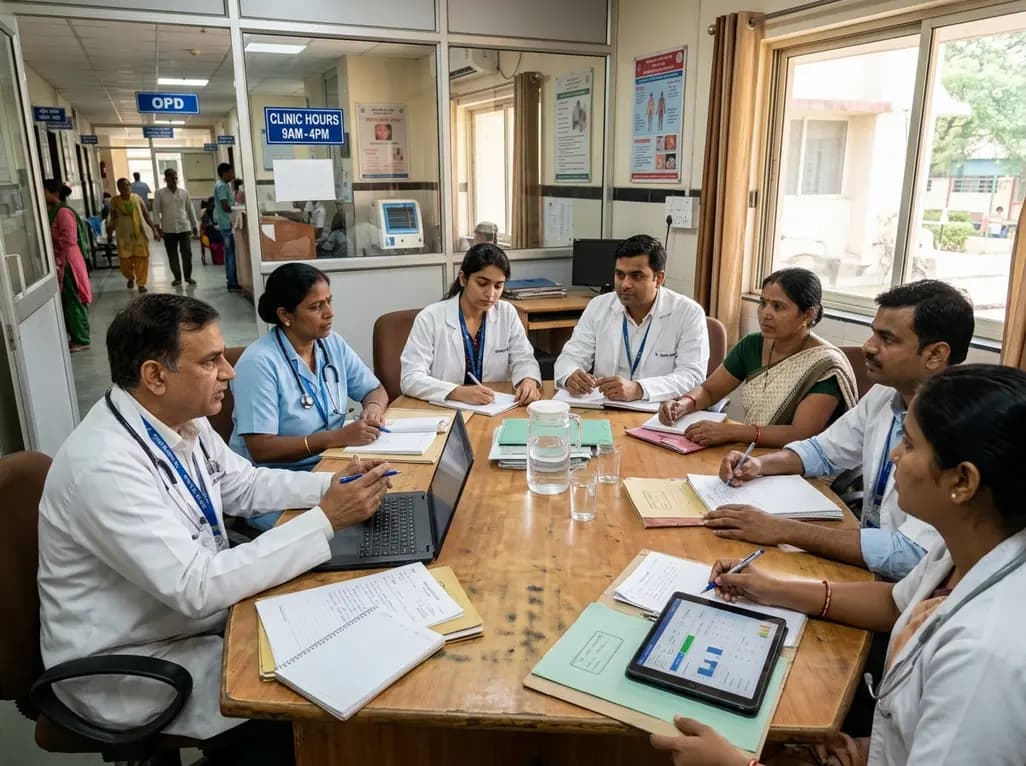
Primary healthcare systems increasingly rely on collaborative framework models to manage complex clinical cases effectively. In primary care, interprofessional team meetings serve as an essential mechanism for coordinating comprehensive patient care, especially for vulnerable elderly populations. Although clinicians recognize the benefits of collaborative discussions, maintaining these gatherings over extended periods presents significant challenges. Sustainable teamwork requires deliberate strategies that go beyond initial implementation efforts.
Primary healthcare delivery has shifted toward multidisciplinary approaches to address complex chronic conditions and geriatric healthcare needs. Consequently, general practitioners, nurses, allied health professionals, and specialists must communicate regularly to optimize outcomes. Interprofessional team meetings offer a structured platform where healthcare providers share clinical observations, establish personalized treatment plans, and align therapeutic goals. When teams collaborate efficiently, patient care becomes more holistic and seamless. Furthermore, joint case discussions prevent duplicated diagnostic testing, reduce medication errors, and streamline referrals. However, organizing continuous, routine discussions across disparate clinical disciplines is rarely straightforward. Healthcare professionals often encounter systemic operational friction that undermines meeting regularity. Initial enthusiasm frequently fades as routine clinical workload pressures mount. Thus, understanding the underlying factors that sustain or hinder collaborative case conferences is vital for primary care leaders. Fostering long-term engagement requires healthcare systems to prioritize structured communication as an integral component of daily practice rather than an optional administrative burden.
Despite clear theoretical advantages, practical obstacles frequently jeopardize the continuation of regular clinical case conferences. A primary challenge involves unclear professional networks, where team members lack full awareness of available local resources and roles. Additionally, conflicting individual schedules and severe time limitations consistently create scheduling friction for busy practitioners. When clinicians operate under heavy patient loads, attending routine administrative or collaborative gatherings often becomes secondary to urgent clinical tasks. Furthermore, the absence of shared clinical goals across disciplines can lead to unfocused discussions that feel unproductive. Without defined meeting objectives or clear work agreements, participants may perceive these gatherings as inefficient time investments. Moreover, high staff turnover and shifting team memberships disrupt established interpersonal connections, forcing teams to restart trust-building processes continuously. Consequently, without addressing these fundamental organizational friction points, interprofessional team meetings risk gradual dissolution. Identifying these obstacles early allows practice managers and lead physicians to implement targeted solutions that protect collaborative care time.
To counteract operational hurdles, specific organizational drivers facilitate the long-term viability of collaborative clinical conferences. Strong interpersonal team dynamics serve as a foundational element, fostering mutual respect and open communication among diverse healthcare professionals. When team members feel valued and heard, psychological safety increases, encouraging active participation across hierarchy levels. In addition, establishing clear structural frameworks with well-defined agendas keeps discussions focused and actionable. Structured meeting formats ensure that patient cases receive systematic review without exceeding allocated time limits. Furthermore, flexibility within meeting operations allows teams to adapt to sudden clinical emergencies or shifting patient volumes. Utilizing digital tools, shared electronic health record platforms, and hybrid meeting formats further enhances accessibility for off-site clinicians. When team members directly observe how joint discussions improve patient outcomes, their commitment to attending regular meetings strengthens. Ultimately, combining clear administrative guidelines with a supportive collaborative culture creates an environment where interprofessional meetings naturally thrive.
Recent qualitative research highlights five essential needs that determine the long-term success of interprofessional team meetings. First, teams require adaptive composition, allowing membership to evolve dynamically based on specific patient care requirements. Second, shared ownership must exist across all participating disciplines rather than relying on a single dominant leader. Third, establishing mutually agreed aims and formal work agreements ensures every participant understands expectations and meeting objectives. Fourth, organizations must maintain a balanced operational structure that pairs standardized administrative procedures with practical flexibility. Fifth, perceived meeting quality must remain high, ensuring clinicians feel that their time is spent productively. Addressing these five components transforms routine meetings into valuable, outcome-driven clinical consultations. Consequently, healthcare organizations must actively support these needs by providing dedicated time, administrative backing, and appropriate technology. Emphasizing these fundamental elements ensures that interprofessional team meetings remain resilient despite evolving primary care challenges.
Implementing sustainable team collaboration requires primary care practice managers to adopt proactive management strategies. Primary care clinics should formally integrate interprofessional case reviews into standard operating schedules rather than treating them as ad-hoc gatherings. Moreover, leadership should establish clear guidelines for case selection, focusing discussions on complex, high-risk, or elderly patients who benefit most from multidisciplinary coordination. Implementing standardized pre-meeting brief sheets allows team members to review patient details beforehand, maximizing meeting efficiency. In addition, rotating meeting facilitation duties among different healthcare disciplines promotes shared responsibility and prevents single-person burnout. Periodic satisfaction surveys and meeting evaluations help leadership identify emerging bottlenecks and refine procedures continuously. Clinicians who observe tangible improvements in patient care plans are far more likely to maintain consistent attendance. Therefore, embedding evaluation protocols guarantees that collaborative structures evolve alongside changing clinical demands.
Sustaining interprofessional collaboration in primary care demands a fundamental shift in institutional culture and organizational thinking. Historically, primary care structures prioritized isolated individual consultations over integrated multidisciplinary management models. However, modern healthcare complexity demands continuous cross-disciplinary dialogue to deliver patient-centered care effectively. Health systems and policymakers must recognize collaborative meeting time as essential clinical work rather than non-billable administrative downtime. Providing adequate reimbursement models or designated administrative hours for interprofessional collaboration will incentivize consistent participation. Furthermore, interprofessional education should begin during undergraduate clinical training, preparing future doctors, nurses, and allied professionals for collaborative practice environments. As primary care frameworks transition toward value-based models, sustainable team-based care will serve as a cornerstone for improving quality of care, reducing hospital readmissions, and enhancing overall patient satisfaction. Embracing this new way of thinking ensures that interprofessional collaboration remains viable for years to come.
The main barriers to sustaining interprofessional team meetings include unclear professional networks, conflicting individual schedules, and significant time constraints among clinicians. Additionally, a lack of shared clinical goals and ill-defined meeting agendas can make discussions feel unproductive. High staff turnover further complicates continuity by disrupting established professional relationships. Overcoming these operational hurdles requires clear organizational structures, shared accountability, and designated time specifically allocated for collaborative patient care discussions.
Primary care teams can enhance meeting efficiency by establishing clear agendas and setting shared goals prior to each session. Utilizing standardized pre-meeting summaries allows clinicians to review patient cases in advance. Furthermore, rotating facilitation duties among different healthcare professionals fosters shared ownership. Maintaining a flexible structure that accommodates urgent clinical needs, while leveraging digital communication tools or hybrid formats, also ensures consistent participation and high perceived meeting quality.
Shared ownership ensures that all team members, regardless of their professional discipline, feel equally responsible for meeting success and patient outcomes. When leadership is distributed rather than centered on a single clinician, participants feel valued and empowered to contribute their specialized expertise. This collaborative dynamic builds mutual trust, enhances team communication, prevents professional burnout, and sustains long-term engagement across general practitioners, nurses, and allied healthcare professionals.
Disclaimer: This content is for informational and educational purposes only, and does not constitute medical advice, diagnosis, or treatment. Always seek the advice of qualified healthcare providers with any questions regarding medical conditions or clinical protocols. Refer to the latest local and national guidelines for clinical practice.
References

Read summarized clinical updates, watch expert medical content, and earn CME certifications right from your smartphone.
Open your smartphone camera to scan and install.





Maintaining interprofessional team meetings in primary care requires addressing network clarity, shared goals, and time constraints. A recent focus group study highlights five key needs to foster long-term sustainability, team dynamics, and structured evaluation.
last month
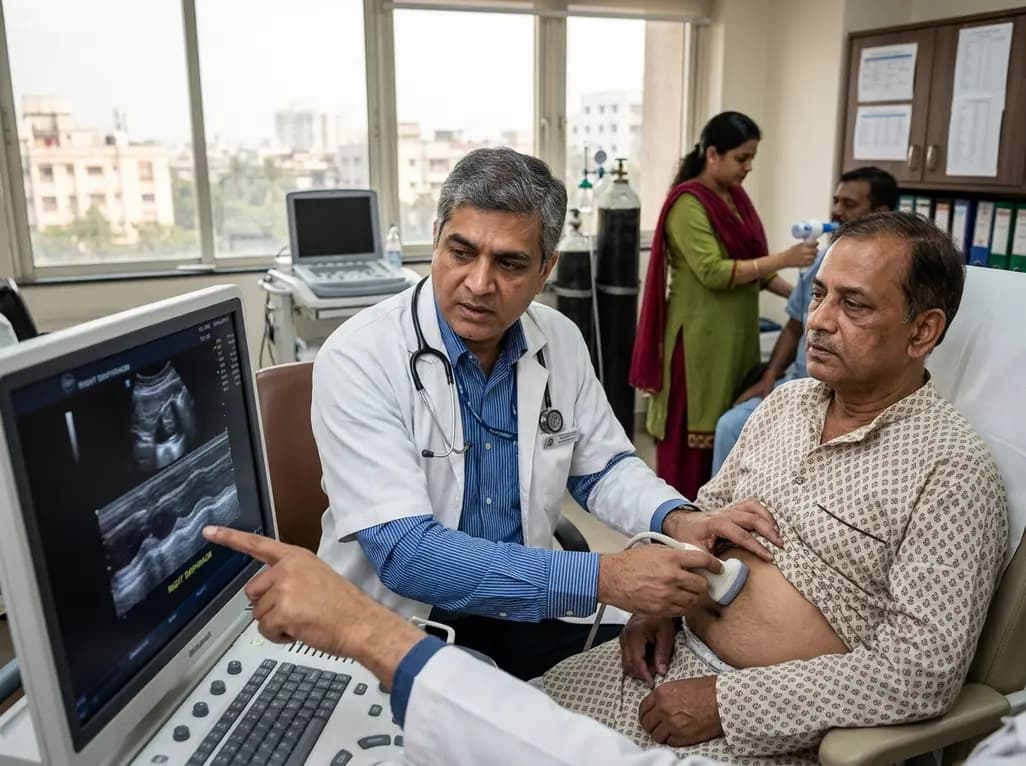
Diaphragmatic dysfunction affects over a third of chronic stroke patients, worsening sleep, mood, and functional mobility. Ultrasound assessment and inspiratory training improve outcomes.
Today
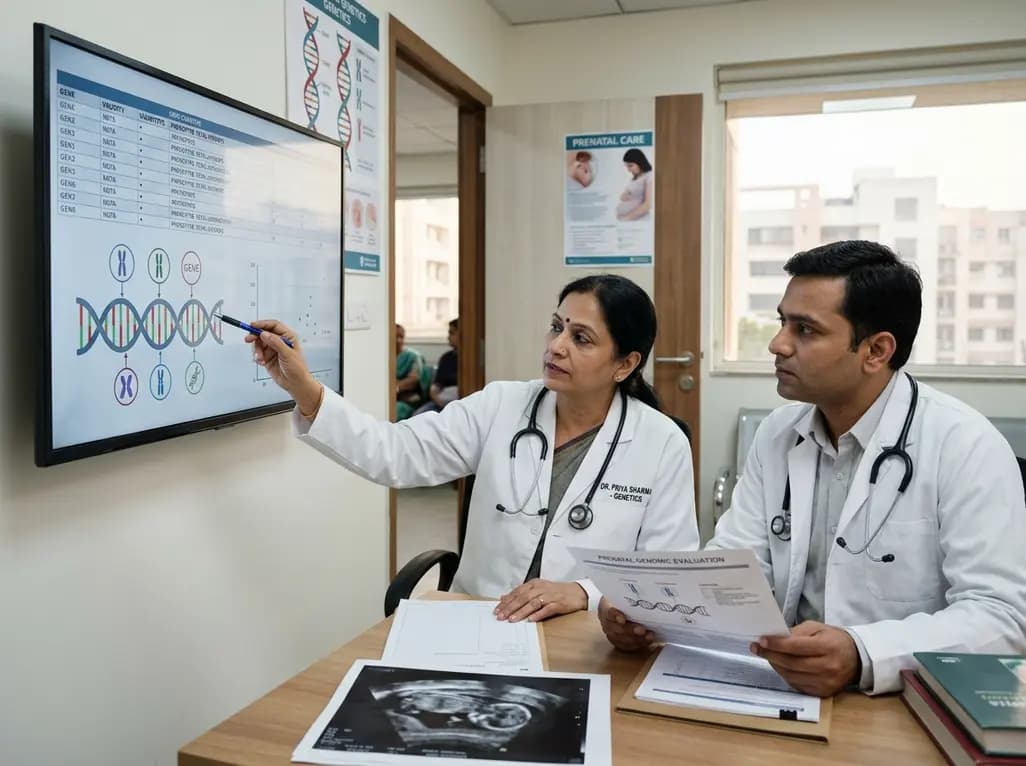
The ClinGen Prenatal Gene Curation Expert Panel evaluated 63 disease relationships across 61 genes, establishing clinical validity for severe fetal phenotypes like hydrops and stillbirth to enhance prenatal genomic interpretation and clinical care.
Yesterday

Managing refractory hypoxemia after cardiothoracic surgery becomes perilous when prolonged air leak limits positive-pressure ventilation. This case-based review details how high-flow nasal cannula, paired with awake rehabilitation, enabled successful extubation and avoided invasive re-intubation.
Today
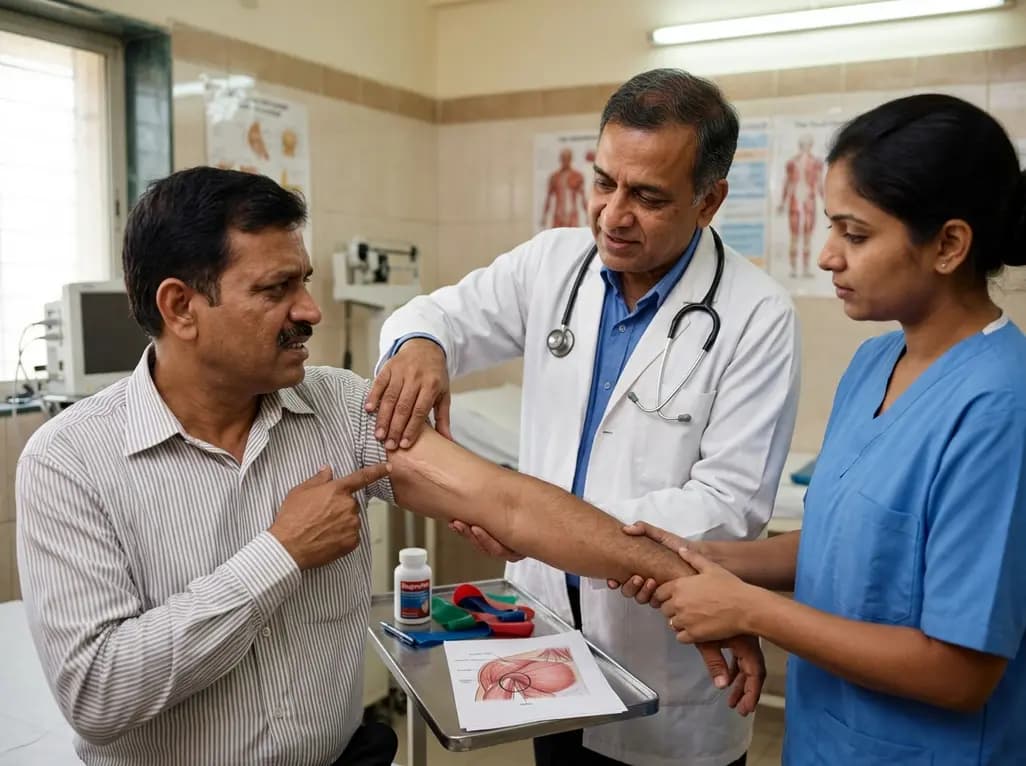
Idiopathic axillary web syndrome (IAWS) is a rare cause of shoulder pain and mobility restriction characterized by palpable axillary cording without prior surgery or trauma. Early diagnosis, nonsteroidal anti-inflammatory therapy, and physical rehabilitation lead to complete resolution of symptoms.
Today
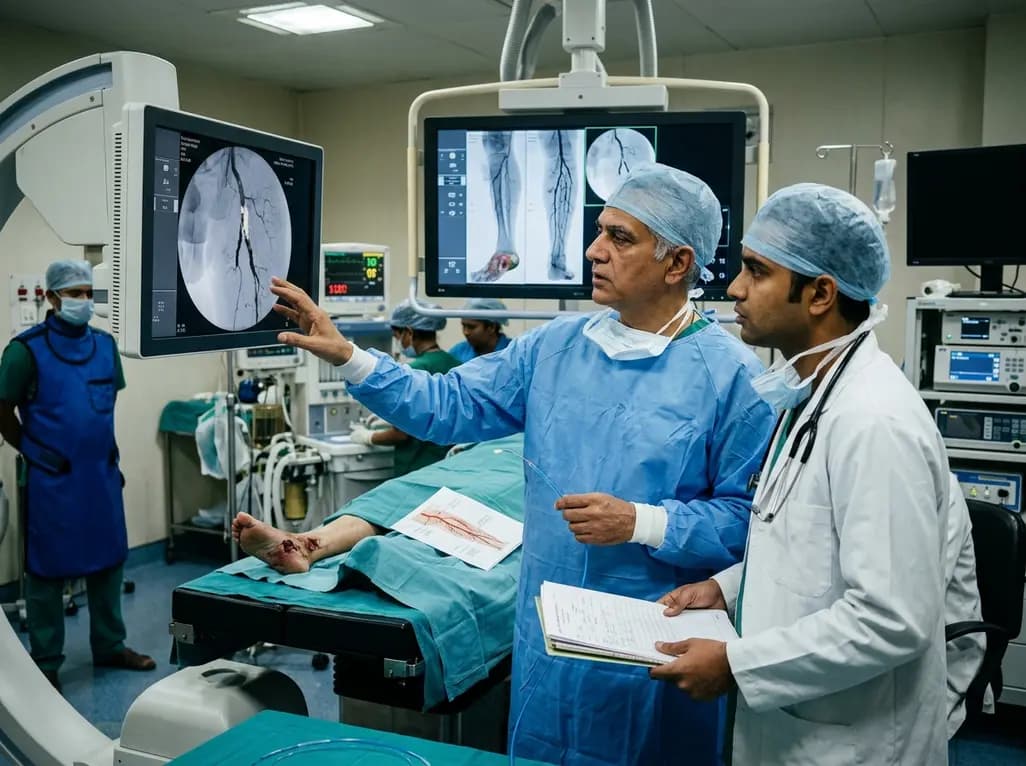
SWEDEPAD-1 trial insights show paclitaxel-coated devices do not improve long-term limb salvage in patients with chronic limb-threatening ischemia and tissue loss. While one-year reinterventions decreased, the devices were linked to a higher risk of major amputation at three months.
Today
