

Loading, please wait...
Loading, please wait...

The clinical management of unruptured cerebral arteriovenous malformations presents a continuous dilemma for neurosurgeons and neurologists worldwide. These complex vascular lesions consist of abnormal tangles of vessels where arteries connect directly to veins without an intervening capillary bed. Consequently, high blood flow exerts structural stress, creating an unpredictable risk of spontaneous intracranial hemorrhage. For decades, clinicians favored surgical excision to eliminate future rupture risks entirely. However, preventive intervention introduces immediate procedural hazards that can impair neurological function. Because unruptured lesions may remain clinically silent for decades, treatment decisions require meticulous risk-benefit assessments.
In routine neurovascular practice, multidisciplinary teams evaluate lesion angioarchitecture, patient age, and baseline functional status before recommending intervention. Furthermore, modern advances in neuroimaging allow earlier incidental detection of asymptomatic lesions. Consequently, clinicians must distinguish between lesions that carry severe lifetime bleeding risks and those best suited for conservative observation. Recent nationwide registry data show that surgical outcomes have shifted noticeably over the past decade. Therefore, contemporary neurovascular teams increasingly tailor their approaches to balance long-term hemorrhagic prevention against immediate surgical morbidity. Ultimately, understanding these clinical nuances helps neurosurgeons deliver optimal patient counseling and evidence-based therapeutic recommendations.
In 2014, the landmark ARUBA trial transformed the treatment landscape for non-ruptured vascular malformations. Specifically, the trial reported that medical management alone achieved superior short-term functional outcomes compared to interventional eradication strategies. The investigators found higher rates of stroke and neurological disability in patients allocated to interventional treatment arms. Consequently, these published results triggered intense global debate across neurosurgical and neurointerventional communities. Many vascular specialists criticized the trial for grouping diverse interventional techniques, including embolization, radiosurgery, and microsurgery, without standardizing operator volume or case complexity.
Nevertheless, the ARUBA findings prompted a profound cultural re-evaluation in neurovascular centers. Previously, clinicians often pursued total obliteration for low-grade and incidental vascular malformations as a default preventive measure. In contrast, the post-trial era witnessed a marked shift toward greater conservatism. Surgeons became far more discerning when offering elective microsurgery to asymptomatic individuals. In addition, institutions began re-evaluating surgical thresholds, prioritizing non-operative monitoring for lesions in deep or highly eloquent brain regions. Thus, while the trial generated significant controversy, it catalyzed indispensable refinements in clinical patient selection criteria across academic and community hospitals.
To evaluate whether post-2014 clinical changes influenced patient outcomes, Japanese researchers examined a robust nationwide administrative claims database. Specifically, the investigators analyzed 556 surgical resections of unruptured cerebral arteriovenous malformations performed between 2011 and 2019. The team assessed yearly trends in functional deterioration, which they defined as deterioration to a postoperative modified Rankin Scale score of 2 or higher at hospital discharge. Overall, 70 out of 556 patients, representing 12.6 percent of the surgical cohort, experienced significant functional decline.
Crucially, the study revealed a clear statistical division across the study timeline. Between 2011 and 2014, the functional deterioration rate was 16.2 percent, representing 42 out of 259 patients. However, from 2015 to 2019, this complication rate fell dramatically to 9.4 percent, representing 28 out of 297 patients. Furthermore, multivariable mixed-effects logistic regression confirmed a statistically significant reduction in risk, yielding an adjusted odds ratio of 0.51 with a 95 percent confidence interval of 0.28 to 0.93. Interrupted time-series analyses confirmed that a notable level change occurred precisely after 2015. Consequently, these real-world data substantiate that contemporary surgical patients experience significantly lower rates of postoperative functional morbidity than those treated in earlier periods.
Several interconnected clinical mechanisms explain the observed decline in postoperative functional deterioration after 2015. Most prominently, the ARUBA trial prompted more conservative patient selection across neurosurgical departments. Surgeons increasingly restricted microsurgical resection to low-grade lesions located in non-eloquent cortical territories, avoiding hazardous deep-seated malformations. Consequently, fewer high-risk patients underwent aggressive open surgery during the post-2015 interval. While the Japanese database lacked specific angioarchitectural variables like the Spetzler-Martin grade, historical patterns strongly align with this selective practice shift.
In parallel, technological advancements transformed intraoperative surgical care during this timeframe. Modern operating theaters increasingly integrated high-definition intraoperative indocyanine green videoangiography, sophisticated neuro-navigation, and continuous multimodal neurophysiological monitoring. Therefore, surgical teams could identify critical feeding vessels and eloquent functional pathways with unprecedented precision. Additionally, improvements in neuroanesthesia and postoperative intensive care protocols substantially minimized secondary ischemic injury and brain swelling. Furthermore, endovascular techniques matured, allowing more targeted preoperative embolization to occlude deep arterial feeders safely without compromising surrounding tissue. Together, these strategic selections and procedural refinements substantially elevated safety profiles during complex microsurgical dissections.
Modern neurovascular management relies heavily on stratified, multimodal treatment paradigms rather than universal surgical intervention. Clinical specialists widely utilize the Spetzler-Martin grading system, alongside supplementary grading scales, to predict operative morbidity. For low-grade lesions, such as Spetzler-Martin grade I and II, microsurgical resection maintains excellent safety records and offers an immediate, permanent cure. Conversely, high-grade lesions carry prohibitive operative risks that generally exceed the natural history risk of hemorrhage. Therefore, clinicians reserve active intervention in high-grade cases for select presentations with recurrent symptoms or malignant angioarchitecture.
Furthermore, stereotactic radiosurgery and endovascular embolization serve vital complementary roles within modern multidisciplinary algorithms. Radiosurgery provides an effective alternative for small, deep lesions located within eloquent brain areas, though it requires several years to achieve complete obliteration. Meanwhile, neurointerventionalists deploy endovascular embolization primarily as a preoperative adjunct to reduce intraoperative blood loss. In addition, medical management focusing on stringent blood pressure control and seizure prophylaxis remains the foundation of conservative care. Consequently, close collaboration between neurosurgeons, interventional neuroradiologists, and stroke neurologists ensures that each patient receives a customized management plan suited to their specific anatomic risk profile.
The real-world Japanese registry data offer reassuring evidence that neurovascular surgery has grown progressively safer over time. However, clinicians must interpret these population-level improvements through a personalized clinical lens. The decrease in functional morbidity highlights the tremendous benefits of rigorous case selection rather than an endorsement of indiscriminate surgical enthusiasm. Therefore, when evaluating unruptured lesions, clinicians should engage patients and families in thorough shared decision-making discussions. These discussions must transparently weigh the cumulative lifetime risk of hemorrhage against immediate periprocedural neurological risks.
Looking ahead, integrating advanced computational fluid dynamics and genomic profiling may further improve risk stratification for unruptured lesions. Such innovations could help neurosurgeons identify unstable lesions destined to rupture, distinguishing them from benign malformations that can safely undergo watchful waiting. In addition, centralized care in high-volume comprehensive stroke centers remains crucial for achieving superior surgical outcomes. As neurosurgical techniques, intraoperative guidance, and post-operative critical care continue to advance, patient outcomes will likely improve even further. Ultimately, maintaining a conservative, evidence-based approach ensures that interventional risks never eclipse the natural history benefits of surgical therapy.
The ARUBA trial demonstrated that medical management alone resulted in significantly lower rates of death and symptomatic stroke compared to interventional therapies over short-term follow-up. Consequently, the findings prompted clinicians to reconsider routine interventional obliteration and adopt more conservative, highly selective criteria when evaluating patients for elective microsurgery.
The decline in functional deterioration after 2015 largely reflects stricter patient selection following the ARUBA trial results. Neurosurgeons increasingly restricted elective surgical resection to low-grade, accessible lesions in non-eloquent territories. Additionally, continuous advances in intraoperative neurophysiological monitoring, advanced neuro-navigation, and specialized neuroanesthesia substantially lowered perioperative neurological complications.
Clinicians evaluate several clinical and anatomic factors, including patient age, life expectancy, lesion size, deep venous drainage, and brain eloquence using the Spetzler-Martin grading scale. Low-grade lesions often undergo safe microsurgical resection, whereas high-grade or deep-seated malformations are typically managed conservatively with medical therapy or targeted stereotactic radiosurgery.
Disclaimer: This content is for informational and educational purposes only and should not be considered as medical advice. Always consult a healthcare professional before making clinical decisions. Refer to the latest local and national guidelines for clinical practice.
References

Read summarized clinical updates, watch expert medical content, and earn CME certifications right from your smartphone.
Open your smartphone camera to scan and install.





Real-world data from Japan reveal a significant decline in postoperative functional deterioration following surgical resection of unruptured cerebral arteriovenous malformations after 2015, highlighting refined patient selection and surgical advancements post-ARUBA.
Today

A real-world cross-sectional study in Thailand reveals that a web-based bone health self-assessment tool effectively captured clinical risk profiles, prompting DXA recommendations in 37% of users—over half of whom were below standard screening ages due to non-age clinical vulnerabilities.
Today

Researchers have engineered a sensitive electrochemiluminescent sandwich immunosensor utilizing silver nanoparticles and quantum dots to quantify placental growth factor, paving the way for rapid, accurate, and accessible early preeclampsia screening in clinical practice.
Today
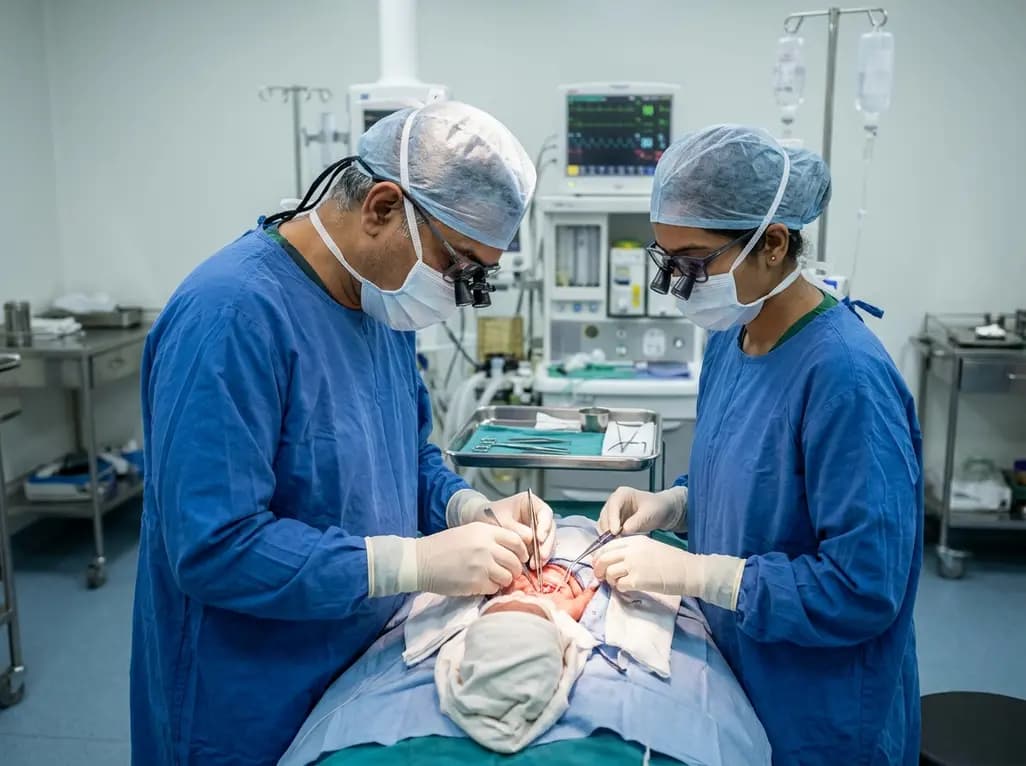
This report reviews the successful off-pump surgical retrieval of a migrated patent ductus arteriosus closure device in an 8-week-old preterm infant, preventing cardiopulmonary bypass morbidity while relieving aortic obstruction.
Today
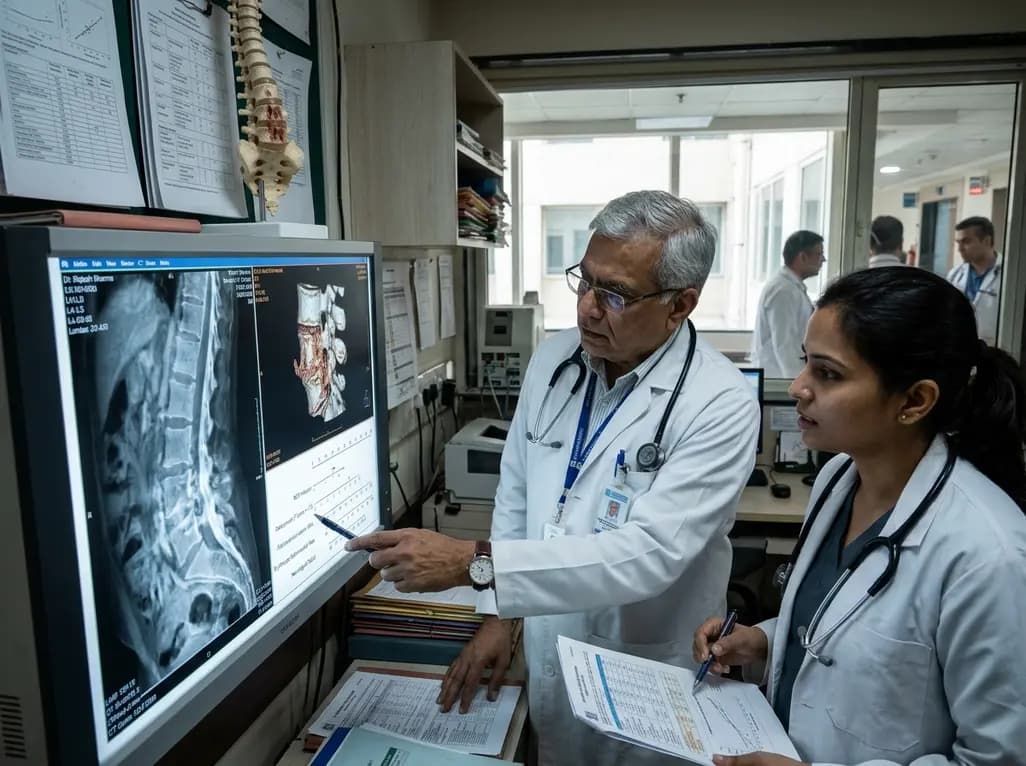
A new visual nomogram predicts postinfectious bone loss in spinal infection patients with high accuracy (AUC 0.946). Integrating markers like osteoporosis and MDR infection, the model aids early risk stratification to prevent spinal instability and deformity.
Today

As lifestyle diseases surge across India, clinicians face rising challenges from dietary misinformation and unmonitored therapies. Prioritising structured nutrition therapy, evidence-based self-care, and robust regulatory oversight offers a sustainable pathway to counter metabolic dysfunction and enhance patient health.
Today
