.webp&w=384&q=75)

Loading, please wait...
Loading, please wait...

Understanding surgical oncology communication preferences is essential for clinicians aiming to improve patient satisfaction and adherence to treatment. A recent scoping review by Dr. Shruti Koti and colleagues examined 15 primary sources to identify what cancer patients truly value when speaking with their surgeons. These findings emphasize that communication is a core clinical skill, much like surgical technique itself. By addressing these specific preferences, surgeons can foster trust and manage the complex emotional landscape of a cancer diagnosis.
The review highlights six critical domains of communication. Primarily, patients seek emotional support, optimism, and an empathetic surgeon demeanor. While facts are necessary, patients often remember the doctor's warmth and investment in their well-being. Additionally, setting clear expectations regarding long-term effects and quality of life helps patients navigate their care journey. Consequently, surgeons must balance clinical honesty with a hopeful outlook to maintain patient morale.
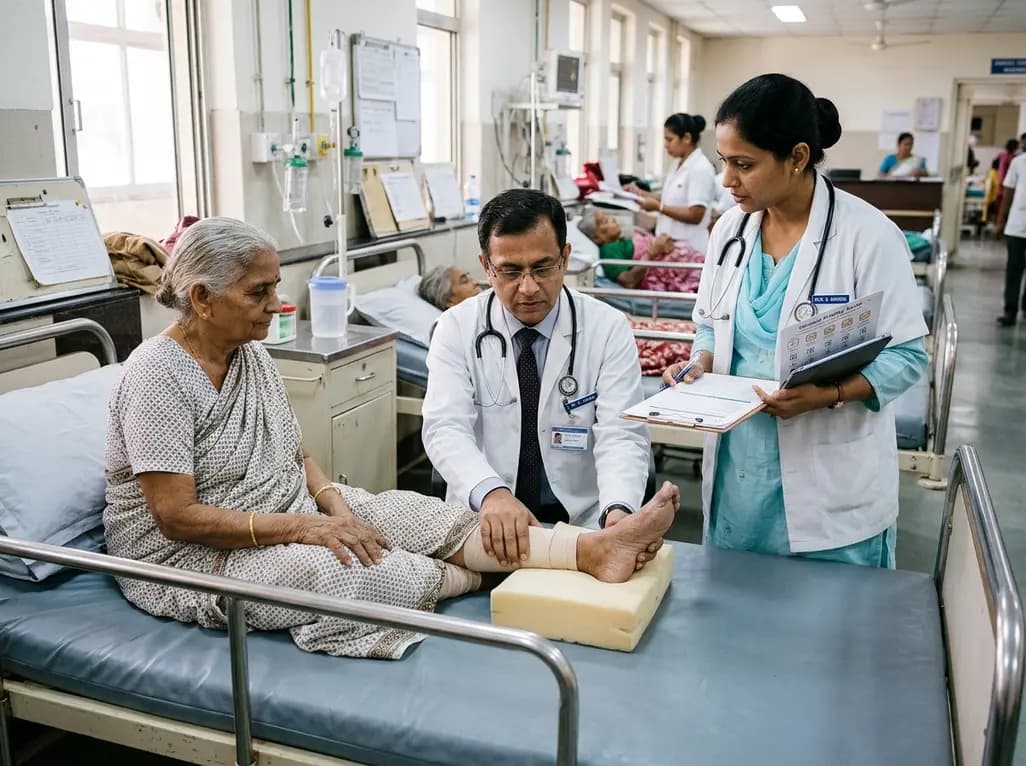
Shared decision-making and the use of communication aids are also highly prioritized. Many patients want to be active partners in choosing their treatment path. Furthermore, physical cues like sitting down during a consultation and using visual aids, such as pamphlets or diagrams, significantly enhance information retention. Moreover, patients pay attention to professional appearances and the office environment, which contribute to their overall sense of comfort. Therefore, optimizing these interactions can lead to better oncologic outcomes and reduced patient anxiety.
Patients most value surgeons who offer emotional support, maintain an optimistic yet realistic outlook, and demonstrate a compassionate demeanor during consultations.
Communication aids like diagrams and pamphlets improve a patient's understanding of complex diagnoses and treatment risks. This clarity fosters better shared decision-making and treatment adherence.
Disclaimer: This content is for informational and educational purposes only. It does not constitute medical advice or a professional recommendation. The information provided should not be used for diagnosing or treating a health problem or disease. Patients should always seek the advice of their physician or other qualified health providers regarding any medical condition. Never disregard professional medical advice or delay in seeking it because of something you have read here. Refer to the latest local and national guidelines for clinical practice.
References
Koti S et al. Understanding the Patient Perspective: A Scoping Review of Communication Preferences in Surgical Oncology. J Surg Oncol. 2026 Feb 26. doi: 10.1002/jso.70203. PMID: 41749409.
Gilligan C et al. Patient-centered communication in oncology: a systematic review. Patient Educ Couns. 2023;116:107954. doi: 10.1016/j.pec.2023.107954.
Zhang GQ et al. Surgical Shared Decision-Making and Patient-Reported Outcomes. JAMA Surg. 2025;160(8):922-924. doi: 10.1001/jamasurg.2025.2059.

Read summarized clinical updates, watch expert medical content, and earn CME certifications right from your smartphone.
Open your smartphone camera to scan and install.





A review of 15 sources reveals what cancer patients value in surgical communication, highlighting emotional support and shared decision-making....
7 months ago
A retrospective cohort study reveals that frailty quadruples the odds of pressure injuries in hospitalized older adults. Integrating the Clinical Frailty Scale with comprehensive geriatric care is crucial for identifying vulnerability early and implementing targeted multidisciplinary prevention.
Today

Occult maternal malignancy accounts for 3.82% of persistent unreportable NIPT results with genomic noise. Multiple chromosomal aberrations, notably on chromosome 18, warrant thorough oncological evaluation and whole-body MRI to ensure timely maternal diagnosis while preserving fetal care.
Today

This article reviews the forensic and clinical complexities of acute myocarditis arising on left ventricular hypertrophy in children, highlighting early diagnostic red flags and multidisciplinary postmortem autopsy protocols.
Today

A randomized controlled trial demonstrates that an eight-week dual-task training intervention significantly improves static and dynamic postural control over standard balance exercises in individuals with chronic ankle instability, addressing critical neurocognitive deficits during athletic and daily activities.
Today

A retrospective cohort study of 7,716 ICU patients from the MIMIC-IV database demonstrates that Gradient Boosting Decision Trees significantly outperform traditional SOFA scores in predicting in-hospital mortality among patients with sepsis and diabetes, with SHAP analysis providing clinical interpretability.
Today
