

Loading, please wait...
Loading, please wait...
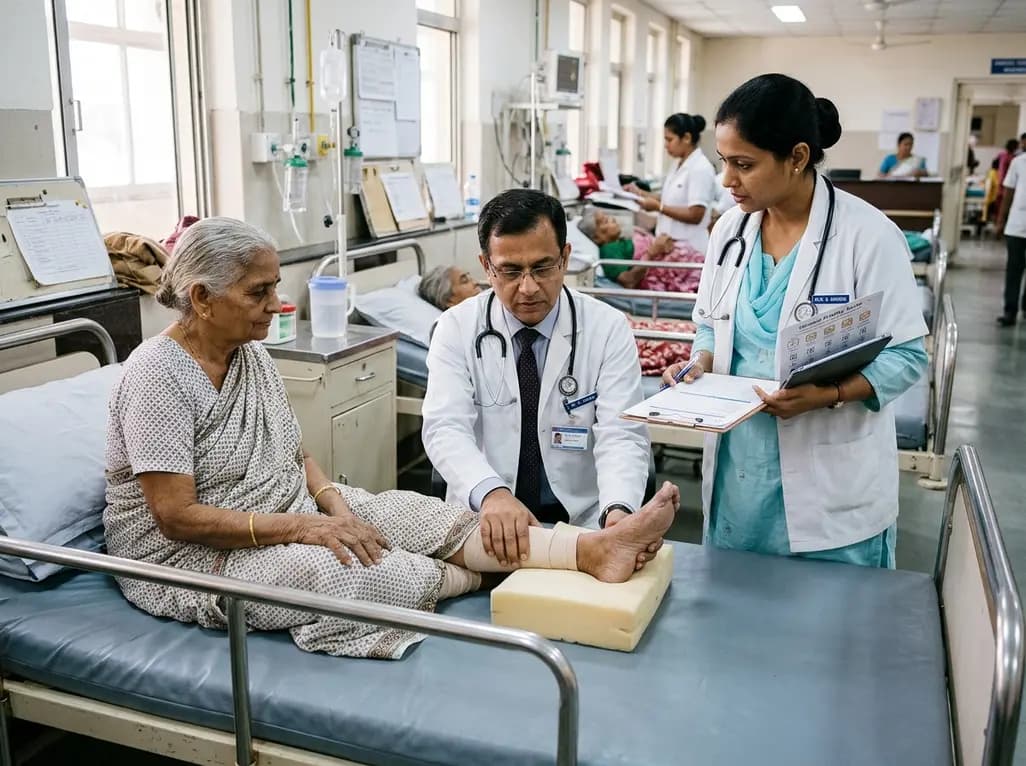
Hospitalized geriatric patients frequently encounter debilitating complications that prolong hospital stays and escalate treatment costs. Among these complications, the bidirectional interplay between frailty and pressure injuries represents an urgent clinical challenge for modern acute care wards. Recent clinical findings highlight that frailty significantly accelerates tissue breakdown under sustained pressure. Clinicians commonly evaluate isolated risk factors such as immobility or moisture. However, systemic frailty drives deep tissue vulnerability across physiological systems. Therefore, healthcare teams must understand this vulnerability to implement effective preventive measures promptly.
A recent clinical investigation of hospitalized older adults revealed that half of all admitted geriatric patients exhibited pressure injuries upon admission or during hospitalization. Patients presenting with tissue breakdown were older, functionally impaired, and notably frailer than unaffected peers. Furthermore, logistic regression analyses demonstrated that severe frailty independently increased the risk of developing pressure injuries by more than fourfold. This substantial odds ratio confirms that systemic functional decline contributes directly to cutaneous breakdown.
Historically, clinical teams viewed pressure injuries primarily as mechanical failures resulting from prolonged shear forces and localized pressure. However, these recent data establish that tissue breakdown reflects an overarching failure of physiologic resilience. Frail older individuals lack the homeostatic reserves required to endure mechanical stressors during acute illness. Consequently, routine hospital beds can cause rapid microvascular occlusion and ischemic skin necrosis in frail individuals. Healthcare facilities must therefore recognize that cutaneous integrity reflects whole-body physiological stability rather than mere surface health. Proactive identification of frailty provides a vital window for early clinical intervention.
To understand why frailty amplifies pressure injury risk, physicians must evaluate the underlying systemic mechanisms. Frailty correlates intimately with sarcopenia, progressive cachexia, and systemic protein-energy malnutrition. In frail patients, skeletal muscle atrophy diminishes the natural muscular cushioning that normally protects bony prominences from sustained external pressure. As muscle bulk decreases, external pressure transmits directly to the microvasculature over bony landmarks such as the sacrum, trochanters, and calcaneus.
In addition, chronic low-grade inflammation, termed inflammaging, severely impairs tissue repair pathways in frail individuals. Elevated circulating levels of pro-inflammatory cytokines compromise endothelial integrity and blunt local cellular responses to transient ischemia. Because microvascular perfusion declines, tissues experience prolonged capillary collapse during immobilization. Moreover, compromised nutritional status deprives fibroblasts of the essential amino acids and micronutrients needed for collagen synthesis. Therefore, even minimal shear forces provoke deep tissue damage that rapidly advances into high-stage pressure injuries. Clinicians must address these cellular vulnerabilities through holistic metabolic stabilization.
Standardized risk evaluation remains crucial for identifying susceptible individuals before visible cutaneous damage emerges. While traditional tools like the Braden Scale provide valuable information about sensory perception and mobility, they often fail to capture global vulnerability. In contrast, the Clinical Frailty Scale offers an efficient, validated instrument for quantifying biological reserves during initial geriatric assessments.
By evaluating baseline functional status, cognitive performance, and dependency across daily living activities, the Clinical Frailty Scale identifies patients nearing homeostatic exhaustion. Clinicians can rapidly administer this scale within minutes of hospital admission. Furthermore, higher frailty scores correlate directly with advanced pressure injury stages, extended hospital stays, and increased inpatient mortality. When acute care teams incorporate frailty scoring alongside standard dermatologic evaluations, they uncover concealed vulnerability. Consequently, ward physicians can immediately stratify patients according to real biological vulnerability rather than chronological age alone. This stratified approach ensures timely allocation of preventive resources to those in greatest need.
Managing vulnerable hospitalized elders requires comprehensive care strategies that extend beyond simple bed-turning schedules. Successful prevention demands active collaboration among geriatricians, nurses, clinical dietitians, and physiotherapists. Once clinicians identify high-risk frail individuals, nursing teams must deploy targeted repositioning regimens supported by advanced dynamic air-loss mattresses.
Simultaneously, clinical dietitians should initiate individualized nutritional interventions to counteract catabolic muscle loss. Providing adequate dietary protein, essential fatty acids, and specific micronutrients helps stabilize cellular integrity and supports microvascular perfusion. Furthermore, physical therapists should introduce early bed-mobility exercises and passive range-of-motion protocols whenever feasible. By stimulating peripheral circulation, these interventions reduce prolonged ischemic episodes over pressure points. Hospital teams must also implement structured skin hygiene protocols to protect against moisture-associated skin damage from incontinence. Through structured interdisciplinary coordination, acute wards can significantly curb injury incidence and prevent secondary systemic sepsis. Collaborative ward rounds reinforce consistent adherence to these evidence-based skin protection protocols.
Implementing proactive clinical pathways tailored to frail inpatients markedly enhances clinical outcomes across medical units. First, admissions protocols must mandate simultaneous frailty assessment and baseline dermatological staging within twelve hours of hospitalization. When an older adult scores high on frailty indices, automatic electronic orders should activate protective surface allocations without administrative delay.
Second, care pathways must integrate careful medication reconciliation to eliminate sedating drugs that suppress spontaneous nocturnal movements. Psychotropic medications, antihistamines, and excessive analgesics often deepen immobilization, thereby increasing sustained sacral pressure. In addition, ward nurses must routinely inspect vulnerable anatomic zones during every nursing shift. Early detection of non-blanchable erythema enables prompt offloading before deep tissue necrosis occurs. Finally, hospital leaders should provide continuous educational programs for bedside caregivers to reinforce preventive repositioning techniques. By institutionalizing these structured interventions, healthcare systems protect vulnerable elderly populations from preventable hospital harm. Ultimately, sustained institutional vigilance fosters safer hospital environments for frail older adults.
Frailty diminishes physiological reserves across multiple organ systems, leading to severe sarcopenia, compromised dermal microcirculation, and systemic inflammation. Because frail individuals lose protective subcutaneous fat and muscle mass over bony prominences, mechanical pressure transmits directly into delicate capillary beds. Consequently, even short periods of immobilization cause rapid tissue ischemia and necrosis, markedly elevating pressure injury incidence independent of age alone.
Traditional assessment scales such as the Braden Scale evaluate localized factors like surface moisture, sensory perception, and baseline mobility. However, these tools frequently overlook systemic homeostatic vulnerability, cognitive exhaustion, and chronic catabolic state. By incorporating the Clinical Frailty Scale, clinicians capture whole-body biological reserves and functional decline. This holistic assessment enables care teams to identify vulnerable patients whom conventional screening tools categorize as low risk.
Effective nutritional management requires early dietary assessment followed by tailored oral nutritional supplements enriched with high biological value protein. Clinicians should ensure adequate caloric intake while providing essential micronutrients, particularly vitamin C, zinc, and arginine, which promote collagen synthesis and tissue repair. In addition, optimizing hydration status maintains microvascular perfusion across subcutaneous tissues, thereby bolstering dermal resilience against localized shear forces and ischemic stress during hospitalization.
Disclaimer: This content is for informational and educational purposes only and is not intended as medical advice. Healthcare professionals should exercise their clinical judgment, and patients should consult qualified providers. Refer to the latest local and national guidelines for clinical practice.
References
Caran Karabacak E et al. Pressure Injuries and the Hidden Role of Frailty in Hospitalized Older Adults. Adv Skin Wound Care. 2026 Oct 22. doi: 10.1097/ASW.0000000000000540. PMID: 42908064.
Monacelli F, et al. Impact of pressure ulcers and frailty on long-term mortality: a prospective cohort study of hospitalized older adults. Eur Geriatr Med. 2025;16(2):301-309.
Frost SA, et al. Most Hospital-Acquired Complications Among Older Adults Are Associated with Frailty. J Frailty Aging. 2024;13(4):522-528.

Read summarized clinical updates, watch expert medical content, and earn CME certifications right from your smartphone.
Open your smartphone camera to scan and install.





A retrospective cohort study reveals that frailty quadruples the odds of pressure injuries in hospitalized older adults. Integrating the Clinical Frailty Scale with comprehensive geriatric care is crucial for identifying vulnerability early and implementing targeted multidisciplinary prevention.
Today

Occult maternal malignancy accounts for 3.82% of persistent unreportable NIPT results with genomic noise. Multiple chromosomal aberrations, notably on chromosome 18, warrant thorough oncological evaluation and whole-body MRI to ensure timely maternal diagnosis while preserving fetal care.
Today

This article reviews the forensic and clinical complexities of acute myocarditis arising on left ventricular hypertrophy in children, highlighting early diagnostic red flags and multidisciplinary postmortem autopsy protocols.
Today
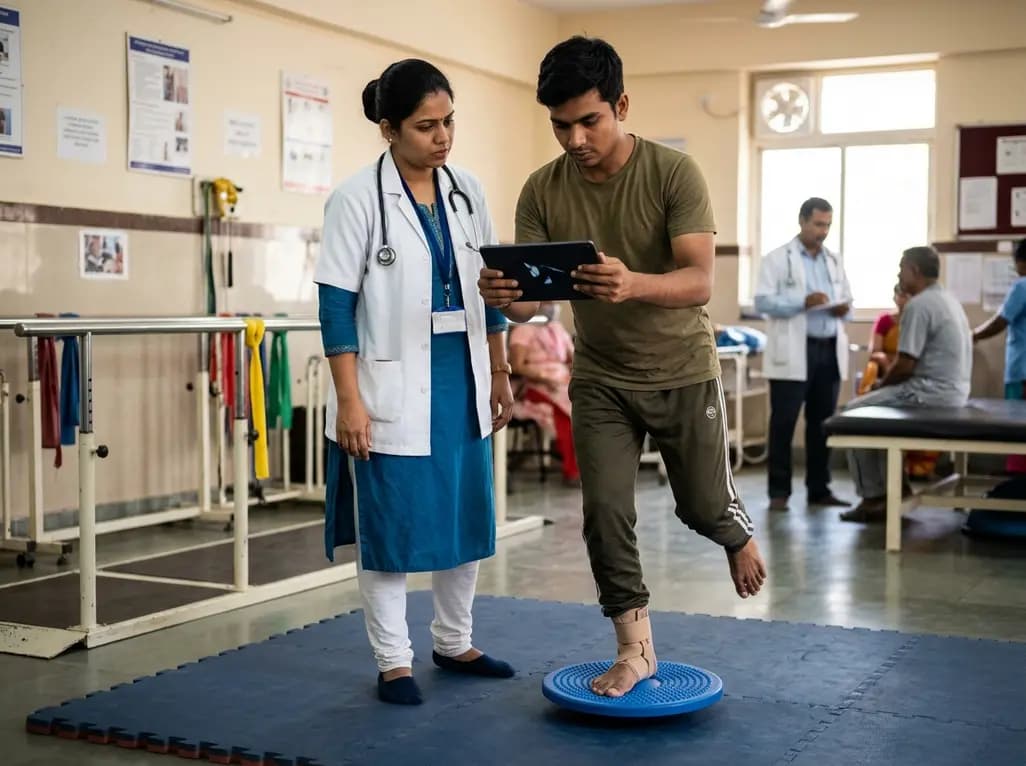
A randomized controlled trial demonstrates that an eight-week dual-task training intervention significantly improves static and dynamic postural control over standard balance exercises in individuals with chronic ankle instability, addressing critical neurocognitive deficits during athletic and daily activities.
Today

A retrospective cohort study of 7,716 ICU patients from the MIMIC-IV database demonstrates that Gradient Boosting Decision Trees significantly outperform traditional SOFA scores in predicting in-hospital mortality among patients with sepsis and diabetes, with SHAP analysis providing clinical interpretability.
Today
