

Loading, please wait...
Loading, please wait...

Adolescents emerging from armed conflict face profound psychosocial distress. When juvenile justice involvement compounds these adversities, substance-use risk escalates rapidly. A groundbreaking study in Colombia evaluated 82 male adolescents and young adults aged 14 to 23 years. These participants were enrolled in a specialized rehabilitation program within the Adolescent Criminal Responsibility System in Chocó. Consequently, researchers sought to identify structural, environmental, and emotional correlates that drive chemical dependency. Vulnerable youths frequently navigate severe disruptions, including forced displacement, physical violence, and profound social isolation.
Furthermore, developmental psychopathology models show that chronic trauma impairs neural circuits responsible for affective regulation and impulse control. Consequently, youths trapped in systemic violence experience heightened susceptibility to maladaptive coping behaviors. The investigators systematically explored adverse childhood experiences, subjective well-being, and caregiver-reported behavioral difficulties. In addition, they evaluated solastalgia, which represents emotional distress caused by environmental destruction. Understanding these intertwined dynamics offers critical diagnostic clarity for global healthcare practitioners who manage trauma-exposed adolescents.
To measure clinical severity accurately, the research team administered the standardized CRAFFT screening instrument. This validated questionnaire specifically screens adolescents for high-risk substance use, abuse, and related hazards. Remarkably, the cohort demonstrated an alarming mean CRAFFT score of 2.49 with a standard deviation of 1.56. Overall, 72.0% of the participants screened positive using the conventional clinical cutoff of two or more points. Therefore, nearly three-quarters of these justice-involved young men warranted immediate secondary assessment and structured therapeutic support.
Moreover, these numbers significantly exceed baseline rates reported among general adolescent cohorts. In primary care populations, positive screen rates rarely exceed 25%. However, youth emerging from armed groups endure pervasive instability and complex institutional trajectories. Thus, chemical substances frequently function as an accessible pharmacological strategy to numb overwhelming distress. Healthcare professionals must recognize that elevated screening scores signify both imminent toxicological risks and deep psychological despair. Accordingly, routine CRAFFT screening provides vital triage utility across forensic, pediatric, and psychiatric treatment facilities worldwide.
In bivariate statistical analyses, higher screening scores significantly correlated with multiple adverse psychosocial domains. Specifically, researchers observed positive correlations with cumulative trauma, family adjustment difficulties, internalizing symptoms, and caregiver-reported behavioral problems. Conversely, subjective well-being demonstrated a strong inverse association with drug involvement. To isolate independent predictive factors, the investigators subsequently constructed a rigorous seven-predictor hierarchical linear model. Notably, this multivariate statistical model accounted for 37.6% of the variance in CRAFFT scores, yielding an adjusted R-squared of 0.317.
Crucially, internalizing symptoms emerged as the sole robust, independent predictor within the final regression equation. The regression coefficient remained statistically significant at B equals 0.245, with a 95% confidence interval spanning from 0.125 to 0.366. Clinicians frequently assume that externalizing conduct disorders primarily propel juvenile drug experimentation. Nevertheless, this empirical study proves that unaddressed internal suffering exerts a profound, independent influence. Youths suffering from severe depressive states, generalized anxiety, and emotional anguish consume substances primarily to self-medicate intractable inner turmoil. Consequently, treating underlying emotional pain represents the cornerstone of lasting rehabilitation.
Beyond individual emotional distress, external environmental pressures compound adolescent mental health crises. For instance, cumulative adverse childhood experiences undermine healthy developmental milestones. In this cohort, youths endured physical maltreatment, extreme material scarcity, and direct exposure to wartime violence. Additionally, severe family adjustment problems eroded protective domestic buffering mechanisms. When family structures fracture under systemic poverty or displacement, youth lose essential emotional anchors. Therefore, interpersonal instability accelerates pathways toward peer deviance and illicit substance availability.
Furthermore, the investigation evaluated solastalgia, capturing the unique distress caused by ecological degradation and forced territorial uprooting. In regions like Chocó, armed conflict destroys local environments and disrupts traditional community livelihoods. Consequently, youths experience an acute sense of disenfranchisement, chronic hopelessness, and persistent loneliness. In addition, caregiver assessments revealed substantial externalizing behavioral problems. However, multivariate modeling clarified that externalizing behaviors often mask deep underlying affective despair. Thus, healthcare providers must analyze trauma as an ecological phenomenon encompassing personal, familial, and environmental stressors.
These empirical findings demand a decisive shift in clinical paradigms for vulnerable youth. Traditionally, correctional and rehabilitation systems prioritize punitive measures or superficial behavioral control. However, penalizing substance use without addressing root psychological drivers inevitably triggers high recidivism rates. Clinicians must implement trauma-informed care models that prioritize psychological safety, trust, and comprehensive psychiatric evaluation. Furthermore, treating co-occurring depressive disorders and post-traumatic stress through evidence-based psychotherapy significantly reduces chemical dependency risk. Cognitive behavioral therapy and acceptance-based modalities empower young individuals to develop adaptive emotional regulation skills.
Additionally, medical professionals must facilitate multidisciplinary collaboration across pediatrics, psychiatry, and community social services. Pharmacotherapy may prove necessary when severe mood or anxiety disorders impede therapeutic engagement. Meanwhile, family therapy helps restore fractured relational dynamics and rebuild protective domestic boundaries. Clinicians should also support educational reintegration and vocational training to restore personal agency and hope. Ultimately, transforming adolescent addiction care requires viewing high-risk youth through a diagnostic lens of profound adversity rather than criminality. By addressing internalizing symptoms early, physicians can disrupt cycles of incarceration and chemical addiction.
Although this investigation took place in Colombia, its core psychiatric insights resonate globally. In many developing nations, including India, marginalized adolescents navigate parallel structural stressors, severe socio-economic deprivation, and family disruption. For instance, youth entering juvenile observation homes frequently exhibit undocumented histories of child labor, physical abuse, and untreated mood disorders. When clinicians evaluate these vulnerable populations, externalizing delinquency often overshadows covert affective suffering. Consequently, healthcare practitioners must adopt universal screening protocols in juvenile justice facilities and adolescent health clinics.
Moreover, integrating validated screening tools like CRAFFT into standard clinical intake examinations ensures early detection of chemical vulnerability. Routine mental health assessments must evaluate trauma exposure alongside symptoms of anxiety, depression, and hopelessness. Similarly, primary care physicians and pediatricians should establish structured referral networks with mental health specialists. By recognizing internalizing symptoms as powerful drivers of substance use, clinicians can tailor empathetic, highly targeted interventions. Ultimately, holistic psychiatric care offers vulnerable young people worldwide a viable pathway toward comprehensive psychological recovery and social reintegration.
The CRAFFT instrument provides a validated, brief behavioral health screening tool specifically designed for adolescents aged 12 to 21 years. It systematically evaluates high-risk alcohol and drug use, riding in vehicles with impaired drivers, and substance-related social problems. A score of two or more points signals significant chemical risk, prompting immediate diagnostic evaluation, structured brief interventions, or referral to specialized addiction medicine services. Routine administration enhances early identification across primary care, pediatric, and juvenile justice settings.
Adolescents experiencing internalizing symptoms, such as major depression and chronic anxiety, frequently turn to alcohol or illicit psychoactive substances as a chemical self-medication strategy. While externalizing behavioral problems attract immediate punitive attention, unaddressed internal emotional pain drives compulsive drug consumption. Substances temporarily relieve overwhelming affective distress, severe despair, and traumatic memories. Consequently, clinicians must prioritize psychiatric treatments that address underlying emotional suffering rather than focusing exclusively on overt behavioral noncompliance during adolescent rehabilitation programs.
Clinicians should implement nonjudgmental, trauma-informed universal screening protocols using validated instruments like the CRAFFT questionnaire upon institutional intake. Furthermore, medical teams must pair toxicological screening with comprehensive assessments of adverse childhood experiences, mood disorders, family stability, and environmental trauma. Establishing confidential therapeutic alliances encourages candid disclosure from vulnerable youth. Multidisciplinary interventions combining evidence-based psychotherapy, family counseling, educational re-engagement, and appropriate psychiatric care yield significantly better long-term recovery outcomes than punitive disciplinary measures alone.
Disclaimer: This content is for informational and educational purposes only... Refer to the latest local and national guidelines for clinical practice.
References
Agudelo-Hernández F et al. Psychosocial Correlates of Substance-Use Risk among Justice-Involved Youth with Armed-Group Involvement in Colombia. J Child Adolesc Trauma. 2027 Mar undefined. doi: 10.1007/s40653-026-01019-6. PMID: 43105022.
Knight JR, Sherritt L, Shrier LA, Harris SK, Chang G. Validity of the CRAFFT substance abuse screening test among adolescent clinic patients. Arch Pediatr Adolesc Med. 2002;156(6):607-614. doi:10.1001/archpedi.156.6.607.
Felitti VJ, Anda RF, Nordenberg D, et al. Relationship of childhood abuse and household dysfunction to many of the leading causes of death in adults: The Adverse Childhood Experiences (ACE) Study. Am J Prev Med. 1998;14(4):245-258. doi:10.1016/S0749-3797(98)00017-8.

Read summarized clinical updates, watch expert medical content, and earn CME certifications right from your smartphone.
Open your smartphone camera to scan and install.





A cross-sectional study of justice-involved youth in Colombia reveals that 72% screened positive for substance-use risk on the CRAFFT tool. Internalizing symptoms independently predicted heightened risk, underscoring the critical need for trauma-informed, integrated psychiatric care among vulnerable adolescents.
Today

Recent discoveries reveal that cardiomyocyte subpopulations produce autonomic signalling molecules like catecholamines and acetylcholine. This intrinsic paracrine machinery coordinates cardiac conduction and rhythm, offering innovative therapeutic avenues for arrhythmias and progressive heart failure.
Today

A recent survey reveals significant gaps in antenatal providers' adherence to pregnancy oral health guidelines despite positive attitudes. Integrating regular oral screenings, clinician education, and interprofessional dental referrals during prenatal care is crucial to prevent adverse pregnancy outcomes.
Today

A patient-based simulation study reveals that conventional 10% bias in mean normal prothrombin time causes up to 19.2% clinical reclassification in warfarin therapy. Restricting bias to ±2.5% eliminates major INR discrepancies, urging diagnostic laboratories to tighten analytical verification thresholds.
Today
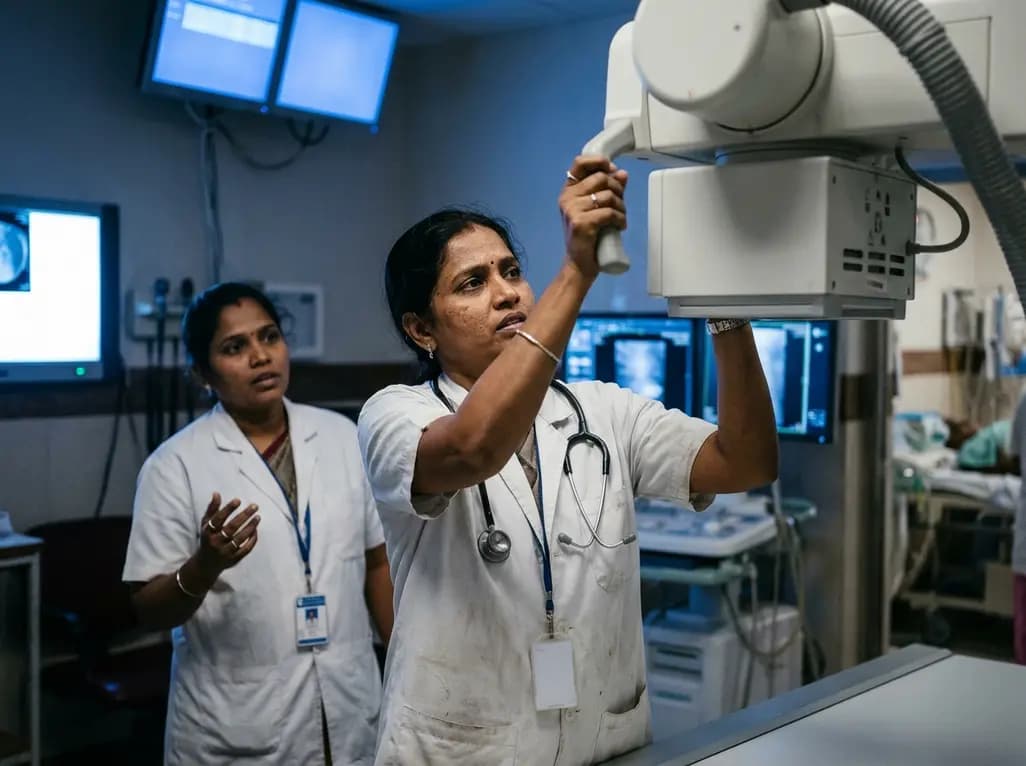
A systematic review and meta-analysis reveals that 67% of radiographers experience work-related musculoskeletal disorders. Key drivers include unassisted patient repositioning and repetitive equipment manipulation. Departments must prioritize proactive ergonomic interventions and safe handling protocols.
Today
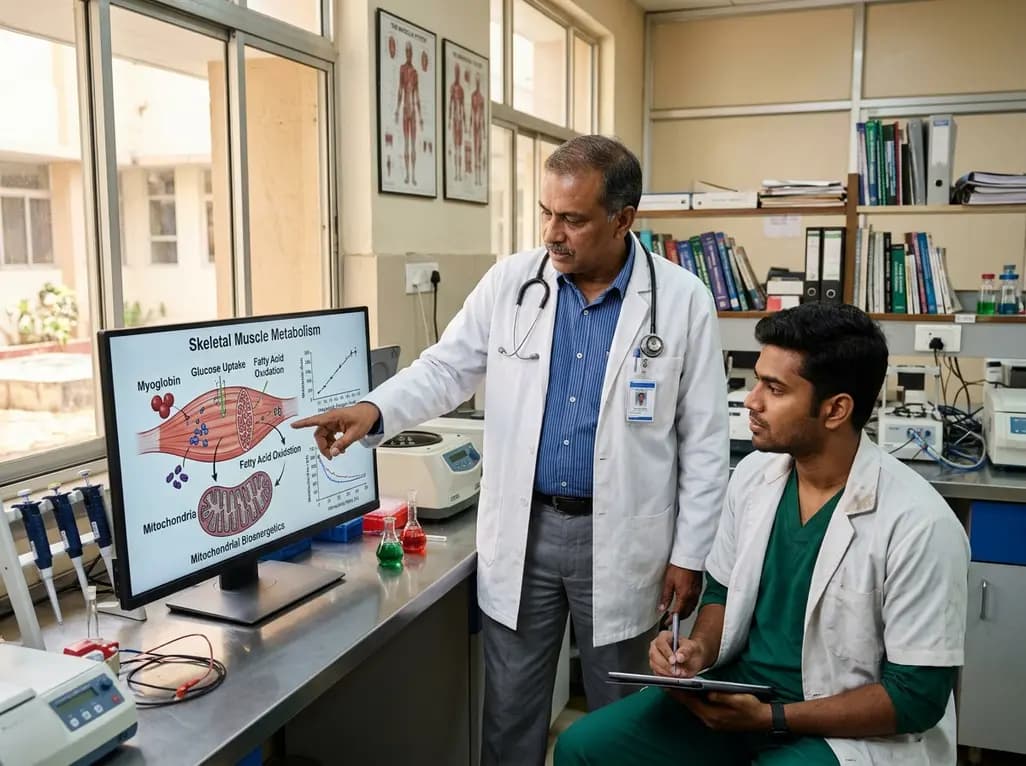
Recent physiological findings demonstrate that myoglobin acts beyond oxygen transport, significantly regulating skeletal muscle glucose metabolism and mitochondrial bioenergetics. Understanding these intracellular metabolic shifts offers fresh insights into metabolic health and exercise physiology.
Today
