

Loading, please wait...
Loading, please wait...

Drug-resistant focal epilepsy significantly diminishes patient quality of life and presents complex therapeutic dilemmas. Stereoelectroencephalography-guided radiofrequency thermocoagulation (SEEG-RFTC) has emerged as an innovative, minimally invasive intervention during invasive presurgical evaluation. Neurosurgeons deliver radiofrequency thermal energy through implanted depth electrode contacts directly into the epileptogenic focus. This targeted approach provides immediate therapeutic tissue ablation and serves as an in vivo test of the epileptic network. However, clinicians actively debate the success of subsequent epilepsy surgery when thermocoagulation fails to produce durable seizure freedom. Furthermore, uncertainty persists regarding whether an initial clinical response to thermal coagulation reliably forecasts long-term postsurgical outcomes. To clarify these pivotal clinical questions, a comprehensive systematic review and meta-analysis synthesized evidence from twenty-nine clinical studies. The investigators meticulously evaluated seizure outcomes following later resective, disconnective, or ablative surgery in patients who had previously undergone SEEG-RFTC. Additionally, they examined whether therapeutic responsiveness during bedside thermocoagulation offers meaningful prognostic utility. Consequently, these findings offer essential clinical guidance for neurosurgeons and neurologists planning definitive surgical interventions in patients with difficult focal epilepsies.
Definitive open surgery remains the standard of care for achieving long-term seizure freedom in drug-resistant focal epilepsy. In the pooled meta-analysis, investigators analyzed six qualifying studies encompassing 194 patients who underwent definitive resective, disconnective, or ablative surgery following SEEG-RFTC. Among these patients, 141 achieved a favorable seizure outcome, defined primarily as Engel Class I or II status. The pooled favorable outcome proportion reached an impressive 72.4 percent, with a 95 percent confidence interval spanning 65.6 to 78.3 percent. Remarkably, the statistical analysis demonstrated complete consistency across all cohorts, yielding an inconsistency index of zero percent. Therefore, these robust data confirm that prior radiofrequency lesioning does not diminish the efficacy of subsequent definitive operations. In the past, some clinicians worried that localized thermal scarring might distort surgical planes or complicate tissue resection. However, the excellent post-resection results thoroughly dispel those clinical concerns. Definitive surgical resection removes broader pathological tissue volumes that focal depth electrode contacts cannot encompass. Consequently, clinicians should view SEEG-RFTC as an effective bridge toward successful surgery rather than a competing modality. When focal seizures persist after ablation, surgical teams can proceed to open resection with high confidence.
Many epilepsy specialists have historically presumed that an initial response to SEEG-RFTC reliably validates the surgical target and predicts subsequent operative success. According to this reasoning, patients showing marked seizure reduction after bedside coagulation should achieve superior surgical outcomes following formal resection. The meta-analysis systematically evaluated this hypothesis by analyzing three clinical studies that directly compared treatment responders against nonresponders. Under conventional random-effects modeling, responders displayed numerically higher odds of achieving a favorable later outcome, with an odds ratio of 3.86. However, when researchers applied the Hartung-Knapp small-sample adjustment, the statistical confidence interval widened dramatically from 0.19 to 77.91, yielding a non-significant p-value of 0.193. Consequently, existing empirical evidence fails to establish that initial thermocoagulation response provides independent prognostic value. While positive symptom reduction after ablation reinforces confidence in the localization hypothesis, nonresponse does not imply that subsequent surgery will fail. In fact, many nonresponders achieve complete postoperative seizure freedom after resection. Coagulation lesions often measure merely a few millimeters, leaving surrounding epileptogenic tissue intact. Accordingly, clinicians must never exclude an otherwise appropriate candidate from definitive surgery based solely on lack of improvement after SEEG-RFTC.
Evaluating procedural safety and patient trajectories across longitudinal treatment pathways is essential for informed presurgical counseling. The systematic review confirmed that SEEG-RFTC demonstrates an exceptionally favorable safety profile in clinical practice. Across twenty-nine original studies, permanent neurological complications occurred in only 2.7 percent of patients. Most documented adverse events remained mild and transient, consisting predominantly of localized cerebral edema, brief sensory deficits, or mild headaches. Thus, clinicians can safely perform bedside thermal coagulation without exposing patients to excessive morbidity. Furthermore, researchers evaluated the proportion of individuals who ultimately progressed to subsequent epilepsy procedures. The pooled meta-analysis revealed that 22.0 percent of patients underwent another epilepsy intervention, such as open craniotomy or laser ablation. Interestingly, the analysis revealed substantial heterogeneity among reporting centers, with an inconsistency index of 84.1 percent. This marked variability reflects distinct institutional philosophies and differing clinical workflows across global epilepsy centers. Some medical centers employ SEEG-RFTC primarily as a definitive ablative therapy, whereas others utilize it systematically as a network-probing diagnostic tool before planned resection. Regardless of institutional protocol, thermocoagulation integrates seamlessly into presurgical evaluation without jeopardizing future operative safety.
The findings from this meta-analysis carry profound practical implications for multidisciplinary epilepsy surgery boards. Rather than viewing SEEG-RFTC strictly as an isolated curative procedure, teams should conceptualize it as an informative, network-based diagnostic intervention. When patients achieve durable seizure control following bedside coagulation, they can potentially avoid more invasive craniotomies. Conversely, when habitual seizures persist or recur, clinicians should systematically evaluate patients for definitive surgical resection. Importantly, multidisciplinary teams must interpret post-coagulation outcomes within the comprehensive context of video-EEG monitoring, high-resolution neuroimaging, and functional cortical mapping. Because radiofrequency lesions remain geographically restricted, incomplete seizure control often reflects insufficient lesion volume rather than an incorrect anatomical target. Moreover, observing transient seizure relief or aura modification can provide valuable confirmatory clues regarding the seizure onset network. Therefore, surgical teams should view persistent seizures after SEEG-RFTC as an expected limitation of focal lesioning rather than evidence of surgical futility. By integrating these insights into individualized care algorithms, clinicians can optimize surgical decision-making. Ultimately, this balanced approach ensures that drug-resistant epilepsy patients receive timely, definitive interventions to maximize long-term seizure freedom.
No, a lack of response does not exclude patients from subsequent surgery. Thermocoagulation creates small lesions that may fail to suppress larger epileptogenic zones. The meta-analysis shows that nonresponders frequently achieve favorable seizure outcomes after definitive resection. Therefore, clinicians must never disqualify suitable candidates based solely on initial thermocoagulation nonresponse.
SEEG-RFTC demonstrates an excellent safety profile during invasive monitoring. The pooled meta-analysis identified a permanent neurological complication rate of only 2.7 percent. Most reported adverse events are mild and transient, such as temporary focal deficits or post-ablation headaches. Consequently, the procedure carries minimal risk while providing vital diagnostic and therapeutic data.
SEEG-RFTC serves as an in vivo test of the hypothetical epileptogenic network. By coagulating targeted contacts, clinicians assess seizure suppression and monitor functional deficits in real time. This functional validation confirms critical network nodes, guides tailored surgical resection margins, and helps teams optimize definitive surgery without increasing perioperative surgical complications.
Disclaimer: This content is for informational and educational purposes only. It should not be used as a substitute for professional medical advice, diagnosis, or treatment. Always seek the advice of your physician or other qualified healthcare provider with any questions you may have regarding a medical condition. Refer to the latest local and national guidelines for clinical practice.
References

Read summarized clinical updates, watch expert medical content, and earn CME certifications right from your smartphone.
Open your smartphone camera to scan and install.





A systematic review reveals that 72.4% of patients achieve favorable seizure outcomes from subsequent epilepsy surgery after SEEG-guided RFTC. Although RFTC response aids network mapping, nonresponse alone should not disqualify surgical candidates.
Today

Maternal cardiovascular risk factors such as hypertension, obesity, and diabetes significantly elevate offspring cardiovascular disease risk through placental dysfunction and fetal programming. Enhancing preconception screening and antenatal care offers clinicians a powerful strategy to protect long-term heart health.
Today
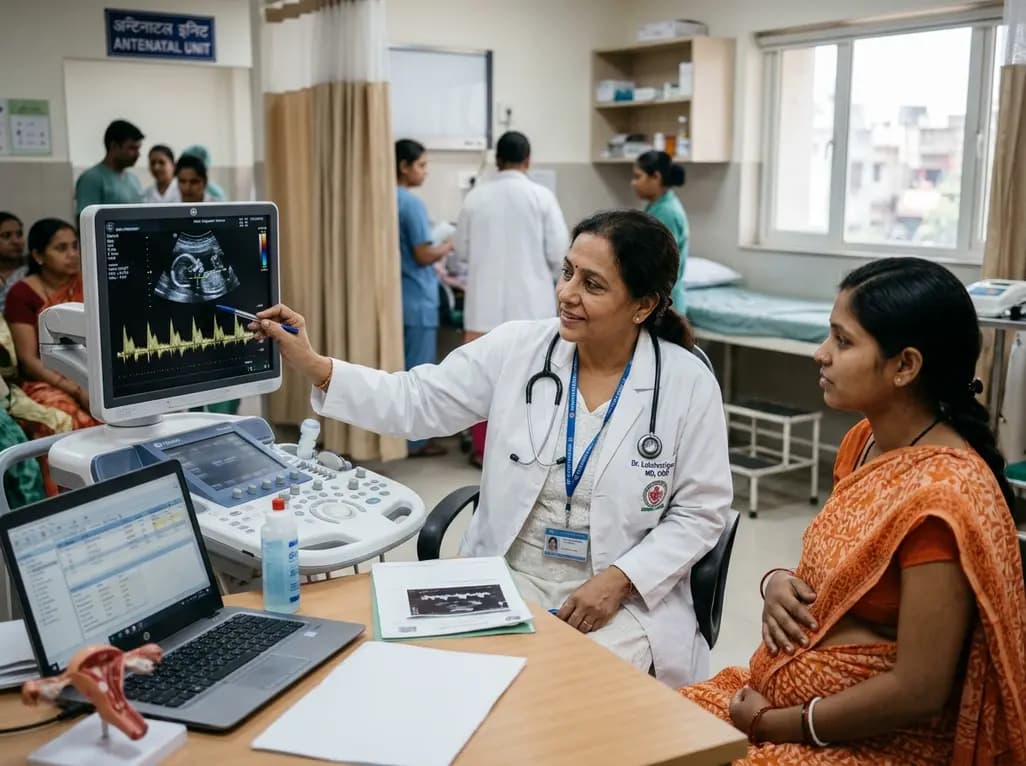
Non-RhD alloimmunization poses an emerging challenge in modern obstetric care as RhIG reduces RhD cases. This review highlights key non-RhD antigens, Doppler monitoring, and neonatal management strategies.
Today

New phase I data evaluate the impact of food and beverages on enlicitide, the first oral PCSK9 inhibitor. While food reduces peak absorption, model simulations demonstrate robust LDL-C lowering of approximately 60%, confirming meaningful pharmacokinetic forgiveness and flexible real-world administration.
Today

A retrospective cohort study reveals that lumbar spine bone mineral density does not distinguish extremity long bone fracture status in adults with severe motor and intellectual disabilities. Because age drove fracture risk rather than spinal density, clinicians must adopt comprehensive assessment tools.
Today

A landmark UK Biobank study by Karolinska Institutet researchers reveals that optimal rest mitigates neurodegeneration in cardiometabolic illness. Patients maintaining high sleep quality demonstrated superior cognitive scores and larger brain volumes, highlighting sleep optimization as an actionable clinical strategy.
Yesterday
