.webp&w=384&q=75)

Loading, please wait...
Loading, please wait...
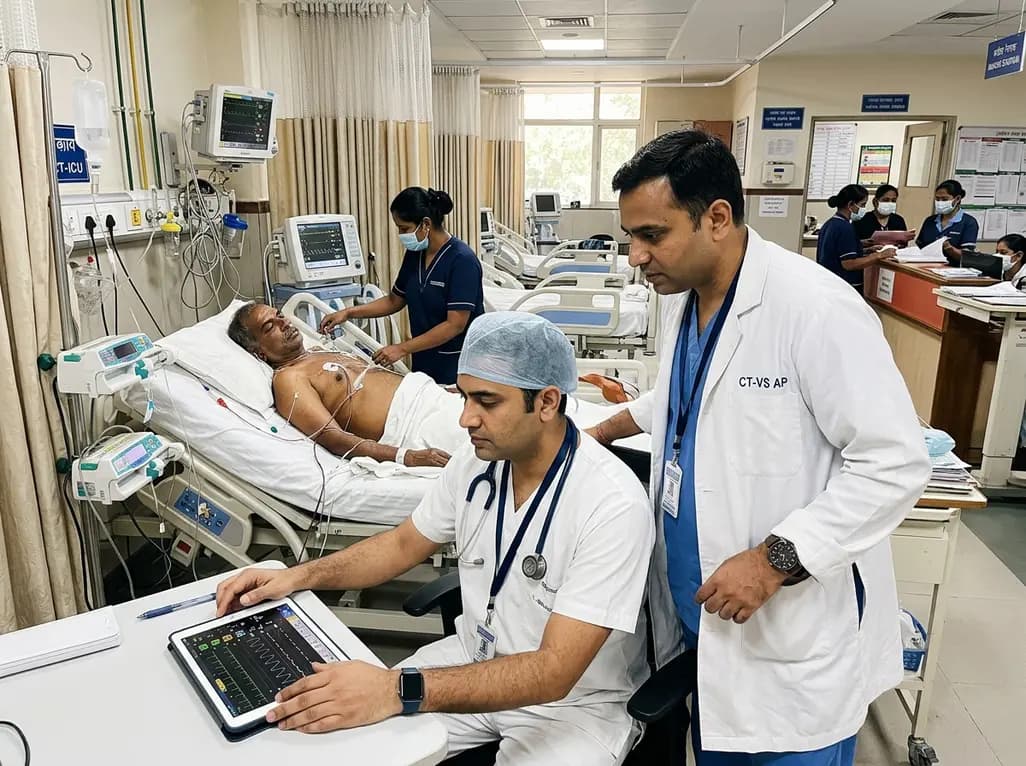
Post-operative delirium represents a critical neurocognitive complication frequently observed after major cardiac surgery. Clinicians actively seek reliable biomarkers to identify vulnerable patients before severe cognitive decline develops. Recent evidence demonstrates that the stress hyperglycaemia ratio delirium link provides crucial diagnostic insights into acute metabolic derangements during intensive care. The stress hyperglycaemia ratio calculates acute relative glucose elevation by adjusting peak blood glucose against baseline glycated haemoglobin. Consequently, this metabolic index distinguishes true physiological stress from chronic background diabetes. Intensive care teams now utilize this prognostic marker to enhance postoperative neurocognitive monitoring and patient risk stratification.
Acute surgical trauma triggers robust neuroendocrine and inflammatory responses that rapidly elevate blood glucose levels. However, absolute blood glucose measurements often misclassify chronic diabetic patients as experiencing severe acute stress. The stress hyperglycaemia ratio resolves this diagnostic challenge by normalizing acute post-admission glucose to long-term glycaemic status. Therefore, clinicians obtain an accurate measurement of true physiological stress regardless of prior diabetic history. Recent large-scale clinical investigations demonstrate that high ratio values correlate strongly with neurovascular inflammation, blood-brain barrier dysfunction, and heightened delirium incidence. Consequently, monitoring relative glycaemic fluctuations delivers superior prognostic value compared to isolated blood glucose values.
A comprehensive retrospective cohort study evaluated over eight thousand adult surgical patients within the MIMIC-IV database. Researchers carefully investigated the clinical association between initial stress ratio values and delirium development in intensive care. Patients with significantly elevated ratios demonstrated an eighteen percent incidence of post-operative delirium compared to only eleven percent in the low-ratio cohort. Furthermore, multivariable statistical models confirmed that high ratios independently predict neurocognitive complications even after adjusting for baseline co-morbidities. Machine learning models incorporating this biomarker achieved remarkable predictive accuracy for early clinical stratification. Consequently, these findings highlight relative acute hyperglycaemia as an essential physiological parameter in postoperative critical care.
Surgeons and intensivists recognize that systemic stress profoundly alters cerebral metabolic homeostasis during cardiopulmonary bypass. Severe relative hyperglycaemia induces acute oxidative stress, endothelial damage, and microvascular hypoperfusion within vulnerable brain regions. Moreover, excess circulating glucose promotes the release of proinflammatory cytokines, which readily cross the compromised blood-brain barrier. This intense neuroinflammatory cascade disrupts neurotransmitter regulation, particularly acetylcholine and dopamine pathways responsible for cognitive clarity. In addition, acute glucose fluctuations exacerbate cerebral mitochondrial dysfunction and neuronal apoptosis. Therefore, relative hyperglycaemic surges act as potent metabolic catalysts for acute confusional states and prolonged cognitive impairment.
Integrating the stress hyperglycaemia ratio into postoperative intensive care protocols substantially improves patient care workflows. Intensivists can rapidly identify high-risk individuals immediately upon surgical intensive care admission by calculating the ratio using standard laboratory tests. Furthermore, early risk identification enables nursing teams to implement targeted non-pharmacological delirium bundles promptly. These preventive strategies include frequent reorientation, early mobilization, optimized sleep hygiene, and judicious sedation management. In addition, clinical teams can personalize insulin titration regimens to mitigate rapid glycaemic excursions without precipitating dangerous hypoglycaemia. Consequently, routine calculation of this metric optimizes critical care resource allocation and shortens intensive care stays.
Modern perioperative medicine increasingly incorporates artificial intelligence algorithms to augment clinical decision-making. Future prospective trials must evaluate whether strict protocolized correction of relative hyperglycaemia directly decreases delirium rates after cardiac surgery. Additionally, researchers are investigating the integration of continuous glucose monitoring systems to track dynamic glycaemic variability in real time. Combining automated metabolic tracking with bedside neurocognitive assessment tools will certainly improve diagnostic precision. Clinicians anticipate that future critical care guidelines will formally incorporate relative glycaemic metrics into standardized delirium risk prediction frameworks. Ultimately, refined metabolic monitoring will safeguard neurological outcomes for high-risk surgical populations worldwide.
The stress hyperglycaemia ratio is a calculated biomarker that measures acute glucose elevation relative to a patient's baseline glycaemia. Clinicians calculate this index by dividing the acute blood glucose level by the estimated average glucose derived from glycated haemoglobin. This calculation effectively separates acute stress responses from underlying chronic diabetes.
Stress-induced hyperglycaemia triggers systemic oxidative stress, endothelial dysfunction, and intense neuroinflammation within the cerebral microvasculature. These acute physiological disruptions compromise the blood-brain barrier and alter crucial neurotransmitter pathways. Consequently, vulnerable cardiac surgical patients experience significant metabolic destabilization, leading to acute confusional states and post-operative delirium.
Early identification of elevated stress hyperglycaemia allows clinical teams to implement targeted delirium prevention bundles and personalized glycaemic management promptly. Although aggressive glucose lowering requires careful monitoring to prevent hypoglycaemia, minimizing severe glycaemic fluctuations and neuroinflammation helps stabilize cerebral metabolism and significantly mitigates cognitive decline in critical care.
Disclaimer: This content is for informational and educational purposes only and does not constitute medical advice. Healthcare professionals should exercise their independent clinical judgment. Refer to the latest local and national guidelines for clinical practice.
References
Mutailifu D et al. Stress hyperglycaemia ratio and post-operative delirium after cardiac surgery: a retrospective cohort study of the MIMIC-IV database. Intern Med J. 2026 Aug 23. doi: 10.1111/imj.70611. PMID: 42633982.
Roberts GW et al. Stress hyperglycemia ratio is an independent predictor of adverse outcomes in critically ill patients. Crit Care Med. 2021;49(9):e852-e861.
Aldecoa C et al. European Society of Anaesthesiology evidence-based and consensus-based guidelines on postoperative delirium. Eur J Anaesthesiol. 2017;34(4):192-214.

Read summarized clinical updates, watch expert medical content, and earn CME certifications right from your smartphone.
Open your smartphone camera to scan and install.





A retrospective MIMIC-IV study highlights the stress hyperglycaemia ratio as a powerful predictor of post-operative delirium following cardiac surgery, demonstrating superior risk stratification over absolute glycaemic metrics in critical care settings.
last month

A spatial multi-omics study reveals that ozone exposure alters regional macrophage phenotypes and non-immune cell signaling during surfactant protein-C mutant lung injury. Although structural remodeling remained unchanged at 7 days, pollutant exposure heightened inflammatory activation and animal mortality.
Today

A meta-analysis of nine RCTs comparing remimazolam versus propofol in hysteroscopy reveals remimazolam significantly reduces injection pain, hypotension, and respiratory depression while maintaining comparable sedation success, recovery times, and procedural duration.
Today

Abdominal aortic aneurysm rupture remains a catastrophic vascular emergency. Groundbreaking research reveals that USP53 accelerates aneurysm progression by reprogramming smooth muscle cell metabolism toward aerobic glycolysis, highlighting a promising target beyond conventional diameter-based surveillance.
Yesterday
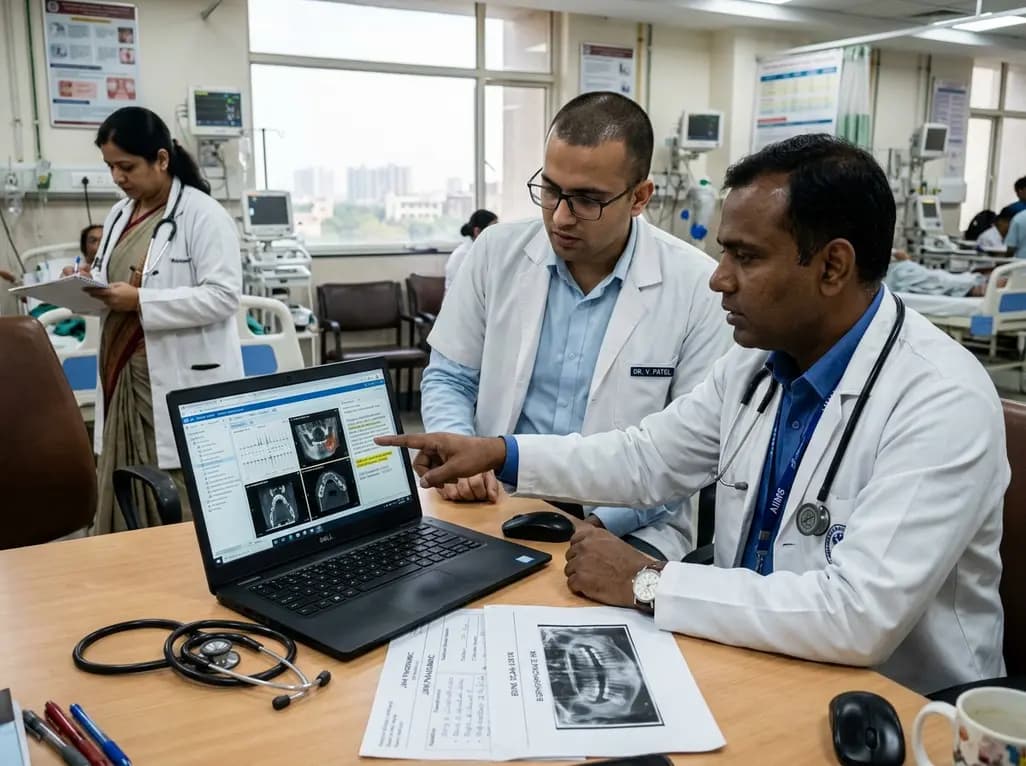
A breakthrough study leverages natural language processing to accurately identify incident medication-related osteonecrosis of the jaw and track antiresorptive drug holidays from clinical narratives in electronic health records, advancing osteoporosis pharmacovigilance and dental safety.
Today
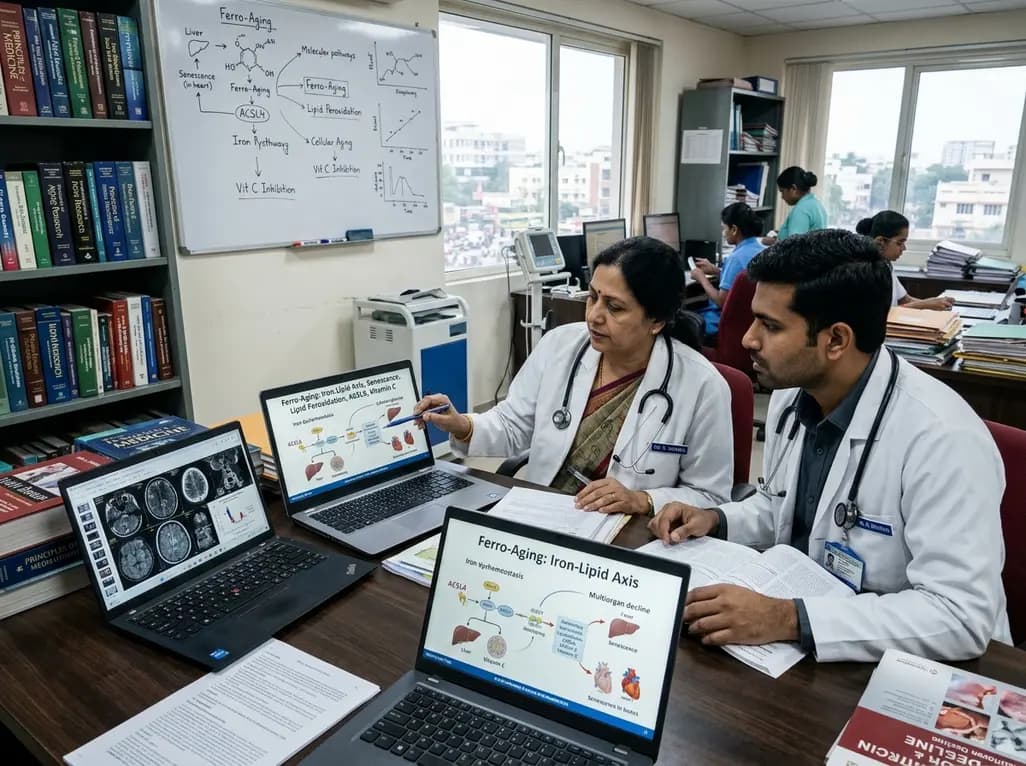
Recent research defines ferro-aging as a conserved iron-lipid axis driving organ decline across primates. Age-related iron dyshomeostasis stimulates ACSL4-mediated lipid peroxidation, promoting cellular senescence. Notably, vitamin C directly inhibits ACSL4, suppressing phospholipid oxidation and multi-organ decay.
Yesterday
