.webp&w=384&q=75)

Loading, please wait...
Loading, please wait...
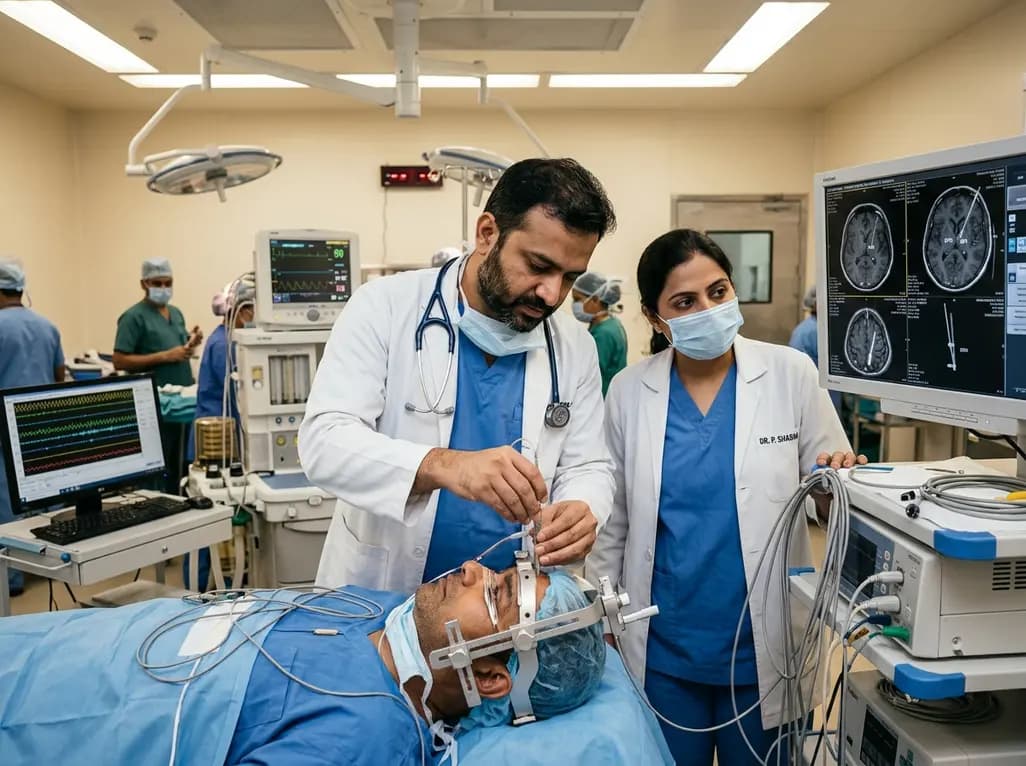
Primary Meige syndrome represents a debilitating form of adult-onset craniocervical dystonia. Patients frequently suffer from intractable blepharospasm combined with involuntary oromandibular movements. Consequently, these severe spasms impair vision, speech articulation, and nutritional intake. Conventional oral medications offer limited symptomatic relief for most individuals. Although botulinum neurotoxin injections remain a frontline therapy, many patients eventually develop treatment resistance or experience intolerable local adverse events. Therefore, functional neurosurgeons have increasingly adopted targeted neuromodulation strategies. Specifically, STN-DBS for Meige syndrome has emerged as a promising intervention to restore normal basal ganglia circuit dynamics. The subthalamic nucleus acts as a central regulatory node within motor pathways. Modulating this target can disrupt aberrant neural synchrony and relieve involuntary muscular contractions. However, clinical responses often vary considerably across patient populations. Neurologists currently lack well-defined prognostic markers to guide candidate selection and post-surgical expectations. In addition, existing clinical literature consists primarily of small cohorts and isolated case reports. Clinicians urgently require robust multicenter and retrospective evidence to optimize patient selection and refine operative decisions.
Recent retrospective evidence provides substantial validation for subthalamic stimulation in craniocervical dystonia. In a comprehensive study of 65 consecutive patients, functional neurosurgeons evaluated the efficacy of bilateral STN-DBS for Meige syndrome over extended follow-up. The surgical team documented significant postoperative improvements in motor and functional domains. Specifically, motor scores on the Burke-Fahn-Marsden Dystonia Rating Scale improved by an impressive 59.17 percent. Furthermore, the disability subscale scores demonstrated an even higher improvement of 65.05 percent. Patients achieved swift relief from forceful eyelid closure and regained the ability to open their eyes spontaneously. Oromandibular spasms also subsided markedly, allowing patients to chew, swallow, and speak without severe embarrassment or discomfort. Consequently, patients reported profound gains in overall quality of life and personal autonomy. Moreover, the surgical intervention maintained a favorable safety profile across the entire cohort. Although stimulation-induced dyskinesias arose in a few individuals, clinicians rapidly resolved these symptoms by adjusting stimulation parameters. In addition, neuropsychological testing demonstrated preserved cognitive status and emotional stability after surgery. Therefore, bilateral subthalamic stimulation delivers robust and clinically meaningful therapeutic relief for medically refractory patients.
Modern neuroimaging methodologies offer invaluable insights into the anatomical mechanisms underlying successful stimulation. To explore spatial predictors of recovery, investigators reconstructed electrode trajectories in standardized stereotactic space using the Lead-DBS toolbox. Subsequently, they calculated the volume of tissue activated for each active contact. This advanced computational modeling demonstrated that clinical outcomes depend heavily on precise electrode localization within subcortical structures. Specifically, electrodes situated within the sensorimotor territory of the subthalamic nucleus produced superior motor improvement rates. Furthermore, researchers identified a significant positive correlation between motor recovery and the overlapping volume of tissue activated within this sensorimotor region. In contrast, electrical fields that stimulated adjacent non-motor zones failed to yield equivalent therapeutic benefits. The investigators also evaluated stereotactic coordinates, noting that the y-axis position of active contacts correlated directly with clinical success. Contacts placed closer to the dorsal surface of the sensorimotor subthalamic nucleus conferred optimal symptom suppression. Therefore, utilizing computational lead reconstruction provides neurosurgeons with an objective blueprint for postoperative programming and targeted field shaping.
Beyond electrode coordinates and activation volumes, patient baseline characteristics play a pivotal role in predicting treatment response. Multivariate regression analyses conducted in this cohort identified several clinical predictors that govern functional recovery. Notably, disease duration prior to surgery showed a significant negative relationship with postoperative symptom improvement. Patients who received neurosurgical intervention earlier in their disease course achieved markedly higher rates of motor relief. Conversely, longstanding disease often leads to secondary maladaptive neural plasticity, which attenuates the brain's responsiveness to deep brain stimulation. Additionally, patient age at surgical implantation emerged as an important prognostic consideration, as younger patients generally adapted more rapidly to neuromodulation. The initial severity of dystonic symptoms also influenced postoperative trajectories. Patients with severe baseline impairment frequently demonstrated substantial numerical score reductions, yet longstanding musculoskeletal contractures constrained their functional gains. Therefore, early referral for surgical evaluation remains critical for maximizing therapeutic efficacy. Neurologists should recognize that persistent medical management in refractory cases can inadvertently diminish eventual surgical benefits. Integrating these prognostic factors allows clinicians to stratify candidates effectively and counsel families regarding realistic clinical expectations.
The findings from this 65-case cohort establish a clear clinical framework for managing refractory Meige syndrome. Surgical teams should first employ high-resolution tractography and detailed anatomical imaging during stereotactic trajectory planning. Ensuring that active contacts target the dorsal sensorimotor subthalamic nucleus directly improves the probability of robust clinical recovery. During the postoperative period, clinicians should avoid empirical, unsystematic programming approaches that cause unnecessary delays in symptom control. Instead, programming teams should utilize patient-specific computational activation maps to tailor electric fields precisely around the sensorimotor target. This image-guided strategy minimizes stimulation leakage into adjacent internal capsule or limbic fibers, preventing motor contractions and behavioral changes. Furthermore, healthcare systems must foster close collaboration between general neurologists, ophthalmologists, and functional neurosurgeons. Timely identification of medical refractoriness prevents irreversible neuromuscular decline and ensures prompt surgical referral. Consequently, earlier operative intervention translates into superior long-term motor control and preserved independence for affected patients. Adopting these multidisciplinary, evidence-based practices will substantially elevate the standard of care for this challenging craniocervical movement disorder.
Bilateral STN-DBS significantly alleviates debilitating motor symptoms in medically refractory Meige syndrome. Patients experience dramatic reductions in involuntary blepharospasm and oromandibular spasms, achieving nearly sixty percent improvement on validated dystonia scales. Consequently, this surgical intervention restores vision, speech clarity, swallowing function, and overall daily independence.
Lead placement within the dorsolateral sensorimotor region of the subthalamic nucleus directly determines clinical efficacy. Greater overlap between the volume of tissue activated and this sensorimotor territory predicts superior motor relief. Conversely, misplaced active contacts outside this functional zone may produce subtherapeutic outcomes or provoke unwanted stimulation-induced adverse effects.
Ideal candidates include patients with primary Meige syndrome experiencing severe disability refractory to conventional medications and botulinum neurotoxin injections. Furthermore, individuals with shorter disease duration and younger age generally achieve superior postoperative recovery. Comprehensive multidisciplinary evaluations ensure that candidates possess intact cognitive function and realistic treatment expectations prior to surgery.
Disclaimer: This content is for informational and educational purposes only and should not be considered medical advice. Always consult a qualified healthcare professional regarding any medical condition or treatment. Refer to the latest local and national guidelines for clinical practice.
References

Read summarized clinical updates, watch expert medical content, and earn CME certifications right from your smartphone.
Open your smartphone camera to scan and install.





A retrospective study of 65 cases reveals significant motor and disability improvements following bilateral subthalamic nucleus deep brain stimulation for primary Meige syndrome, highlighting active contact positioning and tissue activation overlap as critical prognostic markers.
last month
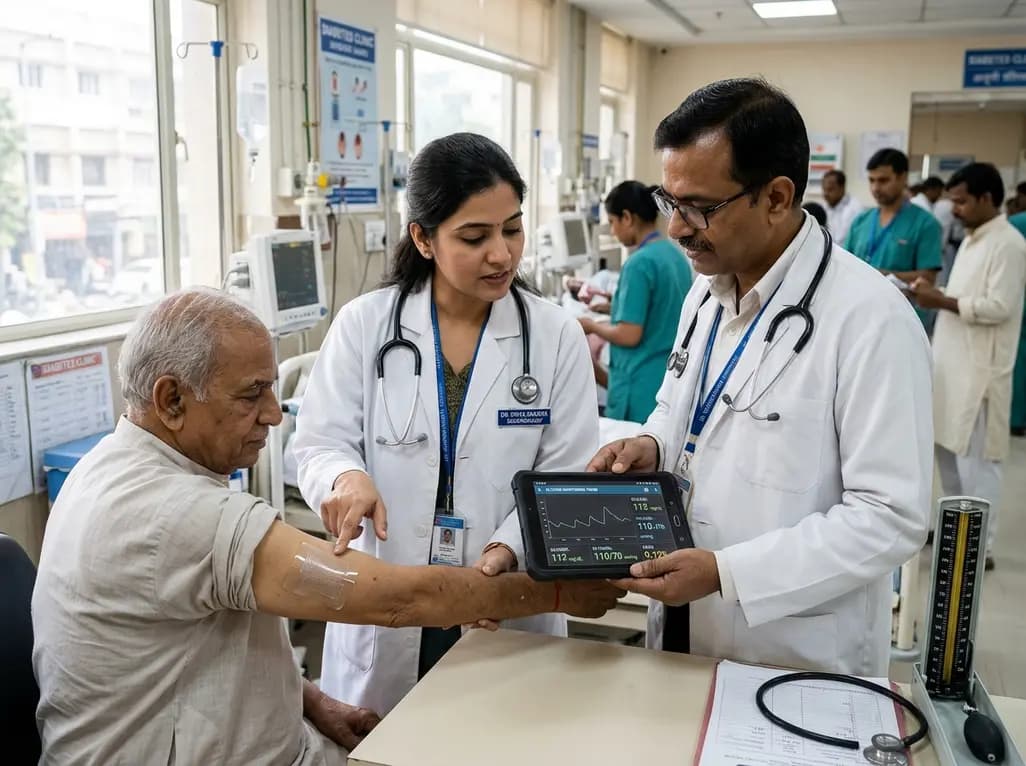
A breakthrough ultrathin multimodal sensor decouples physical hemodynamic monitoring from disposable electrochemical calibration, achieving long-term wearable glucose prediction with 81.36% accuracy and a 9.12% MARD. This offers a robust, drift-free solution for outpatient metabolic surveillance.
Today

Demanding exhaustive hormonal profiling can inadvertently discourage clinical studies involving females. Methodological standards must align with the specific scientific question to expand, not restrict, equitable evidence for women.
Today

Co-administering antiseizure medications and DOACs frequently causes pharmacokinetic interactions, subtherapeutic drug levels, and thromboembolic failures. This review highlights enzyme induction risks, unpredictable outcomes with levetiracetam, and the vital role of therapeutic drug monitoring.
Today
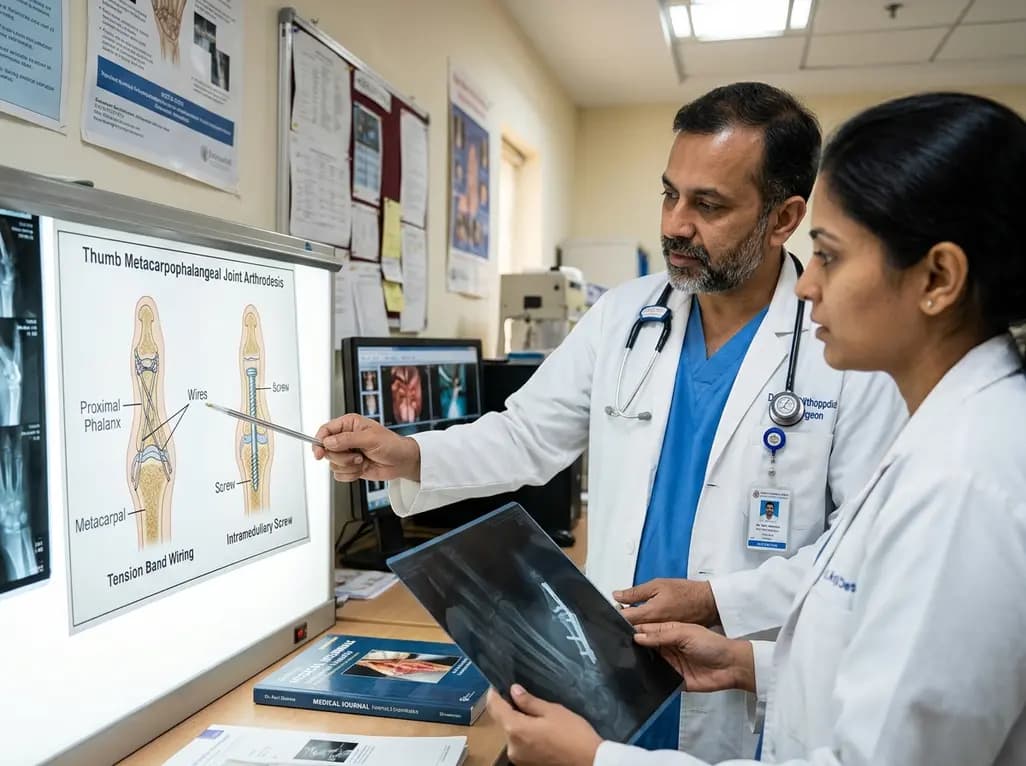
A comparative review of tension band wiring and intramedullary screw fixation in thumb metacarpophalangeal arthrodesis, evaluating union rates, hardware complications, and clinical outcomes.
Today

Following regulatory scrutiny from FSSAI regarding promotional representations and lean muscle preservation claims, Dr. Reddy's Laboratories and Nestlé Health Science are currently reviewing the branding and marketing strategy for their joint nutritional supplement Celevida GLP+.
Today
