.webp&w=384&q=75)

Loading, please wait...
Loading, please wait...

Atopic dermatitis represents a relapsing inflammatory skin disorder characterized by barrier breakdown and immune dysregulation. Beyond host genetics, dynamic microbial communities dictate disease severity and clinical recurrence. Specifically, recent genomic studies demonstrate that Staphylococcus aureus skin adaptation fuels chronic cuticular colonization and acute flares. Lesional skin serves as an active micro-evolutionary niche where bacteria acquire beneficial adaptive mutations. Understanding this within-host evolution provides clinicians with essential insights into pathogen persistence, antimicrobial resistance, and emerging precision therapeutics.
Healthy human skin naturally presents a desiccated, acidic environment rich in antimicrobial peptides. However, cutaneous inflammation drastically alters this protective landscape. During atopic flares, elevated pH, reduced natural moisturizing factors, and filaggrin deficiency create an opportunistic niche. Consequently, colonizing bacteria encounter strong selective pressures that promote phenotypic persistence over clearance.
Under these stressful conditions, the pathogen activates distinct genetic programs to ensure ongoing survival. Specifically, bacteria modify cell wall architecture to neutralize host cathelicidins and defensins. Furthermore, strains upregulate surface adhesins that bind tenaciously to exposed dermal fibronectin. Staphylococci also remodel metabolic pathways, enhancing purine biosynthesis and nutrient scavenging to exploit serum exudates. In addition, cells transition toward robust biofilm formation, shielding colonies from mechanical friction and immune clearance. As a result, these physiological adaptations convert transient colonization into recalcitrant, tissue-embedded bacterial communities that sustain chronic cutaneous inflammation.
High-resolution genomic sequencing demonstrates that chronic skin lesions serve as natural testbeds for rapid bacterial evolution. When investigators analyze clinical isolates across patient cohorts, they observe striking patterns of parallel evolution. Specifically, identical functional mutations emerge independently in unrelated patients suffering from severe eczema. This convergence confirms that clinical phenotypes arise from active evolutionary selection rather than random genetic drift.
Importantly, many adaptive mutations disrupt global regulatory circuits, including the accessory gene regulator system. While high exotoxin expression damages host tissues, it also attracts aggressive neutrophil infiltration. Therefore, adapted lineages attenuate overt toxin secretion to escape immune clearance. Simultaneously, these variants enhance persistent growth kinetics and cutaneous attachment. By tracking these convergent mutational hotspots, researchers identify essential bacterial survival pathways. Consequently, understanding within-host genomics reveals vulnerable microbial targets that clinicians can engage to disrupt colonization without driving broad-spectrum drug resistance.
The relationship between staphylococcal colonization and epidermal integrity forms a destructive pathogenic loop. Healthy stratum corneum maintains an impenetrable physical and chemical barrier against foreign pathogens. Conversely, atopic lesions exhibit severe barrier defects driven by filaggrin mutations and dominant type 2 cytokines like interleukin-4 and interleukin-13. These inflammatory signals suppress innate antimicrobial peptide production, permitting uncontrolled microbial expansion.
Once established, staphylococcal populations outcompete protective commensals, such as coagulase-negative staphylococci and Corynebacterium species. Consequently, overall cutaneous microbial diversity declines precipitously during acute exacerbations. Furthermore, adapted bacteria secrete destructive proteases that cleave key junctional proteins, including desmoglein-1. This structural degradation worsens transepidermal water loss and accelerates allergen ingress into the dermis. Activated keratinocytes subsequently release alarmins that stimulate cutaneous sensory nerves, triggering intense pruritus. Therefore, bacterial adaptation directly drives the itch-scratch cycle, perpetuating mechanical trauma and barrier deterioration.
Managing heavily colonized eczema presents significant therapeutic dilemmas for practicing clinicians across healthcare settings. Historically, medical practitioners frequently prescribed empirical topical or oral antibiotics to control stubborn flare-ups. However, persistent antibiotic exposure imposes intense selective pressure upon resident cutaneous flora. As a result, clinical isolates demonstrate alarming resistance rates to first-line agents, including mupirocin and fusidic acid.
Furthermore, traditional decolonization regimens using antiseptic washes offer limited durable benefit. Although dilute bleach baths temporarily suppress surface bacterial density, rapid recolonization occurs within weeks. In addition, aggressive antiseptic protocols inadvertently eliminate beneficial commensals, including Staphylococcus hominis. Because these commensal strains produce selective lantibiotics that kill pathogenic variants, non-targeted decontamination impairs endogenous cutaneous defenses. Consequently, patients suffer recurrent rebound exacerbations driven by resistant strains. Therefore, current international clinical consensus guidelines discourage routine antibiotic administration for non-infected atopic flares, prioritizing aggressive barrier restoration instead.
Because conventional antibiotics generate escalating resistance, modern translational research explores targeted microbiome-sparing interventions. Rather than eradicating cutaneous flora indiscriminately, innovative strategies neutralize adaptive bacterial traits and restore microbial equilibrium. For instance, recombinant bacteriophage endolysins specifically cleave peptidoglycan bonds in staphylococcal cell walls, rapidly destroying target pathogens without harming protective commensals. Clinical trials show that topical endolysins decrease pathogen density and relieve clinical inflammation.
Additionally, topical live biotherapeutics and commensal transplants show exceptional clinical promise. Introducing benign commensal strains that secrete autoinducing peptide inhibitors effectively blocks staphylococcal virulence without creating evolutionary resistance pressures. Similarly, targeted biologic therapies that inhibit interleukin-4 and interleukin-13 signaling indirectly normalize the cutaneous microbiome. By suppressing type 2 inflammation, these biologics restore natural antimicrobial peptide synthesis and accelerate epidermal barrier repair. Consequently, staphylococcal burdens decrease naturally as cutaneous homeostasis returns. Ultimately, integrating precision antimicrobials with biologic therapies provides a robust framework for managing difficult atopic disease.
Adaptive mutations in bacterial genomes significantly enhance colonization efficiency on inflamed skin surfaces. Consequently, the pathogen increases adherence to exposed fibronectin while producing destructive proteases and superantigens. These bacterial toxins compromise stratum corneum integrity, stimulate type 2 cutaneous inflammation, and suppress natural host defenses. Therefore, colonizing strains trigger intense pruritus, disrupt physical tissue architecture, and create recurrent cycles of severe disease exacerbation that standard topical therapies often fail to resolve permanently.
Routine empiric antibiotics rarely eradicate established staphylococcal colonies and often induce widespread drug resistance. Furthermore, systemic antimicrobials deplete beneficial commensal microorganisms like Staphylococcus epidermidis, which naturally produce antimicrobial peptides against virulent strains. Consequently, non-targeted antibiotic regimens induce profound microbial dysbiosis and precipitate severe post-treatment disease rebound. Therefore, guidelines strongly advocate reserving oral antibiotics strictly for clinically infected lesions while prioritizing barrier restoration, anti-inflammatory therapies, and non-pharmacologic interventions.
Emerging therapeutic modalities focus on precision microbial interventions rather than indiscriminate bacterial eradication. For example, researchers develop bacteriophage endolysins that selectively lyse pathogenic bacteria without disturbing protective cutaneous commensals. In addition, topical commensal biotherapeutics, antimicrobial peptides, and quorum-sensing inhibitors actively prevent biofilm assembly and virulent gene expression. Consequently, these targeted approaches preserve overall cutaneous biodiversity, mitigate antimicrobial resistance pressures, and accelerate long-term epidermal barrier repair in recalcitrant atopic cases.
Disclaimer: This content is for informational and educational purposes only. It is not intended to be a substitute for professional medical advice, diagnosis, or treatment. Always seek the advice of your physician or another qualified healthcare provider with any questions you may have regarding a medical condition. Refer to the latest local and national guidelines for clinical practice.
References

Read summarized clinical updates, watch expert medical content, and earn CME certifications right from your smartphone.
Open your smartphone camera to scan and install.





Investigating Staphylococcus aureus skin adaptation in atopic dermatitis reveals how convergent within-host evolution fuels persistent colonization, barrier dysfunction, and antimicrobial resistance, guiding targeted therapies.
Today

At the New Delhi Summit, BRICS leaders adopted a landmark declaration committing member nations to united action against tuberculosis, non-communicable diseases, and future pandemic threats. Key actions include NIMHANS-led mental health networks, digital health architectures, and evidence-based integrative medicine.
Today

Perimenopausal obstructive sleep apnea often goes undetected due to atypical polysomnographic presentations and symptom overlap with menopause. This review details its neurocognitive mechanisms, polysomnography markers, and precision management strategies.
Today

Mitochondrial deubiquitinases regulate organelle turnover by editing ubiquitin tags on damaged mitochondria. Discover how targeting these enzymes, notably USP30, offers therapeutic strategies for neurodegenerative, cardiovascular, and metabolic disorders.
Today

A rare case of a pediatric pathological femoral fracture caused by occult telangiectatic osteosarcoma demonstrates the risks of misdiagnosis after trauma, where intramedullary nailing prompted iatrogenic tumor dissemination and required modular total endoprosthetic reconstruction.
Today
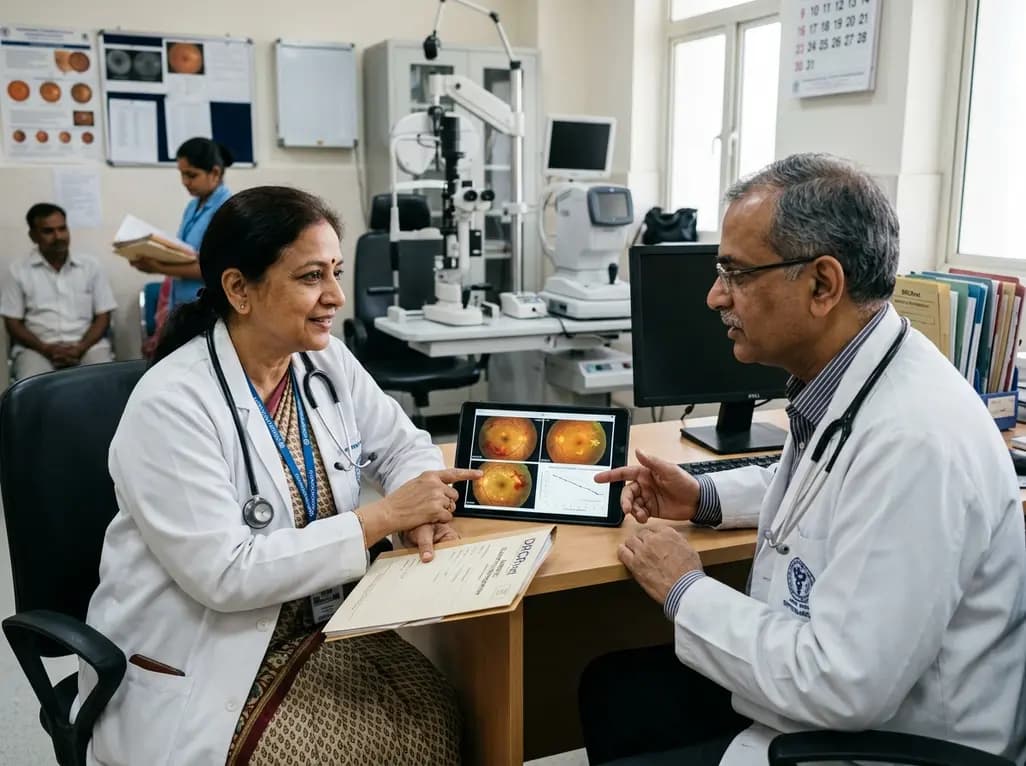
A comprehensive analysis of DRCRnet studies reveals that 15.1% of participants discontinue diabetic retinopathy clinical trials. Identifying baseline demographic and clinical predictors helps ophthalmologists and endocrinologists mitigate real-world treatment dropouts and protect long-term visual outcomes.
Yesterday
