.webp&w=384&q=75)

Loading, please wait...
Loading, please wait...

Pancreatic ductal adenocarcinoma remains one of the most lethal malignancies worldwide, demanding unprecedented analytical rigor and biological precision. Modern clinical management increasingly relies on sophisticated translational investigations to unveil actionable molecular targets. Consequently, meticulous pancreatic cancer sample handling serves as the vital foundation connecting surgical intervention, laboratory pathology, and high-throughput multi-omic discovery. Without rigorous pre-analytical standardisation, molecular degradation can easily obscure crucial genomic signatures and distort therapeutic insights.
Pre-analytical variability represents a primary source of error in molecular diagnostics and translational research. Pancreatic tissue is uniquely challenging because the organ contains abundant digestive enzymes and nucleases. Therefore, rapid post-resection ischaemia initiates accelerated tissue autolysis and enzymatic autodigestion. If clinicians fail to preserve biological specimens swiftly, cellular architecture degenerates within minutes. Furthermore, degraded ribonucleic acid and altered phosphoprotein profiles can invalidate downstream spatial profiling, RNA sequencing, and target validation. Consequently, standardising procurement workflows protects fragile molecular signals against irreversible degradation. Expert multidisciplinary panels emphasize that high diagnostic accuracy requires immediate sample stabilization. By controlling every variable from surgical devascularisation to final biobanking, pathologists ensure that genetic and transcriptomic signatures truly mirror baseline tumour biology. Additionally, standardized protocols establish technical reproducibility across different testing platforms. Standardisation ultimately bridges the persistent divide between routine clinical pathology and experimental biomarker innovation, guaranteeing reliable outcomes across diverse clinical settings.
Standardised biological sampling begins immediately inside the operating theatre during tumour resection. Surgical teams must accurately record both warm ischaemia and cold ischaemia intervals. Warm ischaemic time begins when surgeons ligate key arterial supplies, whereas cold ischaemia starts when they resect the surgical specimen. Therefore, operative teams must minimize delay before specimen transport. Operating theatre staff should transfer intact resection specimens to pathology immediately without formalin injection. When immediate transit is impossible, teams must maintain the specimen at four degrees Celsius in sterile containers. Moreover, dedicated pathologists should oversee tumour grossing to avoid disrupting critical surgical margins. Pathologists must sample both vital neoplastic tissue and matched non-tumour parenchyma for comparative sequencing. However, priority remains firmly anchored in definitive clinical staging and diagnostic margin evaluation. Thus, dedicated biobanking protocols must never compromise standard histopathological examination. Clear intraoperative communication between surgeons, circulating nurses, and pathology personnel guarantees smooth specimen handover and rapid tissue preservation.
Modern translational oncology demands versatile tissue preservation frameworks that accommodate diverse molecular analyses. Traditional formalin fixation effectively preserves morphology for routine immunohistochemistry. However, next-generation spatial transcriptomics, whole-genome sequencing, and mass spectrometry proteomics require specialized handling techniques. Therefore, tissue grossing protocols must divide representative specimens into distinct aliquots immediately. Technicians must snap-freeze tissue fragments in liquid nitrogen or slurry within thirty minutes of operative excision. Snap-freezing halts all metabolic enzymatic activity and prevents nucleic acid degradation. In contrast, researchers studying three-dimensional tumour architecture require fresh tissue preserved in buffered transport media. Furthermore, spatial molecular profiling requires optimal cutting temperature compounds for fresh-frozen sections. Buffered formalin fixation must strictly follow standard durations between six and forty-eight hours. Under-fixation leads to enzymatic autolysis, while over-fixation causes irreversible cross-linking that impairs DNA extraction. Consequently, strict adherence to validated fixation windows protects specimen viability across all downstream analytical platforms.
Precision oncology increasingly utilizes patient-derived organoids to evaluate therapeutic sensitivities and tumour biology dynamically. These living preclinical models demand live, viable neoplastic cells harvested under rigorous sterile conditions. Therefore, sample collection for organoid generation requires transport in specialized cold cell-culture medium containing antibiotics and antifungals. Research teams must process these tissue fragments within very short intervals to sustain cellular viability. Pathologists carefully select viable, non-necrotic tumour areas, as stromal desmoplasia and central necrosis impede organoid proliferation. Mechanical and enzymatic dissociation must balance tissue disaggregation with gentle cellular preservation. Furthermore, laboratories must establish comprehensive biobanking of matched organoid lines alongside frozen primary tissue and germline DNA. Matched biobanking validates that cultured organoids retain the true phenotypic and epigenetic characteristics of the patient. Consequently, standardized live-tissue handling empowers predictive pharmacogenomic profiling and accelerates tailored drug discovery in refractory pancreatic adenocarcinoma.
Translational advancements in pancreatic cancer require expansive multicentre collaborations supported by uniform repositories. Diverse biobanks often utilize conflicting extraction methods, which produces batch effects and prevents pooled data aggregation. Therefore, academic medical centres must adopt harmonized standard operating procedures across all procurement sites. Standardised electronic biobanking databases should capture detailed clinical annotations, neoadjuvant therapy details, ischaemic times, and precise storage coordinates. Moreover, robust ethical governance and informed patient consent protocols must underpin all sample collection activities. Centralized biobanks must implement routine quality control audits, evaluating nucleic acid integrity numbers and histological tumour content. Digital pathology platforms facilitate remote quality evaluation of companion frozen sections before costly sequencing commences. Consequently, institutional adherence to standardized guidelines elevates data reproducibility in global pancreatic cancer consortia. Harmonised biobanking infrastructures ultimately democratize access to rare clinical specimens and accelerate precision therapeutic developments.
Warm ischaemia represents the precise surgical duration between major vascular ligation and the physical excision of the tumour from the patient. Because pancreatic tissue contains dense concentrations of proteolytic enzymes, prolonged warm ischaemia accelerates autolysis and rapid molecular degradation. Therefore, surgical teams must systematically document and minimize this interval to ensure high-quality specimens for valid downstream molecular profiling.
Fixation duration critically influences molecular integrity in resected specimens. Fixation in neutral buffered formalin for less than six hours causes incomplete preservation and rapid RNA degradation. Conversely, exceeding forty-eight hours causes excessive formalin-induced cross-linking and nucleic acid fragmentation. Consequently, standardizing fixation between six and twenty-four hours guarantees reliable immunohistochemistry, target detection, and successful next-generation sequencing.
Successful biobanking depends on tight coordination across oncology, gastroenterology, surgery, and pathology teams. Surgeons facilitate rapid specimen transfer, while pathologists safely dissect tumour tissue without compromising clinical diagnostic margins. Meanwhile, laboratory technicians ensure immediate cryopreservation under controlled conditions. This structured teamwork eliminates pre-analytical delays, maintains specimen integrity, and ensures ethical governance for subsequent multi-omic translational investigations.
Disclaimer: This content is for informational and educational purposes only. It is not intended to provide medical advice, diagnosis, or treatment. Refer to the latest local and national guidelines for clinical practice.
References
Cappello P et al. AISP position statement: Standardising biological sample collection and handling for advanced diagnostics and multi-omic analyses in pancreatic cancer. Dig Liver Dis. 2026 Sep 12. doi: undefined. PMID: 42731958.
Societat Catalana de Pàncrees, Societat Catalana d'Anatomia Patològica. Position statement on the pathological assessment of pancreatic resection specimens in pancreatic ductal adenocarcinoma. Rev Esp Patol. 2026;59(3):180-192.
International Agency for Research on Cancer. Common Minimum Technical Standards and Protocols for Biological Resource Centres Dedicated to Cancer Research. Lyon: IARC Press; 2020.

Read summarized clinical updates, watch expert medical content, and earn CME certifications right from your smartphone.
Open your smartphone camera to scan and install.





The AISP consensus provides standardized guidelines for pancreatic ductal adenocarcinoma sample collection, processing, and biobanking to support advanced multi-omic profiling.
Today
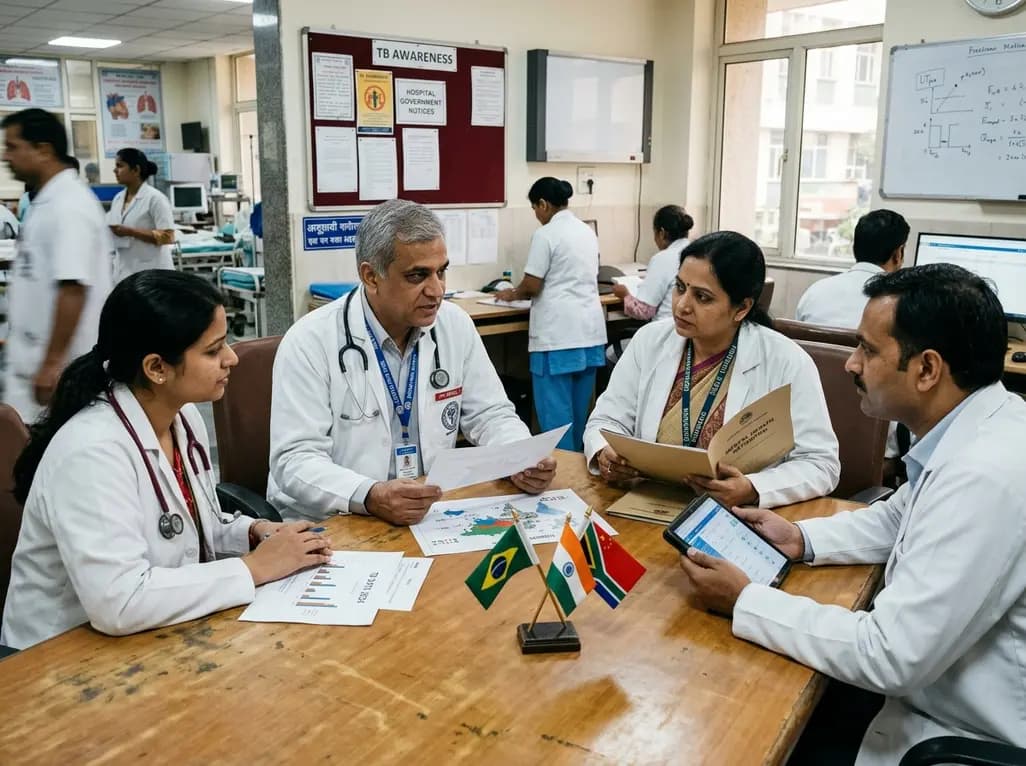
At the New Delhi Summit, BRICS leaders adopted a landmark declaration committing member nations to united action against tuberculosis, non-communicable diseases, and future pandemic threats. Key actions include NIMHANS-led mental health networks, digital health architectures, and evidence-based integrative medicine.
Today
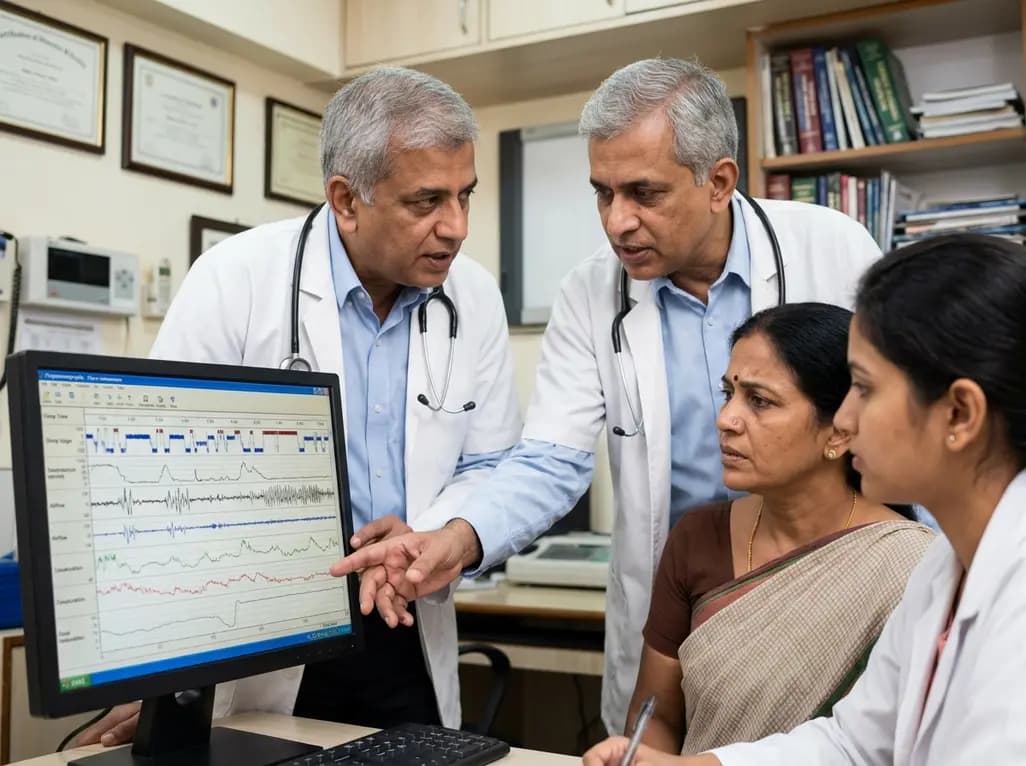
Perimenopausal obstructive sleep apnea often goes undetected due to atypical polysomnographic presentations and symptom overlap with menopause. This review details its neurocognitive mechanisms, polysomnography markers, and precision management strategies.
Today
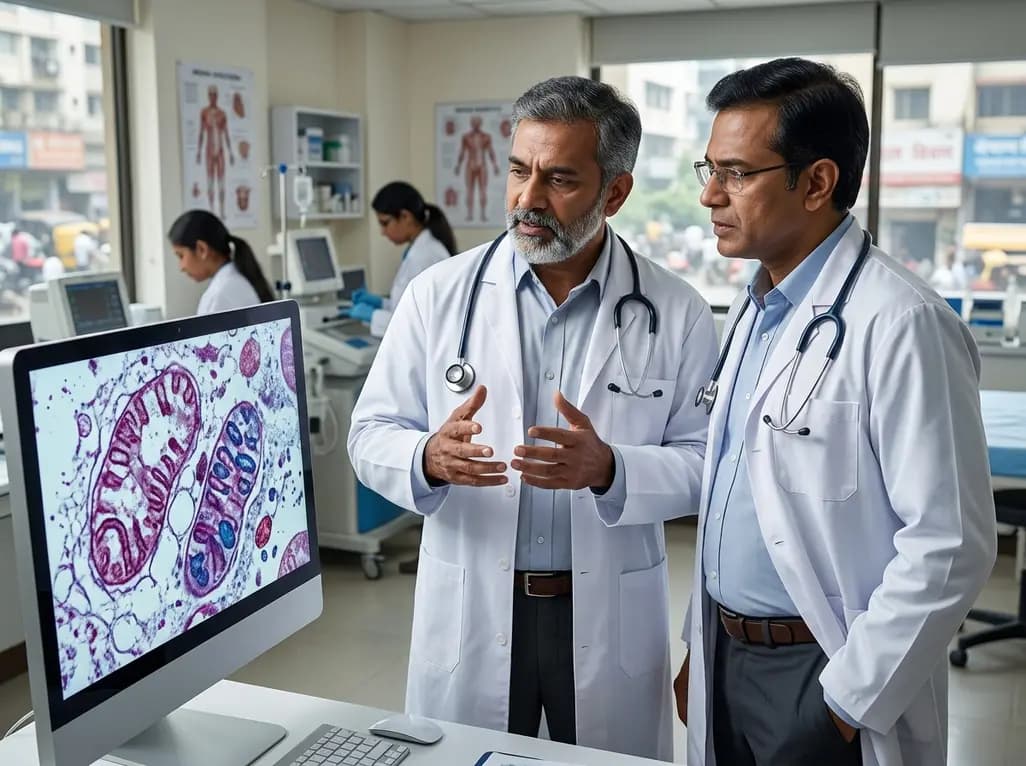
Mitochondrial deubiquitinases regulate organelle turnover by editing ubiquitin tags on damaged mitochondria. Discover how targeting these enzymes, notably USP30, offers therapeutic strategies for neurodegenerative, cardiovascular, and metabolic disorders.
Today
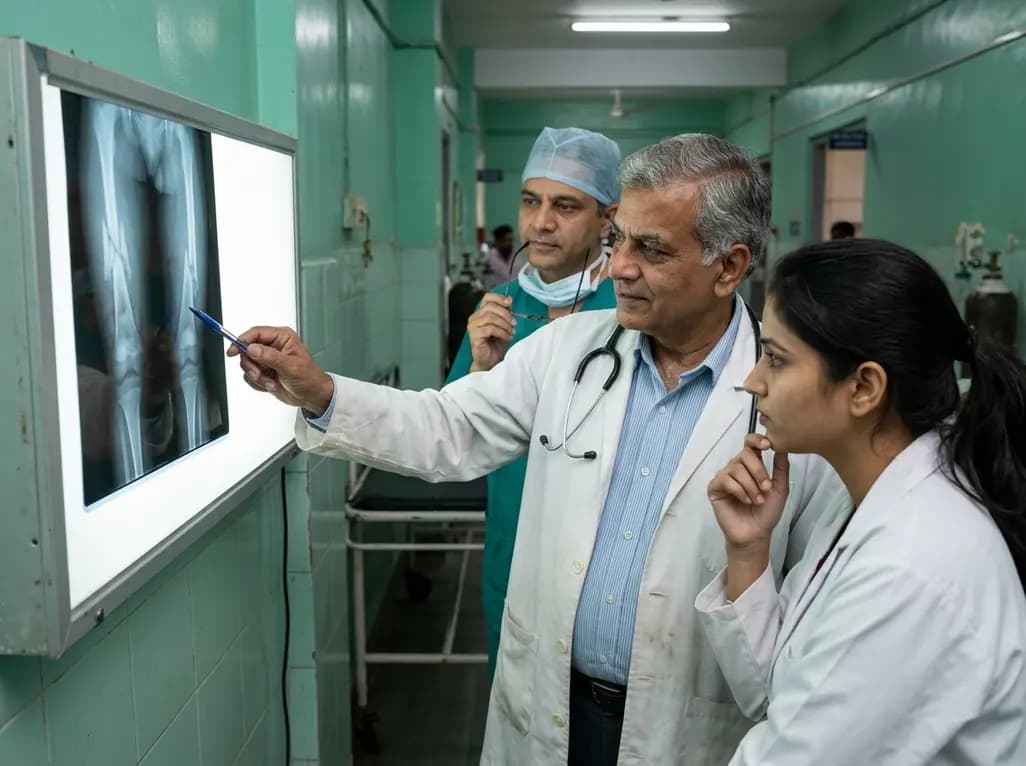
A rare case of a pediatric pathological femoral fracture caused by occult telangiectatic osteosarcoma demonstrates the risks of misdiagnosis after trauma, where intramedullary nailing prompted iatrogenic tumor dissemination and required modular total endoprosthetic reconstruction.
Today
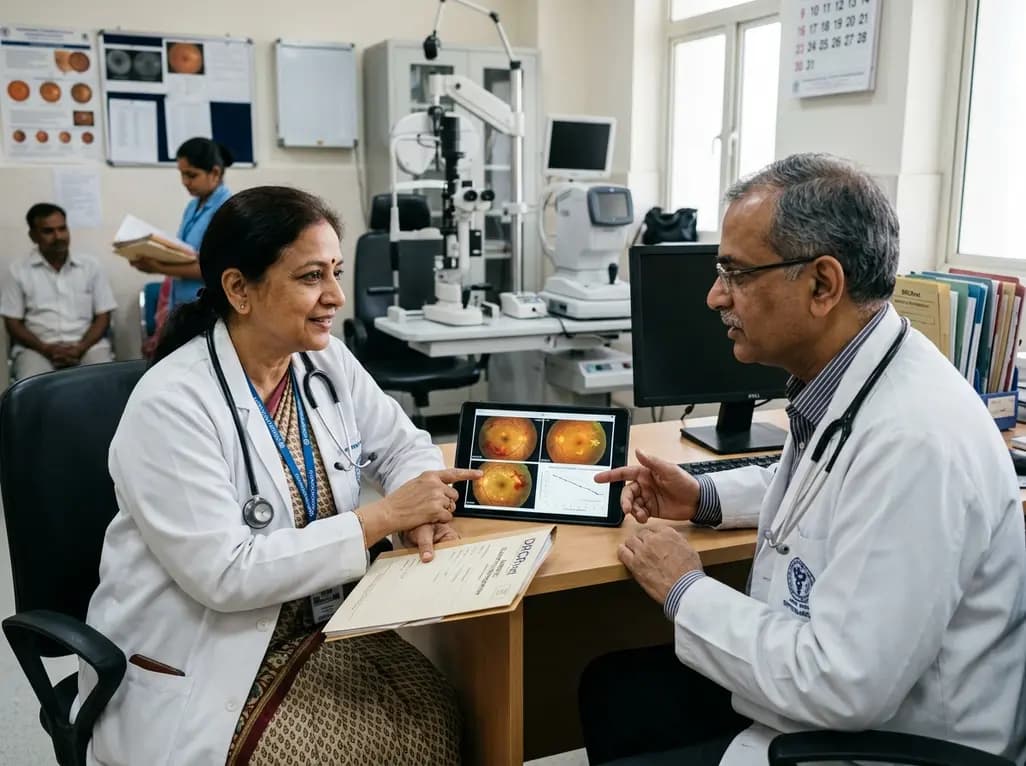
A comprehensive analysis of DRCRnet studies reveals that 15.1% of participants discontinue diabetic retinopathy clinical trials. Identifying baseline demographic and clinical predictors helps ophthalmologists and endocrinologists mitigate real-world treatment dropouts and protect long-term visual outcomes.
Yesterday
