.webp&w=384&q=75)

Loading, please wait...
Loading, please wait...
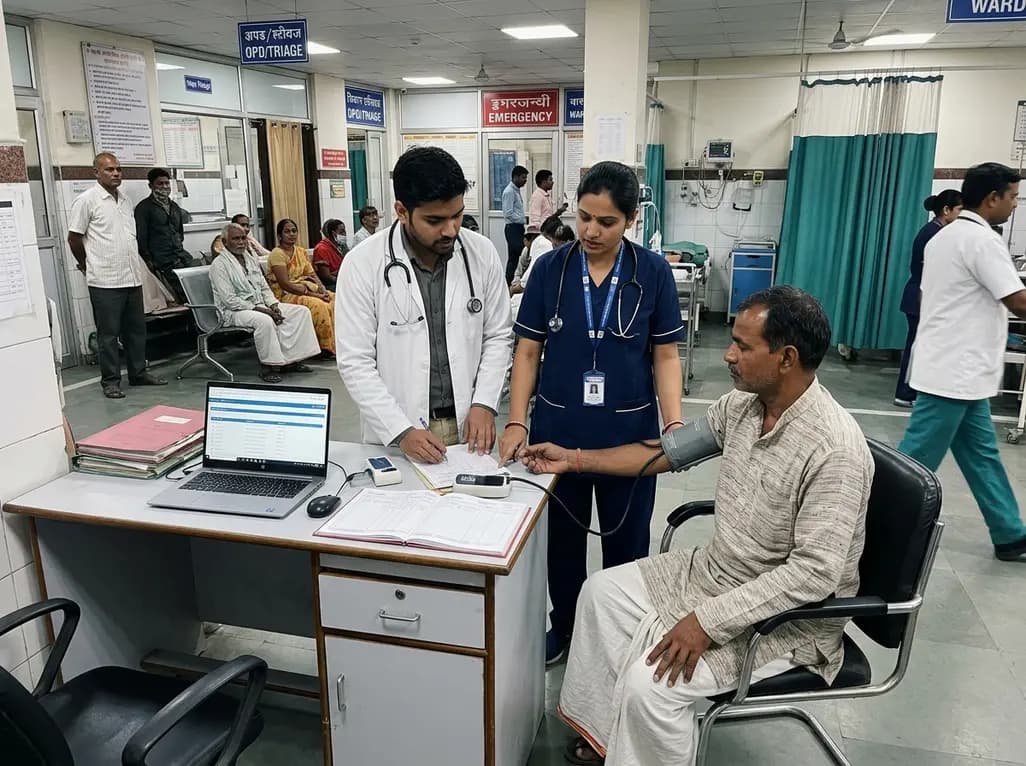
Emergency department overcrowding poses an urgent global healthcare challenge that directly compromises clinical outcomes, lengthens patient wait times, and accelerates healthcare worker burnout. While high-volume tertiary care centers frequently test operational innovations, smaller community centers face unique operational constraints. In particular, adopting a vertical flow model offers a practical operational solution to streamline patient throughput without requiring expensive physical expansions. Under traditional triage pathways, patients often wait horizontally on valuable acute beds while awaiting diagnostic results or initial provider reviews. In contrast, vertical workflows stratify ambulatory individuals to remain seated comfortably upright throughout diagnostic workups. Consequently, emergency departments can preserve critical stretcher beds for unstable, high-acuity presentations. In resource-limited rural environments, clinicians must balance unpredictable surge volumes against fixed staffing rosters and limited provider coverage. Implementing evidence-based throughput frameworks therefore helps bridge the gap between heavy patient demand and resource limitations. Ultimately, tailoring ambulatory patient streaming pathways empowers clinical staff to optimize operational efficiency, enhance patient safety, and deliver timely emergency care across diverse community settings.
The vertical flow model operates on the clinical principle that ambulatory patients do not require horizontal stretchers to receive high-quality medical evaluation. Instead, staff members seat medically stable patients in designated comfortable chairs or modified vertical areas while initiating laboratory testing, imaging, and early interventions. Consequently, this method dramatically reduces unnecessary stretcher occupancy and accelerates total patient throughput across the department. Traditional emergency workflows routinely place non-critical patients into private rooms or stretchers where they remain idle during diagnostic turnaround intervals. As a result, arriving ambulances face offload delays and incoming high-acuity patients encounter dangerous bottlenecks. In contrast, vertical processing pathways designate distinct clinical spaces, such as converted waiting lounges or sub-waiting zones, to maintain continuous clinical momentum. Furthermore, nursing teams can monitor vital signs, draw blood specimens, and administer initial oral therapies while patients remain seated upright. Therefore, vertical management preserves physical emergency beds for resuscitation and complex procedural interventions. By decoupling physical bed availability from clinical initiation, medical departments systematically decrease door-to-provider intervals, minimize left-without-being-seen occurrences, and optimize departmental capacity during high-demand operating hours.
Rural emergency facilities face specific logistical challenges that distinguish them from large urban trauma centers. For instance, rural hospitals typically operate with single-coverage physician schedules, limited on-site diagnostic specialists, and lean nursing complements. Therefore, implementing a vertical flow framework requires tailored modifications driven directly by front-line healthcare staff. In a recent quality improvement initiative, clinical educators evaluated staff perceptions using structured surveys to identify existing throughput bottlenecks. Notably, nearly three-quarters of surveyed clinicians rated their departmental patient flow poorly, highlighting prolonged door-to-provider times and delayed discharge orders as major operational barriers. To overcome these specific challenges, the team developed a modified staff-led policy that repurposed existing waiting room areas into functional vertical flow spaces. Furthermore, because dedicated provider coverage was limited during surge periods, the interdisciplinary team revised the operational protocol to incorporate nurse-initiated order sets at triage. Departmental leadership subsequently approved this customized policy, confirming that front-line clinical engagement remains crucial when adapting operational innovations to community hospital environments.
Nurse-initiated triage protocols serve as the operational engine for successful vertical patient streaming in community facilities. When an ambulatory patient arrives during peak operating hours, the triage nurse rapidly assesses acuity using standardized clinical criteria. If the patient qualifies for vertical management, the nurse immediately activates approved protocol orders before the primary physician evaluation occurs. Consequently, phlebotomy, electrocardiograms, and plain radiography proceed without unnecessary administrative delays. This proactive methodology substantially shortens diagnostic turnaround times and prepares critical data points prior to provider consultation. In addition, standardized protocols reduce cognitive burdens on solo rural physicians by streamlining routine clinical pathways for common presenting complaints. However, facilities must maintain strict exclusion criteria to ensure patient safety. Patients demonstrating hemodynamic instability, severe altered mental status, active chest pain requiring continuous telemetry, or airborne isolation needs must bypass vertical areas entirely. By pairing robust triage decision-making algorithms with nurse-driven clinical protocols, emergency teams ensure prompt therapeutic interventions while maintaining strict safety standards.
Rigorous clinical evaluations demonstrate that implementing vertical streaming models produces marked improvements across key performance indicators. When comparing institutional metrics six months before and six months after protocol implementation, hospitals observe substantial reductions in overall length of stay. Moreover, the proportion of patients who leave without being seen drops significantly, directly mitigating serious medical-legal and safety liabilities. When ambulatory individuals receive prompt initial triage evaluations and early diagnostic testing, they experience greater confidence in their care plan and show higher overall satisfaction. Additionally, shorter waiting intervals prevent clinical deterioration in unrecognized evolving conditions. From an organizational perspective, maximizing throughput efficiency enhances revenue recovery and lowers overhead costs associated with clinical delays. Furthermore, front-line nursing and medical staff report reduced moral injury and occupational burnout when departmental crowding subsides. Ultimately, these measurable outcomes confirm that structured vertical care models enhance clinical efficacy, bolster patient retention, and foster sustainable operational workflows in rural healthcare ecosystems.
Healthcare leaders seeking to implement vertical throughput pathways must adopt structured change management practices to ensure long-term operational success. First, clinical departments must establish interdisciplinary working groups that unite nursing personnel, emergency physicians, radiology technicians, and administrative leadership. Second, facilities must define explicit operational hours for vertical areas, typically aligning deployment with predictable afternoon and evening arrival surges. Furthermore, ongoing staff education and simulation drills help reinforce inclusion criteria, protocol compliance, and rapid escalation procedures. Leadership should also track operational dashboard metrics in real time, focusing on arrival-to-provider times, length of stay, and bed utilization rates. Regular feedback loops enable staff members to refine clinical protocols and address emerging bottlenecks promptly. In addition, maintaining transparent communication with patients regarding vertical care pathways manages expectations and fosters patient trust. By systematically embedding these best practices into hospital policy, clinical leaders can build resilient emergency care environments capable of managing surging volumes without compromising clinical quality.
The vertical flow model is an innovative operational strategy that manages stable, ambulatory emergency patients in seated chairs rather than traditional horizontal stretchers. By initiating nursing assessments, diagnostic tests, and provider consultations while patients remain upright, this model preserves acute stretcher beds for severe emergencies, accelerates departmental throughput, and substantially shortens patient waiting times across diverse hospital settings.
Nurse-initiated protocol orders empower triage nurses to order predefined laboratory tests, electrocardiograms, and diagnostic imaging immediately upon patient arrival. Consequently, this approach minimizes idle waiting time while awaiting physician availability. Diagnostic workups proceed concurrently in the vertical flow area, allowing emergency providers to review completed test results rapidly and make swift disposition decisions during high-volume clinical shifts.
Stable, ambulatory patients classified under lower or moderate triage acuity scores are ideal candidates for vertical processing pathways. Typical presenting complaints include minor orthopedic injuries, mild extremity trauma, localized soft-tissue infections, simple allergic reactions, and uncomplicated upper respiratory symptoms. Conversely, patients requiring continuous telemetry, immediate resuscitation, intravenous sedation, or airborne isolation precautions must receive care in traditional acute treatment beds.
Disclaimer: This content is for informational and educational purposes only and is not intended to substitute for professional medical advice, diagnosis, or treatment. Medical knowledge is constantly evolving. Always seek the advice of a qualified healthcare provider with any questions you may have regarding a medical condition or clinical practice. Refer to the latest local and national guidelines for clinical practice.
References

Read summarized clinical updates, watch expert medical content, and earn CME certifications right from your smartphone.
Open your smartphone camera to scan and install.





Emergency department overcrowding threatens patient safety and increases staff burnout. Adapting a staff-led vertical flow model with nurse-driven triage protocols in rural hospitals successfully decreases patient length of stay and reduces rates of patients leaving without being seen.
last month
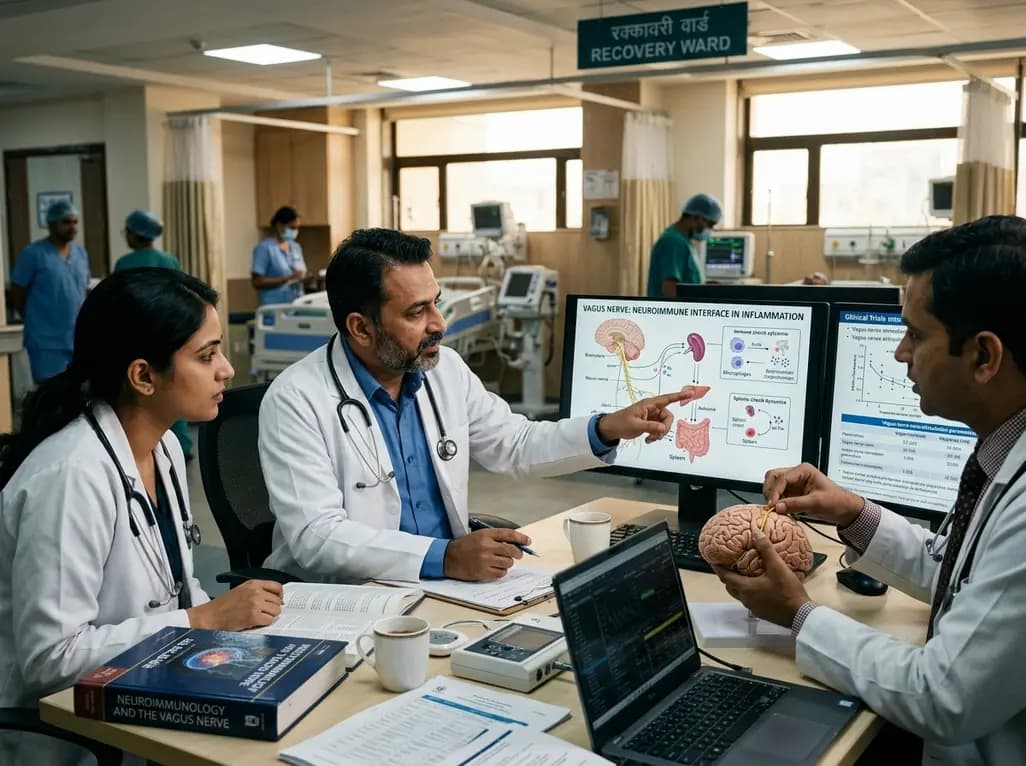
A review examines how vagal neuroimmune circuits link the brain and immune system, sensing cytokine surges and dampening peripheral inflammation. Bioelectronic medicine harnesses these pathways to provide targeted, non-pharmacological therapies for chronic inflammatory and autoimmune diseases.
Today
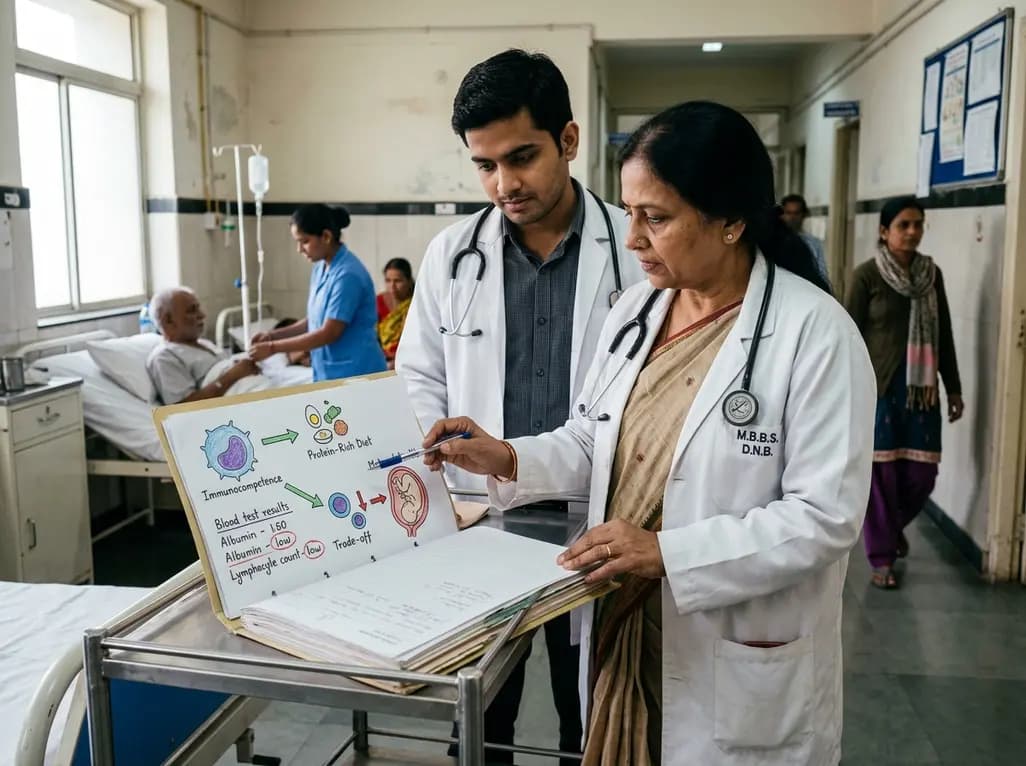
Explore the crucial link between dietary protein and immunocompetence. This review examines how low-protein nutrition shifts metabolic resources away from pathogen defense toward early reproduction, compromising host survival and immunity against severe bacterial infections.
Today
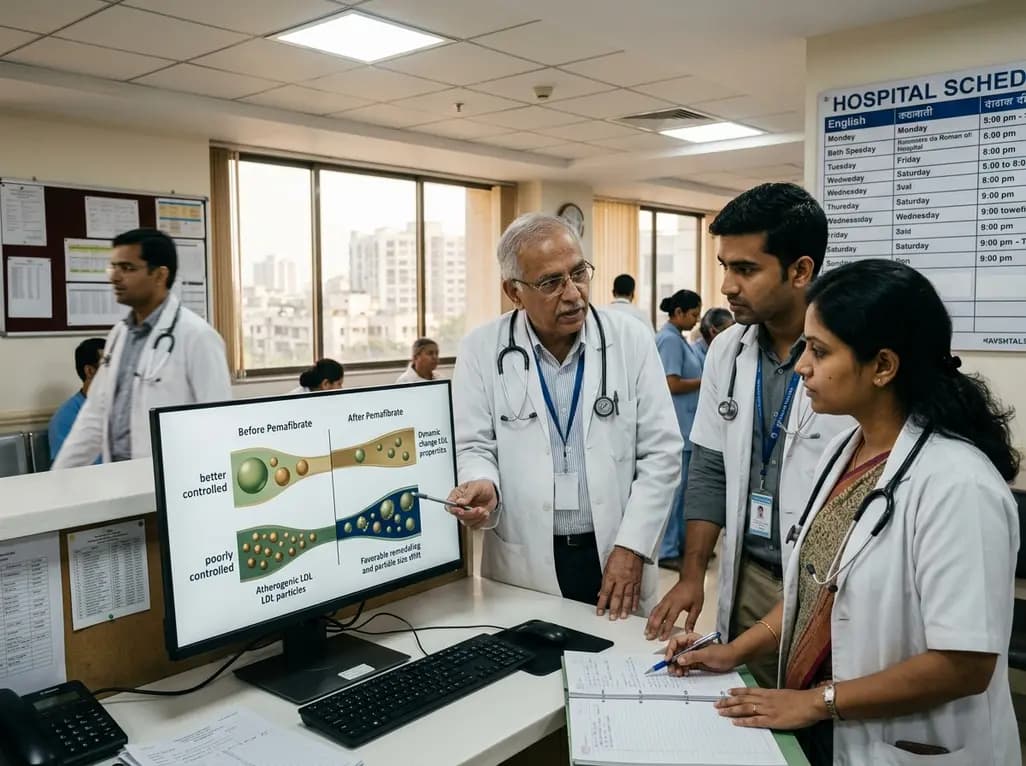
A post hoc analysis of the PARM-T2D study shows pemafibrate exerts baseline-dependent effects on LDL-C and particle size in type 2 diabetes and hypertriglyceridemia. It lowers triglycerides and remnants while favorably remodeling atherogenic LDL particles based on initial lipid control status.
Today
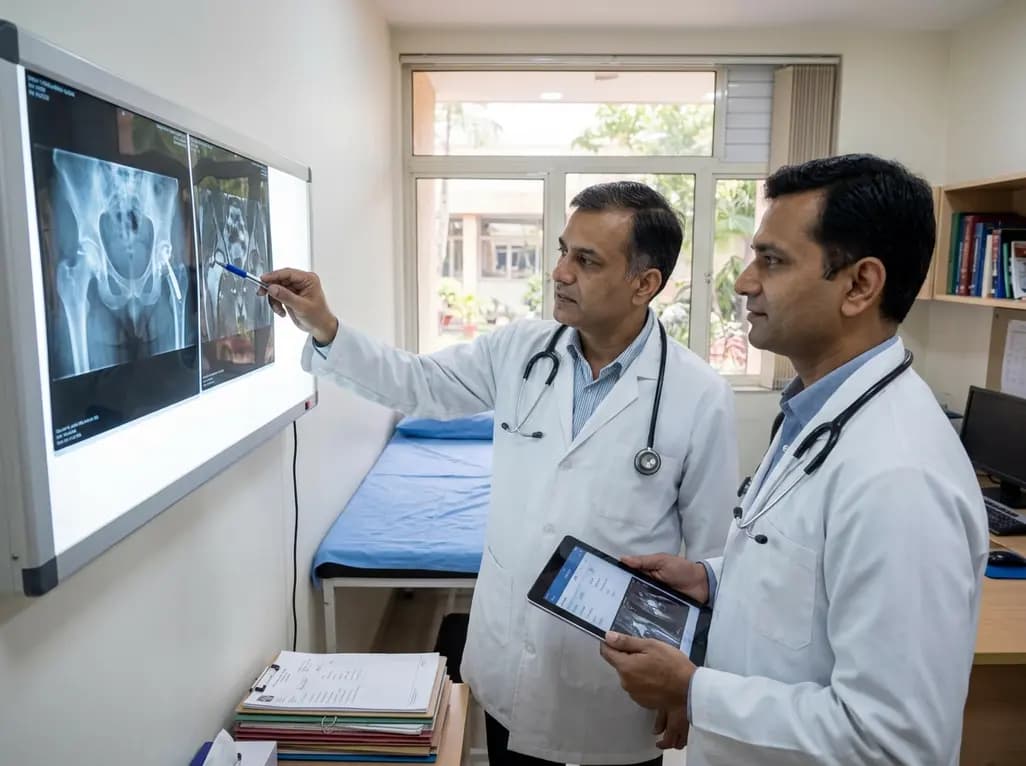
A longitudinal study reveals that patients undergoing staged bilateral hip arthroscopy experience progressive contralateral labral deterioration during surgical intervals. However, structural degradation does not compromise 2-year postoperative clinical outcomes or patient-reported satisfaction scores.
Today
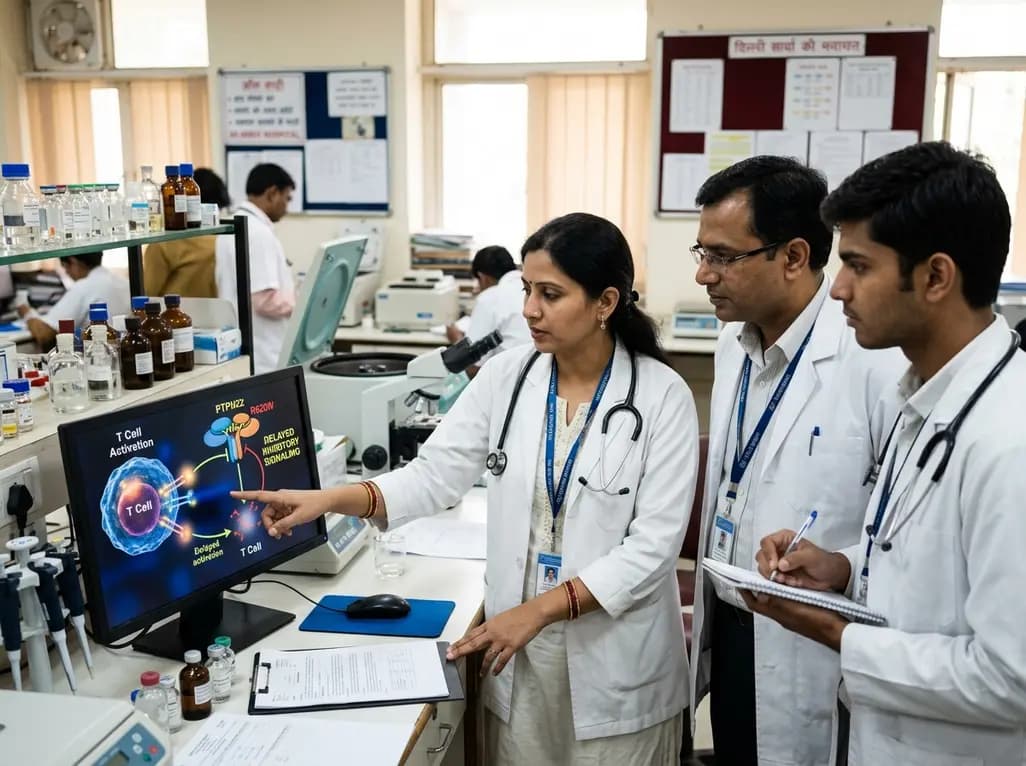
New immunological research reveals how PTPN22 forms a delayed inhibitory signaling complex to restrain T cell activation, explaining how the autoimmune-linked R620W variant disrupts feedback control and promotes persistent inflammation in conditions like rheumatoid arthritis and type 1 diabetes.
Today
