.webp&w=384&q=75)

Loading, please wait...
Loading, please wait...

Spinal disorders produce massive disability globally, yet access to subspecialty surgical intervention remains deeply limited across underserved communities. Consequently, humanitarian programs frequently deploy volunteer surgical delegations to address urgent clinical deficits. Well-coordinated spine surgery missions can meaningfully mitigate severe healthcare disparities. However, short-term outreach initiatives frequently face formidable structural obstacles without meticulous advance coordination. Achieving sustainable clinical success demands robust logistical planning, financial transparency, relational trust, and cultural competence.
Every effective surgical initiative begins with meticulous financial modeling and clear resource allocation. International outreach projects inherently incur heavy logistical expenditures, including freight shipping, malpractice insurance, customs fees, and consumable procurement. Therefore, organizers must secure diversified funding sources early in the planning process. Furthermore, absolute financial transparency prevents misunderstandings between donor foundations, charitable partners, and host hospital systems. Program directors should share itemized operational budgets with local administrators before finalizing clinical agreements.
Additionally, surgical leaders must account for hidden costs that frequently derail humanitarian budgets. For example, unexpected customs tariffs, regional transport fees, and prolonged inpatient stays can deplete contingency funds rapidly. Consequently, teams must establish dedicated reserves to handle perioperative complications without burdening vulnerable patients financially. In addition, institutions should link philanthropic donations directly to specific clinical objectives. Ultimately, proactive financial stewardship establishes mutual trust and protects host hospitals from unexpected economic liabilities. Moreover, systematic accounting ensures that every philanthropic rupee or dollar directly optimizes patient outcomes.
Procuring surgical instrumentation and specialized spinal hardware presents formidable hurdles in low-resource environments. Operating rooms in developing healthcare systems frequently lack basic implants, fine microdissection tools, disposable sterile drapes, and modern fluoroscopy systems. Consequently, international missions must coordinate robust supply chains months before operative deployment. Visiting teams should catalog all pedicle screw sets, connecting rods, crosslinks, and bone graft substitutes meticulously. Furthermore, biomedical technicians must test local electrical connections and sterilizing autoclaves in advance to ensure flawless equipment operation.
Nevertheless, shipping hold-ups, customs bureaucracies, and damaged devices represent unavoidable realities during global healthcare outreach. Therefore, surgical teams must maintain functional redundancy across all vital instruments. Specifically, organizers should bring universal drill attachments, manual screwdrivers, interchangeable retractors, and spare sterilization containers. In addition, hospital leaders must implement strict tracking protocols for loaner trays and consigned devices to prevent expensive losses. When visiting clinicians partner closely with local central sterile supply departments, perioperative throughput improves dramatically. Ultimately, disciplined logistics protect operating room schedules and minimize intraoperative delays.
Operating in unfamiliar environments requires heightened surgical vigilance and exceptional technical flexibility. Complex spinal decompression and deformity correction carry substantial risks, including major vascular injury, dural tears, and permanent neurological deficits. However, resource-limited operating rooms rarely possess sophisticated adjuncts such as continuous neuromonitoring, intraoperative CT guidance, or cell salvage units. Consequently, surgeons must rely upon thorough anatomical knowledge, tactile feedback, and conventional freehand techniques. In addition, anesthesia teams must maintain hemodynamic stability diligently without advanced arterial monitoring lines or transesophageal echocardiography.
Furthermore, surgical teams must adapt quickly when baseline hospital infrastructure falters during delicate operative steps. For instance, sudden electrical fluctuations, fluid supply failures, or suction dropouts demand calm, well-rehearsed contingency protocols from all operating room personnel. Surgeons should therefore discuss emergency salvage plans with local anesthesiologists and nursing staff before commencing surgery. Moreover, operative teams must exercise strict hemostatic discipline to conserve scarce local blood bank resources. Limiting procedural duration through coordinated surgical pacing decreases anesthetic exposure and deep infection rates. Ultimately, deliberate intraoperative flexibility preserves patient safety across austere surgical landscapes.
Patient triage constitutes perhaps the most morally complex dimension of humanitarian surgical campaigns. Because community demand for spine interventions dramatically surpasses available operating capacity, visiting clinicians encounter hundreds of disabled patients seeking urgent care. However, selecting surgical candidates based on technical curiosity or procedural novelty represents an unacceptable ethical error. Instead, multidisciplinary teams must prioritize patients whose physical independence and employment capacity can improve substantially through single-stage interventions. Furthermore, clinicians must ensure that domestic facilities possess sufficient infrastructure for comprehensive postoperative recuperation.
Consequently, visiting surgeons should avoid undertaking exceedingly high-risk procedures that demand extended intensive care stays or mechanical ventilation. In limited-resource settings, consuming scarce intensive care resources for one patient inadvertently compromises general hospital capacity. In addition, transparent communication with patients and families remains imperative throughout clinical evaluation. Surgical teams must deliver candid prognoses and discuss potential complications through native-speaking healthcare translators. Moreover, local surgeons must hold definitive veto power during triage conferences. Ultimately, collaborative screening balances compassionate care with societal welfare, guaranteeing durable clinical benefits.
Unidirectional surgical aid models are fundamentally insufficient for creating enduring health system enhancements. Historically, visiting delegations conducted high volumes of procedures and departed abruptly, leaving host teams to handle intricate complications without adequate guidance. In contrast, modern outreach initiatives emphasize bilateral collegiality, longitudinal mentorship, and systemic capability building. Local surgeons, orthopedic residents, anesthesiologists, and ward nurses should actively engage throughout preoperative planning, operative execution, and postoperative management. Consequently, shared operative cases convert routine surgical procedures into high-value bilateral training experiences.
Furthermore, visiting specialists should conduct structured didactic seminars, case-based conferences, and practical simulation sessions throughout each outreach campaign. These collaborative academic forums clarify advanced surgical techniques and reinforce evidence-based clinical practices among local practitioners. Similarly, joint clinical research initiatives enable domestic surgeons to document regional disease burdens and assess local therapeutic outcomes accurately. Over successive collaborative visits, structured institutional partnerships empower host departments to perform complex spinal procedures autonomously. Ultimately, genuine mission success reflects the domestic hospital’s clinical self-reliance rather than transient surgical statistics.
Multidisciplinary teams prioritize patient selection by evaluating individual surgical feasibility, anticipated functional recovery, and local rehabilitation capacity. Rather than attempting exceedingly complex, multi-stage deformities that require prolonged intensive care, surgeons favor definitive, single-stage procedures with predictable outcomes. Furthermore, clinicians collaborate closely with local healthcare providers to ensure that prospective candidates can safely access post-discharge follow-up, medications, and physical therapy within their domestic communities.
Organizing teams mitigate hardware shortages by conducting pre-trip inventory assessments and establishing standardized equipment checklists months in advance. Surgical groups coordinate directly with hospital biomedical staff to verify electrical compatibility, gas connections, and autoclave cycles. Additionally, clinicians pack manual backup instruments, universal connectors, and spare implant trays to prepare for device malfunctions. These redundant supply strategies prevent catastrophic intraoperative delays whenever unexpected equipment failures or supply interruptions emerge.
Visiting teams foster lasting development by prioritizing education, bilateral mentorship, and institutional collaboration over sheer operative numbers. International faculties lead structured didactic lectures, scrub alongside local trainees, and review complex radiographic imaging jointly. Furthermore, supporting regional research endeavors and co-authoring scientific publications helps host institutions evaluate epidemiological trends. By investing heavily in domestic healthcare professionals, outreach initiatives strengthen local surgical autonomy and expand high-level spinal care capabilities permanently.
Disclaimer: This content is for informational and educational purposes only... Refer to the latest local and national guidelines for clinical practice.
References

Read summarized clinical updates, watch expert medical content, and earn CME certifications right from your smartphone.
Open your smartphone camera to scan and install.





Spine surgery missions in low-resource settings bridge global healthcare gaps when executed with ethical rigor, meticulous logistics, and sustained local partnerships. Learn key practical strategies for financial planning, equipment procurement, patient selection, and bilateral surgical education.
Today
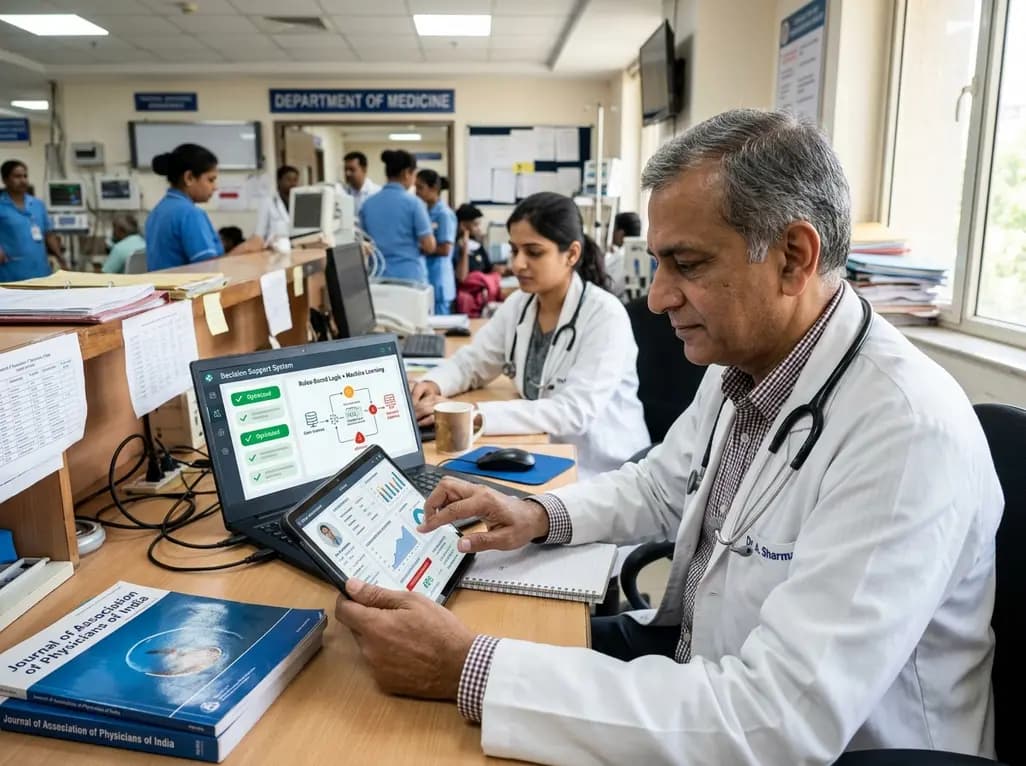
A multicenter study validates a hybrid clinical decision support system combining rule-based logic and machine learning to optimize anticoagulant prescription reviews, reducing alert fatigue and intercepting prescribing errors.
Today
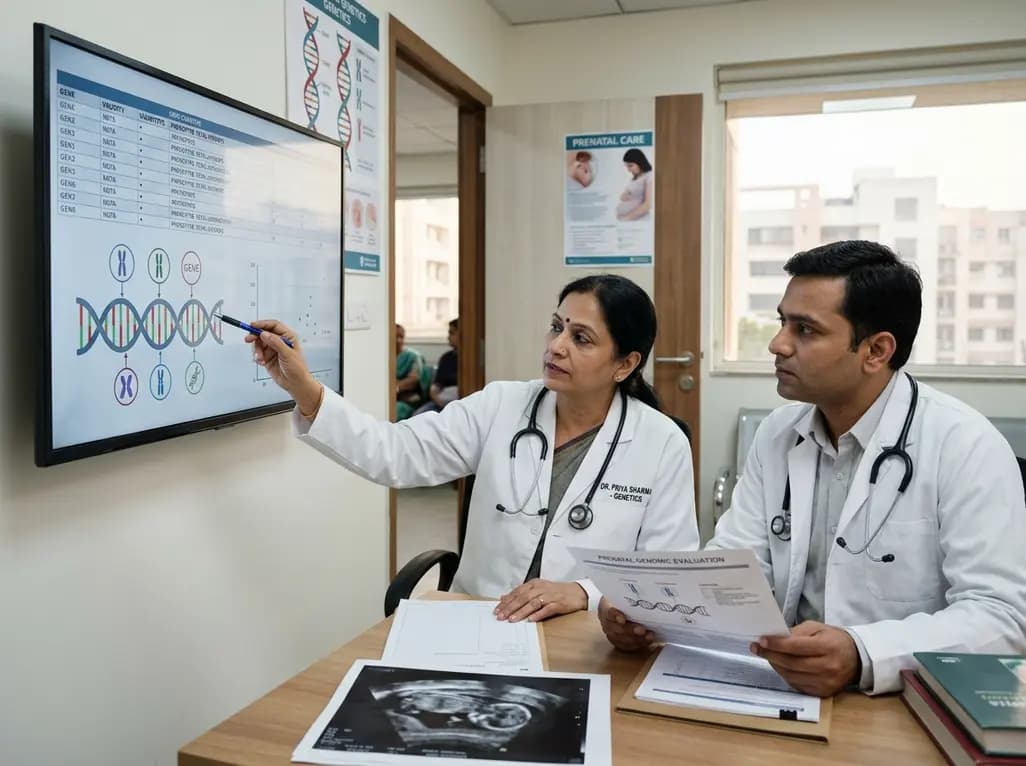
The ClinGen Prenatal Gene Curation Expert Panel evaluated 63 disease relationships across 61 genes, establishing clinical validity for severe fetal phenotypes like hydrops and stillbirth to enhance prenatal genomic interpretation and clinical care.
Today
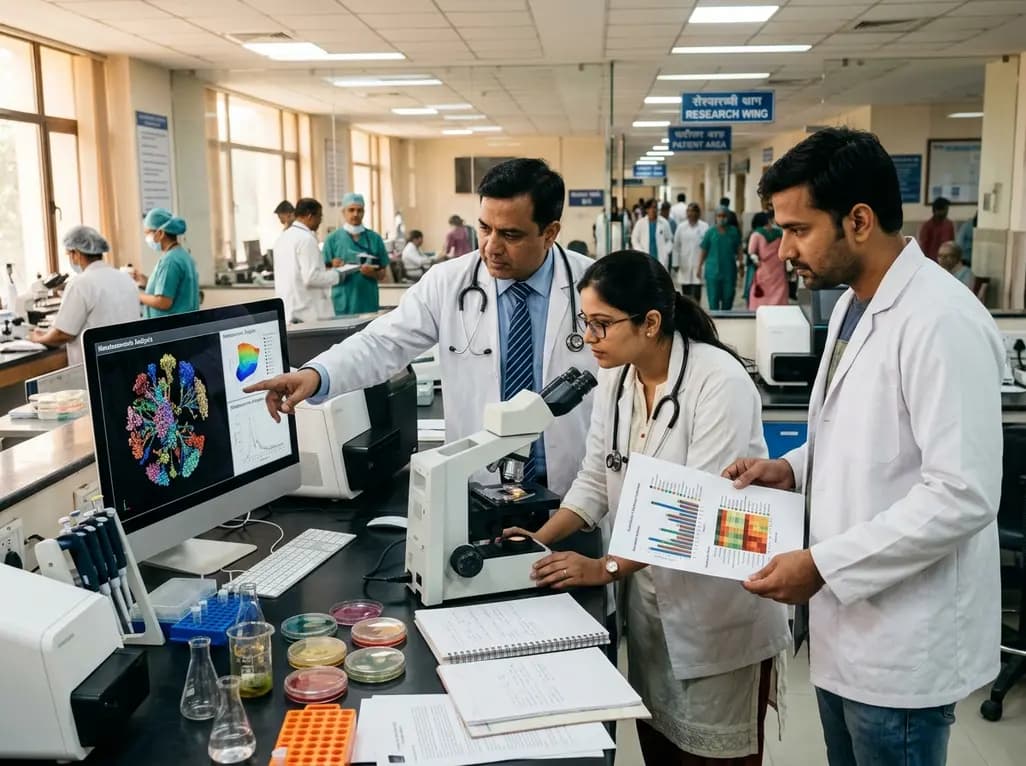
A metataxonomic study reveals distinct gut bacteriome biomarkers in type 2 diabetes, obesity, and cardiovascular complications, identifying specific bacterial shifts that pave the way for precision metabolic medicine.
Today
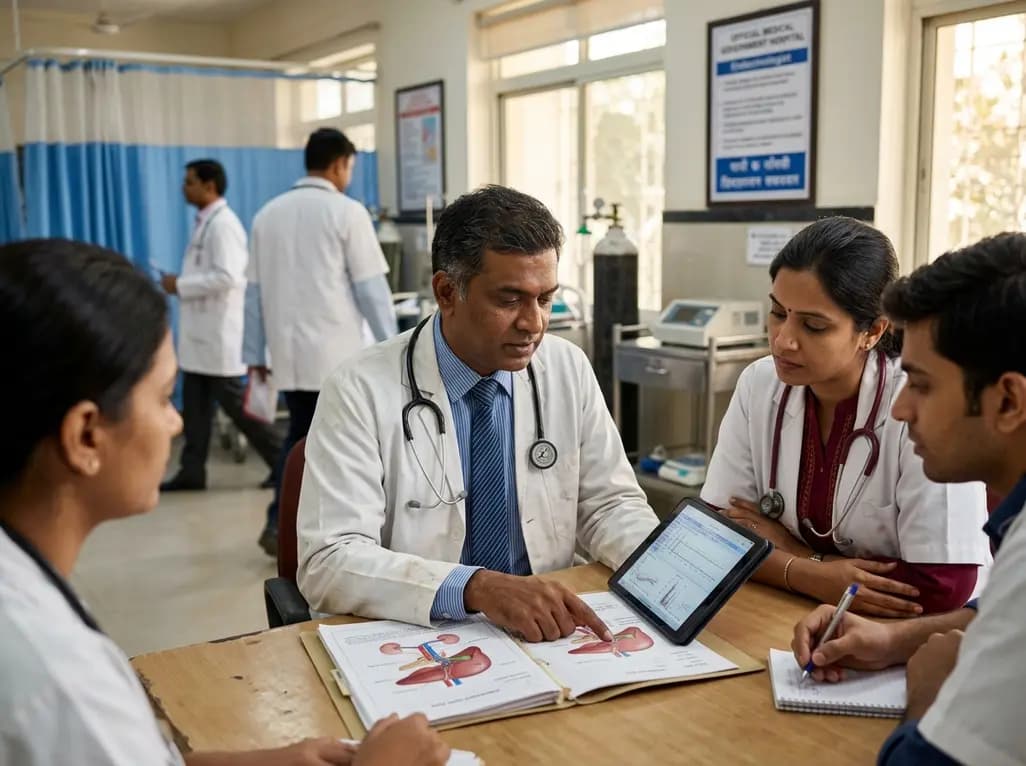
Clinical guidelines rely heavily on isolated biomarkers like IGF-1 and HbA1c. However, portal insulin delivery fundamentally gates hepatic growth hormone sensitivity. This physiological continuum unites type 1 and type 2 diabetes, obesity, cirrhosis, and acromegaly, challenging conventional treatment strategies.
Today
