.webp&w=384&q=75)

Loading, please wait...
Loading, please wait...
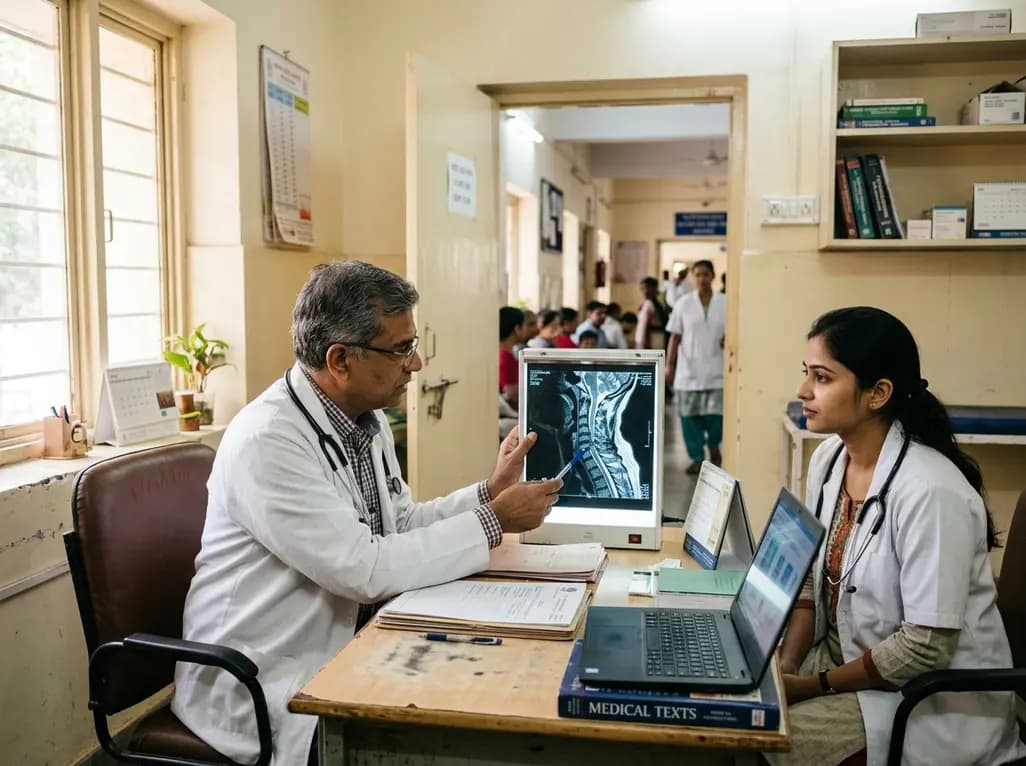
Cervical spondylotic myelopathy represents the leading etiology of non-traumatic spinal cord impairment among adults worldwide. As spinal degeneration progresses, compression of the cervical cord often produces subtle sensory deficits, loss of fine motor control, and progressive gait imbalance. Clinicians frequently encounter diagnostic challenges because early symptoms mimic standard musculoskeletal neck pain or peripheral neuropathies. Consequently, many individuals experience substantial diagnostic and treatment delays before receiving specialized surgical evaluation.
Recent investigations underscore that social determinants of health powerfully dictate clinical trajectories in spine surgery. Factors such as geographic location, neighborhood-level socioeconomic distress, employment status, and insurance coverage alter health access and disease progression. When patients present late, irreversible spinal cord damage and myelomalacia may develop, which drastically impairs postoperative neurological recovery.
Therefore, understanding how socioeconomic barriers shape baseline disease severity is essential for improving clinical outcomes. A major cohort study evaluated the distinct influences of race, rurality, and neighborhood deprivation on patient presentation. By analyzing these socioeconomic variables alongside validated functional scales, researchers uncovered striking associations between geographic isolation, social vulnerability, and advanced neurological dysfunction at the initial surgical encounter.
Degenerative cervical spine conditions frequently progress over months or years, yet social vulnerabilities heavily modify patient pathways. In this retrospective cohort study, investigators examined 490 consecutive patients undergoing spine surgery for degenerative cervical myelopathy between 2010 and 2022. The patient population had a mean age of 60.3 years, providing a representative cross-section of adult spine disease.
The researchers assessed socioeconomic status through the Area Deprivation Index, which incorporates seventeen neighborhood-level indicators of poverty, housing quality, education, and employment. Additionally, the team gathered detailed patient-level metrics, including race, rural versus urban residence, health insurance type, and employment status. They utilized multivariable regression models to isolate the specific impact of these socioeconomic determinants on disease severity and time to initial presentation.
Importantly, the findings revealed that social and geographic variables significantly influenced the clinical stage at which patients sought surgical consultation. While clinical care often focuses exclusively on anatomical imaging and surgical technique, these data show that systemic socioeconomic factors dictate baseline neurological impairment. Consequently, clinicians must recognize that social vulnerability frequently delays medical evaluation, leading to more profound neurological compromise before any intervention occurs.
Geographic rurality emerged as one of the strongest independent predictors of advanced myelopathy severity at initial presentation. Specifically, patients residing in rural communities experienced more than double the odds of presenting with higher Nurick scores. Furthermore, rural residence independently correlated with significantly lower modified Japanese Orthopedic Association scores, demonstrating substantial motor, sensory, and sphincter dysfunction.
Moreover, rural patients encountered marked delays in specialist presentation compared to their urban counterparts. The multivariable time-to-presentation analysis confirmed that rural residency substantially lengthened the duration between initial symptom onset and definitive surgical evaluation. Several structural factors explain this critical disparity. Rural communities often face severe shortages of spine specialists, limited access to advanced diagnostic imaging like magnetic resonance imaging, and major transportation hurdles.
Consequently, rural patients frequently endure prolonged periods of unmanaged cord compression. Because cervical spondylosis progresses over time, these systemic delays convert manageable mild myelopathy into debilitating, severe spinal disease. Therefore, healthcare systems must develop targeted referral networks, regional outreach clinics, and expanded telemedicine services to bridge the geographical divide and facilitate timely neurosurgical assessments.
The investigation also analyzed how neighborhood-level socioeconomic distress, measured by the Area Deprivation Index, impacts clinical timelines and disease manifestation. Interestingly, having a high score on the index was independently associated with a shorter documented time to surgical presentation, yet these vulnerable patients still exhibited advanced neurological deficits.
This paradoxical observation often stems from the rapid functional decompensation experienced by economically disadvantaged populations. In many instances, individuals in highly deprived neighborhoods perform heavy manual labor or lack supportive care networks. Consequently, even moderate neurological deterioration rapidly eliminates their ability to work or maintain daily independence, compelling sudden emergency or specialty presentation.
Additionally, non-private health insurance and systemic unemployment strongly correlated with prolonged symptom burden and pronounced disability. In contrast, patient race alone did not independently predict worse baseline disease severity after adjusting for neighborhood disadvantage and rurality. This key distinction highlights that actionable socioeconomic and structural factors, rather than intrinsic racial demographics, drive disparate healthcare outcomes in degenerative spinal conditions.
For spine surgeons and primary care clinicians, these findings carry direct implications for everyday clinical workflows. Because delayed surgical decompression directly limits neurological recovery, identifying spinal cord compression before irreversible damage occurs remains paramount. Clinicians practicing in rural or economically underserved settings must maintain a heightened index of suspicion when evaluating patients with persistent upper extremity numbness or clumsy hands.
Primary care doctors serve as the critical first line of defense. By incorporating simple physical examination maneuvers, such as Hoffman's sign, inverted radial reflex, and tandem gait testing, clinicians can detect occult cord dysfunction during routine visits. When physical findings indicate upper motor neuron involvement, practitioners should promptly order cervical magnetic resonance imaging rather than delaying with prolonged conservative therapy.
Furthermore, spine centers must streamline intake pathways for patients referred from underserved districts. Implementing rapid-triage algorithms can minimize administrative wait times and prioritize patients with documented myelopathic progression. Coordinated multidisciplinary care ensures that disadvantaged individuals receive timely surgical consultations, standardized preoperative education, and post-discharge rehabilitation support.
Overcoming healthcare disparities in degenerative spine disease requires coordinated public health initiatives and health system restructuring. First, health organizations must expand specialized diagnostic access into rural and low-income regions through mobile imaging units and decentralized specialist consultations. Telemedicine offers a powerful tool for initial screening, allowing neurosurgeons and orthopedic spine specialists to evaluate symptom progression remotely.
Second, medical education programs should emphasize social determinants of health across surgical curricula. When training surgeons understand the structural barriers affecting their patient populations, they can better anticipate non-adherence, transportation barriers, and postoperative care needs. Integrating social workers and patient navigators into surgical clinics significantly improves follow-up adherence and mitigates discharge complications.
Finally, policy reforms should focus on standardizing health insurance coverage for diagnostic imaging and subsequent physical rehabilitation. Reducing prior authorization delays for spinal magnetic resonance imaging can dramatically shorten the time to surgical intervention. By actively dismantling geographic and socioeconomic barriers, healthcare providers can ensure equitable access to life-altering spine care for all patients, regardless of zip code or financial status.
Rural residence significantly increases the odds of presenting with advanced neurological impairment in cervical spondylotic myelopathy. Geographic isolation, limited access to specialized spine surgeons, and lack of nearby magnetic resonance imaging facilities delay clinical evaluation. Consequently, rural patients endure prolonged spinal cord compression, resulting in worse baseline functional and mobility scores.
The Area Deprivation Index quantifies neighborhood-level socioeconomic distress using seventeen socioeconomic indicators. In degenerative spine disease, living in highly disadvantaged neighborhoods correlates with severe functional disability and rapid occupational impairment. Measuring area disadvantage helps healthcare systems identify socially vulnerable populations who require proactive screening, targeted resources, and structured surgical navigation support.
Prompt diagnosis allows timely surgical decompression before permanent spinal cord ischemia and irreversible myelomalacia occur. Chronic untreated compression progressively destroys anterior horn cells and corticospinal pathways. Therefore, early intervention preserves functional ambulation, prevents irreversible hand clumsiness, optimizes postoperative neurological recovery, and significantly improves long-term quality of life for affected patients.
Disclaimer: This content is for informational and educational purposes only and is intended solely for healthcare professionals. It does not constitute medical advice, diagnosis, or treatment recommendations. Refer to the latest local and national guidelines for clinical practice.
References

Read summarized clinical updates, watch expert medical content, and earn CME certifications right from your smartphone.
Open your smartphone camera to scan and install.





A retrospective cohort study reveals that rurality and high neighborhood deprivation significantly increase disease severity and delay initial surgical presentation in cervical spondylotic myelopathy, emphasizing the critical role of social determinants of health in spine care.
last month

A spatial multi-omics study reveals that ozone exposure alters regional macrophage phenotypes and non-immune cell signaling during surfactant protein-C mutant lung injury. Although structural remodeling remained unchanged at 7 days, pollutant exposure heightened inflammatory activation and animal mortality.
Today
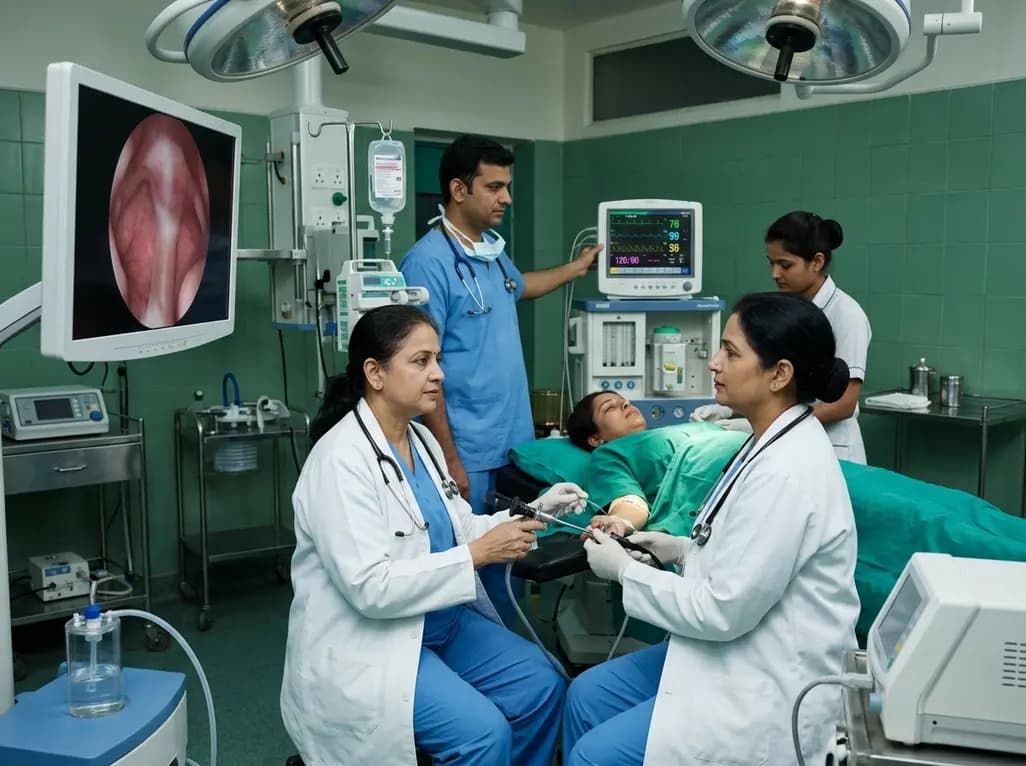
A meta-analysis of nine RCTs comparing remimazolam versus propofol in hysteroscopy reveals remimazolam significantly reduces injection pain, hypotension, and respiratory depression while maintaining comparable sedation success, recovery times, and procedural duration.
Today
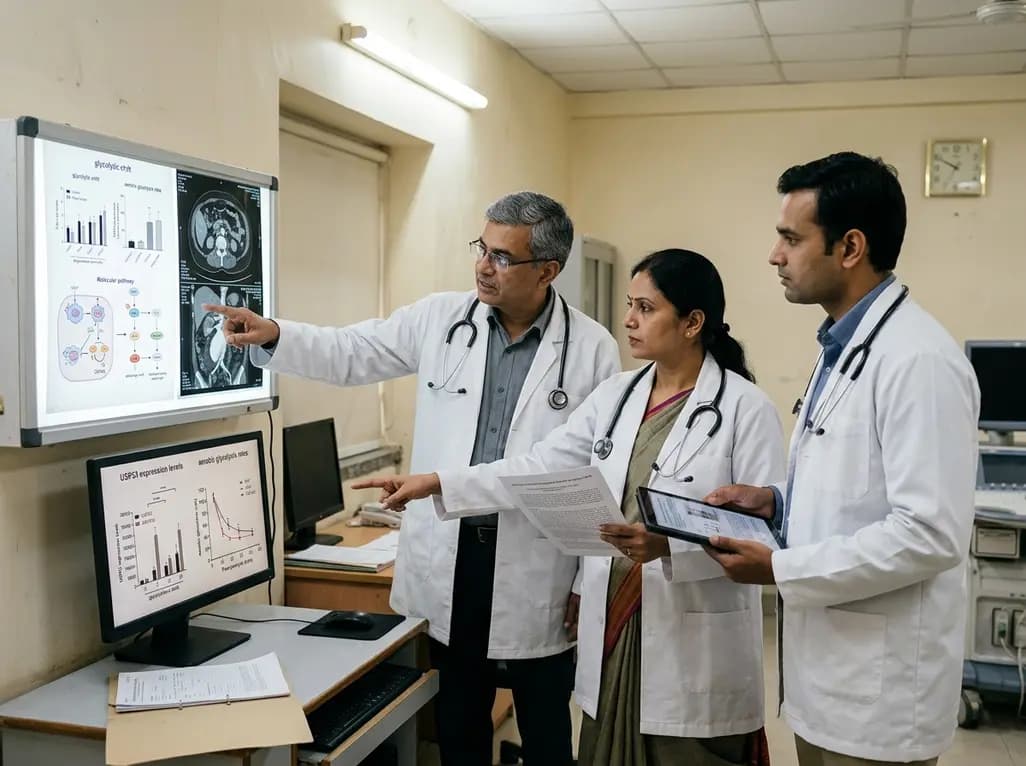
Abdominal aortic aneurysm rupture remains a catastrophic vascular emergency. Groundbreaking research reveals that USP53 accelerates aneurysm progression by reprogramming smooth muscle cell metabolism toward aerobic glycolysis, highlighting a promising target beyond conventional diameter-based surveillance.
Yesterday
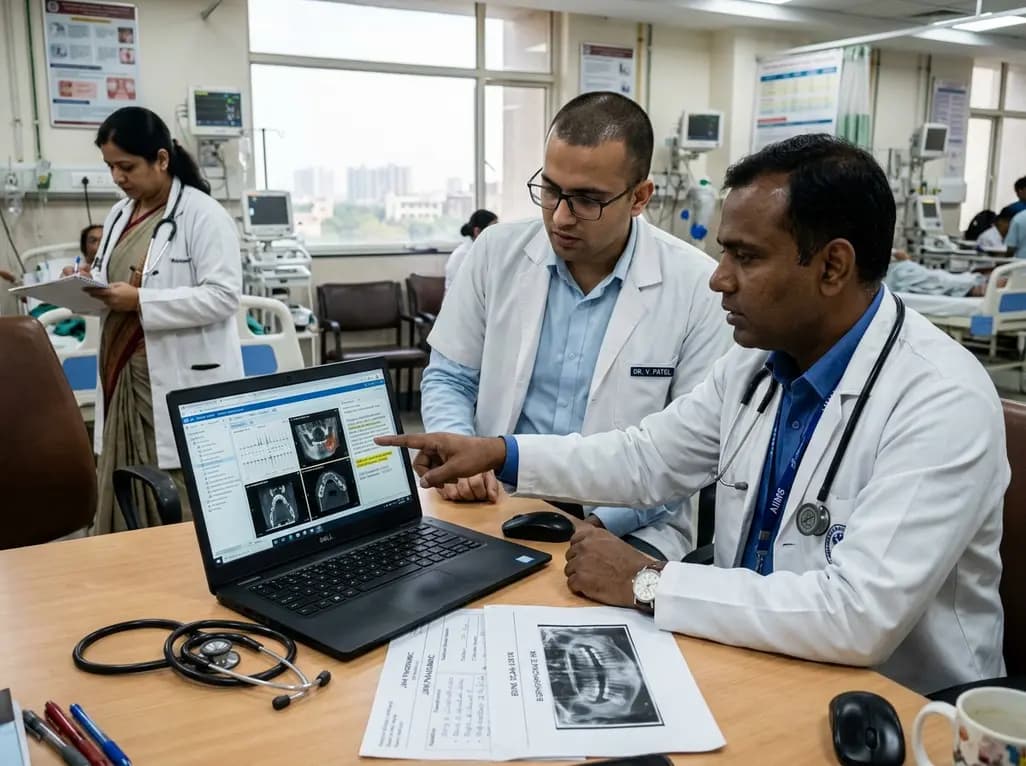
A breakthrough study leverages natural language processing to accurately identify incident medication-related osteonecrosis of the jaw and track antiresorptive drug holidays from clinical narratives in electronic health records, advancing osteoporosis pharmacovigilance and dental safety.
Today

Recent research defines ferro-aging as a conserved iron-lipid axis driving organ decline across primates. Age-related iron dyshomeostasis stimulates ACSL4-mediated lipid peroxidation, promoting cellular senescence. Notably, vitamin C directly inhibits ACSL4, suppressing phospholipid oxidation and multi-organ decay.
Yesterday
