

Loading, please wait...
Loading, please wait...

Attention deficit hyperactivity disorder presents unique cognitive dynamics that shape emotional health, school life, and developmental milestones. While clinicians frequently focus on inattention and impulsivity, fostering creativity self-efficacy in ADHD represents an equally critical clinical objective. Creativity self-efficacy defines an individual's personal belief in their ability to generate novel ideas and solve complex problems. However, persistent academic demands and negative social feedback expose neurodivergent youth to elevated distress. As a result, chronic stress rapidly undermines their creative confidence. Understanding how psychosocial buffers counteract these detrimental effects offers pediatricians and psychiatrists practical pathways for holistic, strength-based intervention.
Adolescents navigating neurodevelopmental disorders experience disproportionate academic strain and interpersonal tension. Furthermore, daily executive dysfunction often leads to repeated reprimands from teachers and parents. Consequently, these teenagers experience persistent psychological distress that exhausts their emotional coping reserves. Creativity self-efficacy in ADHD serves as a vital psychological asset because divergent thinking represents a recognised cognitive strength in this clinical cohort. When adolescents trust their creative abilities, they exhibit superior resilience, enhanced academic engagement, and improved self-esteem.
However, unmanaged stress creates a hostile neurocognitive environment that suppresses this intrinsic strength. Specifically, chronic distress triggers heightened amygdala reactivity while dampening prefrontal control mechanisms. Because of this physiological shift, working memory and cognitive flexibility suffer severe disruptions. Adolescents then begin to doubt their inventive capacities and retreat from novel challenges. Therefore, psychological distress directly impairs their creative self-confidence. Clinicians must recognize that emotional overwhelm does not merely cause behavioral disruption. In addition, it systematically dismantles the cognitive confidence necessary for adaptive problem-solving and innovation. Consequently, healthcare providers must look beyond symptom suppression to safeguard the emotional resources that sustain adolescent self-worth. Moreover, untreated chronic distress exacerbates existing comorbidities, including generalized anxiety and major depressive episodes. Thus, protecting creative confidence forms an essential cornerstone of comprehensive neurodevelopmental care.
A newly published cross-sectional investigation provides compelling empirical clarity regarding these complex psychological interactions. The researchers recruited 305 adolescents who had verified clinical diagnoses of attention deficit hyperactivity disorder across six preparatory institutions. To ensure objective evaluation, the investigators utilized standardized, psychometrically validated assessment instruments. Specifically, they deployed the Adolescence Stress Scale to evaluate subjective distress, life pressures, and emotional friction. Concurrently, they administered the Creative Self-Efficacy Scale to measure personal confidence in innovative problem-solving.
Additionally, the research team implemented the Multidimensional Scale of Perceived Social Support to evaluate environmental resources. This instrument distinctly appraises emotional, informational, and instrumental backing derived from three primary sources: parents, peers, and significant mentors. The investigators then subjected the collected data to rigorous Pearson correlation evaluations and formal mediation modeling. This analytical approach permitted the research team to evaluate indirect pathways with high precision. Furthermore, the robust sample size minimized confounding statistical artifacts and heightened the reliability of the observed behavioral associations. Therefore, the methodological design offers clinicians robust quantitative evidence regarding the interactive dynamics of psychosocial environments and cognitive self-beliefs. Importantly, the multi-school recruitment strategy broadened the demographic diversity of the participants, thereby strengthening the clinical generalizability of the outcomes.
The statistical outcomes from this study reveal profound insights into adolescent cognitive functioning. Most notably, stress exhibited a profound negative correlation with creative self-efficacy (r = -0.791, p < 0.001). This striking inverse relationship confirms that escalating psychological distress directly corrodes adolescent confidence in their creative abilities. In contrast, perceived social support demonstrated a robust positive correlation with creative self-efficacy (r = 0.548, p < 0.001). Thus, adolescents who felt supported maintained substantially higher creative confidence despite their neurodevelopmental struggles.
Furthermore, formal mediation analysis verified that perceived social support significantly mediated the relationship between stress and creativity self-efficacy (B = -0.149, t = 7.987, p < 0.001). This key finding indicates that social support functions as an active psychological buffer. When adolescents perceive steady affirmation from external relationships, the toxic influence of chronic distress on their self-belief diminishes markedly. Social scaffolding effectively cushions the adolescent nervous system against demoralization. As a result, supported youth retain belief in their divergent thinking even during difficult academic periods. Consequently, clinical interventions must deliberately leverage external interpersonal networks to preserve developing psychological capital. Ultimately, the statistical models clearly show that supportive human environments substantially counteract the destructive impact of environmental stressors on adolescent cognition.
To understand why social support exerts such profound effects, clinicians must examine the underlying neurobiology of attention deficit hyperactivity disorder. Neurodivergent brains rely heavily on catecholaminergic pathways within the prefrontal cortex for cognitive regulation and creative ideation. However, persistent emotional stress elevates systemic cortisol and stimulates prolonged noradrenergic surges. This neuroendocrine cascade disrupts prefrontal connectivity and forces the adolescent brain into a reactive survival state. Consequently, exploratory cognitive operations like divergent thinking, lateral conceptualization, and mental risk-taking become neurobiologically inaccessible.
Fortunately, positive interpersonal relationships alter this neurochemical trajectory. Perceived safety and emotional validation stimulate oxytocinergic and dopaminergic neurotransmission. In turn, these neurochemical shifts lower sympathetic arousal and restore prefrontal homeostasis. Therefore, strong social support creates a neurobiological sanctuary that protects cognitive flexibility from stress-induced atrophy. Additionally, interpersonal validation shields adolescents from rejection sensitive dysphoria, a common vulnerability in this clinical population. When youth feel accepted by their families and peers, they view mistakes as constructive learning milestones rather than catastrophic personal failures. Thus, social support preserves the psychological safety required for innovative thinking. Furthermore, this protective buffer maintains long-term cognitive stamina, preventing the progressive mental exhaustion commonly observed during demanding academic terms.
These empirical findings carry immediate, actionable relevance for pediatricians, psychiatrists, and primary care physicians. Traditionally, ADHD management strategies focus predominantly on pharmacological symptom suppression and classroom behavioral management. While pharmacotherapy remains an indispensable clinical tool, it does not automatically generate self-efficacy or emotional security. Therefore, healthcare providers must incorporate structured psychosocial evaluations into routine clinical appointments. Clinicians should systematically assess the quality of parental, peer, and school-based support systems during every comprehensive follow-up visit.
Furthermore, practitioners must educate parents regarding the critical value of affirmative communication. Families should consciously acknowledge creative problem-solving and unique strengths rather than focusing exclusively on executive deficits and behavioral corrections. Similarly, physicians can collaborate with educators to encourage inclusive classroom environments that celebrate diverse cognitive styles. In particular, community-based peer mentoring programs offer invaluable shared experiences that reduce social isolation. Additionally, mental health teams can teach active stress-reduction techniques, including cognitive reappraisal and mindfulness, to reinforce internal coping resources. By actively building these relational support systems, clinicians empower adolescents with ADHD to transform inherent cognitive traits into lifelong innovative strengths. Ultimately, this comprehensive approach shifts adolescent care from simple deficit containment toward durable emotional empowerment and flourishing. Moreover, early structured guidance helps neurodivergent youths construct positive self-identities that endure well into their collegiate and professional lives.
Chronic stress floods the adolescent brain with glucocorticoids, impairing prefrontal executive functioning and cognitive flexibility. In adolescents with ADHD, this neurobiological disruption amplifies attentional vulnerabilities and emotional reactivity. Consequently, individuals lose confidence in their capacity to generate novel ideas, causing a steep decline in their overall creative problem-solving belief.
Family and peer connections provide the most impactful social buffering against academic and social distress. In particular, reassuring family interactions validate personal worth, whereas positive peer connections reduce feelings of rejection. Mentors and educators further reinforce creative self-efficacy by providing objective guidance and encouraging unconventional cognitive strengths in structured settings.
Clinicians can actively screen for social isolation and chronic stress during routine behavioral evaluations. Additionally, physicians should educate families about strength-based approaches rather than solely focusing on behavioral deficits. Partnering with school counselors and recommending supportive peer groups helps build robust scaffolding that protects developing creative confidence in adolescents.
Disclaimer: This content is for informational and educational purposes only... Refer to the latest local and national guidelines for clinical practice.
References

Read summarized clinical updates, watch expert medical content, and earn CME certifications right from your smartphone.
Open your smartphone camera to scan and install.





A cross-sectional study reveals that perceived social support significantly buffers the negative impact of chronic stress on creativity self-efficacy in adolescents with ADHD, highlighting the need for strength-based clinical interventions.
Today

A 60-year-old woman presented with subacute cerebellar ataxia, dysautonomia, and hyperreflexia. Despite negative commercial antibody panels, tissue-based assays and phenotypic evolution to blepharospasm guided diagnostic resolution through specialized neuroimmunology testing.
Today

A prospective study reveals significant first-trimester trace-element alterations in pregnant women with epilepsy. Lower serum selenium independently predicted subsequent seizure recurrence despite prior remission, highlighting the vital clinical role of micronutrient profiling during antenatal care.
Today
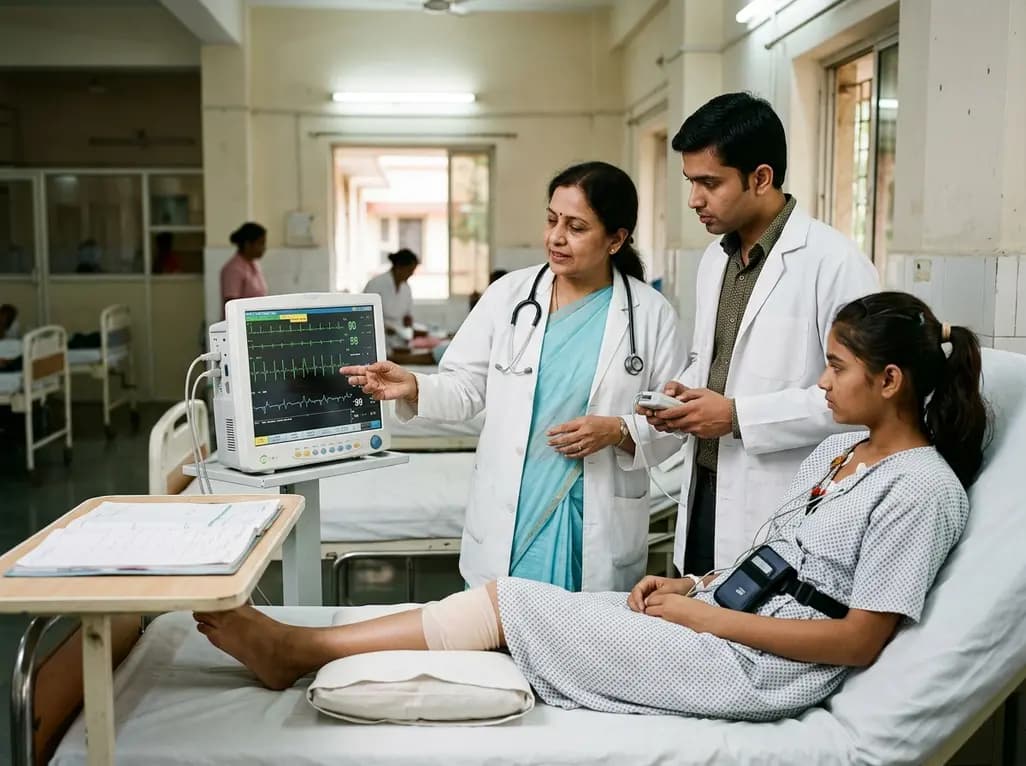
A 15-year-old patient presented with knee arthralgia and acute rheumatic fever, exhibiting complex arrhythmias including AV blocks and non-sustained ventricular tachycardia despite lacking severe valvulitis. This highlights the importance of extended Holter monitoring in pediatric rheumatic carditis.
Today
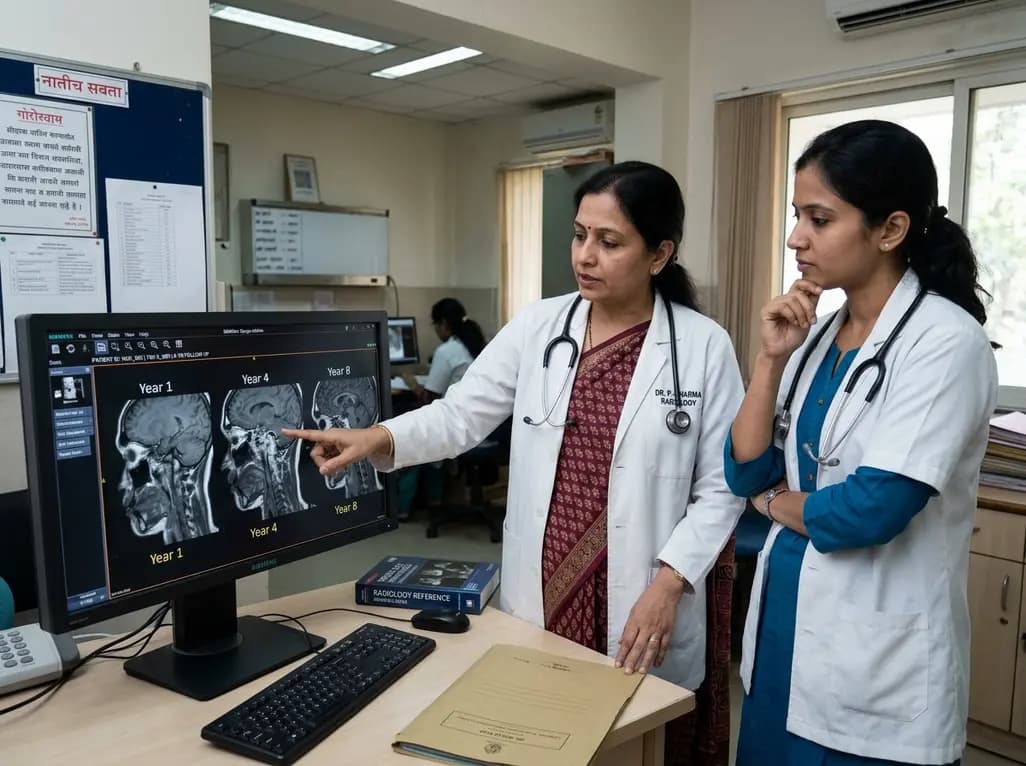
An eight-year longitudinal imaging follow-up reveals severe temporomandibular joint remodeling in nodulosis-arthropathy-osteolysis (NAO) syndrome. Despite extensive osseous destruction, the patient maintained functional jaw opening without TMJ interventions, highlighting the role of conservative management.
Today
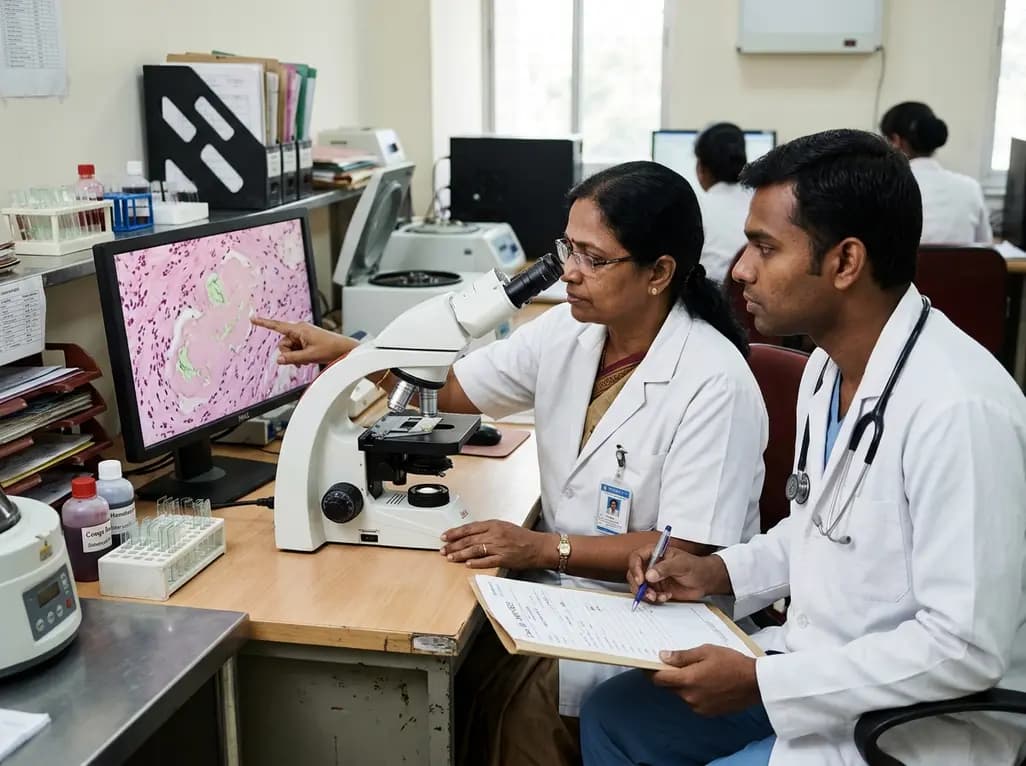
Discover essential clinical insights into AGLP1-type amyloidosis, a rare localized complication of glucagon-like peptide-1 analog injections. Learn how histopathology and mass spectrometry differentiate benign iatrogenic amyloidomas from systemic disease, preventing misdiagnosis and unwarranted therapies.
Today
