

Loading, please wait...
Loading, please wait...

Understanding the complex epidemiology of alcohol use in India requires analyzing diverse socioeconomic gradients and occupational realities. Historically, research examining substance consumption and labor outcomes has concentrated almost exclusively in high-income western nations. Consequently, healthcare providers across South Asia frequently lack localized, population-level evidence to guide clinical prevention and risk stratification. Recent empirical investigations analyzing the India Human Development Survey datasets bridge this substantial knowledge gap. These nationally representative analyses examine how drinking frequency correlates with employment status and demographic characteristics among adults aged 18 to 64 years. Moreover, the findings demonstrate pronounced variations across occupational roles, gender identities, and marginalized social groups. Clinicians must recognize that hazardous alcohol consumption does not emerge randomly within community settings. Instead, underlying labor arrangements and social structures systematically modify individual susceptibility to chronic drinking. Therefore, recognizing these patterns enables physicians to identify vulnerable demographic groups early during routine medical consultations. Furthermore, timely clinical identification helps prevent severe cardiovascular, hepatic, and metabolic complications before irreversible organ damage occurs. Ultimately, contextualized lifestyle counseling during outpatient appointments creates invaluable opportunities to interrupt progressing substance dependencies.
Labor market participation exerts a profound and nuanced influence on drinking behaviors across different adult cohorts. Specifically, empirical analyses using multinomial logit models demonstrate striking behavioral differences between employed adults and non-working individuals. Among non-smokers, both part-time and full-time workers exhibit significantly higher relative risks of occasional and daily drinking compared to non-working peers. Notably, active employment provides regular disposable income that directly expands financial access to commercial alcohol products. In addition, manual and industrial work environments often cultivate pervasive workplace cultures that normalize end-of-day group drinking rituals. In contrast, the non-working category encompasses a diverse demographic mix, including homemakers, students, retirees, and individuals with chronic physical disabilities. This inherent demographic heterogeneity partly explains why non-working populations report lower aggregate drinking frequencies than actively employed cohorts. Occupational stress, physical exhaustion, and peer pressure further exacerbate alcohol consumption among daily wage laborers. Thus, general practitioners and occupational physicians must actively inquire about workplace routines during routine lifestyle assessments. Consequently, healthcare providers can design targeted occupational health interventions that proactively mitigate escalating addiction risks among active employees. Furthermore, routine workplace wellness programs offer an ideal setting to intercept alcohol misuse before severe organ pathology develops.
Concurrent substance consumption significantly alters the epidemiological relationship between labor market status and alcohol intake. In particular, combustible tobacco use serves as an exceptionally powerful independent predictor of elevated drinking frequency. When researchers examine individuals who smoke, the statistical association between employment status and alcohol frequency weakens markedly. This attenuation indicates that tobacco addiction acts as an overwhelming primary driver that overshadows subtle occupational differences. Furthermore, biological and behavioral mechanisms explain why smoking and alcohol dependence frequently co-occur in clinical populations. Nicotine stimulates central dopaminergic reward pathways that cross-sensitize the neurological reward circuitry to alcohol reinforcement. Additionally, shared social rituals in tea stalls and local markets reinforce the simultaneous consumption of bidis and liquor. Patients who combine heavy smoking with daily alcohol face dramatically heightened risks of upper aerodigestive cancers and severe cardiovascular morbidity. Therefore, clinical practitioners must never assess alcohol consumption in isolation from tobacco exposure during diagnostic evaluations. Instead, healthcare providers should implement simultaneous dual-cessation interventions to optimize long-term patient recovery and survival outcomes. Ultimately, comprehensive dual screening provides a far more accurate prognosis of chronic health hazards across primary healthcare settings.
Sociodemographic stratification creates distinct epidemiological trajectories for alcohol consumption across different population subgroups. For example, clear gender differentials persist across Indian states, with men exhibiting dramatically higher drinking frequencies than women. Deeply rooted social stigma and cultural restrictions historically suppress reported alcohol intake among female populations. However, clinicians are encountering rising consumption rates among young urban females who navigate changing socioeconomic landscapes. Beyond gender, social category serves as a critical determinant of drinking frequency and hazardous consumption patterns. Specifically, adults belonging to Scheduled Tribe communities demonstrate a significantly higher relative risk of daily drinking than General category adults. Traditional brewing practices, indigenous cultural rituals, and historical economic marginalization strongly shape substance patterns within tribal communities. In contrast, General category populations more frequently consume commercially produced distilled spirits within modern urban entertainment venues. Consequently, public health initiatives must avoid generic, one-size-fits-all abstinence campaigns that ignore distinct cultural realities. Instead, healthcare policymakers must develop culturally congruent harm-reduction strategies alongside respected tribal and community elders. Moreover, tailored community health interventions can effectively address nutritional deficits and endemic liver diseases within marginalized populations.
Medical practitioners play an indispensable frontline role in identifying and managing harmful drinking behaviors across diverse clinical settings. First, clinicians should routinely administer validated brief screening instruments, such as the AUDIT-C, during routine outpatient appointments. However, standard screening tools often fail to capture hazardous home-brewed liquors and unrecorded alcohol products common across rural communities. Therefore, physicians must carefully quantify beverage types, alcohol volume by percentage, and specific temporal drinking patterns. Additionally, healthcare providers should incorporate structured brief interventions that combine motivational interviewing with empathetic behavioral counseling. Patients presenting with early hepatic dysfunction or refractory hypertension frequently benefit from immediate, structured reductions in weekly alcohol intake. Furthermore, managing co-existing psychiatric conditions, such as major depressive disorder or anxiety, remains essential for sustaining sobriety. Family physicians must also connect vulnerable individuals to local community health centers and accredited de-addiction facilities when necessary. In fact, integrating holistic family support significantly enhances adherence to both pharmacotherapy and outpatient behavioral counseling protocols. Ultimately, proactive primary care interventions can curb the escalating burden of alcohol-induced non-communicable diseases across urban and rural populations. Consequently, medical professionals can transform clinical consultations into powerful opportunities for meaningful, life-saving lifestyle modification.
Actively employed adults often experience higher drinking frequencies primarily due to regular disposable income and distinct workplace social cultures. Furthermore, manual laborers and industrial shift workers frequently use alcohol to cope with intense physical exhaustion and occupational stress. In contrast, non-working groups include homemakers, students, and retirees who face strict family supervision or severe financial limitations. Therefore, employment creates both financial capability and shared social environments that substantially elevate drinking risks.
Concurrent tobacco use dramatically magnifies morbidity because nicotine and alcohol exert synergistically destructive biological effects on the human body. Specifically, smoking accelerates cardiovascular damage, pulmonary disease, and upper aerodigestive tract malignancies in regular drinkers. Moreover, tobacco addiction acts as a potent primary behavioral driver that frequently overshadows socioeconomic influences. Consequently, clinicians should never address alcohol intake alone. Delivering simultaneous smoking cessation therapies produces substantially higher long-term recovery rates and preserves vital organ function.
Physicians should primarily utilize the AUDIT-C questionnaire because it provides rapid, validated scoring for alcohol consumption frequency and volume. However, clinicians in India must supplement standard questionnaires with direct inquiries about unrecorded country liquor and home brews. In addition, doctors should screen for elevated liver transaminases, macrocytosis, and uncontrolled hypertension during routine physical examinations. Combining validated behavioral screening with targeted biochemical testing ensures early detection and prompt referral to structured de-addiction programs.
Disclaimer: This content is for informational and educational purposes only... Refer to the latest local and national guidelines for clinical practice.
References

Read summarized clinical updates, watch expert medical content, and earn CME certifications right from your smartphone.
Open your smartphone camera to scan and install.





A comprehensive analysis of how employment status, demographic correlates, and tobacco co-use influence alcohol use patterns across India, offering vital insights for clinicians.
Today

A meta-analysis of 9 randomized controlled trials evaluated health-related quality of life when adding PD-1/PD-L1 inhibitors to standard therapy for endometrial and cervical cancer. Adding immunotherapy did not detectably change global quality of life or worsen functional and symptom domains.
Today
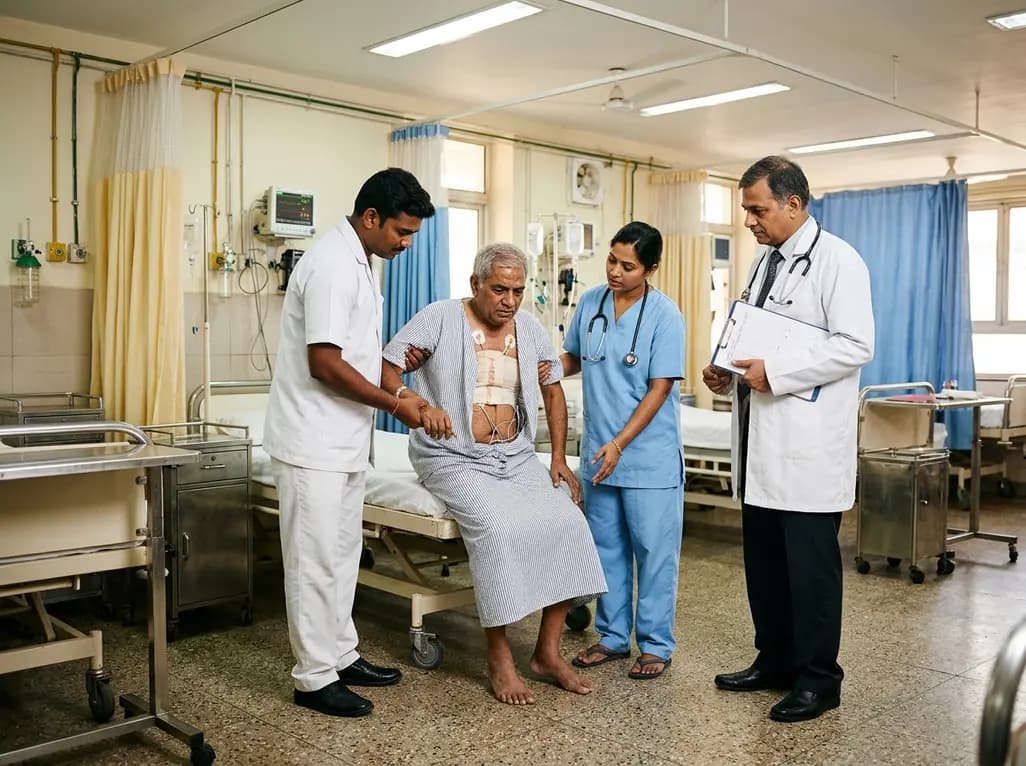
A cross-sectional study evaluates the critical intersection between acute surgical pain, kinesiophobia, and fall risks during initial mobilization after cardiac surgery, emphasizing targeted nursing strategies.
Today
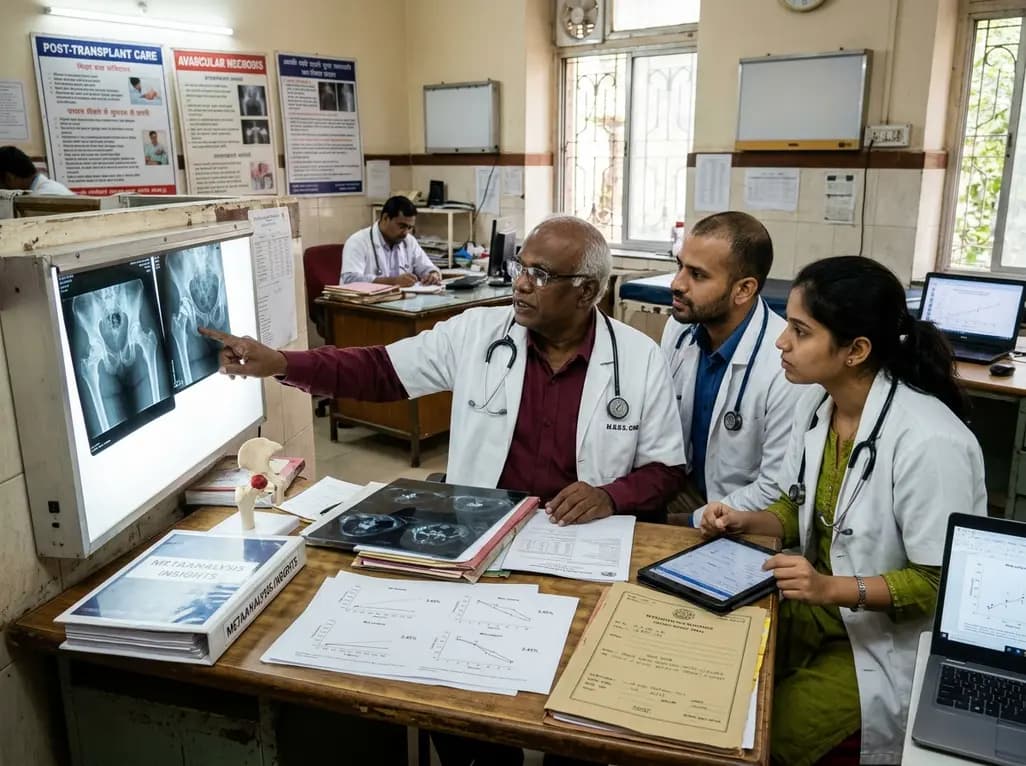
A comprehensive meta-analysis reveals a decline in hip avascular necrosis following kidney transplantation to 3.45% post-2010. This decline reflects modern steroid-sparing immunosuppression, while highlighting geographic variations and the importance of early diagnosis.
Today
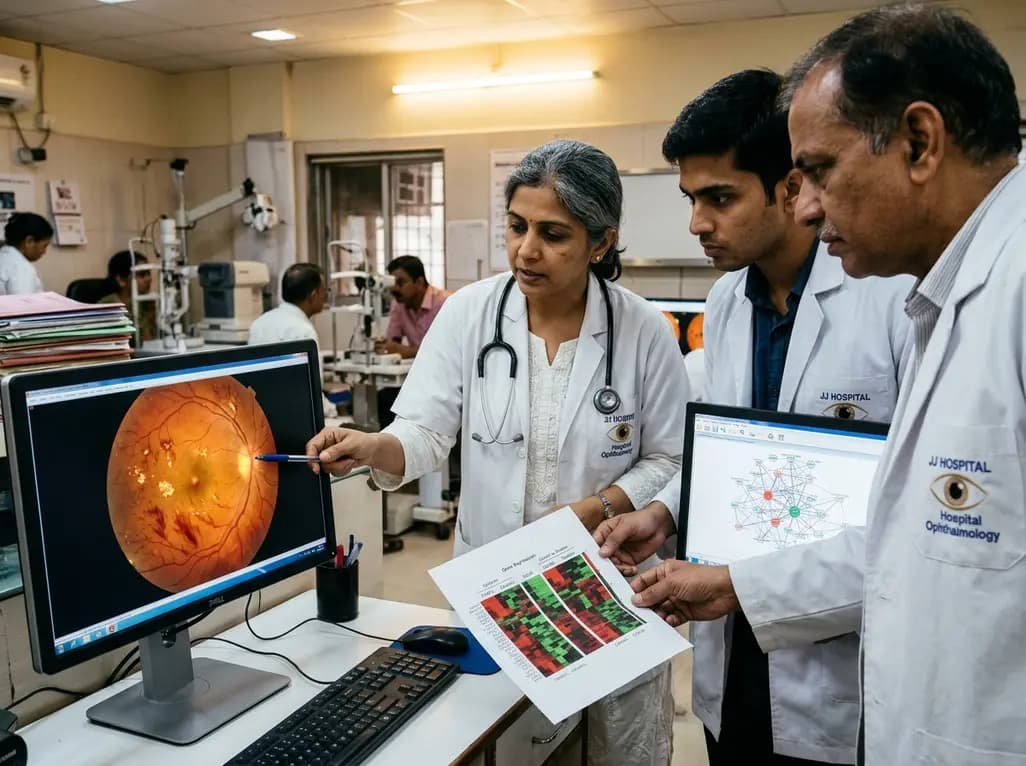
Single-cell transcriptomics reveals that STAP2 promotes retinal endothelial dysfunction in diabetic retinopathy through CXCR4 signaling. In vivo and in vitro studies show STAP2 knockdown reduces capillary drop-out and vascular leakage, uncovering a novel therapeutic target beyond anti-VEGF therapies.
Today
