.webp&w=384&q=75)

Loading, please wait...
Loading, please wait...
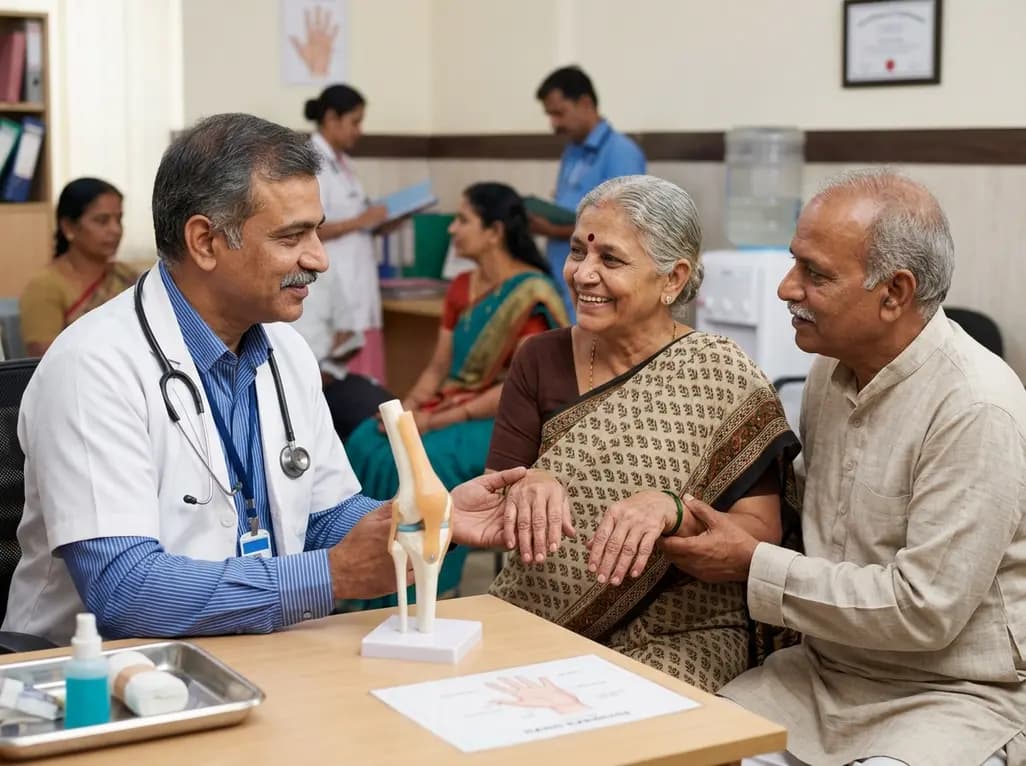
Rheumatoid arthritis is primarily recognized for its inflammatory impact on joints and physical function. However, modern rheumatology increasingly acknowledges the profound influence of social factors on patient outcomes. Specifically, social frailty in RA has emerged as a significant determinant of long-term health and quality of life. This condition describes a state where patients experience reduced social participation, limited social support, and diminished social roles. While physical frailty is widely studied, the social dimension often remains overlooked in busy clinical settings. Consequently, identifying the nuances of social vulnerability is essential for providing holistic care to this patient population. Research suggests that social frailty often precedes physical decline, making it a critical window for intervention. Furthermore, the interplay between chronic pain and social withdrawal can create a self-perpetuating cycle of isolation. Therefore, clinicians must look beyond the physical manifestations of the disease to understand the social environment of the patient. Understanding that social frailty is a dynamic state rather than a permanent deficit is a fundamental shift in perspective. Notably, this shift allows for the development of targeted strategies to improve social connectedness and patient resilience.
The multicenter observational T-FLAG study provides compelling longitudinal evidence regarding the trajectory of social vulnerability in rheumatoid arthritis. Researchers focused on a cohort of 605 patients, specifically analyzing 216 individuals who met the criteria for social frailty at baseline. The primary objective was to determine if these patients could transition back to a robust social state over one year. Remarkably, the findings indicated that 40.2% of the participants showed significant improvement during the follow-up period. This improvement was defined by a substantial reduction in their Social Frailty Index scores. Such data is encouraging because it demonstrates that nearly half of the socially frail patients can regain their social standing. Moreover, this study highlights that social frailty is not an irreversible consequence of aging or chronic illness. Instead, it suggests that the social health of an RA patient is highly malleable. Consequently, these results provide a strong rationale for healthcare providers to actively monitor and address social health during routine visits. By identifying individuals at risk, clinicians can potentially facilitate these positive transitions. Ultimately, the T-FLAG data underscores the importance of longitudinal monitoring to capture the changing social needs of patients over time.
When analyzing the factors associated with social improvement, the T-FLAG study identified distinct clinical and demographic predictors. Most notably, marital status emerged as a powerful independent factor linked to the social frailty in RA recovery process. Patients who were married were nearly four times more likely to improve their social status compared to those living alone. This association suggests that having a consistent source of daily social support and companionship provides a protective buffer. In contrast, living alone often limits opportunities for social interaction and emotional regulation. Additionally, age played a subtle yet statistically significant role in the findings. Younger patients generally demonstrated a slightly higher potential for reversing their social frailty status. This might be due to a more robust baseline of social networks or a greater ability to adapt to new social environments. However, the influence of age was less dominant than that of marital status. Interestingly, these findings emphasize that a patient's domestic environment is a major contributor to their social health. Therefore, clinicians should specifically screen patients living alone for higher risks of persistent social frailty. By understanding these predictors, medical educators can help practitioners prioritize interventions for the most vulnerable groups.
One of the most surprising outcomes of the study was the lack of association between disease activity and social frailty improvement. Typically, clinicians might assume that better control of inflammation and pain would automatically lead to better social participation. However, the multivariate analysis revealed that disease activity, as measured by standard indices, did not independently predict social recovery. Similarly, educational levels did not show a consistent association with the improvement of a patient's social state. This finding is critical because it suggests that social frailty operates somewhat independently of biological disease markers. Furthermore, while the Health Assessment Questionnaire Disability Index (HAQ-DI) showed a trend toward influencing outcomes, it was not an independent driver. This disconnect emphasizes that achieving clinical remission is necessary but perhaps not sufficient for full social recovery. Consequently, even patients with well-controlled RA may remain trapped in a state of social vulnerability. Medical practitioners must therefore decouple physical health milestones from social health goals. By doing so, they can address social barriers that persist even after the joints have stopped aching. This comprehensive approach ensures that the patient's recovery is measured by their ability to engage with the world, not just their lab results.
A detailed component analysis of the T-FLAG study reveals specific areas where patients find it easiest to improve. The researchers noted higher rates of recovery in social roles, daily conversations, and the frequency of going out. Conversely, the status of living alone showed minimal change over the study period, which is expected given its structural nature. Therefore, clinical interventions should focus on the more reversible aspects of social life. For instance, encouraging patients to participate in local support groups or community activities can bolster their social roles. Additionally, emphasizing the importance of daily conversation can significantly impact their sense of social inclusion. Notably, the study also touched upon the frequency of laughter as a potential contributing factor in certain models. Although its effect was not consistent, laughter likely serves as a marker for positive social engagement and emotional well-being. Furthermore, physical therapy and occupational therapy can be tailored to improve the mobility required for social outings. In the Indian context, where family structures are evolving, leveraging existing community networks can be highly effective. Ultimately, addressing social frailty in RA requires a multifaceted strategy that integrates medical, psychological, and social support. By focusing on these actionable components, clinicians can help patients achieve a more balanced and fulfilling life.
Social frailty in rheumatoid arthritis refers to a state of vulnerability where a patient lacks sufficient social connections, support, or participation in social roles. It is typically measured using tools like the Social Frailty Index, which assess factors such as living alone, frequency of going out, and daily communication. This condition is distinct from physical frailty but often contributes to poorer overall health outcomes and reduced quality of life.
Marital status serves as a major independent predictor of social recovery because it provides constant social engagement and immediate emotional support. The T-FLAG study found that married patients were significantly more likely to reverse their social frailty compared to those living alone. A spouse often acts as a primary caregiver and social link, helping the patient maintain active social roles and providing the necessary motivation to stay connected with the community.
Clinicians should expand their assessment beyond physical symptoms to include social health screening during routine consultations. Identifying patients who live alone or have limited social roles allows for earlier intervention. Since disease activity alone does not dictate social recovery, doctors should encourage patients to join community groups or support networks. This holistic approach ensures that patients receive the social support needed to reverse frailty and achieve a more comprehensive recovery.
Disclaimer: This content is for informational and educational purposes only. It is not intended to provide any medical advice or be used as a substitute for professional clinical advice, diagnosis, or treatment. Refer to the latest local and national guidelines for clinical practice.
References
Suzuki M et al. Reversibility of social frailty in patients with rheumatoid arthritis: A longitudinal analysis of the multicenter observational (T-FLAG) study data. Arch Gerontol Geriatr. 2026 Jul 15. doi: undefined. PMID: 42456218.
"
Read summarized clinical updates, watch expert medical content, and earn CME certifications right from your smartphone.
Open your smartphone camera to scan and install.





The T-FLAG study demonstrates that social frailty in patients with rheumatoid arthritis is partially reversible. Findings highlight that marital status and age significantly predict improvement, whereas disease activity does not strictly limit a patient's potential for social recovery.
3 months ago
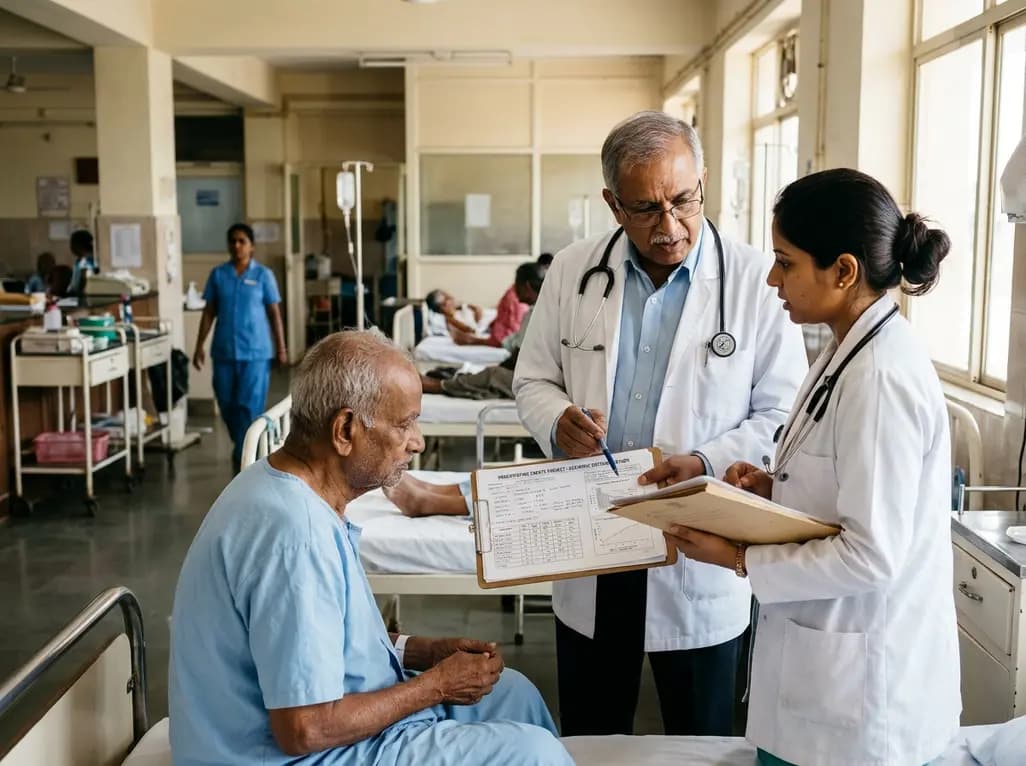
Failing to account for competing events like mortality in longitudinal geriatric studies produces biased risk estimates and misleading inferences. This review highlights key methodological principles, insights from the Precipitating Events Project, and practical approaches for clinical research appraisal.
Today

A study in JAMIA Open shows lightweight open-source reasoning LLMs achieve up to 95% sensitivity and accelerate evidence synthesis screening by nearly twentyfold, presenting a cost-effective, scalable AI solution for biomedical research and systematic reviews.
Today
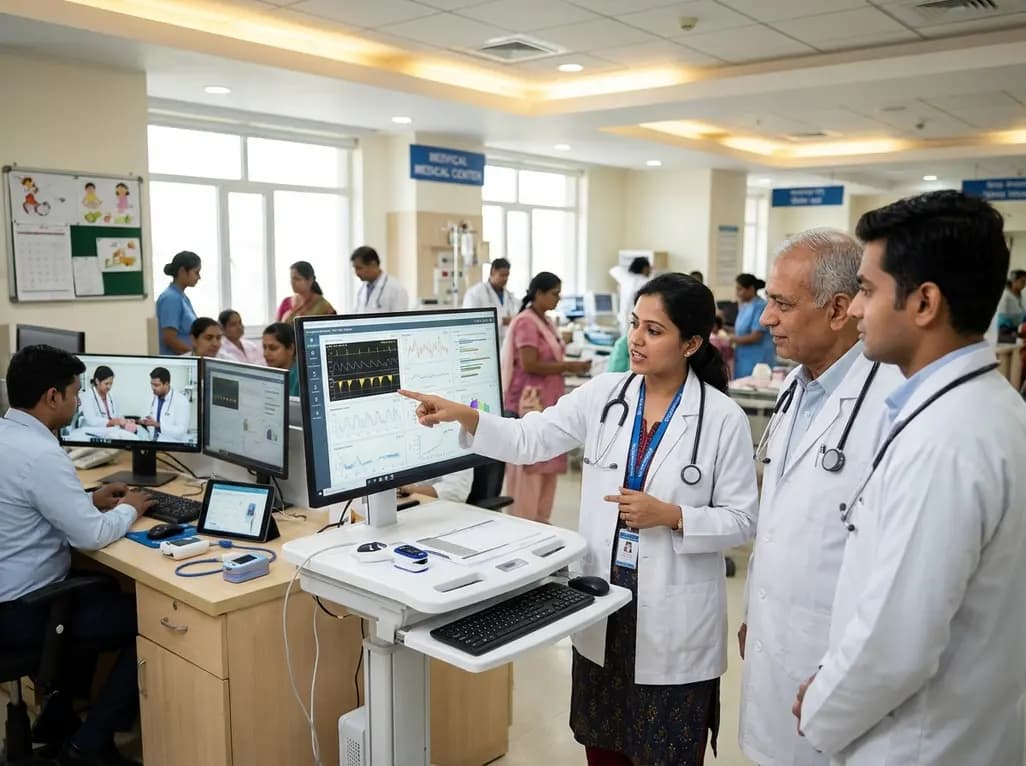
A landmark study details how an enterprise pediatric remote patient management model expanded from a single cardiology pilot to 16 diverse specialty programs by combining centralized digital operations with specialty clinical leadership.
Today
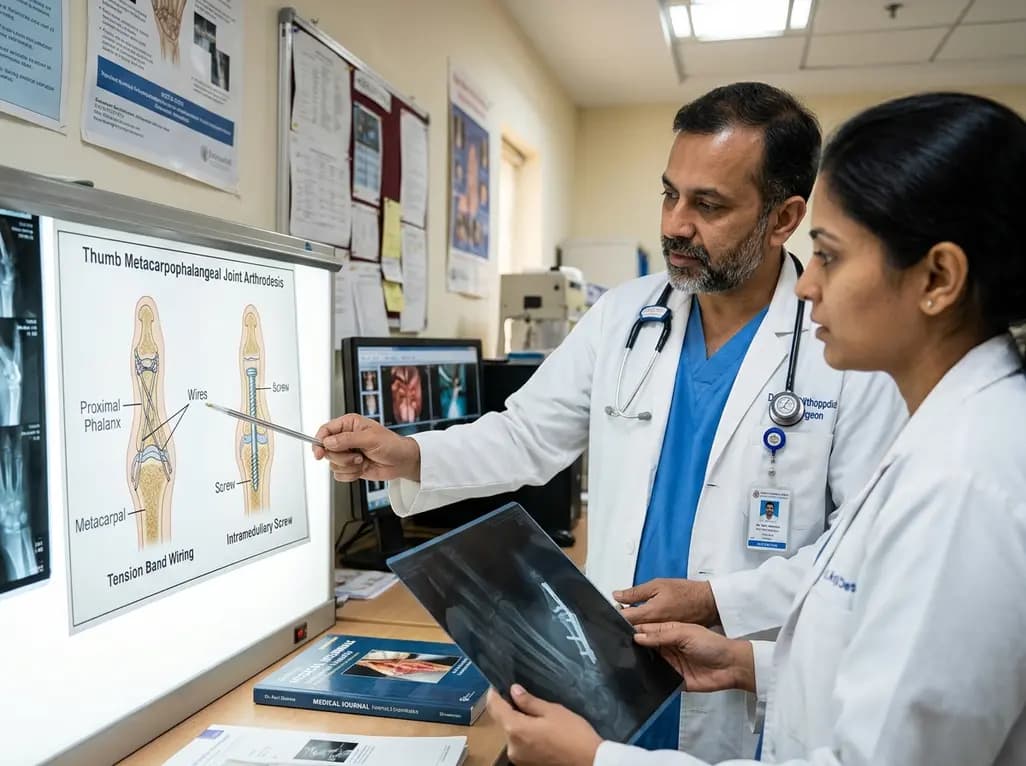
A comparative review of tension band wiring and intramedullary screw fixation in thumb metacarpophalangeal arthrodesis, evaluating union rates, hardware complications, and clinical outcomes.
Yesterday
A breakthrough ultrathin multimodal sensor decouples physical hemodynamic monitoring from disposable electrochemical calibration, achieving long-term wearable glucose prediction with 81.36% accuracy and a 9.12% MARD. This offers a robust, drift-free solution for outpatient metabolic surveillance.
Today
