.webp&w=384&q=75)

Loading, please wait...
Loading, please wait...
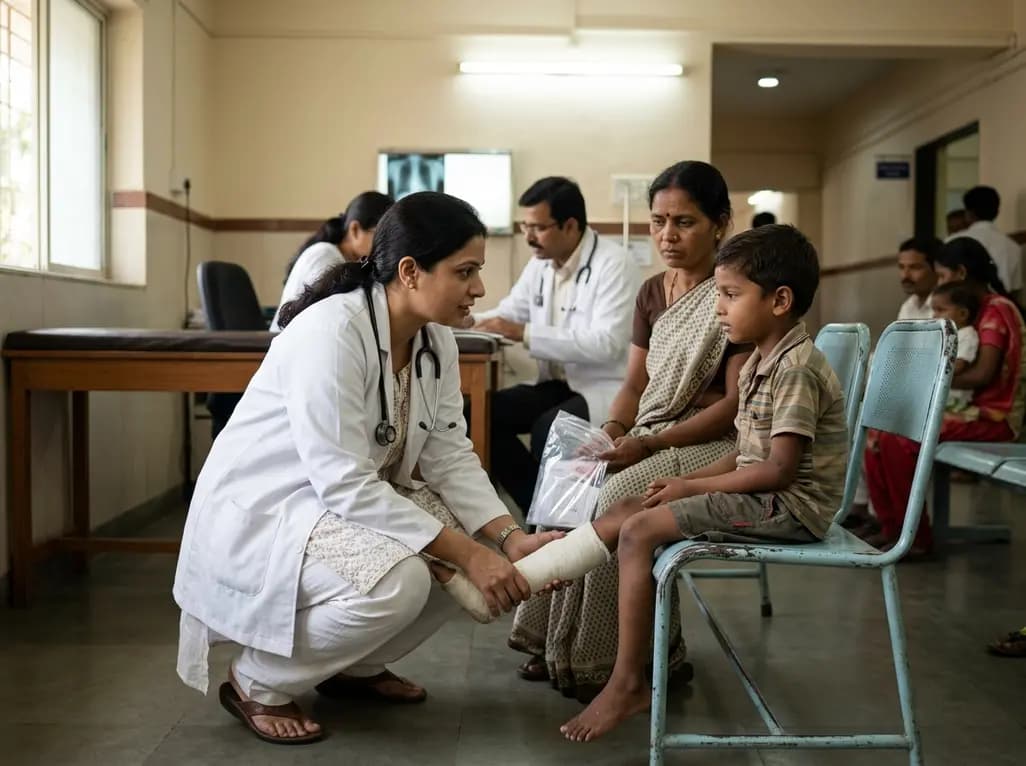
Social deprivation significantly influences health outcomes across clinical medicine, but its specific impact on pediatric orthopedic care warrants rigorous examination. Pediatric musculoskeletal disorders require prompt diagnosis, structured follow-up, and sustained family adherence to achieve optimal growth and functional recovery. When children reside in socioeconomically disadvantaged environments, these essential care components frequently break down. Multidimensional deprivation indices, including the Area Deprivation Index and the Child Opportunity Index, capture neighborhood-level disadvantages that individual income metrics often overlook. These comprehensive indices incorporate housing stability, educational resources, environmental safety, and community poverty levels. Consequently, clinicians now possess standardized tools to assess how neighborhood-level stress translates into biological and clinical vulnerabilities among children with musculoskeletal conditions. A recent scoping review synthesizing data from 41 pediatric investigations demonstrates that social deprivation systematically exacerbates disease severity and impedes care delivery. Therefore, evaluating pediatric orthopedic care through the lens of multidimensional social deprivation allows clinical teams to identify vulnerable patient cohorts earlier, allocate supportive resources proactively, and dismantle systemic healthcare barriers.
Neighborhood-level deprivation indices provide profound insights into pediatric musculoskeletal disease burden and trauma patterns. Epidemiological studies demonstrate that children from socially deprived environments experience significantly higher rates of severe trauma, traumatic fractures, and complex musculoskeletal infections such as osteomyelitis. In addition, these children frequently present with advanced disease pathology at the time of initial orthopedic consultation. For example, conditions like adolescent idiopathic scoliosis, developmental dysplasia of the hip, and slipped capital femoral epiphysis often manifest with higher curve magnitudes or severe epiphyseal displacement among disadvantaged cohorts. Environmental risk factors heavily drive these disparities. Substandard play areas, lack of community sports infrastructure, and unsafe housing directly increase physical injury susceptibility. Furthermore, chronic household financial strain can hinder parental recognition of insidious developmental abnormalities during early childhood. As a result, minor skeletal misalignments or persistent limps often progress unmonitored until severe functional impairment occurs. Orthopedic clinicians can utilize these validated indices to anticipate disease severity, adjust baseline risk stratification, and plan comprehensive initial evaluations for vulnerable children.
Timely access to specialized orthopedic services is paramount for managing childhood musculoskeletal disorders, yet social deprivation creates formidable barriers across the care continuum. Families living in socioeconomically disadvantaged communities frequently encounter critical transportation deficits, inflexible work schedules, limited paid leave, and scarcity of regional pediatric subspecialists. Consequently, children from these environments suffer significant diagnostic and therapeutic delays. In acute trauma, delays can cause displaced fractures to heal with malunion or require invasive open reduction instead of simple closed manipulation. Similarly, delayed evaluation of infantile clubfoot impedes nonoperative Ponseti casting protocols, sometimes necessitating complex operative releases. Missed appointments and elevated clinic no-show rates represent primary manifestations of these systemic access barriers. Deprived families often lack the social infrastructure, child-care support, or digital connectivity required to maintain frequent outpatient follow-up visits. Furthermore, primary clinics in underserved areas face heavy patient loads, slowing the specialty referral process. Addressing these transportation and socioeconomic hurdles allows orthopedic institutions to design flexible scheduling, expand outreach clinics, and streamline community referral pathways.
Social deprivation directly correlates with inferior clinical outcomes, higher complication rates, and diminished functional recovery following pediatric orthopedic interventions. Research reveals that children from highly deprived neighborhoods experience longer hospital stays, increased surgical site infection rates, and higher frequencies of unplanned hospital readmissions. Furthermore, these patients demonstrate reduced utilization of nonoperative treatment pathways, which frequently require rigorous, time-intensive outpatient monitoring. Postoperative rehabilitation presents another major hurdle. Successful recovery following ligament reconstructions, fracture fixation, or spinal deformity corrections depends heavily on physical therapy adherence and dedicated home exercises. However, socially deprived youth face substantial barriers in accessing physical therapy facilities, obtaining specialized rehabilitative equipment, and receiving structured caregiver supervision. Consequently, these children often experience delayed radiographic bone union, prolonged joint stiffness, and slower muscle strength recovery. Beyond physical healing, social deprivation profoundly depresses Patient-Reported Outcome Measurement Information System scores. Disadvantaged pediatric patients report worse postoperative pain interference, higher anxiety levels, and lower functional mobility scores compared to their peers.
The adverse effects of social deprivation rarely occur in isolation; instead, they intersect with race, ethnicity, public insurance status, and geographic isolation. Children covered by public health insurance plans frequently face restricted provider networks, extended wait times for elective consultations, and limited authorization for specialized physical therapy. Concurrently, racial and ethnic minority children are disproportionately represented in neighborhoods with high deprivation scores. This intersectional disadvantage compounds clinical risks, leading to marked disparities in surgical wait times, advanced imaging access, and subspecialty availability. Geographic factors further exacerbate these inequities. Rural and economically depressed urban zones often lack dedicated pediatric orthopedic centers, forcing vulnerable families to travel long distances for specialized emergency or outpatient care. The financial strain of intercity travel, combined with lost daily wages, forces many caregivers to postpone non-emergency orthopedic reviews. Therefore, orthopedic healthcare teams must adopt an intersectional approach when evaluating pediatric patients. Recognizing the additive risks of insurance limitations and geographic isolation empowers clinical teams to implement targeted, equitable care pathways.
Mitigating the adverse impact of social deprivation requires proactive, multi-tiered health equity interventions within clinical orthopedic practice. Healthcare systems should integrate validated deprivation screening tools into electronic health records to identify vulnerable pediatric patients upon presentation. Identifying high-risk households enables early deployment of medical social workers, dedicated patient navigators, and community health liaisons who can coordinate logistical support. Furthermore, orthopedic departments should expand telehealth services, evening clinic hours, and satellite outreach centers to eliminate geographical and transportation barriers. Telemedicine platforms facilitate remote cast checks, wound monitoring, and early symptom triage without burdening families with expensive travel. Additionally, hospital systems must partner directly with local schools and primary healthcare centers to provide accessible injury prevention programs and early developmental screening. Institutions should also establish robust assistance programs that supply free mobility aids, postoperative braces, and transportation vouchers to disadvantaged patients. By actively restructuring clinical workflows around health equity principles, orthopedic teams can bridge care gaps and deliver superior musculoskeletal outcomes to all children.
Deprivation indices quantify socioeconomic disadvantage by aggregating census-level metrics, including household income, education, employment, housing quality, and neighborhood resources. Indices like the Child Opportunity Index and Area Deprivation Index capture multidimensional environmental barriers that directly influence injury risk, nutritional status, and healthcare accessibility. Clinicians utilize these composite scores to identify vulnerable pediatric cohorts early and anticipate disease severity across musculoskeletal conditions.
Social deprivation increases fracture complications primarily due to delayed initial presentation, higher injury severity, and substantial barriers to outpatient follow-up. Disadvantaged families often encounter transportation shortages, inflexible work schedules, and financial distress, leading to missed appointments and suboptimal cast maintenance. Consequently, children experience higher rates of fracture displacement, delayed bone union, stiffness, and diminished physical functioning during recovery.
Clinicians can mitigate disparities by implementing systematic social determinants screening, employing dedicated patient navigators, and expanding telemedicine follow-up options. Providing transportation vouchers, subsidizing orthopedic braces, and offering flexible evening clinics significantly reduce logistical barriers for disadvantaged families. Additionally, partnering with local schools and providing accessible, home-based physical therapy programs ensure equitable rehabilitation and improved long-term musculoskeletal outcomes for vulnerable children.
Disclaimer: This content is for informational and educational purposes only and is not intended as medical advice. Always consult a qualified healthcare professional for medical diagnosis, treatment, or specific clinical guidance. Refer to the latest local and national guidelines for clinical practice.
References

Read summarized clinical updates, watch expert medical content, and earn CME certifications right from your smartphone.
Open your smartphone camera to scan and install.





A comprehensive scoping review evaluates the impact of multidimensional social deprivation on pediatric orthopedic care, revealing significant disparities in disease severity, access, nonoperative utilization, and functional outcomes.
last month

A systematic review of 41 preclinical studies reveals that baicalin dampens systemic inflammation, inhibits NF-κB and NLRP3 pathways, and improves organ preservation in sepsis models. However, substantial study heterogeneity and a complete lack of human clinical trials highlight the need for further translational research.
Today
Discover the crucial distinctions between mesonephric and mesonephric-like proliferations of the female genital tract. Learn the key histomorphologic, immunohistochemical, and molecular differences essential for accurate diagnosis and clinical management.
Today
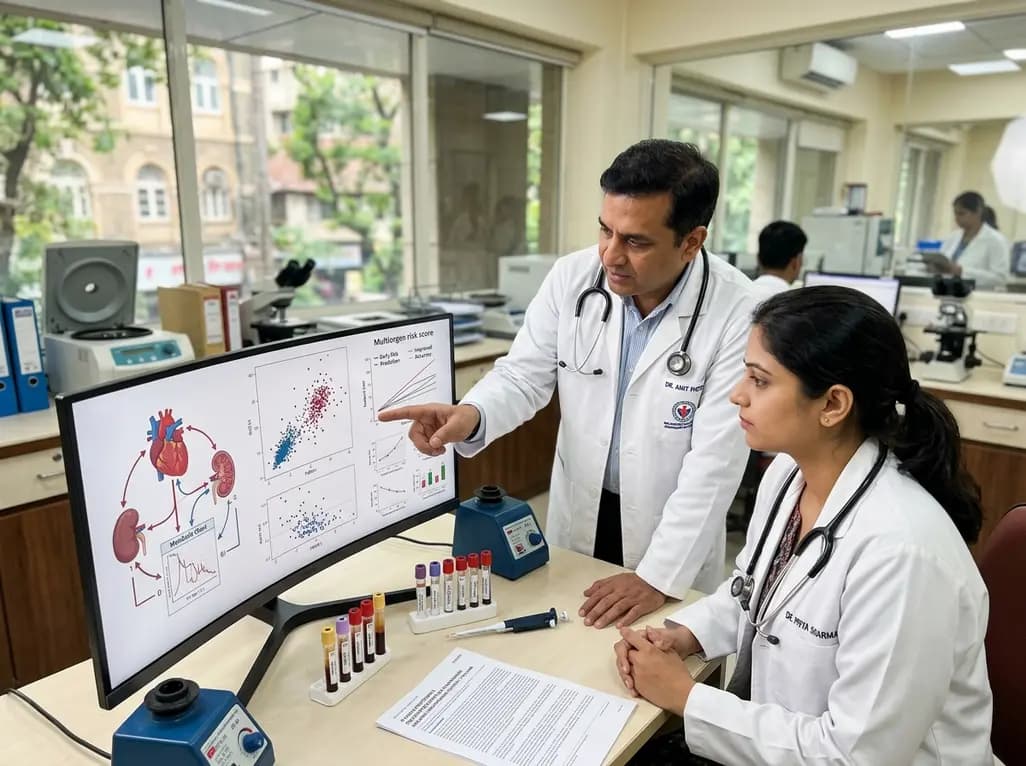
A large UK Biobank study reveals that plasma proteomic signatures capture preclinical organ damage and improve multiorgan risk prediction across early CKM syndrome stages 0 to 2 beyond traditional PREVENT clinical models.
Today
A narrative review investigates whether the articularis genus muscle functions as an independent anatomical entity or blends with the vastus intermedius. We evaluate its morphology, role in retracting the suprapatellar bursa, and direct clinical significance in anterior knee pain and arthroplasty.
Today
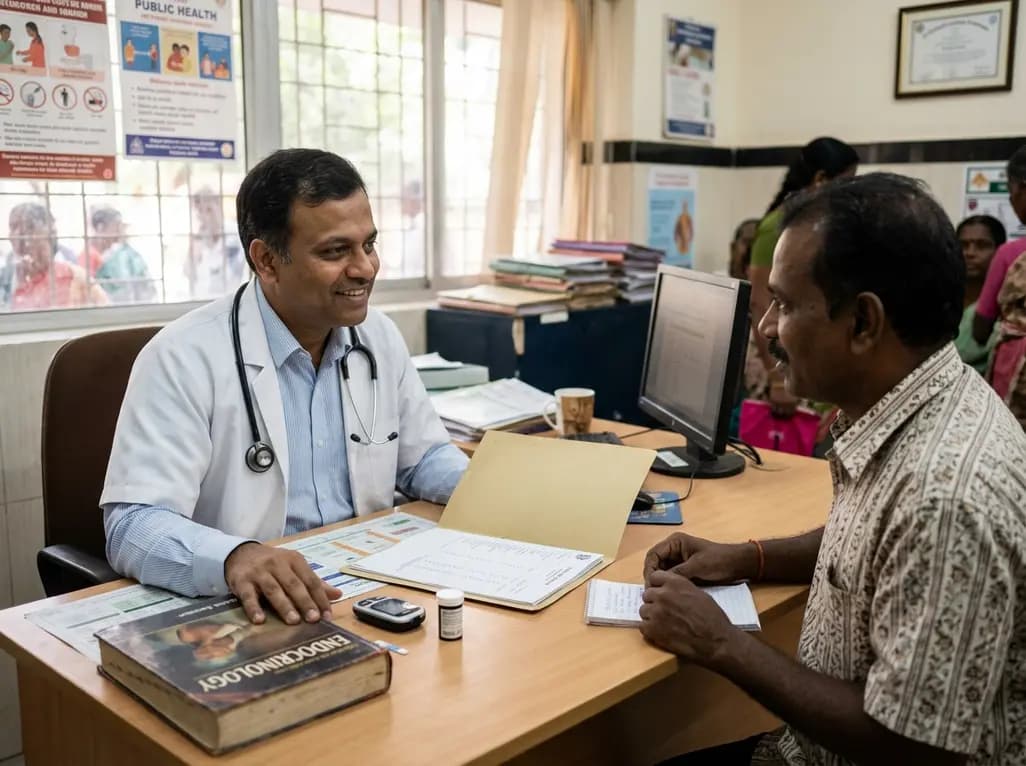
A Bayesian multilevel meta-analysis reveals that aerobic training combined with moderate carbohydrate restriction modestly lowers HbA1c in type 2 diabetes. However, sparse data and very low certainty leave incremental benefits over exercise or diet alone unproven, highlighting the need for individualized care.
Today
