.webp&w=384&q=75)

Loading, please wait...
Loading, please wait...

Ensuring seafood quality is a major concern for gastroenterologists and general practitioners because spoiled shrimp often causes severe foodborne illness. Innovative smart food packaging now offers a real-time solution by utilizing natural pigments to detect spoilage instantly. Researchers have developed a new pH-sensitive film using purple tulip petal extract (TPE). These petals provide a sustainable source of anthocyanins, which are natural pigments that react to chemical changes.
Specifically, scientists incorporated TPE into polyvinyl alcohol (PVA) matrices to create a functional indicator. This combination significantly improved the film's sensitivity to ammonia and pH changes. These chemical shifts are clear indicators of protein degradation in shrimp. In addition to chemical sensitivity, the TPE acted as a plasticizer, which increased the flexibility of the packaging material. Consequently, this makes the film both a durable container and a high-tech sensor.
The film functions by responding to total volatile basic nitrogen (TVB-N) levels. As shrimp spoil during storage, they release these alkaline compounds into the surrounding environment. Therefore, the film shifts color from red to a distinct yellow-brown. This transition provides a visual, real-time indicator of freshness that requires no specialized laboratory equipment. Moreover, the film demonstrated improved barrier properties. It exhibited reduced water solubility and vapor permeability, which helps protect the seafood from external contaminants.
From a clinical perspective, such technologies could substantially reduce the incidence of seafood-related gastroenteritis. By providing consumers with an immediate visual cue, this technology bridges the gap between laboratory testing and point-of-sale safety. Ultimately, using ornamental waste like tulip petals makes this a cost-effective and eco-friendly advancement in food science. Instead of relying solely on expiration dates, consumers can now trust a dynamic color change to ensure their food is safe to eat.
Anthocyanins are pH-sensitive pigments. When shrimp decompose, they release ammonia and other volatile basic nitrogen compounds. These alkaline gases increase the pH level, causing the anthocyanins in the film to undergo a visible color change from red to yellow-brown.
The tulip extract improves the film's physical performance. It increases elongation at break, making the packaging more flexible. Furthermore, it enhances the barrier against water and vapor, which helps maintain the internal environment of the package.
Yes, anthocyanin-based films have strong potential for monitoring various protein-rich foods, such as fish and meat, which release basic nitrogen compounds as they age.
Disclaimer: This content is for informational and educational purposes only and does not constitute professional medical advice, diagnosis, or treatment. Always seek the advice of your physician or other qualified health provider with any questions you may have regarding a medical condition. Refer to the latest local and national guidelines for clinical practice.
References
Gümüş T et al. A novel use of purple tulip petal anthocyanins in pH-sensitive polyvinyl alcohol films for the real-time monitoring of shrimp freshness. J Sci Food Agric. 2026 Mar 29. doi: 10.1002/jsfa.70618. PMID: 41906201.
Zhang X et al. Exploring the Integration of Anthocyanins with Functional Materials in Smart Food Packaging: From Stabilization to Application. MDPI. 2025 Aug 20. doi: 10.3390/foods14162540.
Kumar A et al. Intelligent Food Packaging: Quaternary Ammonium Chitosan/Gelatin Blended Films Enriched with Blueberry Anthocyanin-Derived Cyanidin for Shrimp and Milk Freshness Monitoring. MDPI. 2024 July 16. doi: 10.3390/molecules29143362.

Read summarized clinical updates, watch expert medical content, and earn CME certifications right from your smartphone.
Open your smartphone camera to scan and install.





Scientists develop a pH-sensitive film using tulip petals to monitor shrimp freshness, providing a visual tool for real-time seafood quality control....
6 months ago

A retrospective cohort study of 7,716 ICU patients from the MIMIC-IV database demonstrates that Gradient Boosting Decision Trees significantly outperform traditional SOFA scores in predicting in-hospital mortality among patients with sepsis and diabetes, with SHAP analysis providing clinical interpretability.
Today
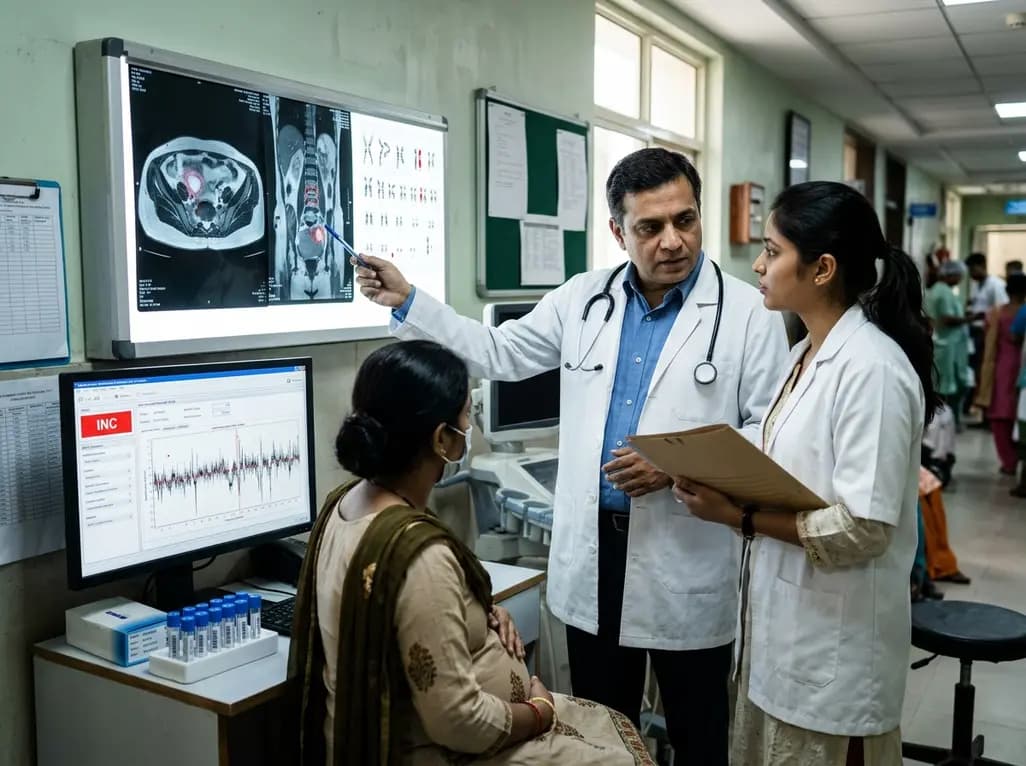
Occult maternal malignancy accounts for 3.82% of persistent unreportable NIPT results with genomic noise. Multiple chromosomal aberrations, notably on chromosome 18, warrant thorough oncological evaluation and whole-body MRI to ensure timely maternal diagnosis while preserving fetal care.
Today

This article reviews the forensic and clinical complexities of acute myocarditis arising on left ventricular hypertrophy in children, highlighting early diagnostic red flags and multidisciplinary postmortem autopsy protocols.
Today

This comparative study evaluates posterior labral tears with and without glenohumeral instability, highlighting distinct demographic patterns, MRI underestimation in stable shoulders, and successful arthroscopic repair outcomes.
Yesterday

A clinical study demonstrates that early intervention with tocilizumab, either as monotherapy or bridged with corticosteroids, achieves significant proptosis reduction and resolves active inflammation in treatment-naive thyroid eye disease.
Yesterday
